From idea to market-ready product, our NPI solutions make every stage easier, faster. Discover How We Help

Views: 222 Author: Tomorrow Publish Time: 2026-01-23 Origin: Site
Content Menu
● Understanding Swiss-Type CNC Machining
>> Key Benefits of Swiss-Type CNC Machining
● Expansion of Swiss-Type CNC Machining in Spain
● Leading Swiss-Type CNC Machining Manufacturers and Suppliers in Spain
● Core Capabilities of Spanish CNC Machining Companies
>> Multi-Axis Operation and Automation
>> Tolerance Accuracy and Surface Finishing
>> OEM and ODM Service Capability
● Quality Standards and Certifications
● Advantages of Partnering with Spanish Swiss-Type CNC Machining Suppliers
● Industrial Applications of Swiss-Type CNC Machining Parts
>> Electronics and Telecommunications
>> Industrial and Energy Equipment
● Collaboration Between Chinese and Spanish CNC Manufacturers
● Technological Innovations in Spanish Precision Machining
● FAQs About Swiss-Type CNC Machining Manufacturers and Suppliers in Spain
>> 1. What makes Swiss-type CNC machining unique?
>> 2. Which industries do Spanish CNC manufacturers serve?
>> 3. Do Spanish CNC suppliers provide OEM and ODM services?
>> 4. Are Spanish Swiss-type CNC suppliers globally competitive?
>> 5. Can Chinese and Spanish CNC manufacturers cooperate?
Spain's manufacturing industry has undergone a remarkable transformation over the past two decades, becoming a competitive player in the global precision machinery market. Among the most dynamic areas of growth is Swiss-type CNC machining, a specialized technology now widely recognized for producing intricate, high-tolerance metal and plastic components.
For international OEM buyers looking for precision, reliability, and efficiency, Spanish Swiss-type CNC machining manufacturers and suppliers represent a strong combination of European quality, technical innovation, and cost-effectiveness. This article explores the leading manufacturers, market overview, technological strengths, and industrial trends shaping this high-precision sector in Spain.
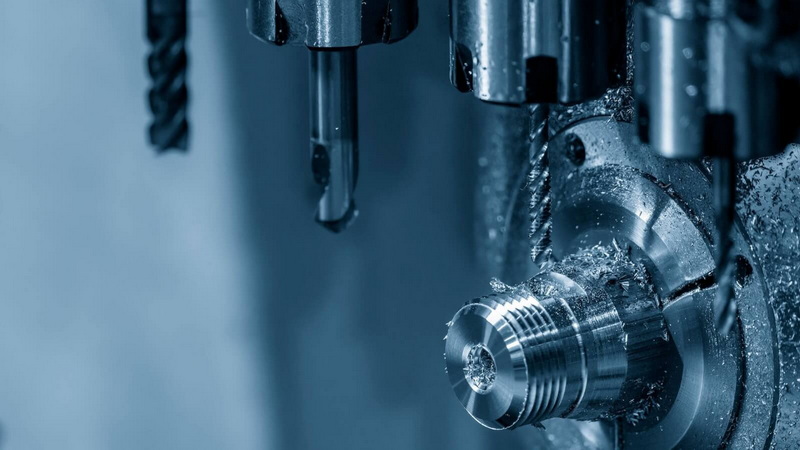
Swiss-type CNC machining—originally developed for producing precision watch components in Switzerland—has become one of the most advanced mechanical processing techniques in modern industry. The process uses a guide bushing to support the workpiece very close to the cutting tool, minimizing vibration and ensuring extraordinary accuracy even with very slender parts.
Unlike traditional CNC turning, a Swiss-type CNC machine can perform multiple operations simultaneously across several axes. This means manufacturers can complete drilling, milling, threading, and cutting in a single cycle, achieving complex geometries and high surface quality without the need for secondary machining.
- High precision for micro and small components.
- Multi-axis machining enables complex shapes.
- Excellent repeatability for large production runs.
- Reduced setup and processing times.
- Minimal material waste and energy consumption.
Such characteristics make Swiss-type CNC machining manufacturers and suppliers vital for industries like medical technology, aerospace, automotive sensors, and advanced electronics, where component tolerances are often measured in microns.
Spain's precision manufacturing sector has experienced steady expansion since the early 2010s, driven by innovation, automation, and its integration within the European supply network. Spanish Swiss-type CNC machining manufacturers have harnessed these opportunities by investing in high-performance equipment and adopting Industry 4.0 technologies.
Today, the Spanish machining landscape includes a growing cluster of high-tech workshops and subcontractors specializing in Swiss-type CNC solutions. These firms not only serve local industries but also export globally to clients in France, Germany, the UK, the US, and emerging Asian markets.
1. Surge in Medical Manufacturing: Spain's medical equipment exports continue to increase, requiring miniature precision parts.
2. Electrification of the Automotive Industry: EV components, connectors, and micro-pins have boosted demand.
3. Technological Adoption: Digital manufacturing systems and real-time process monitoring have improved consistency.
4. Cross-Border Collaboration: Partnerships with Chinese OEM machining suppliers help balance cost and capacity across global supply chains.
This combination of domestic innovation and international cooperation has transformed Spain into one of Europe's preferred destinations for Swiss-type CNC machining suppliers.
Below are some prominent companies that exemplify Spain's excellence in Swiss-type CNC machining. Each offers specialized services that cater to various industrial sectors.
Located in Barcelona, Mecatec Precision S.L. provides high-precision Swiss-type turning and milling. Their facility includes multi-axis CNC machines capable of machining complex geometries from stainless steel, copper, and titanium. The company serves automotive, mechanical, and sensor markets with consistent quality verification at every production stage.
Mecanizados Aranda, based in Burgos, offers full-spectrum Swiss-type CNC machining services for parts ranging from 0.5 mm to 32 mm in diameter. Their tools are optimized for high-speed production of shafts, valves, fittings, and small precision components. The company also assists OEM clients during the prototype and testing phases, supporting long-term partnerships.
From Madrid, Datronix Engineering integrates innovative CNC systems with CAD/CAM software for comprehensive part design and production. Their workshop specializes in multi-axis Swiss machining and micro-machining, focusing on electronic connector pins, surgical screws, and aerospace fittings that require extreme precision.
A branch of the global Tornos Group, Tornos Iberica is one of Spain's largest suppliers of Swiss-type CNC machining solutions. In addition to machine sales, they support contract manufacturing and process optimization for companies in defense, semiconductor, and industrial instrument sectors. The brand's advanced CNC lathes set the standard in reliability and durability.
Based in Valencia, Mecanizados Luma is known for exceptional attention to detail. Serving clients in the medical and electronic markets, they specialize in micro-components for implant systems and miniature sensors. The firm's use of automated inspection and real-time metrology ensures sub-micron precision.
Spain's Swiss-type CNC machining manufacturers and suppliers stand out through a range of technical and operational advantages that ensure international competitiveness.
Most Spanish CNC workshops operate Swiss-type lathes equipped with 8 to 12 axes, enabling simultaneous operations. This advanced configuration reduces the number of setups, thereby improving productivity for large-scale production.
Precision machining demands accuracy levels of ±0.002 mm. Manufacturers achieve this through temperature-controlled workshops and advanced quality control tools such as coordinate measuring machines (CMM), profile projectors, and non-contact measuring sensors.
The variety of processed materials reflects Spain's broad manufacturing capability:
- Stainless steel (303, 304, 316L)
- Titanium and nickel alloys
- Brass, bronze, and copper
- Aluminum (6061, 7075 series)
- Plastics (POM, PEEK, PTFE)
Each material demands a unique cutting strategy, and Spanish engineers have mastered machining parameters such as spindle speed, coolant flow, and feed direction to achieve optimal finishes.
Many Spanish Swiss-type CNC machining suppliers provide end-to-end OEM/ODM services—covering design consultation, engineering validation, toolmaking, and surface treatment, all under one roof. This offers convenience for global buyers who seek integrated project management and fast response time.
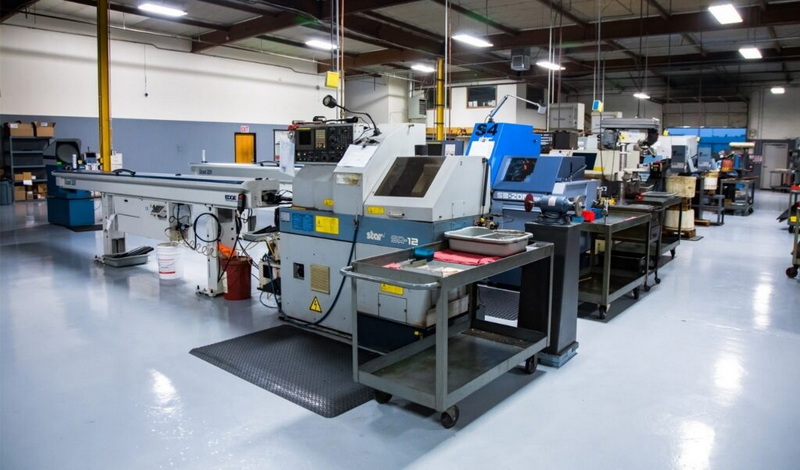
To maintain global credibility, Spanish machining companies follow internationally recognized certifications that guarantee product consistency and traceability.
Common certifications include:
- ISO 9001: Quality management system.
- ISO 13485: Medical device manufacturing standards.
- IATF 16949: Automotive quality control compliance.
- RoHS / REACH: Material safety and environmental standards.
By adhering to these frameworks, Swiss-type CNC machining manufacturers and suppliers in Spain gain trust from European, American, and Asia-Pacific buyers alike.
Choosing Spain as your precision manufacturing base brings multiple key benefits:
1. European Quality and Reliability: Spanish companies maintain strict process control and traceability systems.
2. Competitive Pricing: Compared to other Western European nations, Spain provides better cost-performance balance.
3. Strategic Geographic Location: Proximity to both European and Mediterranean markets supports efficient logistics.
4. Technical Expertise: Spain's technical schools and engineering programs supply well-trained machinists and designers.
5. Global Integration: Spanish suppliers seamlessly cooperate with OEM customers abroad, providing bilingual communication and flexible production schedules.
The versatility of Swiss-type CNC machining makes it ideal for a wide range of end-use applications.
Precision-machined surgical screws, dental implants, and orthopedic pins must meet extreme dimensional and material standards. Spanish firms specialize in bio-grade stainless steel and titanium components for medical equipment.
With Spain ranking among Europe's top car producers, CNC machining plays a vital role in manufacturing transmission parts, injector nozzles, fasteners, and connectors for electric vehicles.
The country's growing aerospace ecosystem depends on high-precision CNC suppliers to produce instrumentation housings, fluid connectors, and high-load structural components.
Machined pins, micro-connectors, and shielding components from Swiss-type machining provide consistent contact reliability, particularly in 5G and consumer electronics applications.
CNC-machined fittings, valves, and shafts are used for automation systems, renewable energy assemblies, and industrial sensors where reliability is critical.
The global market for precision components increasingly depends on international cooperation. Spain's expertise in design and micro-engineering aligns naturally with China's large-scale production capability.
Many Spanish companies partner with Chinese Swiss-type CNC machining manufacturers and suppliers to increase flexibility in capacity planning and cost management. This partnership benefits both parties:
- Chinese OEMs provide mass production at lower costs.
- Spanish firms contribute engineering optimization, documentation, and final inspection.
- International buyers receive the best of both worlds: precision and efficiency at a competitive price.
This hybrid manufacturing model enhances global supply resilience while maintaining the strict quality standards customers expect.
As the European Union promotes digital transformation across industries, Spanish Swiss-type CNC machining manufacturers are adopting cutting-edge technologies to stay ahead in global competition.
Artificial intelligence systems predict tool wear and machine performance, preventing downtime and optimizing throughput.
Real-time data integration allows networked machines to share operational parameters instantly, improving process control and reducing rejects.
Collaborative robots (cobots) and automatic part loaders enhance production efficiency while ensuring worker safety.
Manufacturers increasingly use biodegradable coolants, chip recycling systems, and energy-efficient spindle motors to align with green manufacturing goals.
These initiatives strengthen Spain's position as a high-tech precision machining hub within the European manufacturing ecosystem.
Spain's precision machining industry continues to rise, offering world-class engineering combined with flexibility and innovation. The nation's Swiss-type CNC machining manufacturers and suppliers provide advanced capabilities for clients across medical, automotive, aerospace, and electronics sectors. Their dedication to quality, multi-axis technology, and digital transformation ensures unmatched consistency and precision.
Moreover, Spain's growing collaboration with Chinese OEM manufacturers offers global customers the best combination of European design expertise and Asian efficiency. For international buyers, working with Spanish Swiss-type CNC machining specialists means access to long-term reliability, cost optimization, and advanced product quality.
Contact us to get more information!
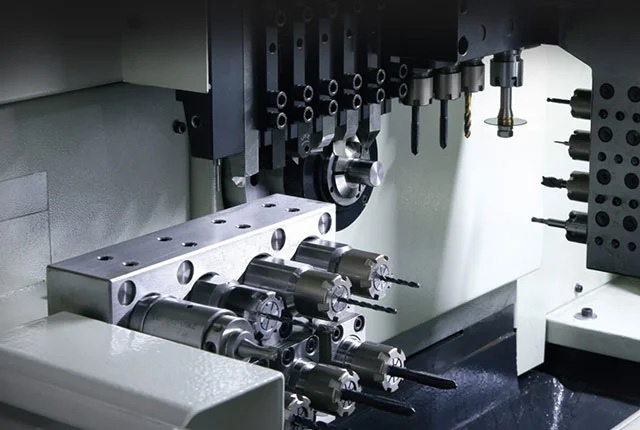
Swiss-type CNC machining uses a sliding headstock and guide bushing for superior accuracy, making it ideal for small and complex parts.
They cater mainly to medical, automotive, aerospace, electronics, and industrial automation sectors.
Yes. Most offer full-service solutions including design, prototyping, small-lot production, and mass manufacturing.
Absolutely. They meet international quality standards and offer cost-effective pricing alongside strong after-sales support.
Yes. Many Spanish companies collaborate with Chinese machining firms to expand volume and optimize cost-efficiency while maintaining top-tier quality.
1. https://www.tornos.com
2. https://www.mecatecprecision.com
3. https://www.mecanizadosaranda.es
4. https://www.mecanizadosluma.com
5. https://www.datronix-engineering.com


