From idea to market-ready product, our NPI solutions make every stage easier, faster. Discover How We Help

Views: 222 Author: Tomorrow Publish Time: 2026-01-27 Origin: Site


Content Menu
● What Is a Zero Point in CNC Machining?
● Types of Zero Points in CNC Machining
>> 5. Fixture or Setup Zero Point
● How Many Zero Points Are Typically Used?
● Coordinate Systems and Motion in CNC Machining
>> Work Offsets and Multiple Coordinate Frames
● Setting Up Zero Points Step by Step
● Why Multiple Zero Points Matter
● Common Mistakes When Setting Zero Points
● Advanced Zero-Point Systems and Automation
● Role of Software in Zero-Point Management
● The Relationship Between Zero Points and Accuracy
● Future Trends in Zero-Point Systems
● FAQs About Zero Points in CNC Machining
>> 1. What is the purpose of zero points in CNC machining?
>> 2. How many zero points does a CNC machine use?
>> 3. Can operators change the machine zero point?
>> 4. Why should zero points be checked regularly?
>> 5. What equipment is used to locate zero points?
In the manufacturing world, CNC machining is the foundation of precision and high-performance production. Every operation—whether it involves milling, turning, drilling, or grinding—depends on precise positioning of tools and workpieces. The level of accuracy and repeatability achieved in CNC machining is largely determined by how the system defines “zero points.” These points are critical reference positions that tell the machine where every dimension starts.
The question “how many zero points are used in CNC machining?” is far more than a technical curiosity. The answer directly impacts setup efficiency, machining accuracy, and overall production quality. Understanding these zero points helps machinists maintain tighter tolerances, reduce human error, and improve workflow consistency across multiple machines or batches.
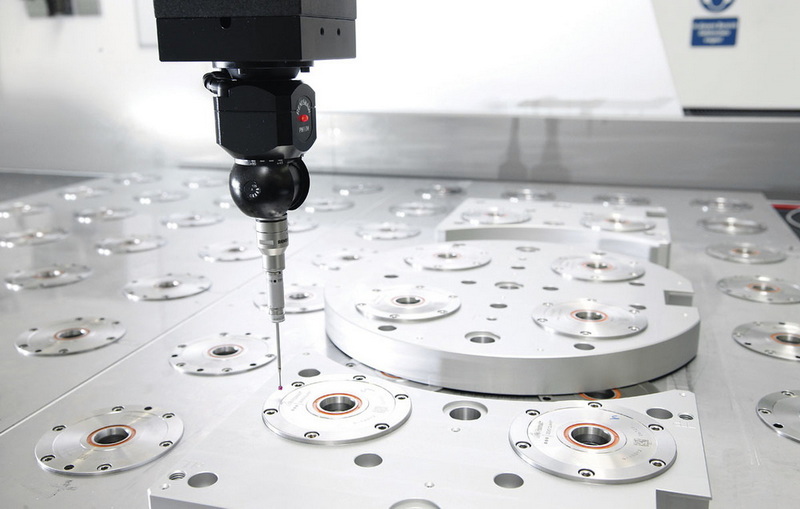
A zero point in CNC machining is the reference position within the machine coordinate system from which all tool movements are measured. It is essentially the coordinate “origin” that defines how the CNC machine interprets geometry from the CAM program.
Without a correctly set zero point, the machine would have no way to determine where to start a cut or how deep a tool should move. Every command in the G-code must relate to a known reference in three-dimensional space. Therefore, zero points form the core framework of every machining operation—dictating how the machine tool moves along the X, Y, and Z axes.
In practical terms, a zero point acts like a GPS coordinate for manufacturing. Just as navigation relies on knowing your starting point, CNC machining relies on a zero point to define exact physical locations on both the workpiece and tooling setup.
Zero points are not all the same—different systems within CNC machining use unique reference positions. Each serves a distinct function in part setup, programming, or operation.
The machine zero point is fixed and established by the manufacturer. This non-editable position marks the origin of the machine's coordinate system. It is used internally for calibration, homing sequences, and limit checking. Operators cannot alter or move this zero because it defines the machine's built-in geometry.
Whenever a CNC machine starts or resets, it returns to this default “home” position. From here, all other coordinates—like work and tool zero points—are defined relative to it.
The work zero point or work coordinate system (WCS) defines the part's specific reference location on the machine table. It represents where the actual cutting will begin on the workpiece. Operators set this origin manually or automatically using probing systems.
For example, when machining a rectangular block, the operator might choose the top-left corner of the part as the X0–Y0 location and the top surface as Z0. This allows the G-code program to align perfectly with the real-world setup. Multiple work zero points—such as G54, G55, and G56—can be defined in one operation for machining multiple parts simultaneously.
The program zero point is defined in the CAM software or G-code program itself. It tells the machine which coordinate origin to reference during execution. Typically, this point aligns with the work zero but can differ if the programmer wants to simulate or test tool paths virtually before touching the actual part.
The tool zero point defines the relationship between the tool tip and the spindle face or collet. Because tools vary in length, the tool zero ensures that each one cuts to the correct depth regardless of size. Tool length offsets are entered into the control system so that the CNC machining process maintains consistent Z-axis movement even when changing cutters or operations.
Fixtures and vises also incorporate setup zero points that enable quick alignment during part changes. A consistent fixturing system ensures that each workpiece shares a common coordinate reference. This saves time and guarantees alignment accuracy, particularly in automated or multi-setup machining environments.
A standard CNC machining operation usually relies on three fundamental zero points: the machine zero point, the work zero point, and the tool zero point. However, advanced machining setups may include several additional coordinate frames to handle complex geometries, multiple workpieces, or multi-axis operations.
For instance:
- 3-axis machines primarily use one work zero per setup (G54).
- 4-axis or 5-axis machines might require several work offsets to position and rotate the part accurately.
- Automated pallet changers can utilize multiple zero references to manage different part fixtures within the same cycle.
In practical terms, there can easily be six or more zero points active in a complex setup—each carefully defined to maintain alignment between the machine, part, and tool systems.
CNC machining functions based on the Cartesian coordinate system, which establishes movements along X, Y, and Z axes:
- X-axis: Left and right.
- Y-axis: Forward and backward.
- Z-axis: Up and down.
Additional rotational axes—designated as A, B, and C—enable multi-axis machining. These rotations substantially increase the ability to cut complex curves and undercuts without repositioning the part manually.
Zero points interact with work offsets such as G54 through G59 or even extended ranges (G54.1 P1–P48) on advanced controllers. This allows the same program to be applied to multiple fixtures or parts without rewriting code.
Each offset acts like a defined zero point in the CNC machining system, allowing quick transitions between jobs while keeping all alignment data intact.
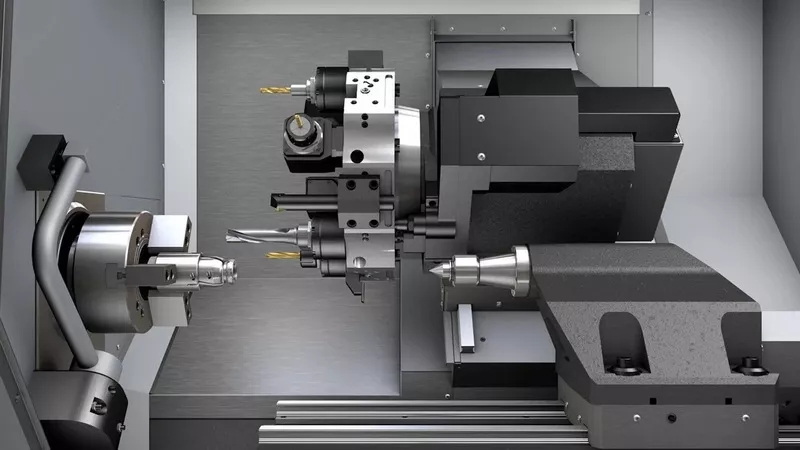
Setting zero points accurately is one of the most important steps of CNC machining, as it determines the entire operation's precision. The process typically includes:
1. Establish Machine Home Position: Start by sending the machine to its initialized origin. This ensures all axes are correctly referenced.
2. Secure the Workpiece: Clamp the part tightly using a fixture or vise while ensuring its orientation matches the program layout.
3. Locate the Workpiece Zero: Use an edge finder, digital probe, or laser sensor to detect surfaces and edges. Once touched off, record the coordinates in the control system.
4. Set Tool Length and Diameter Offsets: Each tool's length must be measured using a presetting device or tool calibration cycle to maintain consistent cutting depth.
5. Verify and Save Work Offsets: Input the offset data into the G-code control (e.g., G54 for the first part). Run a simulation or dry cycle to confirm accuracy.
When executed carefully, these procedures ensure that the machine's movements match the programmed toolpaths perfectly, minimizing setup time and errors.
The use of multiple zero points in CNC machining allows operators to standardize operations across batches, reduce idle time, and increase productivity. Instead of recalibrating the machine with every part change, the operator simply recalls stored zero offsets.
Benefits include:
- Faster changeovers between parts or tools.
- Reduced setup errors, increasing predictability.
- Consistent tolerances across repeated runs.
- Flexibility in multi-part or multi-axis configurations.
- Improved integration with automation systems.
For companies focusing on mass customization, this flexibility is critical—enabling one CNC machine to produce varied components without downtime.
Despite its importance, zero-point setup remains a frequent source of production errors. Common mistakes include:
- Incorrect assignment of the work zero coordinate, causing misalignment between program and part.
- Forgetting to update the tool offset when changing cutters.
- Misplacement of fixtures without re-zeroing the system.
- Confusion between machine zero and work zero coordinates.
- Failing to compensate for thermal drift or tool wear.
Regular calibration, precise documentation, and automatic probing systems minimize these risks and ensure reliable CNC machining performance.
Modern CNC machining has evolved to incorporate automatic zero-point clamping and calibration systems. These technologies dramatically reduce setup time and human error by mechanically referencing fixtures to highly precise locator points.
- Zero-point clamping systems: Pneumatic or hydraulic locking mechanisms that align parts within microns of accuracy, enabling rapid part exchange.
- Probing systems: Touch probes or laser sensors measure work offsets and tool lengths automatically.
- Modular fixtures: Standardized plates or bases that guarantee repeat positioning on different machines.
- Digital twin integration: Virtual simulations in CAD/CAM software define zero points digitally before setup, ensuring consistency from design to production.
With these innovations, CNC machining operations are becoming increasingly autonomous, supporting Industry 4.0 goals and smart manufacturing environments.
CAM and CNC control software now include features for managing multiple coordinate frames and zero points. For instance, advanced systems such as Siemens Sinumerik, Fanuc, and Haas controllers allow automatic storage and recall of offsets.
These digital systems can synchronize with CAD models to assign the same zero references used in design, ensuring seamless coordination between digital and physical production stages. Such integration eliminates manual data entry errors while enabling adaptive machining in real time.
Every component's accuracy in CNC machining ultimately depends on how well zero points are defined and maintained. Even a small deviation of 0.01 mm in the zero reference can result in dimensional errors, poor fitment, and increased scrap rate.
Regular machine calibration and temperature compensation routines help stabilize zero-point consistency. Additionally, precision tooling and thermal control systems ensure that as the machine heats up, the coordinate system remains accurately aligned.
Looking forward, CNC machining is moving toward intelligent zero-point systems capable of automatic detection and correction. Future machines may feature:
- Self-calibrating sensors that adjust zero points dynamically.
- AI-driven systems capable of predicting tool shifts or part movement.
- Data feedback loops between machine controllers and quality inspection units.
- Cloud-based offset management for multi-machine synchronization.
These trends aim to make CNC machining even more reliable, efficient, and autonomous—achieving higher quality with lower human intervention.
Zero points are the invisible foundation that supports every successful CNC machining process. From machine zero to work and tool zero, each coordinate reference ensures that the part, tool, and machine work in perfect harmony.
Typically, three primary zero points are used in most operations, while advanced setups require multiple offsets for multi-part or multi-axis machining. Mastering zero-point setup is therefore one of the most valuable skills for any CNC operator or programmer.
As automation advances, the importance of accurate zero-point control continues to grow—enabling manufacturers to achieve superior precision, reduced downtime, and increased productivity in modern CNC machining environments.
Contact us to get more information!
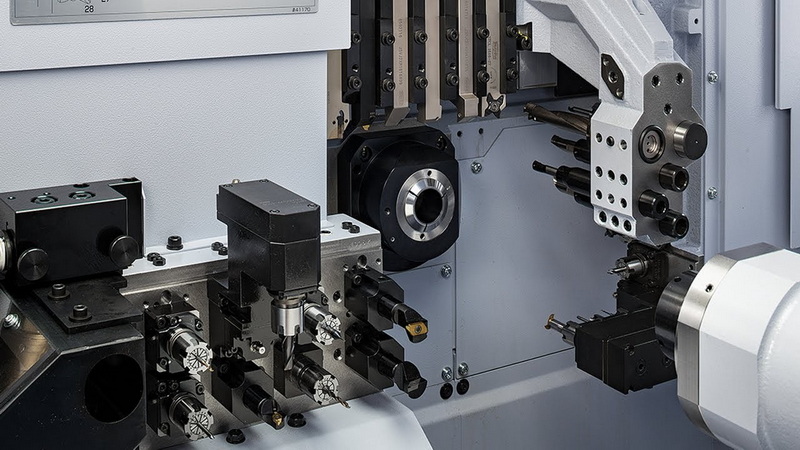
Zero points serve as the coordinate references that determine how tools and workpieces are positioned. Without them, CNC machining operations would lack spatial accuracy and repeatability.
A typical CNC machine uses at least three: machine zero, work zero, and tool zero. However, advanced machines can utilize multiple work offsets for different setups or parts.
No, machine zero is fixed by the manufacturer and cannot be changed. Operators only define work and tool zero points for individual jobs.
Because heat, wear, or vibration can shift alignment, zero points must be verified to maintain accuracy during long production runs.
Common tools include edge finders, dial indicators, touch probes, laser systems, and coordinate-measuring sensors used in precision CNC machining setups.
1. https://www.engineersedge.com
2. https://www.machinemfg.com
3. https://www.cnccookbook.com
4. https://www.autodesk.com/blogs/manufacturing
5. https://www.haascnc.com


