From idea to market-ready product, our NPI solutions make every stage easier, faster. Discover How We Help

Views: 222 Author: Tomorrow Publish Time: 2026-01-30 Origin: Site


Content Menu
● Understanding CNC Machining Automation
● Core Components of CNC Machining Automation
>> 1. Robotic Loading and Unloading Systems
>> 2. Automated Tool Changers (ATC)
>> 3. Workholding and Pallet Automation
>> 4. In-Line Inspection and Measurement Systems
>> 6. Smart Sensors and IoT Integration
● Steps To Automate CNC Machining
>> Step 1: Evaluate Current CNC Capabilities
>> Step 2: Define Clear Automation Objectives
>> Step 3: Choose the Right Automation Technologies
>> Step 4: Integrate Control Software
>> Step 6: Train and Support Operators
● Technologies Driving CNC Machining Automation
>> Artificial Intelligence and Machine Learning
>> Digital Twins and Virtual Simulation
>> Data Analytics and Cloud Platforms
● Implementation Challenges and How to Overcome Them
● Best Practices for Maximizing CNC Machining Automation
● Future Trends in CNC Machining Automation
● FAQ
>> 1. What does CNC machining automation mean?
>> 2. How does automation improve CNC machining productivity?
>> 3. Which technologies are essential for CNC machining automation?
>> 4. What is the main challenge of automating CNC machining?
>> 5. Can small shops benefit from automation?
In today's industrial landscape, automation has become a cornerstone of manufacturing competitiveness. As global demand for precision, consistency, and rapid production grows, traditional machining can no longer meet modern needs alone. CNC machining—computer numerical control—revolutionized manufacturing by allowing complex, accurate part creation through computer-guided tools. Yet, the next evolution is underway: fully automating CNC machining to increase productivity, reduce costs, and ensure continual operation.
This guide explores everything manufacturers need to know about CNC machining automation: its definition, advantages, key technologies, implementation steps, and how to overcome challenges when integrating automation into production.
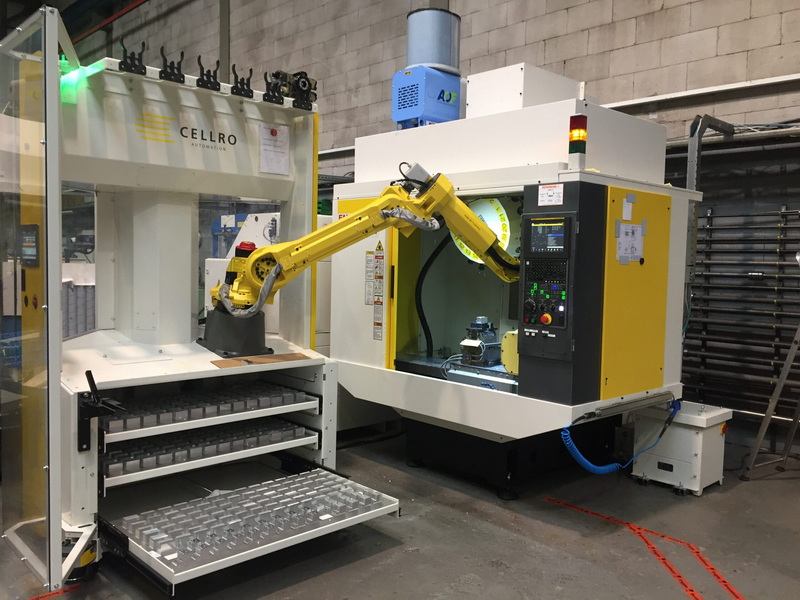
CNC machining automation refers to the use of technology to manage machining operations with minimal human input. In a typical CNC workflow, operators set up tools, load materials, and supervise production. Automation aims to streamline—if not completely remove—these tasks through intelligent systems like robotics, software, and sensors.
Automation transforms CNC machining into a self-sustaining process, where machines can run unattended for hours or even days. This approach, often called “lights-out manufacturing,” enables 24/7 production without compromising quality or consistency.
Automation isn't merely a trend; it is a strategic necessity. The global manufacturing sector faces rising labor costs, skill shortages, and increasing quality demands. By automating CNC machining, manufacturers achieve several critical benefits:
- Higher Efficiency: Automated systems can operate continuously, maximizing spindle utilization.
- Improved Accuracy: Advanced sensors reduce deviation and ensure consistent part geometry.
- Reduced Operational Costs: Automation minimizes waste, labor expenses, and downtime.
- Greater Flexibility: Automated CNC setups adapt quickly to varied production tasks.
- Enhanced Safety: Robots and automated handling systems protect workers from repetitive or hazardous tasks.
These advantages collectively yield faster project turnaround, lower production costs, and better resource management—key drivers in today's competitive market.
Automation in CNC machining can span multiple stages of the production workflow. Below are the primary elements involved in creating an automated manufacturing environment.
A major step toward CNC automation is implementing robotic part handling. Robotic arms or gantry systems manage raw materials and finished components, eliminating manual loading. They can be programmed to position parts with perfect precision, significantly reducing setup times and operator fatigue.
Tool change automation ensures continuous machining without manual interruptions. An Automatic Tool Changer (ATC) selects and exchanges tools as needed during the CNC program, speeding up complex operations that require multiple cutting tools.
Workholding automation involves pallet changers and clamping systems that prepare and queue multiple workpieces. Once machining is complete, the current workpiece exits, and the next pallet automatically loads—reducing downtime while maintaining continuous spindle movement.
Smart inspection tools, such as probe systems and coordinate measuring machines (CMMs), can be integrated directly with CNCs. Automated inspection ensures every part conforms to specifications before the next production batch begins, preventing costly rework.
Software automation complements physical automation. Integrated CAD/CAM platforms create digital workflows where designs are automatically converted into machine instructions. This reduces programming errors and accelerates machining preparation.
Internet of Things (IoT) devices collect real-time performance data from machines—monitoring temperature, vibration, and spindle load. These insights allow predictive maintenance, preventing breakdowns before they occur and improving uptime reliability.
Automation implementation requires structured planning and gradual integration. Below is a practical roadmap to begin automating your CNC machining processes.
Perform a comprehensive audit of existing machines, workflows, and staff expertise. Identify repetitive, labor-intensive tasks that would benefit from automation—like part loading, tool setups, or inspection.
Clarify what automation should achieve for your business. Objectives might include increasing throughput, lowering per-unit cost, improving accuracy, or reducing required labor hours. Set measurable targets for evaluation.
Select automation tools that suit your shop's size and production volume. For instance:
- Use small collaborative robots (cobots) for light material handling.
- Implement automated pallet systems for high-volume or lights-out operations.
- Adopt modular systems so automation can expand as production scales.
Ensure all automation components—from robots to inspection sensors—are connected via centralized software. Linking CNC controllers, ERP systems, and CAD/CAM software ensures seamless data flow and workflow synchronization.
Before scaling up, start with one automated production cell. Observe performance, fine-tune programming, and gather feedback. This pilot helps refine automation logic and identifies unforeseen challenges early on.
Operators remain critical even in automated machining environments. Provide training in robot programming, machine maintenance, and data analytics so your workforce can manage advanced systems effectively.
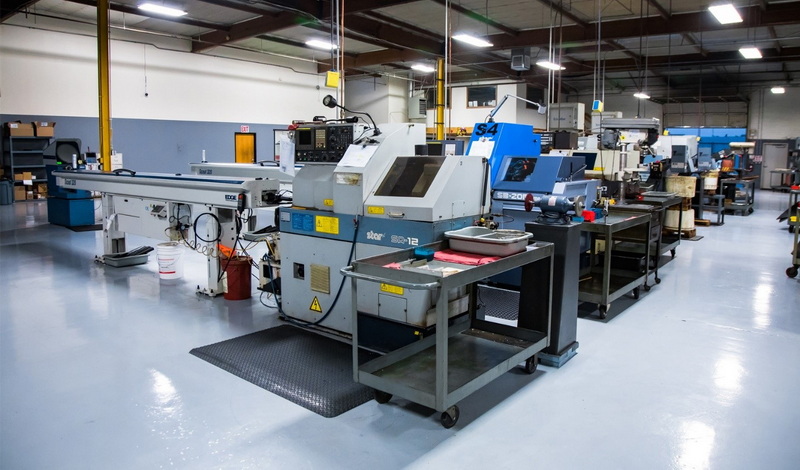
The current generation of CNC machining automation relies heavily on digital intelligence and flexible robotics. Below are the main technologies shaping this transformation.
Industrial robots and collaborative robots (cobots) are now standard in CNC automation cells. Cobots, in particular, are suited for small and medium manufacturers due to their safety features, ease of programming, and lower cost.
AI algorithms enhance CAM software, enabling adaptive feed rate adjustment and predictive maintenance. Machine learning helps analyze data from tooling wear or vibration sensors, automatically improving operation efficiency over time.
A digital twin replicates the machining environment virtually. Manufacturers can simulate cutting operations, test tool paths, and predict performance issues without halting actual production. This improves accuracy and reduces costly errors.
Cloud-based platforms store CNC performance metrics, supporting remote monitoring and benchmarking. These analytics tools identify bottlenecks, compare cycle times, and optimize scheduling for higher equipment utilization.
Hybrid machines combine additive manufacturing (such as 3D printing) and traditional CNC milling in one platform. Automation in these systems coordinates both processes, enabling efficient prototyping and tool-making in fewer setups.
While automation delivers long-term value, adopting it may present some short-term hurdles. Below are common challenges manufacturers face when automating CNC machining—and how to overcome them.
| Challenge | Solution |
|---|---|
| High Initial Costs | Begin with modular automation or retrofit upgrades to limit capital expenses. |
| Complex Integration | Work with automation specialists and ensure software compatibility. |
| Skill Shortage | Train or hire operators specializing in robotics and smart machining technologies. |
| System Downtime During Setup | Implement step-by-step integration instead of full replacement. |
| Maintenance Management | Use IoT-driven predictive maintenance to schedule repairs efficiently. |
Addressing these challenges early prevents costly delays and ensures smoother adoption of automation technologies.
1. Standardize Tooling and Fixtures: Consistent workholding designs simplify programming and enable flexible automation setups.
2. Use Modular Cells: Build small, scalable automation cells before expanding to entire lines.
3. Implement Real-Time Monitoring: Continuously track machine performance through sensors and analytics dashboards.
4. Integrate Quality Control: Combine machining and inspection within one automation environment.
5. Adopt Continuous Improvement: Regularly analyze production data to refine control programs and enhance efficiency.
Following these practices enables continuous improvement and ensures long-term returns on automation investments.
The future of CNC machining automation points toward even greater intelligence and flexibility. AI-driven decision-making, robotic collaboration, and cloud-based digital manufacturing are merging to create "smart factories" capable of independent optimization. Key developments include:
- Autonomous Machine Scheduling: CNC equipment communicating to schedule tool changes and maintenance automatically.
- Closed-Loop Machining Systems: Real-time feedback adjusts cutting parameters for zero-defect production.
- Sustainable Automation: Energy-efficient drives and recycling of cutting fluids through automated filtration.
- Remote Operations: Operators managing entire CNC factories remotely via cloud-based dashboards.
In the next decade, automation will redefine manufacturing productivity, turning manually assisted CNC machining into fully intelligent, self-regulating systems.
Automating CNC machining has evolved from an advanced concept to a competitive necessity in global manufacturing. By combining robotics, smart sensors, AI-driven software, and digital twins, automation maximizes production flexibility, accuracy, and profitability. Despite initial cost and skill challenges, gradual adoption and strategic planning ensure powerful long-term gains. The future of manufacturing lies in a fully connected, data-driven environment—where automated CNC machining leads the way toward smarter, safer, and more sustainable production.
Contact us to get more information!
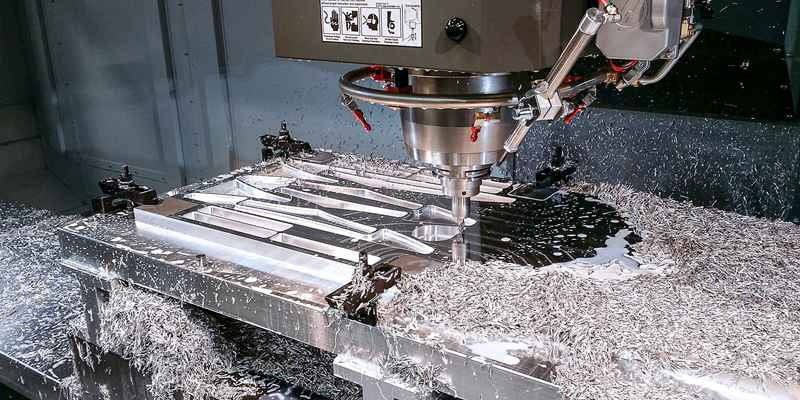
It refers to using robotics, sensors, and intelligent control systems to perform machining tasks automatically, reducing manual intervention and improving production speed and precision.
Automation allows continuous operation, rapid part switching, consistent quality, and less downtime—all contributing to higher throughput and shorter lead times.
Robotics, automatic tool changers, pallet systems, CAD/CAM integration software, IoT sensors, and machine-learning-driven control systems form the foundation of CNC automation.
The most common challenges include integration complexity, high setup costs, and training needs. However, careful planning and modular implementation can manage these obstacles effectively.
Absolutely. Smaller manufacturers can start by automating specific processes—such as loading systems or inspection—and later expand to full automation as production demands increase.
1. https://www.mastercam.com/news/blog/automation-in-cnc-machining/
2. https://www.haascnc.com/resources/automation.html
3. https://www.okuma.com/us/blog/how-to-automate-your-cnc-machining-process
4. https://www.engineerlive.com/content/future-cnc-automation
5. https://www.mmsonline.com/articles/robots-and-automation-in-cnc-machining


