From idea to market-ready product, our NPI solutions make every stage easier, faster. Discover How We Help

Views: 222 Author: Tomorrow Publish Time: 2026-01-23 Origin: Site


Content Menu
● Understanding Swiss-type CNC Machining
● Why Germany Is a Global Center for CNC Machining
● Top Swiss-type CNC Machining Manufacturers and Suppliers in Germany
>> 2. Huber Präzisionstechnik GmbH
>> 4. Schaub Präzisionstechnik
>> 5. MKT Metall- und Kunststofftechnik GmbH
● Growing Collaboration Between Germany and China in CNC Manufacturing
● Key Capabilities of German Swiss-type CNC Machining Companies
>> Advanced Multi-Axis Technology
>> Quality Control and Metrology
>> Sustainability and Energy Efficiency
● Factors to Consider When Choosing a Supplier
● The Role of Chinese OEM Manufacturers in the Swiss-type CNC Ecosystem
● Emerging Trends Shaping the Swiss-type CNC Industry
>> Artificial Intelligence in Production
>> Sustainability and Circular Production
● Frequently Asked Questions (FAQs)
>> 1. What makes Swiss-type CNC machining special?
>> 2. Which industries benefit most from Swiss-type CNC machining?
>> 3. How can Chinese OEM manufacturers collaborate with German suppliers?
>> 4. What should international buyers look for in a German CNC supplier?
>> 5. What are the recent innovations in Swiss-type machining?
Germany has earned its global reputation as a center for technological excellence, precision engineering, and industrial innovation. Among its many fields of expertise, Swiss-type CNC machining has emerged as one of the most significant manufacturing technologies, driving production in industries that demand extreme precision, consistency, and reliability.
In this article, we explore the top Swiss-type CNC Machining Manufacturers and Suppliers in Germany, their competitive advantages, and how international partners—especially Chinese OEMs—can collaborate with them to create efficient global supply chains.
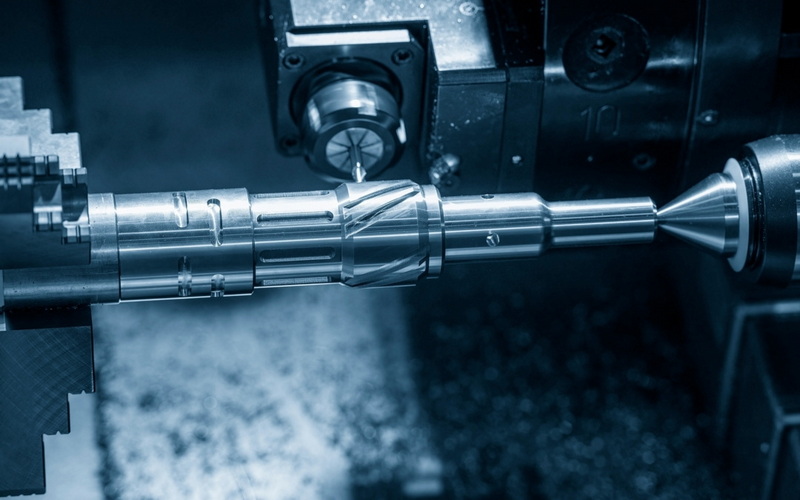
Swiss-type CNC machining, also known as sliding headstock machining, originated in Switzerland to manufacture highly precise parts for the watchmaking industry. Unlike conventional turning centers, a Swiss-type CNC machine supports the workpiece through a movable guide bushing close to the cutting zone. This ensures exceptional rigidity and allows for micron-level tolerances even in very slender or long parts.
Over time, this technology was widely adopted in various high-tech industries where precision and speed are vital. Examples include:
- Medical implants and surgical devices
- Automotive fuel injection and transmission systems
- Aerospace fasteners and actuators
- Electronic connectors and sensor housings
- Precision instruments, measuring devices, and optical components
Because of its ability to combine turning, milling, drilling, and threading in one setup, Swiss-type CNC machining reduces cycle time, eliminates multiple clamping operations, and ensures consistent quality for mass production.
Germany's manufacturing ecosystem integrates advanced machinery, skilled labor, innovation, and strict quality management systems. It is home to several of the world's most advanced machine tool brands, such as DMG Mori, Index, and Citizen, providing a solid foundation for both large and small Swiss-type CNC Machining Manufacturers and Suppliers.
Germany stands out due to three key pillars of strength:
1. Engineering Precision: Every stage—from prototype to final inspection—follows meticulous procedures verified by ISO and IATF standards.
2. Innovation Culture: Research institutes and technical universities collaborate with private enterprises to continuously develop automation and digital manufacturing technologies.
3. Reliability and Trust: German companies value long-term partnerships, offering consistent communication and dependable delivery schedules to global clients.
These characteristics make German machining companies reliable partners for both domestic and overseas clients seeking high-quality precision components.
Ritter Technik GmbH is a highly respected name in German precision manufacturing. The company specializes in micro-turned parts made through advanced Swiss-type CNC machining. With a focus on medical, automotive, and aerospace applications, Ritter offers materials expertise ranging from stainless steel to titanium and brass. Their commitment to process optimization and automation ensures efficient production cycles and accurate repeatability.
For over three decades, Huber Präzisionstechnik has been providing precision components with exceptional durability and geometric accuracy. Their production floor includes a fleet of CNC sliding-head machines capable of handling diameters from 1 mm to 32 mm. The firm emphasizes traceability, quality certifications, and client-specific testing, making it a preferred supplier for OEM customers across Europe and North America.
Kleiner GmbH stands out among Swiss-type CNC Machining Manufacturers and Suppliers in Germany due to its advanced cleanroom facilities, which allow for the production of contamination-free medical and optical parts. Their engineers focus on optimizing part design for manufacturability (DFM), helping clients minimize waste and improve performance. The company's investment in digital production monitoring ensures every batch is compliant with top-tier quality standards.
Schaub Präzisionstechnik provides high-accuracy turning and micro-milling capabilities. Their dedication to innovation is evident in their integration of Industry 4.0 automation and robotic loading systems that ensure consistent operation over multiple shifts. Schaub's Swiss-type CNC machining expertise enables flexible prototyping, low-volume customization, and short lead times—qualities that appeal to clients in fast-moving technology sectors.
MKT GmbH combines both metal and plastic processing through state-of-the-art Swiss-type CNC machines. Their versatility in handling multi-material parts helps automotive and electronics customers reduce assembly costs and improve product reliability. MKT places strong emphasis on project transparency through digital workflow tracking, ensuring that each project milestone is documented and accessible to international buyers.
Langer CNC Technik focuses on high-mix, low-to-medium volume production. Their comprehensive process control system covers machining, deburring, cleaning, and quality testing, ensuring every component meets global standards. Langer's experience in managing complex geometries positions them as a go-to partner for clients seeking specialized micro parts or quick turnaround times.
In the past decade, a new trend has emerged in global precision manufacturing: cross-border collaboration between Germany and China. As a Chinese OEM precision parts producer, we understand the manufacturing strengths of both regions and see increasing synergy in the partnership model.
German companies bring process expertise, design validation, and access to European markets. Meanwhile, Chinese firms contribute cost-efficient production scaling, rapid prototyping capacity, and flexible customization options. When these strengths combine, clients benefit from:
- Shorter product development cycles
- Balanced cost-performance ratios
- Integrated production planning between continents
- Access to both European quality assurance and Asian supply scalability
As global manufacturers face tighter tolerance demands and cost pressures, partnerships between Chinese and German Swiss-type CNC Machining Suppliers provide a win-win model for sustainable growth.
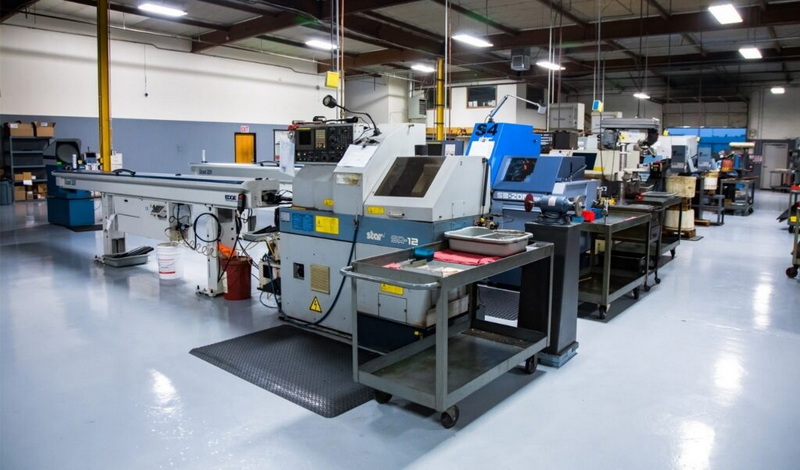
German workshops often operate multi-axis Swiss-type lathes capable of performing simultaneous milling, drilling, and turning. This eliminates secondary setup steps, reducing lead times. Machines are equipped with live tooling stations, sub-spindles, and automatic bar feeders that enhance efficiency.
German Swiss-type CNC Machining Manufacturers and Suppliers work with diverse materials, including:
- Stainless steel, copper, and brass
- Aluminum and titanium alloys
- High-performance plastics such as PEEK and PTFE
- Nickel and cobalt superalloys for aerospace applications
Material expertise ensures compatibility with international standards such as ASTM, DIN, and ISO.
In-house inspection departments use CMMs (Coordinate Measuring Machines), laser scanners, and surface roughness testers. Continuous measurement throughout production minimizes error and guarantees consistency across large batches.
German machining firms are pioneers in green manufacturing. They use energy-efficient drives, recycle lubricants, and convert chips into reusable material. These initiatives not only protect the environment but also align with global supply chain sustainability policies.
To find the right Swiss-type CNC machining supplier, especially for overseas buyers, consider the following:
1. Certification Levels: Look for ISO 9001, ISO 13485, or IATF 16949 certification depending on your industry.
2. Technical Competence: Check whether the supplier can handle complex geometries and multi-axis work.
3. Communication: Choose suppliers with multilingual project support and digital progress updates.
4. Lead Time and Logistics: Assess production flexibility, shipping networks, and after-sales service.
5. Customization Capacity: A strong engineering department can co-develop prototypes and optimize designs before full production.
Choosing a supplier who aligns with your project's requirements ensures long-term stability and high-quality output.
China's precision engineering industry has seen tremendous growth in both capacity and sophistication. Chinese OEM Swiss-type CNC machining services have increasingly integrated European machinery and quality standards to serve global clients.
Through collaboration with German suppliers, Chinese companies can:
- Exchange design optimization techniques.
- Access advanced materials and measurement technologies.
- Meet European compliance standards.
- Provide cost-competitive mass production support.
For European buyers seeking large-scale production with precision, this cooperation ensures both quality and affordability.
The future of Swiss-type CNC machining lies in the intersection of automation, AI, and data-driven manufacturing. German companies are already spearheading the shift toward digital transformation with these trends:
IoT-enabled machining centers now communicate data to centralized control systems, allowing for predictive maintenance and reducing machine downtime.
AI tools analyze tool wear, geometric variation, and machining speed in real-time, automatically adjusting parameters to maintain optimal cutting conditions.
Some advanced German suppliers combine subtractive CNC machining with additive manufacturing (3D printing) to create lightweight components with intricate internal structures impossible through traditional means.
The move toward carbon-neutral machining continues, with closed-loop cooling systems, biodegradable cutting fluids, and chip recycling technologies becoming the norm.
Modern German CNC operations blend automation with skilled operators trained in both robotics and digital software tools. This trend ensures continuous innovation while maintaining high-precision craftsmanship.
Germany remains one of the strongest centers for Swiss-type CNC machining, blending excellence in engineering, automation, and quality assurance. Its manufacturers set benchmarks for precision, technical mastery, and environmental responsibility. Meanwhile, the growing collaboration between German and Chinese companies is shaping a new global manufacturing ecosystem—one that merges the efficiency and scalability of Chinese production with the craftsmanship and innovation of German engineering.
For international buyers and OEM producers, partnering with Swiss-type CNC Machining Manufacturers and Suppliers in Germany ensures reliable access to high-quality components, advanced design support, and global market competitiveness. In today's evolving industrial landscape, this synergy represents the key to success in precision manufacturing.
Contact us to get more information!
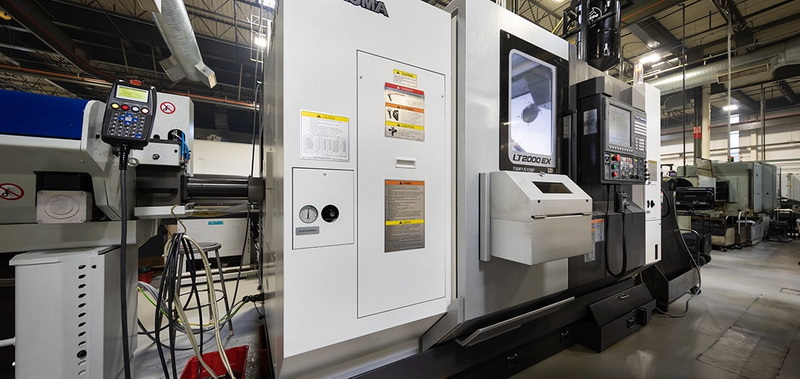
It provides exceptional accuracy by supporting the workpiece with a guide bushing near the cutting zone. This reduces vibration and enables high precision, especially for long or slender parts.
Industries such as medical devices, aerospace, automotive, electronics, and optics use this technology for components requiring complex geometry and high tolerance.
They can form technology-sharing partnerships, co-develop new precision components, or integrate production chains to balance quality and cost efficiency.
Buyers should check certifications, verify equipment capabilities, assess communication efficiency, and ensure that suppliers comply with global quality standards.
IoT integration, AI-based process control, hybrid additive-subtractive machining, and sustainable material recycling are defining the next generation of CNC manufacturing.
1. https://www.made-in-germany.cn
2. https://www.ritter-technik.de
3. https://www.kleiner.de
4. https://www.huber-praezision.de
5. https://www.mkt-cnc.de
6. https://www.langer-cnc.de


