From idea to market-ready product, our NPI solutions make every stage easier, faster. Discover How We Help

Views: 222 Author: Tomorrow Publish Time: 2026-01-23 Origin: Site


Content Menu
● Understanding Swiss-type CNC Machining
● The French Market for Swiss-type CNC Machining
● Top Swiss-type CNC Machining Manufacturers and Suppliers in France
>> 1. Décolletage de Précision S.A.S
>> 2. Technic-Précision France
● Specialized Capabilities and Technical Proficiency
● Industries Served by Swiss-type CNC Machining in France
● Partnering with French Manufacturers for OEM Projects
● Role of Chinese OEM Partners in the Global Supply Chain
● Selecting the Right Swiss-type CNC Machining Supplier
● Future Outlook: Technology and Sustainability
● Frequently Asked Questions (FAQ)
>> Q1: What makes Swiss-type CNC machining different from conventional turning?
>> Q2: Which industries benefit most from Swiss-type CNC machining in France?
>> Q3: Are French Swiss-type CNC machining suppliers competitive globally?
>> Q4: How can buyers ensure quality consistency when importing CNC-machined parts?
>> Q5: Do French suppliers collaborate with overseas clients for OEM or ODM projects?
French precision engineering has earned global recognition for its cutting-edge innovation, skilled craftsmanship, and uncompromising quality. Among its many advanced manufacturing technologies, Swiss-type CNC machining stands at the forefront of modern production excellence. This method delivers the extreme dimensional accuracy and consistent performance that industries such as aerospace, medical devices, and automotive demand.
This article provides a complete overview of the top Swiss-type CNC machining manufacturers and suppliers in France, exploring their technologies, industrial strengths, export capabilities, and how foreign companies—including global OEMs—can effectively collaborate with them.
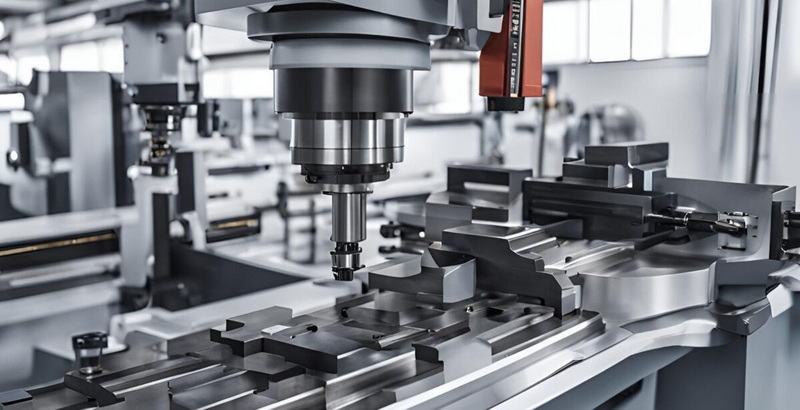
Swiss-type CNC machining, sometimes called a sliding headstock lathe process, originated in Switzerland's precision watchmaking industry. Over decades, the technology evolved into one of the world's most advanced methods for producing small, complex, and high-precision components.
Unlike traditional lathes where the part remains stationary while tools move across it, a Swiss-type CNC machine holds the bar stock through a guide bushing, allowing both the tool and workpiece to move simultaneously. This minimizes vibration, reduces deflection, and allows extremely tight tolerances—often below ±0.002 mm.
Industries rely on this precision for producing critical parts such as:
- Medical and dental implants
- Aerospace fasteners and sensor housings
- Automotive injectors and micro bushings
- Electronic connectors and pins
- Watch shafts and micro-mechanical parts
In today's competitive market, companies that master Swiss-type machining achieve faster production cycles, higher accuracy, and longer tool life, making them leaders in modern industrial manufacturing.
France represents one of Europe's top precision manufacturing bases, hosting numerous Swiss-type CNC machining manufacturers and suppliers. Its strong industrial foundation extends from high-tech machining clusters in Haute-Savoie and Lyon to specialized subcontractors serving global markets.
Several factors make France a preferred destination for high-quality precision machining:
1. Advanced automation – Integration of robotic arms and automated bar feeders ensures high production efficiency.
2. Multi-axis machining capabilities – Most French workshops operate 7–12 axis lathes, enabling simultaneous operations for complex geometries.
3. Strict certification frameworks – ISO 9001, EN 9100, and ISO 13485 are standard for quality management across aerospace, medical, and automotive industries.
4. Sustainability efforts – Many suppliers invest in eco-friendly machining techniques and biodegradable cutting lubricants.
5. Strong R&D culture – Collaboration between universities and private companies accelerates innovation in materials and machining processes.
This commitment to precision and sustainability positions French manufacturers as trusted partners for international OEMs and high-performance product designers.
Here are several reliable and technologically outstanding French companies leading the market in Swiss-type CNC expertise.
Based in Haute-Savoie, Décolletage de Précision S.A.S has specialized in Swiss-type CNC machining for decades. It serves the automotive and electrical industries, producing components requiring extremely tight tolerances. The company operates automated Citizen and Tornos sliding head machines capable of both prototype and mass production. Their quality management system ensures 100% traceability and consistent outputs across all production runs.
Technic-Précision is recognized for its micro-machining excellence in medical and aerospace components. Using state-of-the-art Swiss-type lathes, it produces titanium bone screws, precision fasteners, and high-performance connectors. The firm also integrates CAD/CAM simulation and SPC (Statistical Process Control) systems to guarantee process stability throughout production.
Headquartered in Lyon, Mecaprec Industry offers complete OEM and ODM Swiss-type CNC machining services. They support both small and high-volume orders for stainless steel, brass, aluminum, and titanium components. Their in-house engineering team refines product designs to improve manufacturability (DFM) and reduce cost per part without compromising accuracy.
EuroDécolletage Group is a powerhouse in the precision machining sector, providing CNC Swiss machining for aerospace, defense, and energy markets. The company's robotic Swiss-type CNC machining cells integrate in-line sensors for automated in-process inspections, greatly improving efficiency and precision consistency. It also provides value-added services such as surface finishing and sub-assembly processes.
Precitech Microturn is well-known across Europe for its micro-component precision machining. The firm's ultra-modern production floor includes nine-axis Swiss lathes, optical inspection systems, and temperature-controlled manufacturing environments. Their cleanroom facilities make the company one of France's leading suppliers for medical instruments and implant-grade parts.
MicroDécoTech stands out among new-generation French Swiss-type CNC machining manufacturers and suppliers. Its focus on digitalization allows real-time production monitoring, predictive maintenance, and instant quality feedback. In addition to component production, the company supports clients during design feasibility studies and prototype optimization, bridging the gap between concept and mass manufacturing.
The hallmark of French Swiss-type CNC machining manufacturers and suppliers lies in their combination of precision equipment and advanced quality systems.
Key technical features include:
- Machining with 12-axis Swiss lathes for simultaneous front and back working.
- Sub-spindle synchronization for faster cycle times.
- Hydraulic and pneumatic component experience for engineering applications.
- CMM (Coordinate Measuring Machine) inspection using Zeiss or Mitutoyo instruments.
- Post-processing capabilities including heat treatment, anodizing, and surface finishing.
These manufacturers align process excellence with digital control systems, ensuring every part meets both dimensional and aesthetic standards requested by clients worldwide.
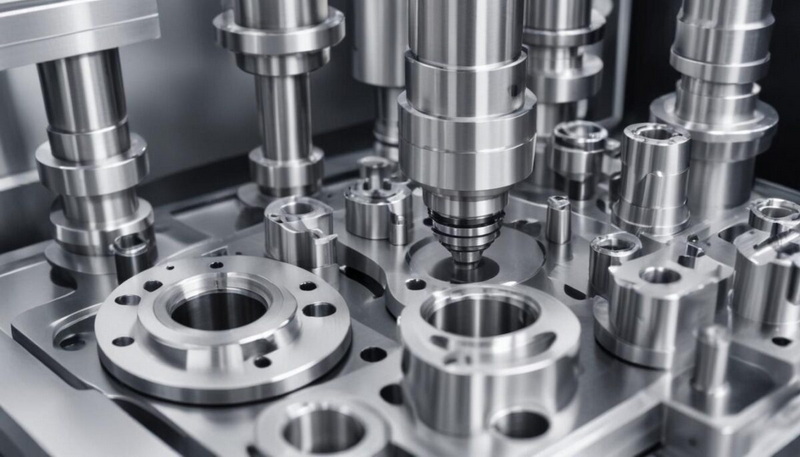
The diversity of applications demonstrates the flexibility of French precision machining firms. Key industries include:
1. Medical Devices: Orthopedic screws, dental implants, surgical drills, and instrumentation handles requiring bio-compatible metals.
2. Aerospace: Fuel injectors, control valve components, turbine seats, and sensor housings with aerospace-grade certification.
3. Automotive: Precision bushings, injector nozzles, and connector pins for electric and hybrid vehicles.
4. Electronics: Micro-switch parts, miniature terminals, and custom sensor connectors.
5. Optics and Defense: High-stability mounts and laser alignment components for military and research applications.
Each sector pushes machining technology forward, influencing modern approaches such as modular tooling and high-speed turning.
Collaborating with Swiss-type CNC machining manufacturers and suppliers in France requires structured communication and transparency throughout the project lifecycle. Buyers should:
1. Provide detailed engineering drawings including tolerances, materials, and surface finish requirements.
2. Request samples or prototypes to assess standard precision and cosmetic quality.
3. Evaluate supplier certifications and quality history, especially for regulated sectors.
4. Negotiate lead times and trial runs before full-scale production.
5. Establish continuous quality monitoring through digital reporting or video inspection feedback.
Long-term partnerships are often based on technical collaboration, design refinement, and mutual trust rather than purely on price competition.
While France represents top-tier precision and regulatory excellence, many global manufacturers balance cost and flexibility by cooperating with Chinese OEM Swiss-type CNC machining manufacturers. These Chinese suppliers utilize the same Swiss-made machines while offering more competitive pricing structures.
Advantages include:
- Large-scale production capacity for both mass and custom orders.
- Full certification and quality documentation aligned with EU and U.S. standards.
- Material diversity, from stainless steels to exotic alloys and plastics.
- Faster prototyping turnaround and strong engineering support.
- Cost savings of 20–40% compared to Western machining firms.
By integrating French quality auditing with Chinese productivity, international buyers achieve optimal supply resilience and cost competitiveness.
Choosing the best machining partner involves considering multiple performance metrics:
- Manufacturing flexibility: The range of material and tolerance capabilities.
- Design collaboration: Willingness to collaborate during the development phase.
- Capacity planning: Ability to meet expected demand within the project timeframe.
- Technical transparency: Availability of process data and QA reporting.
- International experience: Familiarity with customs, logistics, and product documentation.
A top-tier Swiss-type CNC machining supplier not only meets specifications but becomes a strategic contributor to product reliability and overall business success.
The next decade will redefine the Swiss-type CNC machining landscape globally, and France is already leading this transformation. The adoption of Industry 4.0 tools—such as machine learning, IoT sensors, and smart data analytics—is enhancing real-time production control and predictive maintenance.
In parallel, sustainability emerges as a crucial theme. French manufacturers are implementing bio-lubricants, closed-loop coolant systems, and renewable energy sources. These initiatives reduce waste while promoting long-term operational efficiency. In the coming years, global buyers will likely prioritize suppliers that can deliver both precision performance and environmental responsibility.
France continues to be one of the strongest players in the Swiss-type CNC machining world. Its manufacturers combine technical craftsmanship, advanced automation, and strict compliance with international standards, serving industries that demand extreme precision. From producing miniature medical devices to precision automotive parts, French Swiss-type CNC machining manufacturers and suppliers represent the perfect blend of technology and tradition.
At the same time, forward-thinking businesses increasingly integrate the strengths of both French and Chinese OEM partners. This dual approach allows companies to achieve top-tier precision at optimal global cost structures. Whether for high-end prototypes or mass production, collaborating with professional CNC machining specialists—supported by continuous innovation—remains the key to sustained success in the global manufacturing ecosystem.
Contact us to get more information!
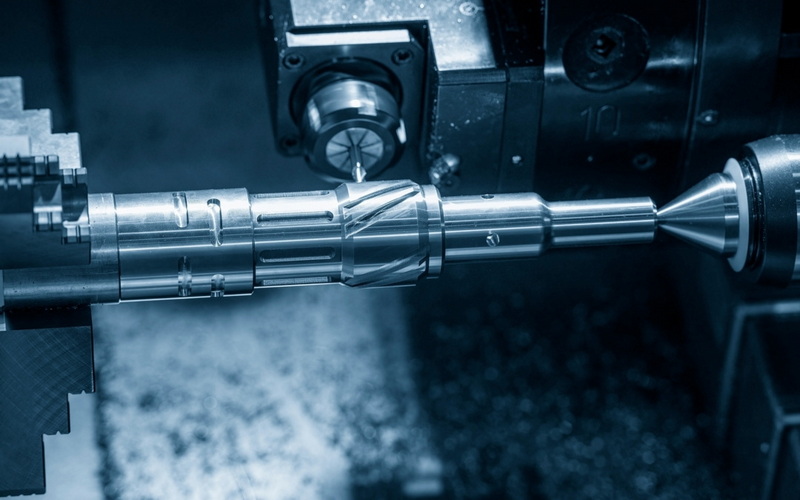
A1: Swiss-type machining supports both part and tool movement, allowing exceptional precision for long, slender components. The process minimizes vibration and achieves micron-level accuracy.
A2: Aerospace, medical, automotive, and electronics sectors rely heavily on French manufacturers for small, complex, and high-tolerance components.
A3: Yes. France leads Europe in precision engineering and automation, offering exceptional quality and reliability. However, production costs can be higher than in Asian markets.
A4: Ensure suppliers provide material certificates, dimensional reports, and real-time SPC inspection data. Partner with companies certified to ISO or AS standards.
A5: Absolutely. Many French Swiss-type CNC machining suppliers are experienced in developing OEM and ODM projects for brand owners and industrial clients, offering full support from design to assembly.
1. https://www.mecaprec.fr
2. https://www.technic-precision.fr
3. https://www.eurodecolletage.com
4. https://www.precitech.fr
5. https://www.microdecotech.fr


