From idea to market-ready product, our NPI solutions make every stage easier, faster. Discover How We Help

Views: 222 Author: Tomorrow Publish Time: 2025-12-11 Origin: Site
Content Menu
● Understanding the Essence of 3D Printing Services
● 1: Identify Your Niche and Target Audience
● 2: Select the Right Platform for Posting Services
● 3: Write a Clear, Compelling Service Description
● 5: Develop a Strategic Pricing Plan
● 6: Optimize for Search Engines (SEO)
● 7: Prepare Your Technical Setup
● 8: Offer Excellent Customer Communication
● 9: Streamline Order Management and Delivery
>> Tips for Efficient Processing:
● 10: Gather Feedback and Encourage Reviews
● 11: Promote Your 3D Printing Services
● 12: Stay Updated with Industry Trends
● FAQ
>> 1. What equipment do I need to start a 3D printing service?
>> 2. How should I handle large or complex orders?
>> 3. Can I post services without owning a printer?
>> 4. How do I compete with low-cost providers?
>> 5. What legal considerations should I remember?
The 3D printing industry has evolved from a niche engineering tool into a mainstream method of manufacturing, prototyping, and creative expression. As this technology becomes increasingly accessible, entrepreneurs, designers, and makers are seeking ways to showcase and monetize their expertise online. Whether you're an individual artist printing figurines or a small business producing mechanical parts, knowing how to post your 3D printing services effectively can set you apart in a crowded market.
This article offers a complete guide on how to post, promote, and manage your 3D printing services professionally. You'll learn about identifying your niche, building an online presence, optimizing content for search engines, managing operations, and fostering trust through consistent quality and communication.
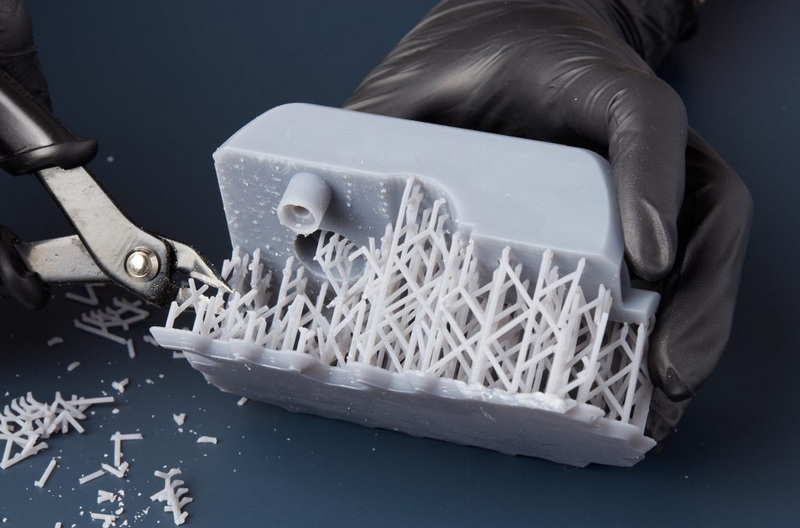
Before you start posting, it's crucial to understand what clients expect from 3D printing services. Your service goes beyond simply pressing “print.” It covers consultation, design optimization, material selection, post-processing, packaging, and delivery.
Most clients approach service providers because they lack access to equipment, materials, or technical knowledge. As a provider, you bridge this gap by offering both the technology and the expertise needed to bring digital designs into physical form.
Successful services often include:
- Design Assistance: Helping clients refine models for printability.
- Printing Expertise: Selecting the best materials, printers, and settings for each job.
- Quality Control: Ensuring outputs meet precision and durability standards.
- Finishing Touches: Sanding, painting, or assembling multi-part prints.
- Customer Consultation: Communicating effectively about requirements and limitations.
Recognizing the full scope of your responsibilities helps you present yourself as a professional and trustworthy service provider, not just a technician.
The 3D printing market is vast, covering various categories—medical devices, educational tools, consumer goods, architecture, automotive components, and even culinary designs. Rather than trying to serve everyone, focus your efforts on a particular niche.
For example:
- Architectural models: Offer high-detail scaled concepts for building firms.
- Miniatures and collectibles: Supply tabletop gamers, artists, and hobbyists with customized figurines.
- Industrial prototypes: Target engineers and startups needing functional test parts.
- Jewelry and fashion: Print fine designs in resin or metal-infused filaments.
Defining your niche yields multiple advantages:
1. You understand specific customer pain points.
2. You can tailor keywords and marketing messages precisely.
3. You can price more competitively while maintaining perceived value.
Identifying your target audience early ensures your efforts connect with those most likely to convert.
Choosing the correct platform determines how easily potential clients find you. Different platforms cater to different audiences.
- Hubs.com (formerly 3D Hubs): Great for technical and industrial clients needing precise parts.
- Shapeways: Supports designers and small entrepreneurs who prefer an all-in-one production and fulfillment solution.
- Etsy: Perfect for makers selling artistic, decorative, or personalized prints.
- Fiverr and Upwork: Allow freelancers to blend service offerings with 3D design, modeling, or rendering.
- Your Website or Online Store: Gives you full control over branding, pricing, and SEO.
When you post, read the platform's policies carefully—some manage payments and shipping, while others leave these to you. Be sure to complete all required fields (title, service description, price, turnaround time, etc.) accurately to appear professional and trustworthy.
A strong listing tells clients exactly what they're getting and why they should choose you. Clarity reduces misunderstandings, builds confidence, and attracts serious inquiries.
- What you offer: Instead of generic claims, specify your service type—e.g., “High-resolution resin printing for jewelry prototypes.”
- Technical details: Mention print bed dimensions, supported file formats (STL, OBJ, STEP), materials (PLA, ABS, resin, nylon), and printer models.
- Quality and finish: State layer resolution, polishing options, or color choices.
- Turnaround time: Give an accurate estimate to manage expectations.
- Pricing transparency: List base prices, additional costs for large models or post-processing, and available discounts.
Your tone should be confident but approachable. Use action-oriented phrases, such as “Upload your model today for a free consultation” or “Custom parts delivered within 72 hours.”
In visual industries like 3D printing, potential clients base trust largely on visual proof of skill. A well-presented portfolio conveys professionalism, creativity, and technical ability.
Add examples of:
- Different materials (e.g., flexible TPU, carbon-fiber reinforced PLA).
- Multiple application types (mechanical, artistic, decorative).
- Before-and-after images (digital render vs. final print).
- Verified customer feedback or public testimonials.
Even without inline images, include links to a website gallery or professional social media pages—platforms like Instagram, Behance, or LinkedIn work particularly well for showing consistent quality.
Pricing your 3D printing services fairly can be challenging given variations in materials and machine costs. A structured pricing system helps avoid confusion and ensures stability.
You can base your calculation on:
1. Material cost: Price by weight or volume, including waste factors.
2. Machine time: Charge per printing hour, factoring in maintenance.
3. Complexity and labor: Charge more for intricate or time-intensive designs.
4. Post-processing: Add costs for sanding, priming, or painting.
5. Packaging and shipping: Ensure the final product arrives safely without damage.
Set minimum order values to protect your time investment, and clearly communicate all pricing details in your service listing. Transparent pricing increases credibility and reduces disputes.
SEO helps your service appear prominently when clients search for 3D printing solutions. Even on specialized marketplaces, relevant keywords improve discoverability.
- Include focus phrases like “custom 3D printing services,” “rapid prototyping,” or “resin printing for prototypes.”
- Add modifiers like location (e.g., “3D printing services in Dallas”) to attract local clients.
- Write concise meta descriptions summarizing your offers.
- Regularly update listings with new materials or printer capabilities to maintain freshness.
Good SEO is not just about ranking—it signals professionalism and helps clients quickly understand your unique value proposition.
Ensure your equipment operates reliably before accepting orders. Downtime or poor calibration leads to delays and negative feedback.
Maintain readiness by:
- Cleaning print beds and extruders regularly.
- Testing nozzle health to ensure even filament flow.
- Updating slicing software (e.g., Cura, PrusaSlicer) and firmware.
- Checking material stock levels before confirming large batches.
If you offer multiple materials or printing techniques (FDM, SLA, SLS), list them clearly to help customers choose according to performance needs.
Effective communication distinguishes your service from automation-based competitors. Prompt, polite, and precise replies increase client satisfaction and likelihood of referrals.
Steps to improve customer relations:
- Provide detailed response templates for inquiries.
- Offer design evaluations before printing.
- Set realistic delivery schedules and update clients on progress.
- Handle revisions professionally and quickly.
Consider integrating communication tools like WhatsApp Business or Trello to organize client projects efficiently. A structured workflow demonstrates reliability and helps avoid missed deadlines.
Strong order management practices ensure consistent operations even as your client base expands. Tools like Google Workspace, Airtable, or dedicated print management software can assist in scheduling and tracking.
- Categorize projects by status: pending, printing, finishing, shipped.
- Maintain records of materials used and time spent for accurate costing.
- Offer shipping options with tracking numbers.
- Implement return or reprint policies for quality assurance.
Proper logistics encourage repeat customers—consistency and professionalism make your service memorable.
Feedback acts as both a learning tool and a marketing asset. After delivery, request brief reviews through email or platform messages.
Encourage clients to mention specific positives, like:
- Quality of finish.
- Speed of communication.
- Accuracy of the printed product.
Respond courteously to both positive and critical reviews. Use constructive criticism to refine your workflow, pricing, or support services. Over time, a strong review profile enhances credibility more effectively than paid promotions.
In addition to posting services on marketplaces, actively promote them across various digital channels.
- Social Media Marketing: Share project photos and behind-the-scenes content.
- Online Communities: Participate in forums like Reddit's r/3Dprinting or specialized Facebook groups.
- Content Marketing: Write informative blog posts about design optimization or material comparison.
- Email Campaigns: Send regular updates and offers to previous customers.
- Local Partnerships: Collaborate with schools, startups, or makerspaces to expand your client base.
Consistent promotion ensures continuous visibility and brand recognition.
3D printing technology is rapidly evolving. New materials, file handling techniques, and printer innovations continually emerge. Staying updated positions you as an expert rather than just a service provider.
Follow reliable resources such as:
- Industry websites like 3D Printing Industry or All3DP.
- Webinars and conferences focusing on additive manufacturing.
- Software updates and printer manufacturer blogs.
- Professional certification courses to refine technical expertise.
Understanding ongoing trends helps you adapt quickly and offer cutting-edge solutions before competitors do.
Posting 3D printing services effectively requires equal parts technical skill, business strategy, and customer understanding. From identifying your target niche to maintaining consistent communication and technical reliability, each decision contributes to long-term success. By focusing on transparency, continuous learning, and polished presentation, you transform your 3D printing capability into a thriving professional service. As the digital manufacturing landscape grows, positioning yourself strategically will ensure sustained growth and trusted partnerships.

You need at least one reliable printer suited to your target materials, maintenance tools, slicing software, and finishing supplies. For professional operations, multiple printers offering different technologies (like FDM and SLA) provide flexibility.
Split large models into components using CAD software and reassemble after printing. Use reinforced joints or adhesive techniques for stability. Always confirm print feasibility with clients before production begins.
Yes. You can act as an intermediary by outsourcing prints to local printing hubs while focusing on design and customer management. Many businesses operate successfully with this model.
Emphasize quality, reliability, and customer service over price alone. Clients seeking consistent, finely detailed work often value dependability and expertise more than low cost.
Avoid printing items protected by patents, copyrights, or safety restrictions. Always include clear disclaimers in your listings about intellectual property compliance.


