From idea to market-ready product, our NPI solutions make every stage easier, faster. Discover How We Help

Views: 222 Author: Tomorrow Publish Time: 2025-12-15 Origin: Site


Content Menu
● The Potential Hazards in CNC Machining
>> 1. Physical Injuries from Moving Parts
>> 2. Flying Chips and High-Speed Debris
>> 3. Electrical and Mechanical Failures
>> 4. Coolant and Chemical Exposure
>> 5. Ergonomic and Fatigue-Related Risks
● Safety Measures for CNC Machining
>> 1. Comprehensive Operator Training
>> 2. Machine Guarding and Interlock Systems
>> 3. Personal Protective Equipment (PPE)
>> 5. Housekeeping and Workspace Design
● The Role of Automation and New Technology
● Building a Culture of Safety
● Legal Standards and Regulatory Compliance
● Environmental and Sustainability Considerations
● FAQ
>> 1. What are the most common CNC machining injuries?
>> 2. Is CNC machining safer than manual machining?
>> 3. How can I make my CNC workshop safer?
>> 4. What should I do in case of a CNC emergency?
>> 5. Are CNC machines environmentally hazardous?
Computer Numerical Control (CNC) machining stands at the heart of modern manufacturing. It combines precision, efficiency, and repeatability—transforming raw materials into meticulously crafted components used in nearly every industrial sector. From aerospace and automotive to electronics and medical equipment, CNC machining powers global production.
However, behind its precision lies immense power. CNC machines operate with high-speed cutting tools, voltages, and forces that, while controlled by programming, can cause serious harm if mismanaged. So, is CNC machining dangerous? The truthful answer is it can be, but the level of danger largely depends on training, equipment condition, system design, and workplace discipline.
This article provides a comprehensive examination of CNC machining hazards, safety practices, technological safeguards, and operational standards. It aims to help workers, managers, and engineers understand how to balance productivity with safety in modern machining environments.
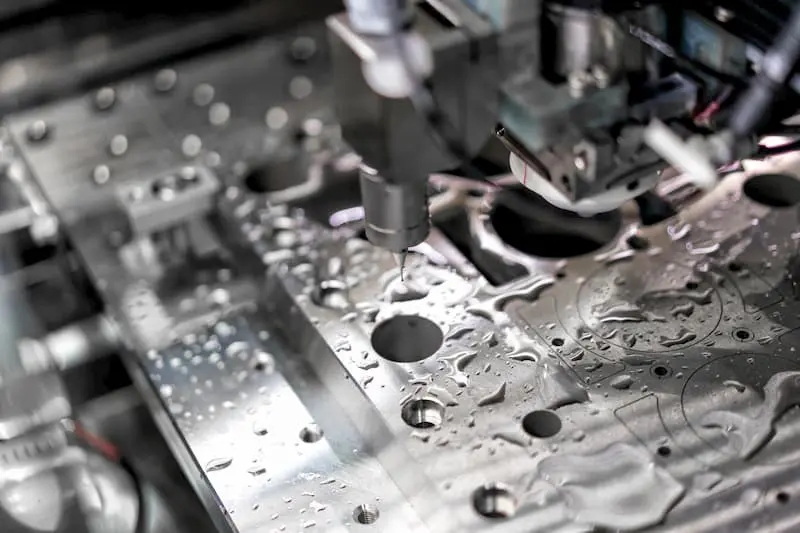
CNC machining refers to the automated control of machine tools through computer-based instructions. The machine reads coded data—often from G-code—and executes commands with extreme accuracy. It can cut, mill, turn, drill, or grind materials into precise shapes.
A major advantage of CNC systems is repeatability. Once a program is tested and verified, it can produce identical parts consistently. Automation reduces human physical interaction with dangerous tools, but that doesn't eliminate all risks. Setup, inspection, programming errors, and maintenance still expose operators to potential hazards.
The complexity of these machines also means that safety depends not just on the operator's vigilance but also on programming integrity, mechanical design, and system calibration. A minor software error or mechanical fault can create dangerous, unintended movements in seconds.
While technological sophistication enhances safety, hazards persist. Understanding these risks helps workers prepare and respond effectively.
CNC machines operate at high rotational speeds, often exceeding tens of thousands of revolutions per minute. If a workpiece is not clamped correctly, it can dislodge and fly across the workspace with lethal force.
Operators can suffer from cuts, fractures, or amputations if any part of the body comes into contact with rotating tools or moving components. Even a momentary lapse in attention, such as reaching into a running machine to clear chips, can result in catastrophic injury. For this reason, safety guards, interlocking doors, and automatic stops are mandatory features in most CNC setups.
CNC machining generates fine chips, sparks, and shards that can cause eye or skin injuries. Aluminum and brass chips can become razor-sharp, while steel chips may remain hot and embed into surfaces or clothing. Without proper PPE, operators risk corneal injuries, bruises, or burns.
Chip deflectors and fully enclosed machines are designed to contain debris, but even small leaks can be dangerous, especially when cutting at high speeds.
CNC systems combine high-power electrical and mechanical subsystems. Overloaded circuits, damaged insulation, or improper grounding may cause electric shocks or fires. Mechanical breakdowns, such as spindle imbalance or tool-holder failure, can result in sudden bursts of force.
Worn-out bearings or improperly lubricated axes create irregular vibrations, potentially leading to machine crashes. Such incidents not only damage expensive machinery but also endanger operators nearby.
Coolants and lubricants extend tool life and improve surface finish, but they also introduce health concerns. Long-term exposure to mist can irritate the respiratory tract, while skin contact may lead to rashes or allergies. Poorly maintained coolants may harbor bacteria and release unpleasant or toxic fumes.
Using closed coolant circulation systems, regular filtration, and protective gloves helps minimize these risks.
Despite automation, operators still perform repetitive tasks—such as loading materials or checking dimensions. Standing for long periods, bending to access machine interiors, or handling heavy parts can cause back strain and fatigue. Over time, this can lead to musculoskeletal disorders.
Additionally, prolonged visual concentration on digital displays and noise exposure can contribute to eye strain, stress, and mental exhaustion—each of which increases the probability of mistakes.
Safe CNC operation is a multi-layered effort that involves design improvements, preventive maintenance, training, and strict procedural compliance.
Before touching any control panel, every operator must undergo training on:
- Machine setup and startup procedures.
- Emergency stop and lockout/tagout methods.
- Basic programming awareness.
- Hazard recognition.
Hands-on instruction paired with theoretical knowledge builds situational awareness. Periodic retraining ensures workers stay updated with evolving standards and safety innovations.
Every CNC machine should include interlocked safety doors, ensuring that the spindle stops automatically when the door is opened. Transparent polycarbonate shields allow operators to view processes without exposure to chips or coolant spray.
Removing or disabling guards is never acceptable—it creates unsafe conditions and violates legal compliance standards such as OSHA 1910.212 in the United States.
PPE creates a personal barrier between operators and hazards. The standard set includes:
- Safety glasses or face shields for eye protection.
- Cut-resistant gloves during material handling (not during active cutting).
- Hearing protection for high-decibel environments.
- Steel-toe boots with anti-slip soles.
- Flame-resistant clothing for spark-prone tasks.
Wearing PPE consistently is as important as selecting the right type.
A well-maintained machine is a safe machine. Regular tasks include:
- Checking spindle balance and lubrication systems.
- Verifying tool wear and fixture alignment.
- Inspecting cables and wiring for signs of overheating.
Maintenance logs and automated monitoring systems help predict failures before they occur, reducing downtime and preventing accidents.
Clean environments reduce hazards. Slippery floors from spilled coolant or scattered metal chips can cause falls. Adequate lighting improves visibility, while organized tool storage prevents accidental injuries.
Workspaces should also have clear emergency exits, fire extinguishers, and first aid kits readily accessible.
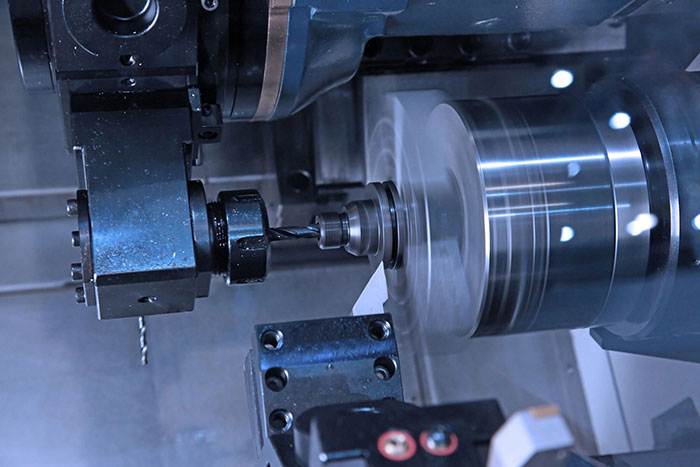
Modern CNC machines are increasingly equipped with sensors and artificial intelligence to detect anomalies. These “smart” systems can:
- Measure vibration and temperature in real-time.
- Detect tool wear or imbalance.
- Automatically stop machines during overload conditions.
Machine learning algorithms analyze operation data to predict maintenance needs before a problem occurs.
Meanwhile, robotic arms are increasingly paired with CNC systems for loading and unloading workpieces. By reducing human proximity to moving spindles, they dramatically cut down injury risk.
Augmented Reality (AR) and Virtual Reality (VR) are being used for virtual training environments, allowing trainees to simulate machine operations safely before interacting with real machines.
Safety programs succeed only when embraced at every organizational level. Management must lead by example, encouraging employees to identify hazards and report unsafe behavior.
Weekly safety briefings, bulletin updates, and incentive programs encourage awareness. Workers should feel confident that reporting hazards will lead to corrective action, not punishment.
Furthermore, incorporating safety metrics into key performance indicators (KPIs) reinforces its value alongside productivity. A culture of accountability ensures everyone understands: safety is not optional—it's operational excellence.
In most countries, machining environments are governed by occupational safety authorities. In the U.S., OSHA regulations address machine guarding, electrical standards, and PPE usage. The ISO 23125 and ISO 16090 standards establish international guidelines for metal-cutting machine safety.
Employers are responsible for compliance, worker training, and hazard communication. Failure to meet standards can result in citations or legal action—and, more importantly, put workers' lives at risk.
Risk assessments should be performed whenever a new machine, process, or material is introduced. These assessments identify possible exposure points and guide the implementation of specific safeguards.
Beyond operator safety, CNC machining also has environmental implications. Improper waste disposal of coolants or chips can harm ecosystems. Forward-thinking manufacturers now adopt sustainable machining practices, such as:
- Recycling metal chips and reusing coolants.
- Using biodegradable cutting fluids.
- Reducing energy consumption through smart scheduling.
These efforts protect both workers and the planet, aligning safety with sustainability.
No matter how safe the operation, accidents can still occur. Facilities must be equipped with emergency protocols covering:
- Electrical or coolant fires.
- Machine entrapment or mechanical failure.
- Chemical spills.
- Power outages.
Quick-response plans, combined with periodic drills, prepare employees to act decisively. Each CNC station should include an emergency stop button clearly visible and easily reachable.
The future of CNC safety lies in integration—combining automation, predictive analytics, and human-centered design. Smart sensors will continue to evolve, creating closed-loop safety systems capable of detecting problems before they escalate.
Additionally, digital twins—virtual replicas of machines—allow engineers to simulate real-world operations and identify potential hazard zones before physical deployment. These advancements promise not only higher productivity but also unprecedented safety levels.
CNC machining, while inherently powerful and complex, does not have to be dangerous. The key lies in knowledge, discipline, and prevention. Through thorough training, diligent maintenance, protective equipment, and cutting-edge technology, workplaces can eliminate the majority of risks.
Safety should never be reactive. It must be engineered into the process, reinforced through continuous education, and supported by company culture. With the right mindset and infrastructure, CNC machining remains one of the safest, most efficient methods of modern production.
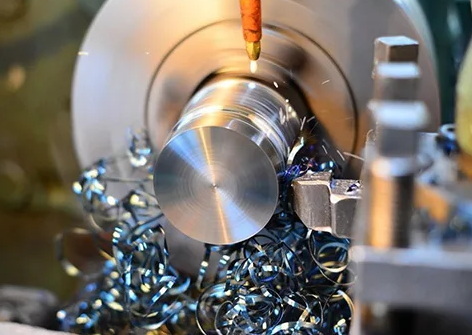
Typical injuries include lacerations, burns, eye damage from chips, and strains from manual handling. Severe cases involve entanglement or electrocution, usually due to negligence or bypassing safety features.
Yes. CNC machining significantly reduces direct contact between workers and tools. Manual machining requires constant hands-on control, while CNC systems automate dangerous movements. However, setup errors or poor maintenance can still cause accidents.
Provide comprehensive training, install interlocked guards, maintain clean floors, and inspect machines regularly. Use high-quality PPE and implement a lockout/tagout policy during servicing.
Immediately press the emergency stop, clear the area, and follow company emergency protocols. Report incidents promptly for investigation to prevent similar occurrences.
They can be if coolants or metal waste are mishandled. Responsible coolant recycling, chip collection, and ventilation systems greatly reduce environmental harm.


