From idea to market-ready product, our NPI solutions make every stage easier, faster. Discover How We Help

Views: 222 Author: Tomorrow Publish Time: 2025-12-11 Origin: Site


Content Menu
● Building a Strong Brand Identity
● Developing an Effective Website
>> Essential website features:
● Mastering SEO and Content Marketing
● Harnessing Social Media for Brand Growth
>> Successful email campaigns:
● Leveraging Content Demonstrations and Case Studies
● Offering Exceptional Customer Experience
>> Focus areas:
● Using Paid Advertising for Fast Results
● Using Customer Reviews and User-Generated Content
● Analyzing Metrics and Adapting Strategies
● Sustainable and Ethical Marketing in 3D Printing
● Incorporating Educational Marketing
● FAQ
>> 1. What makes 3D printing services appealing to different industries?
>> 2. How often should I update my website content?
>> 3. Can a small 3D printing business compete with large companies?
>> 4. What social media platform works best for 3D printing marketing?
>> 5. How do I measure the success of my marketing campaigns?
The 3D printing industry has evolved from a niche field into a transformative global technology. Once limited to prototyping and hobbyist projects, today it plays a vital role across industries such as healthcare, aerospace, fashion, and education. With more businesses investing in additive manufacturing, it is no longer enough to simply offer high-quality prints—you must understand how to effectively market your 3D printing service to stand out in this competitive environment.
This guide explores proven strategies for promoting your 3D printing business, from branding and content marketing to partnerships, customer service, and analytics. Whether you are a startup or a growing service provider, these methods will help you build visibility, credibility, and consistent client growth.
Before launching a marketing campaign, take time to understand who your target customers are. The 3D printing market includes a wide range of clients—engineers, designers, entrepreneurs, educators, and even artists. Each group values different aspects of the service.
Research your market by:
- Analyzing which industries frequently use 3D printing, such as medical device manufacturing, product design, or automotive parts.
- Identifying the most requested materials, like PLA, ABS, nylon, or resin.
- Understanding whether clients prioritize speed, price, or quality.
- Evaluating local demand versus online global demand.
By mapping these factors, you can tailor your services and marketing messages more effectively. For instance, a company serving architects might focus on precision and detail, while one targeting educational institutions might emphasize affordability and accessibility.
Brand identity defines how clients perceive and remember your service. A strong brand communicates professionalism, innovation, and trust.
To develop it successfully:
- Define your value proposition. What makes your service unique? It could be faster turnaround, sustainable printing materials, or design assistance.
- Design visual consistency. Use a cohesive color scheme, logo, and typography across all communication channels.
- Craft a clear brand voice. Choose a tone that matches your audience—technical and precise for industrial clients, or friendly and educational for creative industries.
- Show social proof. Display testimonials and completed projects from satisfied clients to build credibility.
Clients prefer working with brands that not only deliver quality but also represent reliability and expertise in their field.
Your website functions as both a portfolio and a sales tool. It must convey your capabilities clearly while being easy to navigate. A well-structured website reflects professionalism and improves customer confidence.
1. Service Overview: Present your capabilities—FDM, SLA, SLS, or DLP printing—with detailed explanations.
2. Instant Quotation System: Allow customers to upload 3D models (STL, OBJ, STEP files) for instant price estimates.
3. Project Gallery: Showcase high-resolution photos of past projects with industry-specific descriptions.
4. Educational Blog Section: Provide tutorials on model preparation, material selection, or post-processing.
5. Contact Integration: Simplify inquiries with chat support, booking forms, and direct contact details.
Optimizing page speed, implementing mobile responsiveness, and using search-friendly URLs contribute to better visibility and user experience.
Search engine optimization (SEO) helps potential clients discover your 3D printing service organically through Google and other search engines. Combining SEO with strong content marketing builds authority and consistent traffic over time.
You can improve SEO performance by:
- Researching industry-specific keywords like “custom 3D printing solutions” or “rapid prototyping near me.”
- Incorporating long-tail keywords naturally throughout your content.
- Writing in-depth blog posts that answer common client questions.
- Creating downloadable content, like eBooks or material comparison charts, to attract email subscribers.
- Updating older content and monitoring keyword performance regularly.
Valuable educational content—such as tutorials, case studies, and trend analyses—positions your business as an expert source rather than just a service provider.
Social media platforms enhance your ability to connect with audiences visually and directly. 3D printing is inherently eye-catching, making visual platforms like Instagram, YouTube, and TikTok especially effective.
- Post behind-the-scenes videos showing the printing process.
- Share before-and-after transformation content to illustrate precision.
- Use LinkedIn to engage with B2B clients, especially engineers and industrial designers.
- Launch targeted Facebook or Instagram ads showcasing portfolio highlights.
- Host live sessions or Q&A streams to educate followers about 3D technology.
Participating in relevant online communities and using hashtags like #3DPrinting and #AdditiveManufacturing expands reach among enthusiasts and businesses alike.
An effective email marketing strategy keeps your brand top of mind for clients while nurturing new leads. Emails can promote new service offerings, share insights, or announce partner collaborations.
- Offer promotional discounts or referral bonuses.
- Send monthly newsletters featuring project highlights.
- Segment your list by customer type, such as businesses, individuals, or students.
- Include clear calls-to-action linking directly to service pages.
Over time, personalized and informative emails strengthen customer loyalty and encourage repeat orders.
In the technology sector, partnerships can be just as powerful as marketing. Collaborating with other professionals and organizations broadens your visibility and credibility.
Consider partnerships with:
- Design studios that need prototype manufacturing services.
- Engineering firms developing conceptual models.
- Schools and universities looking for educational resources.
- Small product startups seeking rapid prototyping or production runs.
By co-hosting events, co-branding materials, or offering B2B service packages, you can expand into markets that might otherwise take years to reach independently.

One of the most effective marketing methods for technical services is storytelling through real examples. Case studies not only demonstrate your expertise but also show measurable results for clients.
Include:
- The client challenge and project goal.
- The printing technology and materials selected.
- The step-by-step solution process.
- Quantifiable outcomes, like reduced production time or cost savings.
Publishing well-structured case studies on your website and LinkedIn reinforces your position as a problem-solving partner rather than just a printing vendor.
Customer service can make or break your marketing success. Beyond delivering prints, your interaction with clients determines trust and referrals.
- Maintain transparency about delivery schedules, materials, and costs.
- Provide design optimization advice to improve print results.
- Offer project updates through automation or personal communication.
- Conduct satisfaction surveys after projects to identify improvement areas.
Satisfied clients become loyal advocates and often bring referrals—an organic and powerful marketing channel.
Although organic growth builds a strong foundation, paid advertising can generate quicker visibility. With modern tools, you can target highly specific audiences.
- Google Ads: Bid for keywords like "3D printing service online."
- LinkedIn Advertising: Ideal for connecting with companies in engineering or manufacturing sectors.
- Facebook Ads: Perfect for B2C marketing, especially for creative or educational audiences.
- Remarketing Campaigns: Reconnect with users who visited your site but did not convert.
Regularly test ad creatives and landing pages to identify the highest-performing combinations. Continuous monitoring ensures you achieve the best cost-efficiency.
Encourage customers to leave honest reviews on Google, Trustpilot, or niche directories. Positive feedback builds trust with new inquiries. Additionally, user-generated content, such as clients sharing photos of final printed products, acts as authentic marketing material.
Offer small incentives, like discounts or loyalty points, to stimulate testimonial participation.
Marketing success depends on measuring performance and making data-driven improvements. Use analytics tools to track customer behavior, campaign success, and website engagement.
Monitor indicators such as:
- Monthly traffic growth and conversion rates.
- Engagement metrics across social media.
- Email open and click rates.
- Customer acquisition cost and retention rate.
Set clear goals, review them quarterly, and refine strategies accordingly. The most successful 3D printing companies evolve their marketing based on trends, customer feedback, and technological advancement.
As sustainability becomes a central global concern, emphasize eco-friendly practices in your marketing. 3D printing naturally reduces waste, but highlighting recyclable materials, energy-efficient printers, and green packaging further differentiates your brand.
Corporate responsibility attracts environmentally conscious consumers and strengthens your overall reputation.
Educational marketing is a subtle but powerful approach for complex technologies like 3D printing. Hosting webinars, online workshops, or short courses can attract curious learners and potential clients.
By offering free learning resources, such as “Beginner's Guide to 3D Printing,” you demonstrate expertise while generating leads for your paid services.
Marketing a 3D printing service requires more than technical expertise—it demands creativity, consistency, and a deep understanding of client needs. By combining strategic branding, SEO optimization, social media engagement, quality content, and excellent customer care, you can establish a strong foothold in the additive manufacturing industry.
The companies that succeed are those that continually adapt their marketing efforts, showcase real value through results, and maintain lasting client relationships. With the right blend of innovation and communication, your 3D printing service can thrive and become a recognized leader in this rapidly evolving field.
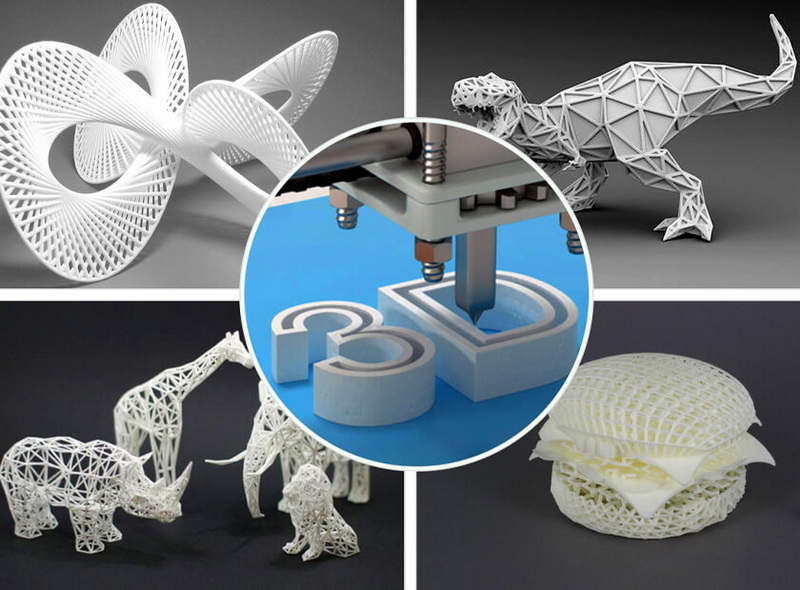
Each industry values something unique—manufacturers appreciate precision and cost efficiency, educators enjoy hands-on learning applications, and medical professionals rely on custom modeling capabilities.
Refresh your website every few months by adding new projects, updating pricing, and posting fresh blog articles to improve SEO and reflect business growth.
Yes. Focus on specialization, personalized service, quick turnaround times, and building strong client relationships to stand out from larger competitors.
Visual platforms like Instagram and YouTube are ideal for showcasing prints, while LinkedIn works best for business-to-business networking and industrial clients.
Track conversion rates, website traffic, cost-per-click, and repeat customers using analytics tools like Google Analytics or Meta Ads Manager to evaluate effectiveness over time.


