From idea to market-ready product, our NPI solutions make every stage easier, faster. Discover How We Help

Views: 222 Author: Tomorrow Publish Time: 2025-12-11 Origin: Site


Content Menu
● Understanding the 3D Printing Market
● Building a Strong Brand Identity
● Creating an Optimized and Informative Website
● Mastering Search Engine Optimization (SEO)
● Leveraging Social Media Marketing
● Running Paid Advertising Campaigns (PPC)
● Strategic Collaborations and Partnerships
● Email Marketing and Lead Nurturing
>> Steps to create an effective email strategy:
● Retargeting and Customer Retention
● Harnessing Data Analytics for Growth
● Building Credibility with Testimonials and Reviews
● Exploring Offline Advertising Opportunities
● FAQ
>> 1. What makes 3D printing advertising unique?
>> 2. Which social media platform yields the best results?
>> 3. How often should I update my marketing content?
>> 4. Do I need a large marketing budget to succeed?
>> 5. How can I measure advertising effectiveness?
3D printing, also known as additive manufacturing, has reshaped industries and empowered creators to design, test, and manufacture with unprecedented flexibility. From aerospace components to medical devices and design prototypes, businesses across the world are adopting 3D printing to accelerate innovation. However, offering outstanding 3D printing services is only half the battle—the other half is knowing how to advertise them effectively.
In a competitive market where new technologies appear daily, advertising your 3D printing services in the right way ensures visibility, credibility, and customer loyalty. This guide explores proven strategies to promote your business, attract your ideal audience, and secure long-term growth.

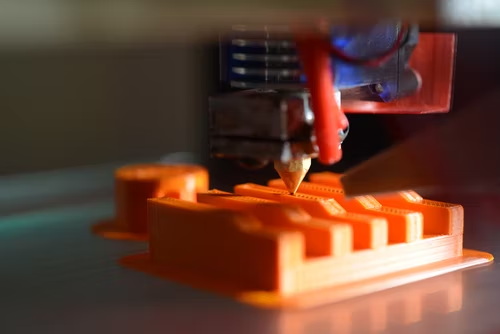
Before launching marketing campaigns, take time to understand the nuances of the 3D printing market. The industry encompasses a range of technologies—FDM, SLA, SLS, MJF, and others—and each technique appeals to a different group of clients. While some customers may seek affordable rapid prototyping, others may require high-precision production parts for specialized applications.
Research shows that demand for customized manufacturing is growing among startups, educational institutions, and research organizations. Positioning your brand as a problem solver rather than just a service provider can set you apart. For example, a startup developing a wearable device might value fast iteration and design consulting alongside the printing itself.
The more you know about your ideal customer—what sectors they operate in, their challenges, and their purchasing triggers—the more targeted and efficient your advertising can become.
A recognizable and trustworthy brand identity is your business's foundation. Since 3D printing conveys qualities of innovation and precision, your branding should visually and verbally reflect those attributes. Use modern design elements, clean typography, and a color palette that communicates professionalism and technological confidence.
Consistency across all marketing channels—your website, social media, printed materials, and even packaging—builds recognition. If your branding appears cohesive and contemporary, potential clients will associate those qualities with your technical capabilities.
Moreover, share your brand story. How did your business begin? What passion or challenge inspired it? Humanizing your brand story creates emotional connection and makes your messaging memorable. Companies that tell their story well often see higher engagement and customer trust.
Your website is both a marketing channel and a digital portfolio. It needs to position your business as an expert partner for anyone seeking 3D printing solutions.
A professional 3D printing website should include:
- An overview of services: List the printing technologies, materials, and finishing options you offer.
- Case studies and portfolio samples: Showcase how your services deliver measurable results.
- A pricing guide or quote system: Simplify inquiries through automated estimation tools.
- Client testimonials and reviews: Demonstrate trustworthiness through real experiences.
- Informative resources: Offer design guidelines, tolerances, and material comparisons.
Website usability is equally important. Optimize for fast loading, mobile-friendliness, and SEO structure. A smooth user experience communicates attention to detail—a trait critical in manufacturing industries.
SEO bridges the gap between your services and people searching for them. To advertise effectively online, your business must appear in the search results when users look for terms like “custom 3D printed parts” or “on-demand additive manufacturing.”
Implement both on-page and off-page SEO strategies:
- Optimize page titles, headers, and meta descriptions with relevant keywords.
- Publish regular blog posts about 3D printing tips, materials, or new technologies.
- Build backlinks by guest posting on engineering, design, or tech platforms.
- Use location-specific terms to capture local customers (e.g., “3D printing service in Chicago”).
SEO doesn't produce results overnight, but consistent optimization yields sustainable traffic and stronger brand reputation.
Social media transforms how clients discover and engage with businesses. For 3D printing, platforms such as LinkedIn, Instagram, and YouTube are especially powerful.
Each platform has its unique value:
- LinkedIn: Ideal for B2B networking. Post technical articles, case studies, and company milestones.
- Instagram: Show your creativity through reels or carousel posts featuring printed products.
- YouTube: Offer behind-the-scenes videos, time-lapse demonstrations, or tutorial content.
- Facebook: Build local communities and respond to inquiries in real time.
Social platforms emphasize visual storytelling. Sharing detailed photos of prototypes, production processes, and finished parts gives potential clients confidence in your precision and quality.
Engage actively with comments and messages. Answer questions, participate in design discussions, and provide educational value—these actions foster credibility and build a loyal follower base.
Content marketing is about teaching, inspiring, and informing rather than merely selling. A content-driven strategy builds thought leadership, a crucial factor in technology-driven sectors.
Create and promote valuable content types such as:
- How-to articles on CAD design principles or material selection.
- Case studies that describe specific client solutions and results.
- Whitepapers or eBooks explaining new additive manufacturing advancements.
- Webinars and live Q&A sessions to engage professional audiences.
- Email newsletters highlighting new trends or project achievements.
Publishing educational content also boosts SEO and keeps potential clients engaged with your brand over time. When they're ready to purchase, they'll naturally turn to the business that has already provided them valuable insights.
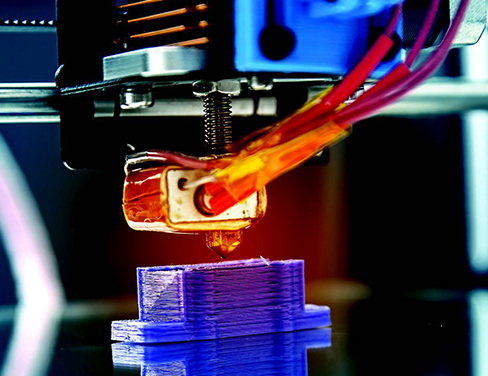
Paid advertising offers immediate visibility across search engines and social networks. Platforms like Google Ads or LinkedIn Ads allow you to target audiences based on search intent, industry, or job title.
Consider running campaigns that emphasize specific benefits:
- “Rapid 3D printing for prototype testing.”
- “Custom manufacturing for educational and industrial use.”
- “High-strength metal printing for engineering professionals.”
Create compelling landing pages for each ad campaign with direct calls to action like Get a Free Quote or Upload Your Design. Test different ad variations, track conversions, and analyze which keywords or visuals attract the most attention.
Paid ads, when executed with precise targeting and constant refinement, can be extremely cost-effective in generating warm leads.
Collaborating with complementary businesses multiplies your marketing potential. For instance, partnering with industrial designers, prototyping agencies, or material suppliers can lead to mutual referrals and client expansion.
You can also collaborate with educational institutions by sponsoring workshops or tech talks. These initiatives not only enhance your visibility but also position your company as an industry educator.
Participation in trade shows, maker fairs, and expos can further solidify your reputation. Bring physical demos to these events, distribute branded materials, and display samples that represent your capabilities. Nothing convinces prospects faster than seeing and touching a product themselves.
Email remains one of the highest-converting marketing tools. It offers a direct channel to your potential clients and keeps your brand visible throughout their decision-making process.
1. Build a segmented list. Group subscribers by profession, interest, or buying stage.
2. Provide educational value. Send design advice, printing guides, or exclusive resources.
3. Highlight promotions. Share limited discounts or early-bird offers for loyal subscribers.
4. Automate follow-ups. Use sequences that nurture leads from awareness to purchase.
Email analytics—like open rates and click-through rates—help you identify what messages resonate most, enabling content improvement over time.
Retargeting campaigns are essential for re-engaging lost leads. Many users visit your website but leave before purchasing. By using tracking pixels on Google or Meta platforms, you can show them reminder ads while they browse other sites. These gentle reminders often lead to higher conversion rates.
Retaining existing clients is also more cost-effective than attracting new ones. Consider loyalty programs, exclusive offers, or dedicated support channels to maintain ongoing relationships. Happy customers can become your best promoters through word-of-mouth marketing.
Data-driven decision-making separates good advertisers from great ones. Tracking metrics like acquisition cost, conversion rate, and average order value provides insight into what truly drives profitability.
Monitor results regularly with tools like Google Analytics, CRM dashboards, and ad platform insights. Identify the highest-performing campaigns, eliminate underperforming ones, and reinvest in what delivers measurable return. Transparency and continual adjustment ensure scalability and efficiency in your marketing ecosystem.
Customer feedback is your most persuasive advertising asset. Potential clients trust peers more than brands. Display testimonials, star ratings, or before-and-after project comparisons directly on your website and social channels.
If possible, record short video testimonials or success story interviews with satisfied clients. These authentic endorsements prove technical expertise and reliability more effectively than self-promotion ever could.
Encouraging customer reviews on Google Business or professional forums improves search visibility and establishes social proof, which plays a major role in purchase decisions.
While online promotion dominates, traditional channels can still play a meaningful role. 3D printing is tangible—letting clients see or touch real examples in person can be powerful.
Offline methods include:
- Exhibiting at industry conferences.
- Sponsoring local maker events or innovation challenges.
- Offering sample kits to design studios or engineering firms.
- Publishing thought pieces in manufacturing magazines or journals.
Combining digital and physical marketing often produces stronger brand recall, especially in sectors built on engineering precision and product quality.
Advertising 3D printing services is not simply about broadcasting capabilities—it's about communicating value, expertise, and reliability in a language your target clients understand. The most successful 3D printing businesses integrate digital marketing tactics like SEO, social media, and email automation with person-to-person engagement through partnerships, reviews, and events.
As the industry advances, your messaging should evolve too. Focus on educating your audience, showcasing tangible results, and aligning your brand with innovation. In doing so, your advertising transforms from a promotional tool into a growth engine that positions your 3D printing business as a market leader.
Unlike traditional services, 3D printing appeals both to technical professionals and creative designers. Advertising must balance innovation, practicality, and visual demonstration to engage both audiences effectively.
LinkedIn offers strong B2B lead generation, while Instagram excels in visual storytelling. Combining professional outreach on LinkedIn with creative showcases on Instagram produces comprehensive brand exposure.
Update monthly for blogs and quarterly for lead magnets or videos. Continuous updates reflect technological progress and show that your company remains active and innovative.
Not necessarily. Even modest budgets can yield results with precise targeting and thoughtful content creation. Focus on value-driven marketing rather than volume.
Track website analytics, ad conversion rates, and client feedback. Comparing these metrics monthly reveals what delivers genuine results and helps refine long-term strategy.


