From idea to market-ready product, our NPI solutions make every stage easier, faster. Discover How We Help

Views: 222 Author: Tomorrow Publish Time: 2026-02-06 Origin: Site
Content Menu
● Understanding CNC Milling Job Contracts
● Why CNC Milling Contracts Are Essential for Growth
● Common Contract Types in CNC Milling
● Where To Find CNC Milling Machine Job Contracts
>> 1. Online Manufacturing Marketplaces
>> 2. Subcontracting for Large-Scale Machining Firms
>> 3. Government and Defense Contracts
>> 4. Local Networking and Trade Exhibitions
>> 5. Social Media and Direct Digital Marketing
● Preparing to Bid on CNC Milling Contracts
● Managing CNC Milling Contracts Effectively
● Common Challenges in Securing CNC Work
● Emerging Trends in CNC Milling Contracting
● Global Markets for CNC Milling Jobs
● How Technology Improves CNC Milling Contract Success
● Long-Term Strategies to Build CNC Milling Success
● FAQ
>> 1. What industries generate the most CNC milling demand?
>> 2. How can small shops attract international buyers?
>> 3. What type of certifications should a CNC milling company have?
>> 4. How does digital marketing help in getting contracts?
>> 5. What are signs of a trustworthy CNC milling contract buyer?
In today's global manufacturing landscape, CNC milling is one of the most crucial machining processes for producing precision-engineered components. From small startups to mid-sized processing workshops, many companies rely on CNC milling machines to create consistent, high-quality metal and plastic parts. However, one of the biggest challenges for operators and factory owners is where to get CNC milling machine job contracts for parts. Finding a steady stream of machining work can decide whether your CNC business thrives or struggles.
In this guide, we will explore reliable sources, proven strategies, and modern marketing methods to help CNC milling professionals secure long-term and profitable part production contracts. This article combines technical insight with practical knowledge so that you can position your CNC milling service effectively in today's digitalized manufacturing ecosystem.
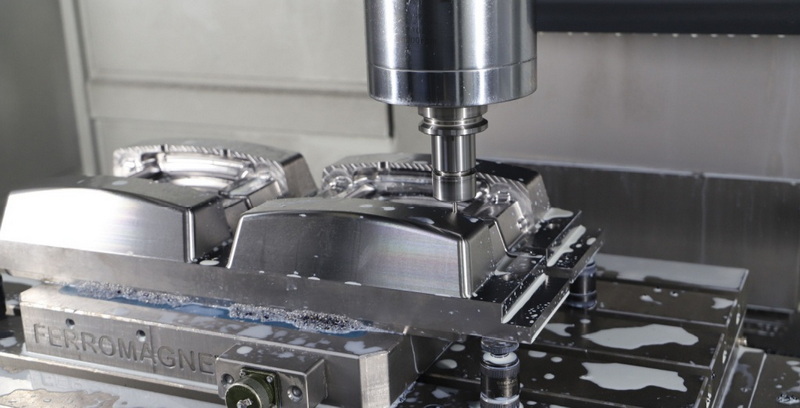
Before searching for clients, it's vital to understand what a CNC milling contract involves. CNC milling is a subtractive manufacturing process in which computer-controlled cutting tools remove material from a solid workpiece to generate an exact design or geometry. Modern machines—ranging from 3-axis to 5-axis mills—enable operations involving drilling, contouring, boring, and pocketing on a variety of materials including aluminum, steel, titanium, brass, and even engineering plastics.
A CNC milling job contract typically includes:
- Engineering drawings and CAD data.
- Material specifications and tolerances.
- Surface finish and quality standards.
- Production quantity and lead time.
- Packaging, shipping, and payment terms.
Understanding each detail ensures precise execution, reduces rework, and protects you legally. For small workshops, consistency in following contract terms builds client trust and long-term cooperation.
CNC milling is a capital-intensive business. Machine investments, tool maintenance, operator training, and inspection equipment require significant upfront costs. Without recurring or bulk contracts, your machine utilization drops, and profits decline. Long-term CNC milling contracts help in several ways:
- Stable Cash Flow: Repeated part orders mean predictable revenue and easier planning.
- Resource Optimization: Machines run continuously, maximizing spindle time and labor efficiency.
- Brand Credibility: Clients prefer working with proven partners who deliver consistent part quality.
- Business Expansion: Strong contract performance opens doors to higher-value projects across industries.
Whether your focus is automotive engine brackets or medical device components, reliable CNC milling contracts are the foundation of sustainable growth.
Understanding contract types helps target suitable opportunities and manage risks effectively.
- Fixed-Price Contracts: You agree on a set price per part or per batch. Efficiency and cost control determine profitability.
- Time and Material Contracts: Useful for R&D or custom prototyping where timelines are uncertain.
- Long-Term Supply Agreements: These provide stable, recurring work for months or years.
- Outsource or Subcontracting Deals: Larger fabrication companies outsource overflow parts to smaller CNC workshops.
Selecting the right type depends on your production capacity, pricing strategy, and cash flow tolerance.
Finding high-quality CNC milling contracts requires combining traditional networking with digital opportunities. Below are some of the most effective sources used by global manufacturers.
Modern B2B manufacturing platforms have revolutionized how CNC suppliers connect with buyers. These portals allow you to showcase capabilities, quote jobs, and receive orders from companies worldwide. Leading platforms include:
- Xometry – Connects verified machine shops to customers needing CNC milling, turning, and additive manufacturing.
- ThomasNet – A long-established industrial directory where North American buyers search for CNC milling vendors.
- MFG – Allows suppliers to bid on RFQs for machined and fabricated components.
- Alibaba and Made-in-China – Attract international buyers sourcing custom mechanical parts and assemblies.
These platforms typically require verified supplier profiles, detailed technical capabilities, and uploaded machining samples or photos. Keeping your page updated with machine lists (like 3-axis, 4-axis, or 5-axis CNC milling) and tolerance data can help improve visibility.
Partnering with established industrial machining companies is another strong channel. Many large shops take on more work than they can handle, creating subcontracting opportunities. Introduce your workshop as a specialist in short-run or precision complex parts.
You can start by networking with local toolmakers, metal fabrication plants, or production facilities. Building a trustworthy relationship is key—deliver on quality, timing, and tolerance precision, and you will become a preferred supplier.
Government organizations often procure CNC components for vehicles, defense systems, or infrastructure. Such projects can be lucrative but strict on compliance and documentation. Register on tender websites in your country, such as:
- SAM.gov (for the United States)
- Contracts Finder (United Kingdom)
- Tenders Electronic Daily (European Union)
Having certifications like ISO 9001, AS9100 (aerospace), or ISO 13485 (medical devices) significantly increases eligibility for these contracts.
Face-to-face communication remains powerful in B2B manufacturing. Participation in industrial expos, machining exhibitions, and chamber events helps demonstrate your CNC milling ability directly to decision-makers.
Bring brochures, machined specimens, dimensional inspection reports, and customer testimonials. Exhibiting your CNC parts physically—especially complex aerospace or automotive examples—shows tangible value and attracts interest faster than digital ads alone.
Social media platforms such as LinkedIn, YouTube, and industry-specific forums provide free branding opportunities. Posting videos of CNC milling operations, tolerances achieved, and cutting parameters used can attract professional buyers searching for real-world capabilities. Also, optimize your company website or B2B listing page for keywords like “CNC milling services,” “precision machining suppliers,” and “contract milling factory.” Continuous digital marketing ensures inbound leads without large advertising budgets.
Success in bidding relies on both technical readiness and presentation skills. Before submitting quotes, double-check the following:
- Ensure drawings are reviewed by your engineering team.
- Verify you have correct tooling, cutters, and material grades.
- Analyze tolerance stack-up and machine limitations.
- Include inspection documentation and quality certificates.
- Understand buyer priorities—cost, lead time, or surface quality.
Preparing a professional quotation that clearly lists every cost element, machining operation, and delivery schedule can set you apart from competitors who offer only pricing.
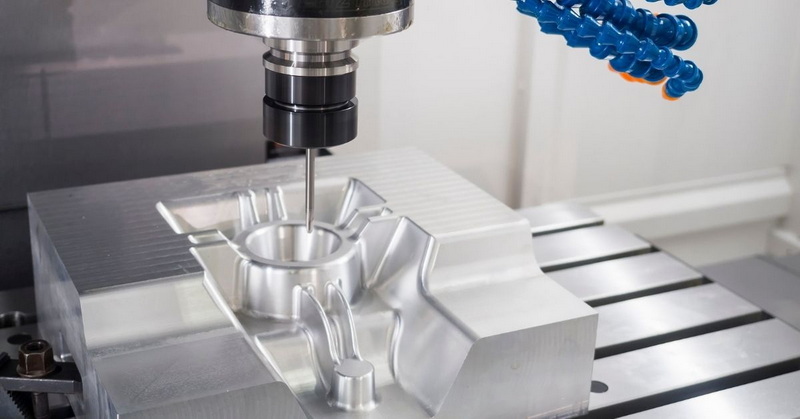
Once a contract is won, managing production efficiently determines long-term cooperation.
Here are practical tips:
- Clear project scope: Avoid uncertainties in surface finish, chamfer sizes, or post-processing steps.
- Digital scheduling: Use production planning tools to track part progress in real time.
- Inspection consistency: Keep dimensional inspection reports and production logs for traceability.
- Regular updates: Send weekly manufacturing photos or progress reports to the client.
- Quality feedback: Request post-delivery assessments to identify improvement areas.
These steps build buyer confidence, reduce costly rework, and open pathways for future orders.
Even experienced machinists face difficulties in obtaining reliable contracts. Common issues include:
- High competition from overseas suppliers offering ultra-low prices.
- Fluctuating raw material costs, especially for alloys.
- The need for updated equipment to meet modern accuracy standards.
- Limited access to supply chain decision-makers.
To overcome these, focus on speed, precision, and specialization. For instance, specializing in micro-milling, hard-metal machining, or prototype development differentiates you from general-purpose suppliers. Buyers often prefer paying more for consistent precision rather than the cheapest quote.
New market dynamics are reshaping how companies assign CNC milling contracts. Digital manufacturing ecosystems integrate CAD modeling, online quoting, and order tracking—reducing lead time from weeks to hours.
Automation and Smart Machining:
Factories adopting robot-assisted CNC milling lines and intelligent cutting parameter systems now provide faster throughput and lower costs. This capability gives you a distinct marketing advantage when listing your workshop online.
Global Sourcing Shifts:
Due to recent supply chain disruptions, many Western manufacturers are nearshoring CNC production to stable regions. If your workshop meets international standards, you can position yourself as an outsourcing partner for Western buyers seeking shorter lead times and communication efficiency.
Sustainability Focus:
Clients increasingly evaluate suppliers based on environmental responsibility. Showcasing efficient coolant use, recyclable materials, and waste reduction practices boosts contract appeal.
While traditional manufacturing centers like the United States, Germany, and Japan still dominate CNC demand, rapid industrialization has expanded new global markets. Southeast Asia and Eastern Europe have become hubs for outsourcing mechanical parts because of technology adoption and competitive pricing.
- Asia: Countries like China, India, and Vietnam continue to provide strong opportunities for contract manufacturers producing CNC machined automotive and electronic enclosures.
- Europe: Germany and Poland seek precision milling of aerospace and industrial components.
- North America: The U.S. market demands high-precision prototyping and defense components, requiring certifications and QA documentation.
Strategic positioning in these regions through partnerships or export licenses allows small firms to interface with large manufacturers abroad.
Advanced software and connected manufacturing systems are revolutionizing CNC contract work.
- CAD/CAM Integration: Speeds up quoting and machining path generation.
- ERP Systems: Connect finance, production, and inventory modules for smoother operations.
- AI-based Optimization: Analyzes tool wear and surface quality to reduce errors.
- Remote Monitoring: Allows real-time supervision of machine conditions, minimizing downtime.
Adopting these technologies enhances production accuracy, which in turn attracts higher-tier clients willing to pay premium prices.
Short-term bids can fill machine time, but long-term client relationships create sustainability. Focus on dependable communication, timely dispatches, and consistent tolerance achievement.
Consider offering value-added services, such as:
- Design optimization for machinability.
- Rapid prototyping before production.
- Assembly and packaging of finished parts.
- Logistics coordination for international shipping.
These extras transform your business from a service provider to a solution partner.
Securing CNC milling machine job contracts for parts requires persistence, technical clarity, and strategic marketing. From participating in global B2B platforms to engaging with local industry networks, every effort increases your visibility and trustworthiness among buyers. Focus on modern tools, quality certifications, and consistent delivery to strengthen reputation and repeat orders. With technological integration, diversification, and constant skill improvement, your CNC milling business can thrive in the competitive global manufacturing supply chain for years to come.
Contact us to get more information!
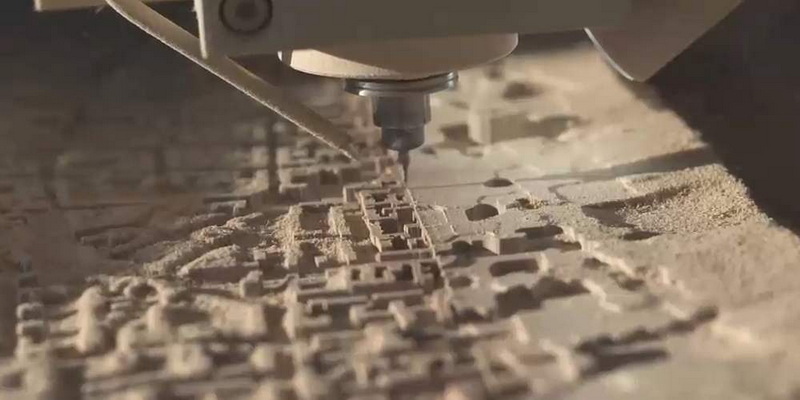
Industries such as automotive, aerospace, robotics, energy, and medical devices depend heavily on CNC milling to achieve the precision required for high-performance components.
By maintaining multilingual websites, optimizing SEO for CNC milling services, and showcasing verified sample parts, small workshops can attract global RFQs from platforms and trade showcases.
Along with ISO 9001, certifications like ISO 14001 for environmental management, AS9100 for aerospace, or ISO 13485 for medical devices strengthen trust and open access to specialized industries.
A well-built CNC milling website with strong SEO ranking, video demonstrations, and LinkedIn updates helps generate inbound traffic from engineers and procurement officers seeking CNC suppliers.
Transparent communication, clear drawings, reasonable payment terms, and willingness to sign formal agreements are signs of professional buyers who value long-term cooperation.
1. https://www.xometry.com
2. https://www.thomasnet.com
3. https://www.mfg.com
4. https://sam.gov
5. https://ted.europa.eu


