From idea to market-ready product, our NPI solutions make every stage easier, faster. Discover How We Help

Views: 222 Author: Tomorrow Publish Time: 2026-01-01 Origin: Site


Content Menu
● What Is Swiss-Type CNC Machining?
>> Core Advantages of Swiss-Type CNC Machining
● Why Turkey Excels in Swiss-Type CNC Machining
>> Factors Behind Turkey's Growth
● Top Swiss-Type CNC Machining Manufacturers and Suppliers in Turkey
>> 1. TEKNOMAK CNC Precision Co. (Istanbul)
>> 2. MERTSAN Machinery & Engineering (Bursa)
>> 3. BAYRAK Precision Components (Izmir)
>> 4. CNR Precision Machining (Kocaeli)
>> 5. TURMAK Engineered Solutions (Ankara)
>> 6. BOR CNC Components (Konya)
● Additional Emerging Manufacturers
● How to Select the Right Swiss-Type CNC Machining Partner in Turkey
● Industries Using Swiss-Type CNC Machining in Turkey
● Technological Advancements Driving the Market
● Sustainability and Eco-Friendly Production
● Comparison: Turkey Versus Other Manufacturing Hubs
● The Future of Swiss-Type CNC Machining in Turkey
>> Q1: What kind of parts are best produced by Swiss-type CNC machining?
>> Q2: Why are Turkish suppliers considered reliable for international OEM projects?
>> Q3: Do Turkish Swiss-type CNC machining manufacturers offer end-to-end services?
>> Q4: How do Turkish suppliers ensure consistent precision levels?
>> Q5: Are collaborations between Chinese and Turkish CNC manufacturers common?
Turkey has established itself as one of the most dynamic manufacturing centers connecting Europe and Asia. Over the past twenty years, the country's industrial sector has shifted from traditional machining toward advanced, high-precision production. Among its growing specialties, Swiss-type CNC machining manufacturers and suppliers in Turkey have gained notable attention from international buyers, particularly those in aerospace, medical, and automotive industries.
Swiss-type CNC machining, also called sliding headstock machining, was originally developed in Switzerland to serve the watchmaking industry. Today, it remains the gold standard for producing small, complex, and highly accurate parts. The versatility and reliability of Swiss-type machines have made them essential for industries where precision is non-negotiable.
Turkey's strategic geography, robust infrastructure, and skilled workforce have allowed the nation to emerge as a regional leader in precision component production. This article explores the top Swiss-type CNC machining manufacturers and suppliers in Turkey, their capabilities, and the reasons global OEMs increasingly look to Turkish companies for long-term cooperation.
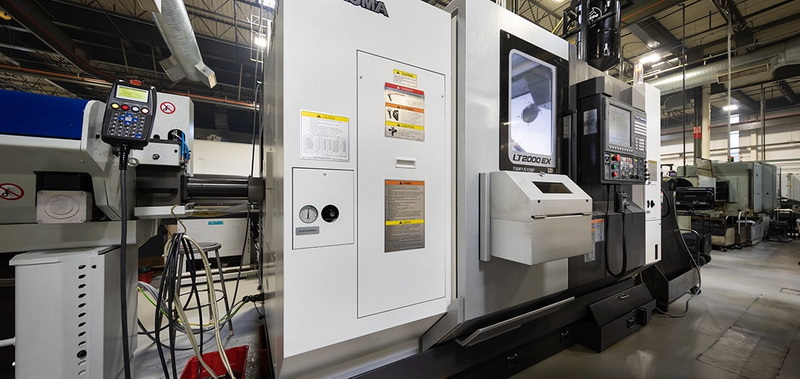
Swiss-type CNC machines differ from standard lathes by using a sliding headstock and guide bushing system. In this design, the workpiece moves longitudinally through a stationary tool head, providing superior rigidity and accuracy.
- Unmatched precision: Tolerances as low as ±0.002 mm enable intricate geometries.
- Versatility: Suitable for metals such as stainless steel, titanium, brass, and aluminum, as well as various plastics.
- Reduced deflection: The guide bushing provides stability for slender components, minimizing vibration.
- Multi-tool capability: Enables simultaneous machining operations, improving efficiency.
- Automation-ready design: Compatible with robotic loading, bar feeders, and 24/7 operation systems.
These strengths allow Swiss-type CNC machining manufacturers and suppliers to meet demanding quality standards across different industries without sacrificing cost efficiency or delivery timeliness.
Turkey's manufacturing ecosystem combines the best elements of European precision, Asian adaptability, and local ingenuity. The country's position as a bridge between continents creates an ideal environment for trade, logistics, and production scalability.
1. Industrial modernization: Continuous government support under the “National Technology Move” program aims to digitize and automate small and medium enterprises.
2. Skilled workforce: Turkish engineers have strong mechanical expertise, particularly in metal cutting, mechatronics, and automated control systems.
3. Supportive policies: Tax incentives and export-based subsidies encourage investments in precision machining.
4. OEM cooperation culture: Turkish firms maintain flexible and open collaboration models, supporting both small-batch prototyping and large-scale production.
5. Strategic location: Easy access to the EU, the Middle East, and North Africa shortens shipping times and reduces logistical costs.
These elements enable Swiss-type CNC machining suppliers in Turkey to serve as ideal partners for global OEMs pursuing cost advantages without compromising engineering excellence.
TEKNOMAK has established itself as one of the pioneering Swiss-type CNC machining manufacturers in Turkey. With state-of-the-art Citizen and Tornos machines, the company delivers precise, durable components for medical devices, aerospace assemblies, and micro-mechanical parts.
Highlights:
- ISO 13485 and ISO 9001 certified.
- CMM-based inspection and real-time data traceability.
- Expertise in titanium and high-grade aluminum alloys.
Their reputation for micron-level accuracy makes TEKNOMAK a preferred choice for international medical firms seeking European-grade component quality with faster turnaround times.
Located in Bursa's industrial hub, MERTSAN serves leading OEM customers in the automotive, electronic, and defense sectors. Their production floor operates multiple-axis Swiss lathes integrated with automated bar feeders and robotic units.
Key Advantages:
- Rapid prototyping capabilities for custom designs.
- Production of high-volume orders with consistent tolerances.
- Experienced engineering team offering cost-effective solutions.
MERTSAN's continuous improvements in lean manufacturing and supply chain transparency reflect Turkey's broader trend toward Industry 4.0 adoption.
BAYRAK Precision Components combines machining expertise with integrated assembly and finishing services. Their comprehensive workflow covers CAD/CAM design, Swiss-type turning, CNC milling, deburring, and surface treatment.
Distinct Strengths:
- End-to-end OEM project handling.
- Strong export channels across Europe and the Middle East.
- Emphasis on high-value, small-lot, high-precision production.
BAYRAK's dedication to tight tolerances and process documentation positions it as a reliable partner for demanding applications like fluid handling, pneumatics, and telecommunications.
CNR Precision is one of Turkey's leading Swiss-type CNC machining suppliers serving the medical, dental, and laboratory equipment industries. Equipped with advanced metrology instruments and particle-free cleanrooms, CNR delivers components meeting strict bio-compatibility and surface-finish requirements.
Capabilities:
- Expert in titanium, cobalt-chrome, and stainless steel parts.
- ISO 13485 and CE-compliant processes.
- Laser engraving, passivation, and micro-polishing options.
By combining precision engineering with regulated cleanroom production, CNR ensures that each component meets the high safety and durability standards required for international healthcare markets.
TURMAK caters specifically to aerospace and defense contractors that demand uncompromising reliability. Their facility houses next-generation Swiss-type CNC turning centers capable of five-axis machining and in-process measurement systems.
Key Features:
- Aerospace-grade material traceability system.
- Tight geometric control for flight-critical parts.
- AS9100 and ISO 9001 certifications.
TURMAK has become a core supplier for turbine, hydraulic, and motion control systems in both domestic and foreign aviation programs.
BOR CNC Components operates one of the largest machining facilities in Central Anatolia. It is a prominent exporter of threaded fasteners, spindles, and mechanical joints.
Competitive Strengths:
- High-speed Swiss-type CNC lathes enabling batch production.
- Automated robotic handling to ensure continuous output.
- Long-term supply agreements with European machinery manufacturers.
BOR's operational efficiency allows global clients to maintain stable supply chains without sacrificing consistency or precision.
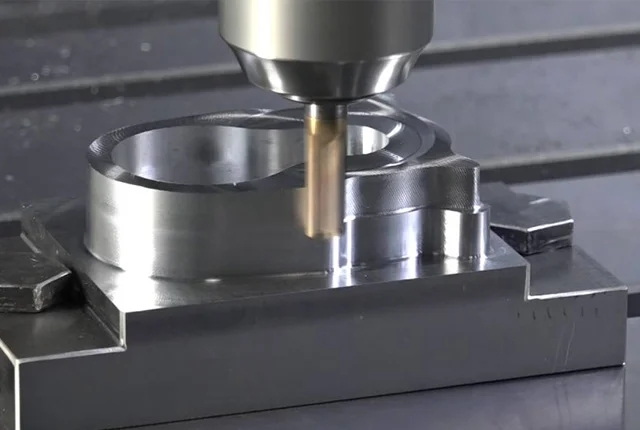
In recent years, a wave of new Turkish firms has embraced Swiss-type CNC machining as part of a larger movement toward smart manufacturing. Mid-sized companies in cities like Manisa, Eskişehir, and Sakarya have integrated connected machining systems that utilize real-time monitoring and data-driven quality validation.
These rising manufacturers tend to focus on:
- Medical miniaturized parts, using micro Swiss-type machines.
- Green machining techniques, optimizing coolant recycling and energy use.
- Customization flexibility, catering to industries with dynamic part diversity.
This diversification across regions further strengthens Turkey's industrial ecosystem and ensures a steady network of suppliers for global partners.
Finding the right Swiss-type CNC machining manufacturer or supplier requires evaluating both technical performance and business culture. A project's success depends not only on precision but also on how seamlessly communication, logistics, and collaboration are managed.
1. Machine lineup and technology: Look for multi-axis Swiss machines (up to 10-axis) and CNC systems from reliable brands like Citizen, Star, or Tornos.
2. Material capabilities: Evaluate experience with specialty materials like titanium, Inconel, brass, and plastics.
3. Engineering and prototyping: Assess whether the supplier offers 3D modeling, DFM (Design for Manufacturability) consultations, and quick prototyping.
4. Quality control: Ensure the factory uses CMMs, optical inspection systems, and statistical process control.
5. Certifications: Verify compliance with ISO, AS, or IATF standards depending on your application.
6. Export and logistics experience: A seasoned supplier understands customs, international documentation, and shipment tracking.
7. English-speaking project management: Smooth communication prevents costly misunderstandings.
Choosing a partner that meets these standards ensures not just precise components but also reliable lead times and sustainable profitability.
Turkish aerospace programs increasingly depend on Swiss-type CNC parts for control linkages, bushings, and fuel nozzles. The superior accuracy of these components improves aircraft reliability and reduces weight.
Swiss-type machining supports biocompatible manufacturing of surgical tools, bone screws, and dental implants. The medical export sector in Turkey continues to grow as regulatory compliance improves.
Leading automotive subcontractors use Swiss-type turning for connectors, injector pins, and transmission components that require both high volume and extreme uniformity. Similarly, the electronics sector benefits from microconnector and sensor-case precision parts.
Machine builders source spindles, pistons, and custom shafts from Turkish Swiss-type CNC machining suppliers to ensure consistent performance over long cycles.
The evolution of CNC precision is strongly linked to digital transformation. Turkish manufacturers have invested in:
- CAD/CAM integration for faster setup and reduced human error.
- Tool-life monitoring systems that prevent downtime.
- IoT and sensor-based analytics for predictive maintenance.
- Hybrid machining centers combining turning, milling, and laser finishing.
These innovations enhance both efficiency and traceability—two factors highly valued by global buyers seeking stable OEM partnerships.
Another important trend among leading Swiss-type CNC machining manufacturers and suppliers in Turkey is sustainability. Companies are implementing coolant filtration systems, chip recycling, and energy-efficient equipment. Some facilities even use solar panels to power auxiliary systems.
This eco-conscious approach not only reduces operational costs but also aligns with global buyers' environmental standards, making Turkish suppliers more attractive partners in long-term strategic sourcing.
While countries like China and India remain competitive in large-scale manufacturing, Turkey differentiates itself through:
- Proximity to Europe: Shorter delivery times and easier compliance with EU standards.
- Cultural and regulatory alignment: Familiarity with European technical documentation practices.
- Customization flexibility: Mid-sized Turkish firms are agile enough for low-to-medium batch orders.
For companies that prioritize quality over quantity, Turkey presents a viable alternative—combining precision, adaptability, and partnership transparency.
Turkey's precision manufacturing sector is entering an exciting phase of modernization. The adoption of Industry 4.0 technologies, integrated automation systems, and workforce upskilling will boost output quality even further.
As R&D collaborations between universities, engineers, and private companies expand, the ecosystem will foster innovations such as:
- Smart tooling systems that self-calibrate during operation.
- Digital twin technology for simulation-based quality assurance.
- Increased export diversification toward North America and East Asia.
The demand for complex, lightweight, and high-strength components will keep Swiss-type CNC machining manufacturers and suppliers in Turkey at the forefront of global precision engineering.
Turkey's journey from a regional manufacturer to a global precision powerhouse is clear in the rise of its Swiss-type CNC machining manufacturers and suppliers. Combining craftsmanship, innovation, and cost-effectiveness, Turkish companies deliver world-class precision parts trusted by aerospace, automotive, and medical industries worldwide.
For international OEMs and distributors seeking a strategic partner, Turkey offers not just competitive pricing but also exceptional quality, responsive communication, and a strong drive for technological progress. The synergy between advanced Swiss-type machining and Turkey's industrial ambition sets the stage for a sustainable, high-value manufacturing future.
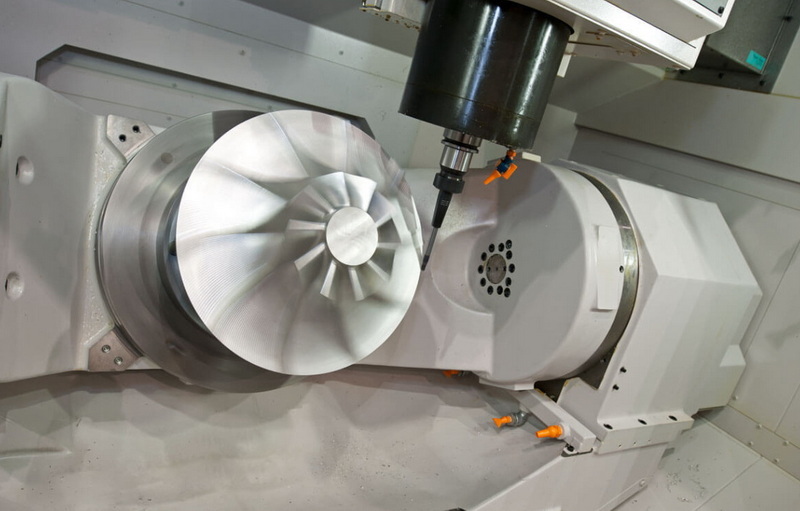
Swiss-type machining is ideal for slender, high-precision parts such as nozzles, valves, hinges, shafts, and medical implants that require stable tolerances.
They combine European-quality operation standards, cost efficiency, and deep experience in cross-border logistics, ensuring smooth cooperation and predictable lead times.
Yes. Many suppliers provide design assistance, prototyping, production, finishing, and packaging—offering full OEM and ODM support.
Through advanced inspection tools, temperature-controlled workshops, and adherence to international certifications such as ISO 9001, ISO 13485, and AS9100.
Increasingly so. Companies from both nations are now forming dual-source strategies that combine China's scale with Turkey's proximity to European markets.


