From idea to market-ready product, our NPI solutions make every stage easier, faster. Discover How We Help

Views: 222 Author: Tomorrow Publish Time: 2026-01-01 Origin: Site


Content Menu
● What Is Swiss-type CNC Machining?
>> Key Advantages of Swiss-type CNC Machining
● The Importance of Precision Engineering in the Netherlands
● The Role of Swiss-type CNC Machining in Major Dutch Industries
● Top Swiss-type CNC Machining Manufacturers and Suppliers in the Netherlands
>> 3. Kusters Precision Parts BV
>> 5. ASML Supply Network Partners
● The Competitive Edge of Dutch Swiss-type CNC Machining Suppliers
● Collaborations Between Dutch and Chinese CNC Manufacturers
● Choosing the Right Swiss-type CNC Machining Partner
● The Future of Swiss-type CNC Machining in the Netherlands
● FAQs About Swiss-type CNC Machining Manufacturers and Suppliers
>> Q1: What differentiates Swiss-type CNC machining from standard CNC turning?
>> Q2: Why are Dutch manufacturers popular among OEMs?
>> Q3: Can Swiss-type CNC machining handle complex materials?
>> Q4: How do Dutch and Chinese suppliers complement each other?
>> Q5: What industries rely most on Swiss-type CNC machining?
The Netherlands has developed a world-class reputation for precision, engineering excellence, and innovation. Among its many advanced manufacturing sectors, Swiss-type CNC machining manufacturers and suppliers stand out for their commitment to accuracy, consistency, and high-performance production. As demand for miniaturized, complex, and high-tolerance components grows, the country's machining industry plays a critical role in supporting sectors such as aerospace, medical devices, automotive, electronics, and renewable energy.
For international OEM clients, wholesalers, and component developers, collaborating with trustworthy Swiss-type CNC machining manufacturers and suppliers in the Netherlands ensures superior quality and reliable performance. This article provides an in-depth look at the Dutch machining landscape, leading companies, production technologies, and the rapidly evolving relationship between Dutch and Chinese suppliers shaping the future of precision manufacturing.\
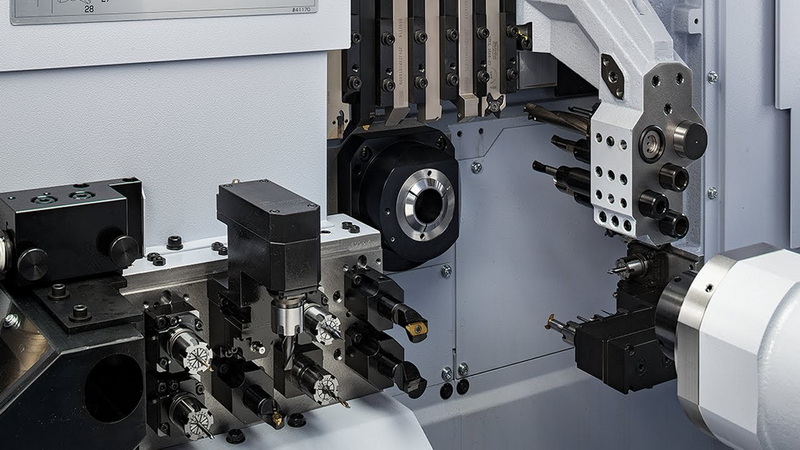
Swiss-type CNC machining refers to a specialized turning process originally developed to produce high-precision parts for Swiss watchmaking. Instead of holding the workpiece at both ends like conventional lathes, a Swiss-type machine secures it in a sliding headstock that supports it very close to the cutting tool. This setup minimizes vibration, allowing for remarkably high accuracy and smooth surface finishes even on long, slender parts.
- Unmatched precision: Capable of achieving tolerances within ±0.002 mm.
- Reduced waste: The sliding headstock design enables efficient material utilization.
- Shorter cycle times: Multiple axes operate simultaneously for improved productivity.
- Complex geometries: Excellent for intricate or multi-featured components.
- Scalability: Ideal for both prototypes and high-volume production.
Because of these benefits, Swiss-type CNC machining has become essential in producing micro shafts, connectors, pins, surgical fasteners, and other components where precision dictates function.
The Dutch engineering ecosystem stands at the intersection of technology, robotics, and high manufacturing standards. The presence of global brands like ASML, Philips, and NXP fuels the demand for precision-engineered components that meet rigorous specifications.
Dutch Swiss-type CNC machining manufacturers and suppliers benefit from a work culture centered on discipline, sustainability, and innovation. Government-backed programs promoting digital transformation and Industry 4.0 also encourage the integration of smart manufacturing into CNC machining workflows. As a result, companies have adopted real-time data monitoring, tool life management, and AI-driven quality control systems to ensure flawless production.
Precision machining is vital across key sectors of the Dutch economy. Here's how Swiss-type CNC machining manufacturers and suppliers contribute to each of them:
1. Medical and Healthcare Sector
The Netherlands hosts numerous medical device innovators. Swiss-type CNC machining supports the production of surgical instruments, dental implants, and orthopedic screws, all demanding micrometer-level accuracy and biocompatible materials.
2. Aerospace and Aviation
Aircraft components, engine valves, and sensor housings must meet stringent safety and durability standards. Swiss-type machining provides the level of reliability necessary for aerospace-grade parts.
3. Automotive Engineering
Automotive innovation demands complex parts such as injectors, transmission pins, and precision housings. Dutch suppliers leverage Swiss-type machinery to manufacture low-friction, high-performance mechanical parts.
4. Semiconductors and Microelectronics
Dutch companies help power Europe's semiconductor revolution. Swiss-type CNC machining delivers the tiny yet critical connectors and fittings that maintain the precision required in chip-making environments.
5. Renewable Energy and Clean Tech
The green energy transition depends on lightweight, high-strength materials expertly machined to precise tolerances. Swiss-type CNC machining ensures performance and reliability for such applications.
Let's explore some of the leading Swiss-type CNC machining manufacturers and suppliers in the Netherlands, each known for their excellence, versatility, and global reputation.
Hembrug Precision has become a benchmark for ultra-high-accuracy machining solutions. Initially known for hard-turning equipment, the company combines Swiss-type technology and advanced automation to produce key components for the optical, bearing, and precision instrument industries.
Strengths:
- Unparalleled dimensional consistency.
- ISO-certified quality management.
- In-house R&D driving continuous innovation.
De Ridder THO provides both machining systems and production services, making it a versatile supplier in European markets. The company integrates Swiss-type CNC machines for manufacturing critical parts used in med-tech and high-end electronics.
Strengths:
- Advanced automation and robotics integration.
- Flexible production capacity for small and large orders.
- Comprehensive engineering collaboration with clients.
Kusters' capabilities in Swiss-type CNC machining are reflected in parts used in aerospace, optics, and semiconductor industries. Their expertise in titanium, Inconel, and stainless steel processing ensures parts can withstand extreme pressures and temperatures.
Strengths:
- Capability for tolerances below 5 microns.
- Multi-axis machining centers for complex geometries.
- Use of cutting-edge metrology systems.
Ter Hoek combines EDM (Electrical Discharge Machining) with Swiss-type CNC machining, delivering a hybrid manufacturing approach ideal for producing prototypes and short-run precision components.
Strengths:
- Expert at small-batch, high-complexity projects.
- Skilled in integrating various surface finishing techniques.
- Perfect synergy of precision and flexibility.
Many suppliers in ASML's ecosystem rely on precision technologies like Swiss-type CNC machining to create mechanical components used in lithography machines. These partnerships are vital in maintaining global leadership in semiconductor production.
Strengths:
- Close collaboration with cutting-edge R&D centers.
- Nano-level dimensional stability.
- Stringent documentation, testing, and traceability.
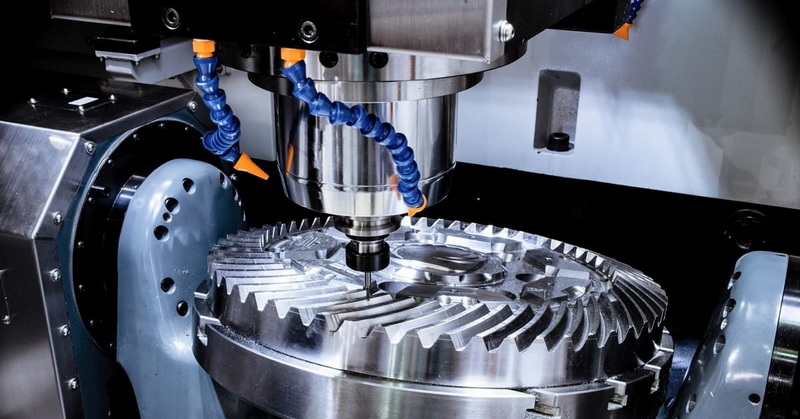
Dutch suppliers operate within a highly sophisticated and export-oriented industry. Their value proposition lies in a combination of technical precision, process innovation, and environmental responsibility.
- Technological leadership: Many Dutch machining firms adopt the latest Swiss-type machines equipped with 12-axis operation and live tooling.
- Lean manufacturing: Efficient scheduling and waste-reducing workflows ensure timely delivery.
- Sustainability initiative: Companies focus on energy-efficient processes and recyclable materials.
- Smart supply chain integration: Efficient logistics networks through Rotterdam port enhance global trade capability.
Together, these advantages make Dutch suppliers a popular choice for international OEMs requiring consistency and regulatory compliance.
While the Netherlands excels in innovation and quality management, China remains a powerhouse in production capacity and cost-effectiveness. Collaboration between the two markets creates a perfect balance—precision from the Netherlands meets scalability from China.
Chinese precision parts manufacturers like ours help European clients achieve the right cost-performance ratio without compromising on standards. By adopting Swiss-type CNC machining and maintaining ISO-certified processes, we provide seamless cooperation across design, sampling, and mass production phases.
These cross-border partnerships deliver:
- Optimized pricing models through combined resource utilization.
- Faster turnaround times by distributing workloads efficiently.
- Consistent quality control adhering to international standards.
- Joint engineering development for custom OEM solutions.
Such collaborations ensure that end customers benefit from world-class engineering at globally competitive rates.
Selecting the right supplier can determine the success of your product's performance and market competitiveness. Below are essential guidelines to consider:
1. Technical capability: Assess the machinery, production capacity, and operator expertise.
2. Quality systems: Check for certifications like ISO 9001 or AS9100.
3. Material specialization: Ensure proficiency with your required materials.
4. Global communication: Availability of bilingual engineering support is crucial for overseas clients.
5. Lead time and logistics: Reliable scheduling ensures smoother project execution.
6. Post-production support: Maintenance, testing, and after-sales services reflect professionalism.
Partnering with proven Swiss-type CNC machining manufacturers and suppliers ensures steady quality, reduced risks, and sustained competitiveness in global markets.
The Dutch precision engineering sector is embracing digital transformation faster than ever. Advanced CNC setups integrate IoT sensors, automated feedback systems, and predictive maintenance algorithms. This evolution toward Smart CNC Machining is set to redefine quality standards, ensuring near-zero defect rates.
Furthermore, sustainability and circular economy initiatives are influencing production choices. Dutch companies now focus on low-emission operations, recycled materials, and energy-efficient machining solutions. For example, coolant recycling systems and eco-lubrication technologies are becoming standard features.
In the coming years, the collaboration between local innovators and overseas manufacturers, particularly Chinese OEMs, will drive new design possibilities across industries. The focus will remain on achieving higher accuracy, lower costs, and faster prototyping—all while preserving environmental integrity.
The Netherlands has solidified its position as a key European hub for Swiss-type CNC machining manufacturers and suppliers, offering unmatched quality, reliability, and technological advancement. Dutch suppliers lead the way in machining innovation, serving industries that rely on flawless precision and sustainability.
Meanwhile, the growing collaboration between Dutch and Chinese precision manufacturers creates a powerful alliance—one that merges European accuracy with Asian efficiency. For international buyers seeking OEM services, this partnership provides the best of both worlds: world-class engineering and globally competitive pricing.
By choosing trusted Swiss-type CNC machining manufacturers and suppliers in the Netherlands—or collaborating through hybrid international partnerships—businesses can ensure superior product performance, consistent precision, and long-term value in every component they source.
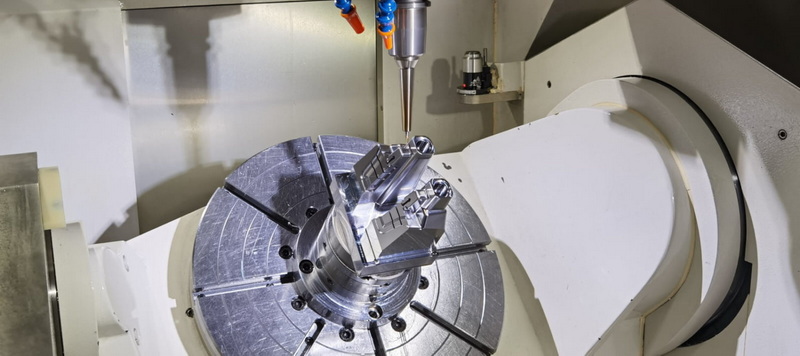
A1: The Swiss-type process fixes the material closer to the cutting tools via a sliding headstock, minimizing deflection and allowing exceptional precision for small or slender components.
A2: They combine European engineering quality, certified compliance, and efficient export infrastructure, ensuring dependable results and smooth international cooperation.
A3: Yes, advanced machines can process tough materials such as titanium, Inconel, brass, and medical-grade stainless steel while maintaining strict tolerances.
A4: Dutch companies contribute technical innovation and precision assurance, while Chinese manufacturers provide cost-effective high-volume production and customization flexibility.
A5: Aerospace, medical, automotive, semiconductor, and optical industries depend heavily on this process for accuracy, durability, and repeatability.


