From idea to market-ready product, our NPI solutions make every stage easier, faster. Discover How We Help

Views: 222 Author: Tomorrow Publish Time: 2026-02-01 Origin: Site


Content Menu
● Understanding Swiss-Type CNC Machining
>> How Swiss-Type CNC Machining Works
>> Main Advantages of Swiss-Type Machining
● Why Denmark Excels in Swiss-Type CNC Machining
● Top Swiss-Type CNC Machining Manufacturers And Suppliers in Denmark
>> 2. A.C. Plastic and Metal ApS
● Role of Chinese OEM Partners in the Danish CNC Industry
>> Benefits of Chinese-Danish Collaboration
● Applications of Swiss-Type CNC Machined Components
● Key Factors In Choosing The Right CNC Supplier in Denmark
● Automation and Industry 4.0 in Danish CNC Manufacturing
● The Future of Swiss-Type CNC Machining in Denmark
● FAQ: Swiss-Type CNC Machining Manufacturers And Suppliers in Denmark
>> 1. Which industries most frequently use Swiss-type CNC machining in Denmark?
>> 2. How can Danish machining suppliers assist foreign OEMs?
>> 3. What is the lead time for Swiss-type CNC machining projects?
>> 4. Are Danish machining companies experienced in export processes?
>> 5. How does Swiss-type CNC machining differ from traditional CNC turning?
In the global manufacturing landscape, precision and reliability are key factors driving competitiveness. Among the various machining solutions available today, Swiss-type CNC machining has proven to be one of the most advanced and sought-after technologies for producing small, complex, and high-precision components.
Denmark, known for its strong engineering heritage and innovation-driven industries, is emerging as a notable hub for Swiss-type CNC machining manufacturers and suppliers in Northern Europe. With a reputation for quality craftsmanship, strict process control, and sustainable manufacturing approaches, Danish CNC companies play an important role in supplying precision parts to industries such as medical technology, aerospace, automotive, and electronics.
This article explores the leading companies in Denmark that specialize in Swiss-type CNC machining, their technological strengths, and how Danish manufacturers collaborate globally—especially with Chinese OEM factories—to balance cost, efficiency, and precision. We also examine the key applications, benefits, and future trends shaping this specialized manufacturing sector.
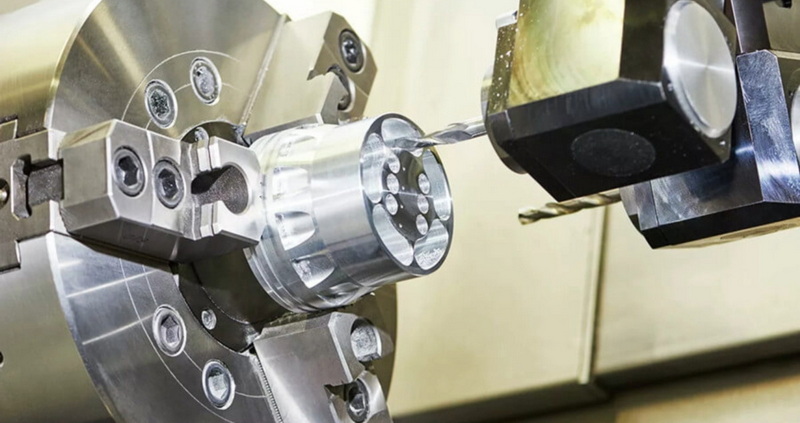
Swiss-type CNC machining, also known as sliding headstock turning, was originally developed for the Swiss watch industry, where accuracy within microns is essential. In this process, the workpiece is supported by a guide bushing very close to the cutting tool, minimizing deflection and vibration.
Unlike conventional lathes, the bar stock moves axially through a stationary guide bushing while the tools cut from multiple directions. Modern Swiss-type machines come equipped with several spindles and live tooling, allowing milling, drilling, tapping, and even cross-work machining operations to occur simultaneously.
- Exceptional precision: Achieves tolerances as tight as ±0.002 mm.
- Superior surface finish: Perfect for components that require mirror-like smoothness.
- Multi-operation capability: Turning, milling, and drilling can all occur in one setup, cutting production time.
- Minimal material waste: Efficient process design reduces scrap and material costs.
- High-speed, high-volume production: Ideal for producing large quantities of micro components.
- Flexibility: Handles stainless steel, brass, titanium, aluminum, and engineering plastics with equal precision.
Because of these strengths, Swiss-type CNC machining manufacturers and suppliers are becoming critical partners in sectors demanding consistent dimensional accuracy and scalable production.
Denmark's competitive advantage in precision manufacturing lies in its blend of engineering tradition, automation technology, and sustainable industrial practices.
1. High-tech infrastructure: Danish companies operate modern manufacturing facilities equipped with multi-axis Swiss-type CNC machines from global brands such as Citizen, Star, and Tsugami.
2. Skilled workforce: Engineers trained in micromechanics and digital production continuously improve process efficiency.
3. Sustainability focus: Danish factories emphasize energy-efficient systems, coolant recycling, and environmentally friendly production methods.
4. Strong export culture: Denmark's strategic location in Europe makes it an ideal logistics hub for delivering CNC parts across the continent.
5. Collaborative partnerships: Many companies work closely with global OEM and ODM factories, particularly in China, to combine precision engineering with cost-effective large-scale production.
Damatec A/S is among Denmark's most recognized precision engineering firms, specializing in medical device components and small industrial parts. Its Swiss-type CNC workshop is equipped with advanced Citizen and Star machines, ensuring output accuracy within microns. Damatec is known for its prototype development, fast response to custom orders, and traceability for medical-grade materials such as titanium and stainless steel.
This company provides comprehensive CNC machining services with a focus on high-precision plastic and metal components. By integrating Swiss-type CNC machining into its production system, A.C. Plastic and Metal ApS supports clients in the electronics, automotive, and optical industries. Their quality control process meets ISO 9001 requirements, ensuring consistent reproducibility across batches.
TeamTurning.dk is a Danish supplier specializing in high-volume CNC turning with a strong emphasis on lean production and automation. Their Swiss-type CNC machining centers are capable of manufacturing extremely small parts for sensors, fasteners, and connectors. The company's transparency and process data reporting provide customers with real-time visibility over order progress and inspection results.
Metal Solutions Denmark focuses on stainless steel and titanium machining, catering mainly to the aerospace and energy sectors. Its Swiss-type equipment allows simultaneous operations, boosting throughput without compromising dimensional stability. The company's integrated engineering design team helps customers optimize geometry for precision manufacturing, saving time and cost during new product development.
CNC-Tech ApS combines modern CNC technology, 3D modeling, and reverse engineering to deliver precision components for demanding industries. It operates a fleet of Swiss-type lathes ideal for long, thin workpieces. CNC-Tech's ability to deliver complex assemblies, including miniature shafts and fasteners, makes it a reliable supplier across medical, instrumentation, and aerospace markets.
JH Metal Precision offers precision manufacturing for both metal and plastic materials using sliding head Swiss-type technology. This manufacturer is recognized for balancing cost-competitiveness with the craftsmanship Denmark is known for. JH Metal ensures every batch undergoes full inspection using coordinate measuring machines (CMM) and surface roughness analyzers.
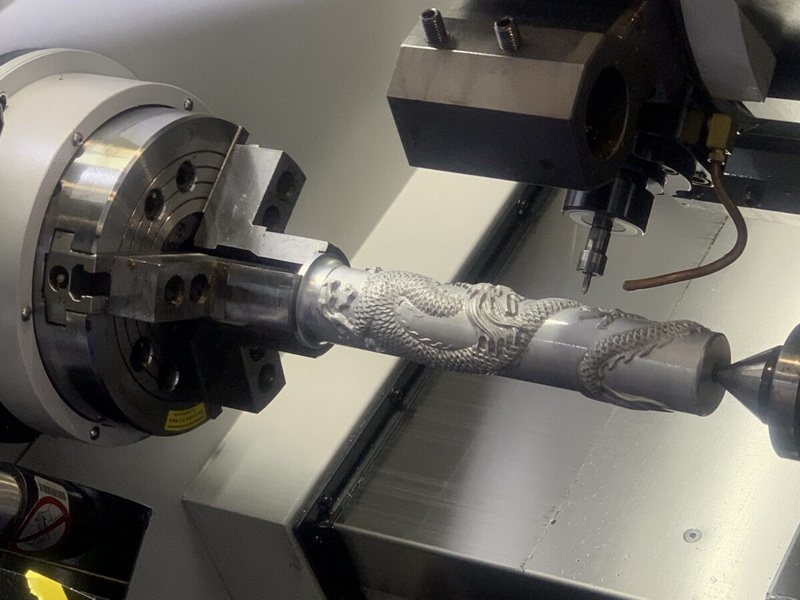
To balance high standards with global competitiveness, many Danish Swiss-type CNC machining manufacturers and suppliers collaborate with Chinese factories for OEM production. This partnership combines European quality systems with Asia's manufacturing scalability, benefiting both parties.
- Cost efficiency: Labor and material sourcing savings improve overall project margins.
- Scalable production: Chinese facilities handle large-volume orders under Danish supervision.
- Faster time-to-market: Danish companies can focus on design, prototyping, and final assembly while Chinese partners manage mass production.
- Certification alignment: Reputable Chinese machining plants comply with EU standards such as ISO 9001 and ISO 13485.
- Global logistics support: Components can be shipped quickly across regions for just-in-time delivery.
For example, a Danish CNC brand might produce the first prototype and high-value micro-series domestically, then transfer stable product drawings to a Chinese OEM partner for high-volume runs—retaining quality supervision throughout the supply chain.
Swiss-type CNC machining is integral in producing small, high-precision parts used in:
- Medical technology: Surgical implants, orthodontic pins, and micro-screws.
- Automotive sector: Valve stems, fuel injectors, and control shafts.
- Aerospace engineering: Hydraulic fittings, connectors, and lightweight titanium components.
- Electronics: Miniature adapter pins, housings, and fiber optic connectors.
- Instrumentation: Flow control valves, sensors, and adjustment knobs.
Component reliability in these industries depends on the machining accuracy, consistency, and micro-tolerance capability that only Swiss-type machines can deliver.
When selecting your ideal Swiss-type CNC machining manufacturer or supplier in Denmark, consider these aspects:
1. Technical capability: Ensure they have multi-axis Swiss machines, CAD/CAM integration, and tool management software.
2. Material expertise: Confirm experience with titanium, stainless steel, and engineering polymers.
3. Quality certifications: Look for ISO 9001 or AS9100D for aerospace/defense projects.
4. Supply chain integration: Choose a partner with established OEM relations in both Europe and Asia.
5. Communication efficiency: Danish suppliers are known for punctual communication and transparent workflow.
For long-term collaboration, it's advisable to start with small prototype runs, then progress toward batch and serial production once quality verification is complete.
A major factor behind Denmark's success as a manufacturing base is its early adoption of Industry 4.0 technologies. Automation, data analytics, and smart inspection systems have become standard in Danish precision workshops.
Swiss-type CNC machines integrated with digital twin systems allow real-time monitoring of spindle load, tool wear, and coolant flow—reducing unplanned downtime. Predictive maintenance and automated tool changers further boost productivity and ensure consistent part quality.
Some Danish machining firms are even experimenting with AI-assisted toolpath optimization and machine learning-based inspection, which improve accuracy and shorten setup times. Combined with eco-friendly energy management systems, Denmark's CNC industry is increasingly recognized as a sustainable, technology-driven model for modern manufacturing.
The future of Danish Swiss-type CNC machining manufacturers and suppliers is closely tied to advancements in hybrid production and digital integration. Several trends are shaping the industry's direction:
- Collaborative robotics (cobots): Enhancing human-machine cooperation during machining and part handling.
- 5-axis Swiss machines: Offering even greater flexibility for complex geometries.
- Additive manufacturing + CNC finishing: Combining 3D printing for structure creation with Swiss-type turning for final precision.
- Eco-materials and recycling: Supporting green technology industries and EU sustainability goals.
Furthermore, the growing partnership between Danish and Asian manufacturers will continue to define a more distributed, adaptive manufacturing network capable of responding swiftly to global market demand.
Denmark's precision engineering talent, advanced automation, and global collaboration mindset have made it a strong destination for Swiss-type CNC machining manufacturers and suppliers. These companies offer a blend of innovation, skilled craftsmanship, and sustainable production that meets the strict requirements of modern industries.
By forming strategic alliances with experienced Chinese OEM factories, Danish suppliers can deliver cost-efficient, high-quality, and scalable solutions to worldwide clients. The future of the sector promises stronger digitalization, greener manufacturing, and closer integration across borders—ensuring the continued growth of Denmark's role in the precision machining world.
Contact us to get more information!
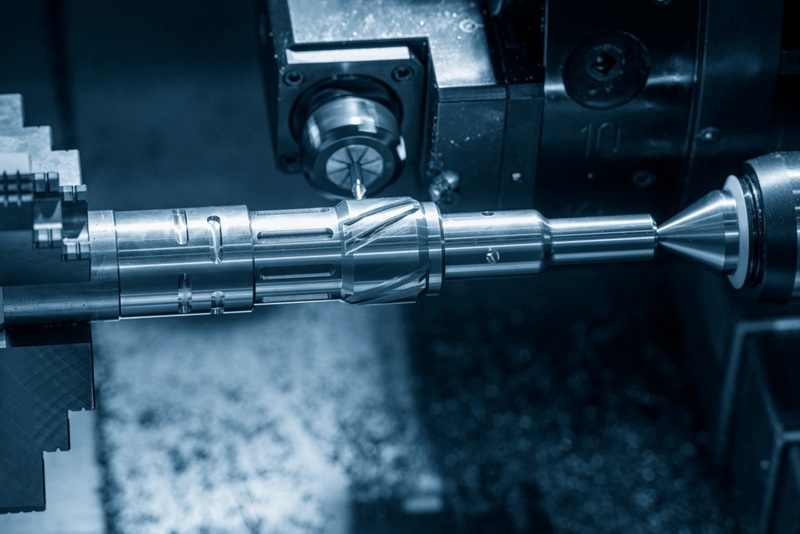
Key sectors include medical devices, aerospace, automotive, and electronics—anywhere high precision and compact parts are required.
They provide design consultation, prototyping, and certified production, often cooperating with Chinese factories for cost-effective scaling.
Typical production takes 3–6 weeks depending on material and part complexity.
Yes. Most suppliers handle exporting to the EU, North America, and Asia with full customs and certification documentation.
Swiss-type machining allows the bar stock to move while the tooling is stationary, achieving tighter tolerances and improved concentricity, especially for slender parts.
1. (https://www.damatec.dk)
2. (https://www.teamturning.dk)
3. (https://www.cnc-tech.dk)
4. (https://www.metal-solutions.dk)
5. (https://www.acplastic.dk)


