From idea to market-ready product, our NPI solutions make every stage easier, faster. Discover How We Help

Views: 222 Author: Tomorrow Publish Time: 2026-03-17 Origin: Site
Content Menu
● Why Customer Experience Matters for Surface Finishing in South Korea
● Methodology: How We Identified and Ranked South Korea Surface Finishing Suppliers
>> Data Sources and Evaluation Signals
>> Core Ranking Criteria for South Korean Surface Finishes Manufacturers
● Customer‑Oriented Ranking: Leading Surface Finishing Technology and Service Providers in South Korea
>> Overview Table – South Korea Surface Finishing and Surface Preparation Leaders
● Deep Dive: How Key South Korean Players Support High‑Quality Surface Finishes
>> ANC Korea Co., Ltd. – Industrial Metal Finishing Chemistry for High‑Performance Parts
>> Automated Electroplating Lines – US‑Korea Hotlink and Partners
>> Winoa South Korea – Surface Preparation for Durability and Fatigue Performance
● Technical Insight – Why Surface Roughness Control Is Critical for CNC Precision Parts
● Practical Guide: How OEM/ODM Buyers Should Select South Korean Surface Finishing Partners
● Call to Action: Leverage CNC Precision from China and Surface Finishing Expertise from South Korea
● FAQ
>> 1. How does surface roughness affect component performance?
>> 2. Why collaborate with South Korean surface finishing specialists?
>> 3. Can CNC parts machined in China be reliably finished using Korean technologies?
>> 4. What industries benefit most from this China–Korea collaboration model?
>> 5. What should buyers ask potential South Korean surface finishing partners?
South Korea's surface finishing ecosystem is tightly connected to high‑precision industries such as automotive, electronics, and semiconductors, which makes real customer experience and long‑term reliability crucial evaluation angles for global B2B buyers. For a CNC precision parts manufacturer like Shenzhen Feifan Hardware & Electronics Co., understanding which South Korean surface finishes manufacturers and suppliers perform best in these dimensions is the key to building a resilient, high‑quality cross‑border supply chain. [uskoreahotlink]

South Korea is recognized as a technology‑driven manufacturing hub, with advanced capabilities in industrial metal finishing, electroplating equipment, and surface preparation solutions. Many local players support global brands in mobile devices, automotive components, and high‑reliability electronics, which raises expectations for surface quality, process control, and traceability. For overseas OEM/ODM buyers, the challenge is not just to find suppliers with the right processes, but those with proven performance in real customer projects and strong compatibility with CNC precision parts sourced from partners like Shenzhen Feifan. [anckorea]
In high‑performance sectors, surface finish quality directly affects component durability, fatigue strength, and system reliability, far beyond cosmetic appearance. Studies show that poorly controlled surface roughness accelerates crack initiation and reduces fatigue life, especially in alloys used in automotive and aerospace components. This makes practical customer feedback on roughness control, coating adhesion, and field performance extremely valuable when evaluating South Korean surface finishing suppliers. [nature]
From a buyer's perspective, the real test is how parts behave after months or years of use—whether plating starts peeling, corrosion appears in salt‑laden environments, or friction surfaces wear faster than expected. B2B clients also focus on how quickly a supplier reacts to issues, whether they help diagnose root causes, and how well they prevent repeat problems in later batches. Positive customer experiences typically mention consistent Ra values, stable coating thickness, and proactive engineering advice, while negative ones often relate to re‑work, downtime, and unclear communication. [imtsny]
To create a practical ranking for "Top Surface Finishes Manufacturers and Suppliers in South Korea," this guide consolidates technical references, supplier profiles, and industry‑level practice. Instead of relying on marketing claims alone, we looked at how companies position their technologies, what industries they serve, and how those technologies align with known performance requirements for CNC precision parts. [ien]
We drew on several categories of sources:
- Surface finishing and surface treatment technical guides explaining how different processes impact roughness, hardness, and durability. [youtube]
- Scientific and engineering publications discussing the effect of surface roughness on fatigue strength and long‑term performance. [nature]
- Korean and global companies that provide industrial metal finishing chemicals, automated electroplating lines, and metal surface preparation services, especially those with documented project histories in automotive and electronics. [winoa]
- South Korean manufacturing firms that integrate precision components and require tight quality control and certifications for surface‑critical parts. [smtk.co]
Suppliers and technology providers are evaluated along four B2B‑relevant criteria:
1. Technical capability and process range – ability to support electroplating, electroless plating, PVD, shot blasting/peening, and other specialized finishes required by automotive and electronics sectors. [anckorea]
2. Quality control and performance – control of surface roughness, coating thickness, and defect rates, linked to durability and fatigue strength. [imtsny]
3. Customer experience and industry references – examples of long‑term relationships with major OEMs and Tier‑1 suppliers, plus evidence of engineering support. [uskoreahotlink]
4. Scalability and automation – ability to integrate into automated lines, handle high volumes, and support international programs. [winoa]
This framework is particularly helpful if you plan to ship CNC‑machined parts from China to South Korea or use Korean surface finishing technology in your own plants.
South Korea's surface finishing landscape includes both chemistry and equipment specialists and service‑oriented surface preparation experts, which together shape what end users experience on finished parts. The table below summarizes representative players and where they tend to deliver the most value for B2B buyers. [anckorea]
| Company (South Korea) | Core Role in Surface Finishing | Key Strengths for B2B Buyers | Main Industries Served |
|---|---|---|---|
| ANC Korea Co., Ltd. | Industrial metal finishing chemicals. (anckorea) | High‑performance plating and surface treatment chemistries, efficiency and environmental focus. (anckorea) | General industrial, automotive, electronics metal parts. (anckorea) |
| US‑Korea Hotlink partner (electroplating lines) | Automated electroplating equipment for surface treatment. (uskoreahotlink) | Fully automated plating lines, uniform thickness, global installation track record. (uskoreahotlink) | Semiconductors, mobile phones, PCBs, automotive components. (uskoreahotlink) |
| Winoa South Korea | Metal surface preparation (shot blasting, peening). (winoa) | Surface preparation abrasives, tools, and technical support to improve component life. (winoa) | Automotive, heavy industry, construction, general metalworking. (winoa) |
| Seoul Metal Co., Ltd. | Precision fasteners and small components. (smtk.co) | High‑volume precision parts with strong quality systems; surface quality is critical to function. (smtk.co) | Automotive, electronics, battery, construction, medical devices. (smtk.co) |
While not all of these companies perform final decorative finishing themselves, they shape the quality of the surface finishing ecosystem that OEM and ODM buyers ultimately rely on. For a CNC precision parts producer like Shenzhen Feifan, such partners can provide chemicals, equipment, or surface preparation that are compatible with your own machining and finishing processes. [uskoreahotlink]
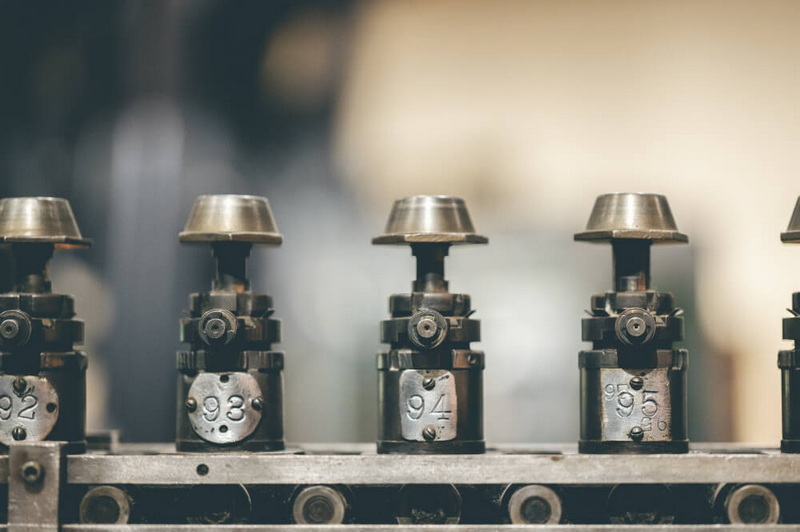
ANC Korea focuses on high‑performance metal surface treatment chemicals, including electroless and electrolytic plating solutions, metal concentrates, and stripping agents. These chemistries are engineered to deliver stable coating performance, improved process efficiency, and responsible environmental management, which are vital factors in large‑scale industrial plating lines. [anckorea]
For CNC precision parts, reliable chemistry is essential to maintain uniform layer thickness, consistent appearance, and predictable changes in dimensions that must be factored into tight tolerances. By working with chemical suppliers like ANC Korea, plating shops and OEMs can reduce post‑processing such as grinding and deburring, cutting both cost and lead time. [ien]
US‑Korea Hotlink showcases South Korean electroplating equipment suppliers that have installed fully and semi‑automated plating lines worldwide, supporting PCBs, mobile phones, and automotive components. These lines are designed to deliver uniform plating thickness, minimize chemical waste, and reduce post‑process grinding, which directly affect product quality and production economics. [imtsny]
Notably, these lines serve high‑profile clients such as Samsung Electronics, LG Innotek, and Interflex for processes like Electroless Nickel Immersion Gold (ENIG) plating on PCBs. For CNC parts manufacturers, understanding the capabilities of such automated systems helps you design part geometries, rack layouts, and masking strategies that integrate smoothly with advanced Korean surface finishing operations. [uskoreahotlink]
Winoa South Korea specializes in metal surface preparation through shot blasting, peening, and related technologies. These processes are proven to improve component life by controlling surface roughness, removing contaminants, and introducing beneficial compressive stresses in the surface layer. [youtube]
Research indicates that surface roughness and near‑surface stresses have a major impact on fatigue strength and wear resistance. By using appropriate abrasive media and process parameters, Winoa's solutions help manufacturers achieve the right balance between roughness for coating adhesion and smoothness for durability, which is especially important for automotive and structural components. [nature]
For CNC precision parts used in automotive or high‑load applications, roughness is not just a cosmetic parameter; it is a design variable that must be managed across machining and finishing stages. Surface irregularities can act as stress concentrators that accelerate crack initiation under cyclic loading, shortening fatigue life and causing premature failures. [ien]
From a practical standpoint, combining CNC machining with optimized surface finishing involves:
- Setting target roughness values (e.g., Ra, Rz) based on fatigue and wear requirements. [imtsny]
- Choosing appropriate preparation processes such as grinding, honing, or controlled shot peening to achieve these values before coating. [youtube]
- Accounting for coating thickness growth and penetration, which can alter effective dimensions and roughness. [imtsny]
This is where close collaboration between CNC shops like Shenzhen Feifan and South Korean surface finishing experts becomes a competitive advantage. Together they can design a process chain that delivers the right surface state for both mechanical performance and aesthetic expectations.
As a Chinese CNC precision parts manufacturer serving global OEM and ODM customers, Shenzhen Feifan Hardware & Electronics Co. can integrate South Korean surface finishing technology and services into a broader cross‑border supply chain model. By doing so, you combine cost‑efficient CNC machining with high‑end surface preparation and plating standards that many Korean and global brands already trust. [smtk.co]
A typical collaboration pathway could look like this:
1. Co‑engineering phase – Feifan's engineers and Korean finishing experts jointly review drawings, critical surfaces, and roughness requirements. [ien]
2. Process mapping – Decide which surfaces will be finished in China and which will be prepared or coated using Korean technologies or partners. [winoa]
3. Pilot runs and validation – Produce pilot batches of CNC parts and run them through the agreed finishing process, checking roughness, dimensional stability, and fatigue‑critical regions. [nature]
4. Scale‑up and automation – When volumes grow, integrate automated lines or standardized preparation steps to keep quality stable and costs under control. [winoa]
This integrated model is particularly attractive for automotive, industrial machinery, and high‑value electronics where both precision and durability are commercial differentiators.
When selecting a South Korean surface finishing supplier or technology provider, international buyers can follow a structured approach informed by technical literature and real‑world project experience. [ien]
1. Define performance targets clearly – specify required life cycles, load conditions, corrosion class, and cosmetic standards. [nature]
2. Match processes to materials and geometry – use resources on surface finishing types to choose suitable processes for your alloys and part shapes. [youtube]
3. Evaluate technical depth and automation – check whether suppliers provide advanced chemistry, automated lines, or specialized surface preparation, depending on your needs. [anckorea]
4. Ask for case studies and references – look for evidence of success in your industry, especially in fatigue‑critical or safety‑critical components. [smtk.co]
5. Run joint trials with your CNC manufacturer – include your machining partner early so that tolerances and finishing needs are aligned. [imtsny]
By following these steps, buyers reduce the risk of hidden costs, re‑work, and performance failures in the field.
If you are an automotive, industrial, or electronics OEM seeking to combine world‑class surface finishes with reliable CNC precision, it is worth exploring a joint model where Shenzhen Feifan Hardware & Electronics Co. handles machining and global project management while Korean partners provide advanced surface treatment and preparation technologies. [smtk.co]
You can begin by sharing drawings, performance requirements, and target markets, then requesting a combined machining‑plus‑finishing proposal that includes process options, sample plans, and indicative lead times. This approach allows you to benchmark different finishing options and build a resilient, performance‑driven supply chain for your next product generation. [ien]
Contact us to get more information!
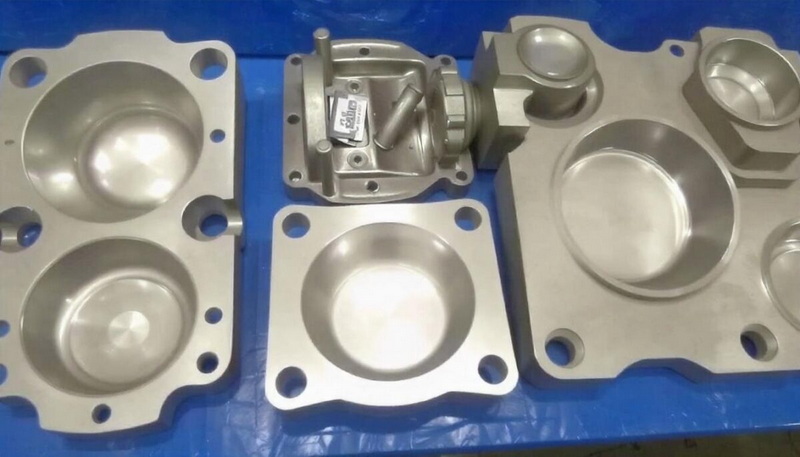
Surface roughness strongly influences friction, wear, and fatigue strength, especially in high‑load applications. Rough surfaces can act as stress concentrators and initiate cracks, while optimized profiles enhance performance and lifespan. [nature]
South Korean providers combine advanced technology, automation, and experience with demanding clients in electronics and automotive sectors. Their expertise helps ensure consistent quality and process stability in complex projects. [smtk.co]
Yes, provided that both machining and finishing teams align on roughness, tolerances, and coating thickness allowances in the early design phase. Joint trials and clear inspection criteria greatly improve reliability. [imtsny]
Automotive, industrial machinery, and electronics, where components see high stress and tight cosmetic expectations, benefit the most. These sectors value both precision and long‑term durability. [uskoreahotlink]
Buyers should ask about process capabilities, automation level, testing methods, references in similar applications, and how suppliers handle failure analysis and corrective actions. Clear answers here are strong indicators of maturity and reliability. [anckorea]
1. ANC Korea – "Industrial Metal Finishing" – overview of metal surface treatment chemicals and applications.
https://anckorea.kr/en/products/finishing.html [anckorea]
2. US‑Korea Hotlink – "Automated Electroplating Equipment for Surface Finishing & Treatment" – automated plating lines and client references.
https://www.uskoreahotlink.com/products/machinery/electroplating-equipment-finishing/ [uskoreahotlink]
3. IMTSNY – "Surface Finishing Techniques: A Complete Guide to Types and Applications" – explanation of finishing methods and process selection.
https://www.imtsny.com/feeds/blog/different-types-surface-finishes [imtsny]
4. IEN – "Surface Roughness and Its Impact on Component Performance and Durability" – analysis of roughness effects on wear and fatigue.
https://www.ien.com/operations/article/22930074/surface-roughness-and-its-impact-on-component-performance-and-durability [ien]
5. Nature Scientific Reports – "Surface roughness effect on fatigue strength of aluminum alloy" – research on how roughness impacts fatigue behavior.
https://www.nature.com/articles/s41598-021-98858-0 [nature]
6. Winoa South Korea – "Your Local Expert in Metal Surface Preparation" – services for shot blasting, peening, and technical support.
https://www.winoa.com/winoa-preparing-tomorrow-surfaces/local-contact/south-korea/ [winoa]
7. Seoul Metal Co., Ltd. – "World Best Micro Fastener Company" – precision fasteners for multiple industries, with global quality certifications.
https://www.smtk.co.kr/?lang=en [smtk.co]
8. YouTube – "How Do Surface Finishing Techniques Improve Material Hardness?" – overview of mechanical and thermal surface treatments.
https://www.youtube.com/watch?v=uX8oLPZza4E [youtube]


