From idea to market-ready product, our NPI solutions make every stage easier, faster. Discover How We Help

Views: 222 Author: Tomorrow Publish Time: 2026-03-26 Origin: Site


Content Menu
● Why Surface Finish Quality Matters for Global Buyers Working With Iran
● How We Evaluated Surface Finish Suppliers in Iran
>> Data Inputs and Buyer Perspective
>> Weighting and Scoring Logic
● What Customers Really Value in Iranian Surface Finish Suppliers
>> Zero‑Rework Mindset and Consistency
>> Flexible MOQs and Pricing Transparency
● 2026 Power Ranking – Leading Surface Finishes Manufacturers in Iran
>> Tier 1 – Premium Engineering‑Driven Surface Finishers
>> Tier 2 – High‑Value Coating and Powder Coating Manufacturers
>> Tier 3 – Niche and Innovation‑Focused Players
● How Shenzhen Feifan Hardware & Electronics Co. Fits Into Your Supply Chain
>> CNC Precision + Local Coating Strategy
>> Benefits for OEMs and Distributors
● Oil & Gas Components with High‑Performance Coatings
>> Supplier Collaboration Model
● New Practical Section – Checklist for Auditing Iranian Surface Finish Suppliers
>> Technical and Process Checklist
>> Quality and Documentation Checklist
>> Commercial and Service Checklist
● New Expert Insight – Trends Shaping Surface Finishing in Iran
>> Shift Toward Higher‑Value Industrial Coatings
>> Environmental and Regulatory Pressure
● Comparison Table – Example Categories of Iranian Surface Finish Suppliers
● Call to Action – How Shenzhen Feifan and Iranian Partners Can Support Your Next Project
● Frequently Asked Questions (FAQ)
>> 1: How do I choose between a Tier 1 and Tier 2 surface finisher in Iran?
>> 2: Can Shenzhen Feifan coordinate directly with Iranian coaters on my behalf?
>> 3: What documentation should I request from Iranian surface finish suppliers?
>> 4: Are Iranian surface finishers suitable for export‑oriented projects?
>> 5: What is the best way to start working with a new Iranian surface finisher?
As global brands increasingly source components from Iran and Asia, choosing the right surface finishes manufacturer in Iran has become a strategic decision for OEMs, wholesalers, and producers in automotive, construction, and energy sectors. This guide combines real buyer expectations, 2026 market insights, and a practical ranking methodology—while also showing how partners such as Shenzhen Feifan Hardware & Electronics Co. can integrate CNC precision parts with Iranian coating specialists for a complete solution. [ensun]
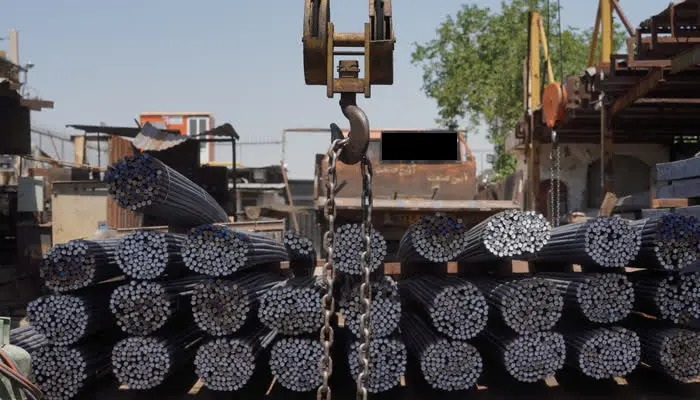
Modern supply chains rely on consistent, durable and visually appealing surface finishes to protect parts, reduce lifecycle cost, and support strong brand perception. In Iran, this is especially important for oil and gas infrastructure, automotive components, and architectural systems exposed to harsh climates and corrosive environments. For foreign buyers working with Iranian finishers plus Chinese CNC suppliers, poor coatings can cause rework, warranty claims, or even project delays at the end‑user site. [mordorintelligence]
Key risk areas if surface finishing is not controlled:
- Premature corrosion of machined parts in coastal or industrial zones
- Coating delamination under vibration, pressure, or thermal cycling
- Color inconsistency across batches for visible components
- Increased inspection cost and rejected shipments at the customer's plant
To create a meaningful 2026 power ranking, you need a transparent and repeatable evaluation method rather than subjective opinions. Our framework is designed for OEMs, brand owners and distributors who want to compare Iranian surface finishers side by side. [ensun]
The ranking model emphasizes the perspective of:
- Long‑term industrial clients in automotive, construction and machinery
- Procurement managers sourcing coated components or semi‑finished parts
- Engineering teams responsible for surface performance and failure analysis
We combine publicly available information on Iranian coating and surface engineering companies with global best practices used in supplier audits for coatings and CNC machining. [groupjiuyuan]
Each surface finishes manufacturer is assessed across four primary dimensions:
1. Technical and Process Capability
2. Quality and Certification (ISO, testing, traceability)
3. Delivery, flexibility and customer service
4. Cost‑effectiveness and long‑term value
Within these, we pay close attention to specific indicators:
- Range of coating technologies (e.g., anti‑corrosion linings, PVD coatings, powder coatings, nanocoatings) [ensun]
- Coverage of key industries such as energy, automotive and construction materials [mordorintelligence]
- Availability of testing and documentation to international standards
- Realistic lead times, responsive communication, and problem‑solving attitude
For export‑oriented and safety‑critical projects, technical quality and process control usually matter more than minor price differences. A typical weighting that matches experienced buyers' behavior is: [mordorintelligence]
- 40%: Technical performance & process capability
- 25%: Quality systems & certifications
- 20%: Delivery & communication
- 15%: Cost vs. value
You can adapt these weights for your own supplier scorecards, but the principle remains: prioritize failure‑prevention over short‑term savings.
Real buyers rarely talk only about "technology"; they talk about headaches avoided and projects delivered on time.
For automotive and precision components, even a small coating defect can scrap an entire batch. Buyers therefore value suppliers that:
- Maintain stable process parameters across multiple shifts
- Use statistical process control and traceability by lot
- Proactively inform customers when process deviations occur
Such behaviors reduce hidden costs for CNC partners like Shenzhen Feifan, which must integrate anodizing, plating or coating into an overall quality plan. [szrunpen]
International buyers working with Iran often operate under tight project schedules and need fast responses to drawing changes or quality concerns. Good suppliers: [automotivemanufacturingsolutions]
- Confirm feasibility and risks before accepting a PO
- Provide clear failure analysis and corrective actions when issues arise
- Offer realistic lead times instead of over‑promising
Mid‑size OEMs and new projects usually start with small batches, prototypes, or pilot runs. Suppliers that support low MOQs and transparent per‑process pricing are far easier to integrate into global sourcing strategies. [cnbenky]
Below is a practical, buyer‑oriented way to structure your Iranian supplier shortlist. Names are provided as examples based on public surface‑engineering and coating activities; you should always verify details through your own audits. [metalizetech]
These suppliers focus on complex, high‑risk applications where coating failure is not acceptable.
- Metalize Industrial Group (Tehran) – Positioned as an engineering‑driven surface technology center active in surface engineering, corrosion and wear technologies, often cooperating with industrial and research partners. They are suitable for oil and gas, heavy industry and advanced machinery where customers expect engineering support rather than just toll coating. [metalizetech]
- Shafta Surface Technology (Iran) – A pioneer in thermal and anti‑corrosive coatings for aviation turbines and land‑based applications, addressing both commercial and military‑grade requirements. This makes them a candidate for high‑temperature, high‑stress environments such as turbine parts and critical energy infrastructure. [shaftaco]
These companies are strong fits for large‑volume projects needing robust yet cost‑effective finishes.
- Peka Chemie Industrial Co. (Tehran) – A prominent industrial powder coatings producer with electrostatic powder coatings for decorative and industrial use, including fusion‑bonded epoxy (FBE) coatings—important for pipelines and infrastructure. [ensun]
- Kasra Industrial Lining & Coating Consultant Co. (Tehran) – Specializes in anti‑corrosion coating and lining systems for metal and concrete, making them particularly interesting for industrial plants, tank farms and structural components that require chemical resistance. [ensun]
These suppliers focus on specialized or innovative coating solutions.
- Gemnano (Tehran) – Provides PVD super hard coating equipment and services for tools and machine components, meaningful for CNC‑machined parts requiring wear‑resistant functional surfaces. [ensun]
- Nano Faraz Sepahan (Isfahan) – Develops environmentally friendly nanocoatings that protect and enhance materials, including waterproofing and impregnating solutions for wood and MDF. [ensun]
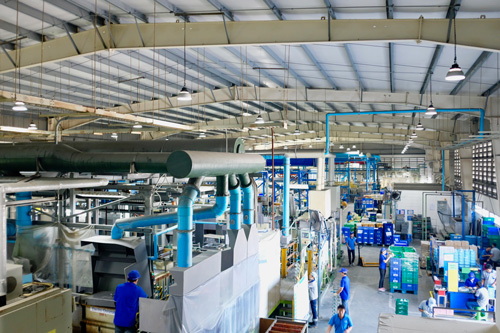
As a Chinese CNC precision parts manufacturer, Shenzhen Feifan Hardware & Electronics Co. can operate as your metal parts source while Iranian surface finishers provide localized or application‑specific coatings. This dual‑sourcing approach helps global buyers balance cost, lead time and regulatory constraints.
A typical workflow looks like this:
1. Shenzhen Feifan manufactures CNC‑milled, turned or multi‑axis machined parts according to your 2D/3D drawings.
2. Critical tolerances and functional surfaces are controlled at the machining stage, using ISO‑aligned quality systems similar to other leading CNC shops. [groupjiuyuan]
3. Parts are either:
- Exported fully finished using Chinese anodizing/plating partners, or
- Shipped as raw or partially treated parts to Iranian finishers for localized coating, especially when projects or end users are based in the Middle East.
This combination allows you to keep machining capacity flexible in China while leveraging Iranian coating expertise that is closer to your final installation sites.
- Cost optimization by splitting machining and finishing between the most efficient locations
- Better alignment with project‑specific specs (e.g., regional standards, colors, or inspection requirements)
- Shorter replacement lead time for locally finished parts serving Iranian or Gulf markets
One of the most demanding segments for surface finishing is Iran's oil and gas sector, which contributes a significant share of global production and heavily relies on corrosion‑resistant equipment. [reuters]
Imagine a European engineering company sourcing precision CNC valve parts and flanges from Shenzhen Feifan while needing high‑performance anti‑corrosion coatings compatible with Iranian field conditions. These parts are destined for facilities in Iran's southwestern oil fields, where chloride content, temperature variations, and pressure cycles are extreme. [reuters]
- Shenzhen Feifan machines valve bodies, stems and connectors from stainless steel or alloy steels based on the customer's drawings and specified surface roughness.
- A Tier 1 Iranian coater such as Shafta or a specialized FBE/powder producer like Peka Chemie provides thermal or epoxy‑based coating systems validated for oil and gas applications. [shaftaco]
- The buyer gains a combined solution: tight machining tolerances plus coatings engineered for local media and temperature.
When this model works well, customers typically report:
- Reduced field failures due to coatings matched to the real operating environment
- Lower logistics risk, since coating or re‑coating can be done closer to the asset
- Improved documentation for audits, as both CNC and coating processes can be traced
Before awarding any long‑term business, global buyers should follow a structured audit.
- Do they list clear capabilities for coatings (e.g., powder, PVD, FBE, thermal spray, nanocoatings)? [metalizetech]
- Can they handle your part dimensions and geometry, including masking and fixture requirements?
- Do they understand the base material (aluminum, brass, stainless steel, carbon steel, plastics) you intend to use? [szrunpen]
- Are ISO 9001 or equivalent quality systems implemented and active?
- Do they run and archive test reports (salt spray, adhesion, thickness, hardness)?
- Can they supply certificates of conformity and material/lot traceability when required?
- What are the realistic lead times for samples, pilot runs, and mass production?
- How quickly do they respond to RFQs, emails and technical questions?
- Are pricing structures transparent, with clear surcharges for special colors or masking?
Global and regional trends are pushing Iranian coating companies to upgrade technologies and compliance.
Market analysis shows increasing focus on high‑performance industrial coatings, including FBE, advanced powder coatings and specialized anticorrosive systems. Energy infrastructure upgrades and export‑oriented manufacturing both require higher reliability and better documentation than typical low‑end finishes. [mordorintelligence]
With global buyers tightening ESG standards, Iranian suppliers that adopt more environmentally friendly chemistries (such as nano‑based protective coatings or low‑VOC systems) gain a competitive edge. This aligns with the capabilities of innovative firms like Nano Faraz Sepahan in nanocoatings and similar technologies. [mordorintelligence]
| Supplier / Type | Main Strength | Typical Applications |
|---|---|---|
| Metalize Industrial Group | Engineering‑driven surface technologiesmetalizetech | High‑wear, corrosion‑critical components |
| Shafta Surface Technology | Thermal & anti‑corrosive coatingsshaftaco | Turbines, energy and aviation equipment |
| Peka Chemie Industrial Co. | Industrial & FBE powder coatingsensun | Pipelines, infrastructure, construction |
| Kasra Industrial Lining & Co. | Anti‑corrosion linings for metal/concreteensun | Tanks, industrial plants, structures |
| Gemnano | PVD hard coatings for tools/componentsensun | Cutting tools, precision machined parts |
| Nano Faraz Sepahan | Nanocoatings & surface protectionensun | Wood/MDF, specialty protective coatings |
If you are planning a new project that involves CNC precision parts plus advanced surface finishes for Iran or the wider Middle East, combining Shenzhen Feifan Hardware & Electronics Co. with carefully selected Iranian surface finish suppliers gives you a flexible and scalable solution. [groupjiuyuan]
You can:
1. Send your drawings and technical requirements (including coating specs) to Shenzhen Feifan for feasibility and cost‑down suggestions.
2. Define whether coatings will be completed in China or by one of your audited partners in Iran.
3. Start with small sample orders and joint PPAP/first article inspection to validate both machining and finishing before mass production.
Contact us to get more information!
If your application is safety‑critical or operates in harsh environments (oil and gas, aviation, mission‑critical machinery), Tier 1 engineering‑driven suppliers are usually worth the premium. For less demanding uses such as general construction or non‑critical brackets, a Tier 2 high‑value supplier may provide sufficient performance at lower cost. [shaftaco]
In practice, many OEMs ask their CNC partners to coordinate finishing and logistics with local coaters to simplify communication and reduce hand‑offs. You can define responsibilities in the contract, requiring Shenzhen Feifan to handle packing, documentation and technical discussions with approved Iranian partners while you retain final approval rights. [szrunpen]
You should request coating process specifications, test reports (e.g., salt spray, adhesion, thickness), certificates of conformity and, when relevant, records of environmental compliance. This documentation helps align them with your quality and regulatory requirements in Europe, North America or other markets. [mordorintelligence]
Many Iranian coating and surface engineering firms already serve industries linked to international standards, especially in energy and industrial infrastructure. With proper audits, sample validation and clear technical specifications, they can be integrated into export supply chains as long as sanctions and trade rules are respected. [reuters]
Begin with a technical meeting to align on drawings, base materials and coating specifications, followed by a small sample order or pilot batch for testing. Combine this with a basic on‑site or remote audit using the checklist above to verify capacity, quality systems and communication style before committing high‑volume production. [ensun]
1. ensun.io – Top Coating Companies in Iran and related industrial coating firms (Kasra, Gemnano, Peka Chemie, Nano Faraz Sepahan, etc.)
https://ensun.io/search/coating/iran
2. Mordor Intelligence – Iran Chemicals & Materials Market Reports and Major Coating/Materials Players
https://www.mordorintelligence.com/market-analysis/chemicals-materials/iran
3. Reuters – Overview of Iran's energy production and infrastructure (oil and gas)
https://www.reuters.com/world/middle-east/an-overview-irans-energy-industry-infrastructure-2026-02-28/
4. Metalize Industrial Group – About Metalize Industrial Group, surface engineering and corrosion/wear technologies
https://metalizetech.com/about/?lang=en
5. Shafta Surface Technology – About Shafta Company and thermal & anti‑corrosive coatings for turbines
http://shaftaco.ir/About
6. Example CNC OEM/ODM references – Precision CNC machining, materials and surface finishing options
https://www.groupjiuyuan.com/china-oem-cnc-machining-parts-manufacturer-oemodm-precision-cnc-aluminum-part-for-monitor-frame-jiuyuan.html
7. Runpeng Precision Hardware – OEM&ODM precision CNC milling and turning custom parts
https://www.szrunpen.com/product-oemodm-precision-manufacture-cnc-milling-turning-custom-aluminum-brass-stainless-steel-cnc-machining-parts.html
8. OEM/ODM Custom CNC Machining Services – High‑pressure and communication parts capacity example
https://www.cnbenky.com/sale-28543688-oem-odm-custom-cnc-machining-services-high-pressure-communication-parts.html


