From idea to market-ready product, our NPI solutions make every stage easier, faster. Discover How We Help

Views: 222 Author: Tomorrow Publish Time: 2026-03-12 Origin: Site


Content Menu
● Overview Of Germany's Surface Finishing Industry
● Key Market Trends Shaping Surface Finishing In Germany
>> 1. Shift To High‑Performance And Functional Coatings
>> 2. Standardization And Surface Quality Requirements
>> 3. Sustainability And Environmental Compliance
● Major Application Segments For Surface Finishes In Germany
>> General Machine Building And Metalworking
>> Construction, Architectural And Industrial Coatings
● Typical Processes Offered By German Surface Finishes Manufacturers And Suppliers
>> Electroplating And Metal Coatings
>> Powder Coating And Organic Coatings
>> Mechanical Surface Finishing
● Representative Surface Finishes Manufacturers And Suppliers In Germany
● How Overseas OEMs Can Select German Surface Finishes Manufacturers And Suppliers
>> Define Technical And Quality Requirements
>> Evaluate Process Capabilities And Capacity
>> Consider Integrated Manufacturing And Finishing
● Role Of SurfaceTechnology GERMANY And B2B Platforms
>> Trade Fairs As Sourcing Hubs
>> Online Marketplaces And Direct Search
● FAQ – Surface Finishes Manufacturers And Suppliers In Germany
>> 1. What types of surface finishing processes are most common among German suppliers?
>> 2. How do German suppliers ensure consistent surface quality and compliance with drawings?
>> 4. How can overseas OEMs find and evaluate suitable German surface finishing partners?
Germany is home to one of Europe's most advanced surface treatment and coating industries, making it a strategic sourcing hub for Surface Finishes Manufacturers And Suppliers serving automotive, machinery, electronics and construction sectors. For overseas OEM buyers and procurement teams, understanding this ecosystem is essential to building reliable, long‑term supply chains with German partners in surface finishing. [ibisworld]
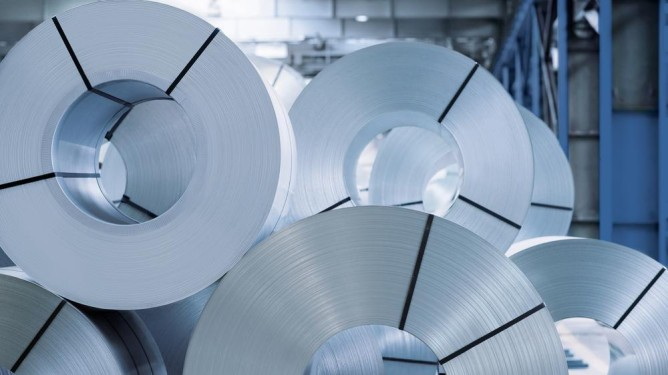
Germany's "Treatment & Coating of Metals" industry is a mature, technology‑intensive sector with more than 3,100 active businesses in 2025. Industry revenue is estimated at about EUR 13.6 billion in 2025, after growing roughly 2.8% per year since 2020, indicating stable demand for Surface Finishes Manufacturers And Suppliers. [ibisworld]
The industry scope includes electrolytic metal coating (electroplating) and coating with non‑metallic materials such as paints, powders and organic layers. Demand is closely coupled to mechanical engineering, automotive, and vehicle construction output, so German Surface Finishes Manufacturers And Suppliers are used to strict quality, traceability and audit requirements from Tier‑1 and OEM customers. [ibisworld]
Global surface treatments were valued at about USD 105.3 billion in 2024 and are projected to almost double by 2034, driven by corrosion protection, wear resistance and decorative finishes. German Surface Finishes Manufacturers And Suppliers are at the forefront of functional coatings such as molecular coatings for electronics, high‑performance ceramic coatings, and advanced corrosion‑resistant systems. [gminsights]
High‑performance ceramic coatings in Germany alone are expected to grow at more than 7% annually through 2032, supported by aerospace, power generation and automotive applications. As a result, OEM buyers will increasingly encounter Surface Finishes Manufacturers And Suppliers capable of complex multi‑layer systems and hybrid processes (e.g., ceramic + polymer + metallic coatings). [inkwoodresearch]
Germany's manufacturing culture is tightly linked to DIN and ISO standards, including those for surface texture and roughness. Surface finish specification is increasingly governed by the DIN EN ISO 21920 series, which integrates design, parameter definition and inspection for profile‑based surface texture. [metrology.mahr]
Alongside these, DIN ISO 1302 and earlier standards such as DIN 4768 are still widely referenced for roughness values and symbols, especially in castings and machined parts. For international buyers, this means Surface Finishes Manufacturers And Suppliers in Germany will normally work from fully standardized drawings and can verify Ra, Rz and other parameters with modern metrology systems. [iron-foundry]
The German metal finishing chemicals market, valued at around USD 11.2 billion in 2024, is projected to grow while tightening environmental regulations push the industry toward greener chemistries. German Surface Finishes Manufacturers And Suppliers therefore invest in chromate‑free passivation, low‑VOC coatings, closed‑loop rinsing systems and improved wastewater treatment. [linkedin]
At the same time, events such as SurfaceTechnology GERMANY highlight new eco‑friendly materials and processes, drawing exhibitors and visitors from more than 50 countries. For OEMs, partnering with German Surface Finishes Manufacturers And Suppliers can help meet corporate ESG targets and EU compliance obligations around REACH and VOC emissions. [doerken]
Germany's automotive industry, including passenger cars, commercial vehicles and components, is a critical customer group for Surface Finishes Manufacturers And Suppliers. Surface technology is used for corrosion protection on chassis parts, decorative chrome on trim, wear protection on engine components, and functional coatings on e‑mobility parts. [atotech]
Large tier‑1 suppliers and OEMs require PPAP, IATF 16949 and traceable process documentation from their coating partners. As a result, many Surface Finishes Manufacturers And Suppliers in Germany operate automated plating lines, robotic powder coating systems and fully documented quality management systems. [atotech]
The German machine tool and mechanical engineering sector is another pillar of demand for surface finishing. Production of grinding, cutting and finishing machines underlines how deeply integrated surface technology is in Germany's industrial base. [vdw]
Many job shops and contract manufacturers combine machining, welding, bending and surface finishing in one value chain. These integrated Surface Finishes Manufacturers And Suppliers appeal to international OEMs that need complete components—turned, milled, welded and coated—from a single partner. [wlw]
Germany's architectural coatings market, worth roughly USD 2.46 billion in 2026, relies heavily on industrial paint and powder coating suppliers for steel, aluminum and façade elements. Here, Surface Finishes Manufacturers And Suppliers provide powder coating, wet paint, anodizing and fire‑protection coatings for structural and decorative applications. [mordorintelligence]
In addition, many Surface Finishes Manufacturers And Suppliers in Germany serve infrastructure, energy and building technology projects with large‑component coating, including galvanizing, duplex systems and protective coatings according to DIN EN ISO standards. [mordorintelligence]
Electrolytic coating with metals such as zinc, nickel, copper, silver and gold forms the core of many German finishing shops. Companies like Electris, for example, focus on copper and aluminum electroplating for high‑current and energy applications, improving conductivity and corrosion resistance. [electriscoatings]
In addition to standard zinc or nickel plating, many Surface Finishes Manufacturers And Suppliers provide specialized alloy coatings, selective plating and multilayer systems to meet demanding automotive, power or data‑center requirements. These services often include laboratory support for coating thickness, adhesion and salt‑spray testing. [electriscoatings]
Powder coating is widely used for steel, aluminum and fabricated assemblies in Germany due to its durability and low VOC emissions. Surface finishing distributors and job shops offer uniform powder coatings with high color stability for industrial, architectural and consumer products. [wlw]
Many Surface Finishes Manufacturers And Suppliers integrate pre‑treatment, blasting and powder coating into one line to ensure adhesion and corrosion resistance. Some also provide wet painting and specialty coatings, such as fire‑protection systems certified to DIN EN 13501. [wlw]
Mechanical surface finishing—such as grinding, polishing, brushing and blasting—is a key capability for German component manufacturers. Mechanical finishing is often used to prepare surfaces for later coating or to achieve specific aesthetic or functional surface textures. [wlw]
Suppliers listed on German B2B platforms offer corundum blasting, vibratory finishing and precision grinding to meet tight dimensional and surface roughness requirements. These mechanical Surface Finishes Manufacturers And Suppliers are especially attractive for precision components, shafts, housing parts and visible metal surfaces. [wlw]
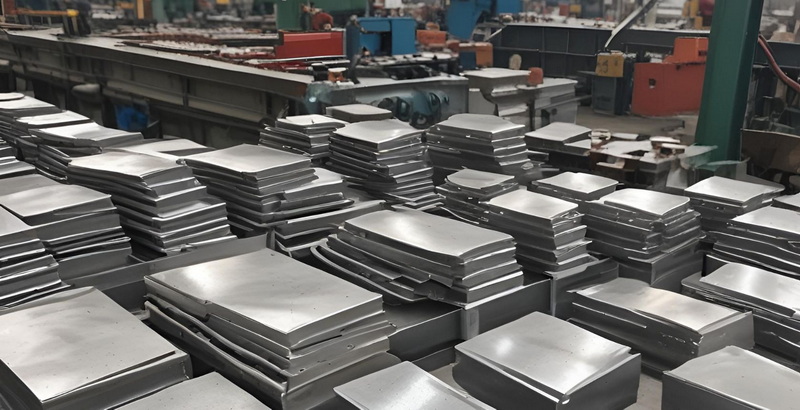
The German market is fragmented, with thousands of players, ranging from small specialists to large industrial groups. Below are illustrative examples of Surface Finishes Manufacturers And Suppliers across different segments. [kesseboehmer]
Company / Type | Location & Size | Core Capabilities | Notes For OEM Buyers |
Oerlikon Surface Solutions Holding GmbH | Major German operations, large group | Functional and decorative coatings, PVD, thermal spray | One of the biggest players in the Treatment & Coating of Metals industry in Germany. |
General Metal Finishing (Atotech brand) | Multiple sites | Electroplating chemistry and turnkey solutions | Supplies chemistry and technology to many Surface Finishes Manufacturers And Suppliers. |
Electris Coating Systems | Serving Germany from Europe | Copper and aluminum electroplating, technical coatings | Focus on conductivity and corrosion protection for energy and transport sectors. |
BT Lindau & similar powder coaters | Germany, regional | Powder coating, blasting, welded constructions | Industrial powder coating for steel and aluminum with mechanical pre treatment. |
Gutbrod + Gutbrod GmbH & Co. KG | Bodelshausen | Metal processing, welded assemblies, custom machines + finishing | Integrated machining, fabrication and surface finishing for OEM components. |
Gris Umformtechnik GmbH | Herscheid | Precision metal forming and finishing | Offers forming plus finishing with multiple quality certifications. |
Kesseböhmer | Multiple sites | Electroplating, powder coating, metal finishing | Large, efficient plating operations for steel, stainless steel and non ferrous metals. |
Because the ecosystem is dense, many OEMs use specialized B2B marketplaces or industry fairs to identify Surface Finishes Manufacturers And Suppliers that match their industry, volume and certification needs. [surface-technology-germany]
Successful sourcing starts by clearly defining the required surface finish parameters (e.g., Ra, Rz, coating thickness, corrosion performance in hours of salt‑spray). Using DIN EN ISO 21920 and DIN ISO 1302 terminology on drawings helps German Surface Finishes Manufacturers And Suppliers understand expectations and quote accurately. [metrology.mahr]
In addition, OEMs should define necessary certifications—such as ISO 9001, IATF 16949 or sector‑specific approvals—before shortlisting partners. This is especially important for safety‑relevant components in automotive, railway or energy applications. [electriscoatings]
When evaluating Surface Finishes Manufacturers And Suppliers, overseas buyers should assess both process depth and available capacity. Key questions include part dimensions, weight limits, line automation level, and whether the supplier can handle series production, prototypes or both. [ibisworld]
Site audits, sample runs and PPAP/first‑article inspections are common tools to validate performance. Many German suppliers also offer digital documentation, SPC data and traceable batch records that support long‑term quality assurance. [atotech]
For precision components, partnering with suppliers that combine machining, forming, welding and surface finishing can reduce logistics, lead time and risk. German firms such as Gutbrod + Gutbrod or Gris Umformtechnik pair metalworking with final surface finishing under one roof. [wlw]
For overseas OEMs, this integrated model simplifies supplier management and improves responsibility clarity, because one partner is accountable for both dimensional accuracy and surface quality. It also allows Surface Finishes Manufacturers And Suppliers to optimize processes jointly—for example, machining stock allowances matched to coating thickness. [wlw]
SurfaceTechnology GERMANY, held in Stuttgart, is one of the most important trade fairs for the coatings and surface‑treatment community. The 2024 edition hosted around 240 exhibitors and about 4,000 visitors from 53 nations, confirming its role as an international networking platform. [doerken]
At this event, Surface Finishes Manufacturers And Suppliers, equipment makers and chemical suppliers showcase new technologies in electroplating, coating, pre‑treatment and measuring systems. Overseas OEMs can meet multiple candidates face‑to‑face, compare capabilities and start technical discussions in a short time window. [surface-technology-germany]
B2B platforms listing mechanical surface finishing and coating suppliers in Germany show hundreds of distributors and customer‑specific manufacturers. These directories enable filtering by processes (powder coating, electroplating, blasting), part size, location and certifications. [wlw]
For international buyers who cannot attend trade fairs, such platforms provide an efficient way to pre‑screen Surface Finishes Manufacturers And Suppliers before contacting them directly for RFQs. Combining online research with targeted factory visits is often the most effective sourcing strategy. [wlw]
Germany offers a dense, technologically advanced network of Surface Finishes Manufacturers And Suppliers serving automotive, machinery, electronics and construction markets. Backed by strong DIN/ISO standardization, environmental regulation and a culture of precision engineering, German suppliers deliver reliable, high‑quality surface treatments for global OEMs. [gminsights]
With market growth driven by high‑performance coatings, sustainability and e‑mobility, the importance of specialized Surface Finishes Manufacturers And Suppliers in Germany will continue to increase. Overseas brands, wholesalers and manufacturers can gain a competitive edge by carefully selecting German partners with the right process portfolio, certifications and capacity—often in combination with international OEM relationships and integrated manufacturing capabilities. [inkwoodresearch]
Contact us to get more information!

German Surface Finishes Manufacturers And Suppliers most frequently offer electroplating (zinc, nickel, copper, silver), powder coating, wet paint, anodizing and mechanical finishing such as blasting and grinding. Many providers combine chemical and mechanical processes in one workflow to meet demanding roughness and corrosion‑resistance requirements. [electriscoatings]
Suppliers typically work according to DIN and ISO standards for surface roughness and coating properties, including DIN EN ISO 21920 and DIN ISO 1302 for surface texture. They use modern metrology, coating‑thickness gauges and standardized inspection plans to verify that each batch meets the specified surface parameters. [iron-foundry]
Yes. Many Surface Finishes Manufacturers And Suppliers in Germany are integrated into automotive and e‑mobility supply chains and hold certifications such as IATF 16949 or ISO 9001. These companies operate automated lines and can provide PPAP documentation, traceability and continuous improvement data required by global OEMs. [atotech]
Overseas OEMs can start with B2B platforms listing German mechanical and coating service providers, filtering by process, capacity and certifications. They can then shortlist candidates for RFQs, sample orders, online audits and, where necessary, on‑site visits or meetings at trade fairs such as SurfaceTechnology GERMANY. [doerken]
Buyers can expect increasing focus on chromate‑free systems, low‑VOC coatings and efficient wastewater treatment due to EU and national regulations. Many German Surface Finishes Manufacturers And Suppliers actively promote eco‑friendly chemistries and energy‑efficient processes as part of their value proposition to international customers. [linkedin]
1. 1. Global surface treatments market size, regional growth and major players, 2024–2034 – GMI Insights, "Surface Treatments Market Set Share, Trends | Forecast, 2025‑2034". [gminsights]
2. 2. France functional surface coatings market projections 2025–2032 – Mobility Foresights, "France Functional Surface Coatings Market Size and Forecasts 2032". [mordorintelligence]
3. 3. Environmental and regulatory context for metal surface finishing in France, including REACH and European Green Deal impacts – LinkedIn market commentary, "France Metal Surface Finishing Equipment Market Key Highlights". [linkedin]
4. 4. France metal finishing chemicals market size and key players – LinkedIn analysis, "France Metal Finishing Chemicals Market Industry Trends". [linkedin]
5. 5. Europe metal finishing industry leading players – Data Insights Market, "Europe Metal Finishing Industry Strategic Insights: Analysis 2026". [datainsightsmarket]
6. 6. France metal surface treatment service market size and forecast – LinkedIn market brief, "France Metal Surface Treatment Service Market: Key Highlights". [linkedin]
7. 7. European metal fabrication equipment market participants in France – Spherical Insights, "France Metal Fabrication Equipment Market Trend, Forecasts to 2033". [dataintelo]
8. 8. Structure of France's building completion and finishing industry – IBISWorld, "Building Completion & Finishing in France Industry Analysis, 2025". [ibisworld]
9. 9. Overview of metal shaping businesses and key companies in France – IBISWorld, "Metal Shaping in France Industry Analysis, 2025". [ibisworld]
10. 10. Overview of engineering plastics demand and growth in France – Mordor Intelligence, "France Engineering Plastics Market Size & Growth to 2031". [mordorintelligence]
11. 11. Global surface finish chemical market overview and demand trends – Dataintelo, "Surface Finish Chemical Market Research Report 2033". [researchandmarkets]
12. 12. Europe metal plating and finishing demand outlook – Mobility Foresights, "France Metal Plating and Finishing Market Size and Forecasts 2031". [sphericalinsights]


