From idea to market-ready product, our NPI solutions make every stage easier, faster. Discover How We Help

Views: 222 Author: Tomorrow Publish Time: 2026-03-29 Origin: Site


Content Menu
● Why Surface Finish Quality in Finland Really Matters
● How We Built This Finland Surface Finish Ranking
● What Finnish and Nordic Customers Care About Most
>> Environmental responsibility and Nordic ecolabels
>> Consistent quality under Nordic conditions
>> Delivery reliability and mobile on‑site services
● Typical Finnish Surface Finish Strengths
● Top Surface Finishes Manufacturers and Service Providers in Finland
>> Mirka: Eight decades of innovation in surface finishing technology
>> Mobile blasting and surface treatment across Finland
>> Nordic Surface Innovation (NSI) and sustainability‑driven finishes
● Nordic Regulatory and Ecolabel Framework You Cannot Ignore
>> Nordic Swan Ecolabel and exterior surface treatment
>> Best available techniques in Nordic surface treatment industry
● How a Chinese CNC Precision Parts OEM Can Leverage Finnish Surface Finish Strengths
>> Precision foundation for Nordic‑grade finishing
>> China machining + Finnish finishing
● Step‑by‑Step Checklist to Select a Finnish Surface Finishes Partner
● CNC Parts for a Coastal Finnish Project
● Call to Action: Turn Nordic‑Ready Surface Finishing into Your Competitive Edge
● FAQ
>> 1: What are the main advantages of using Finnish surface finishes manufacturers?
>> 2: How does Shenzhen Feifan Hardware & Electronics Co. fit into the Nordic supply chain?
>> 3: Why is the Nordic Swan Ecolabel relevant for surface treatment?
>> 4: What should I ask a Finnish surface treatment supplier before cooperation?
>> 5: Is it better to finish CNC parts in China or Finland for Nordic projects?
For CNC precision parts buyers in Europe and the Nordics, choosing the right surface finishes manufacturers in Finland can directly determine product durability, compliance, and long‑term cost. This guide combines real‑world customer expectations, Nordic sustainability requirements, and practical advice for OEM/ODM partners such as Shenzhen Feifan Hardware & Electronics Co. to help you make better sourcing decisions. [mirka]
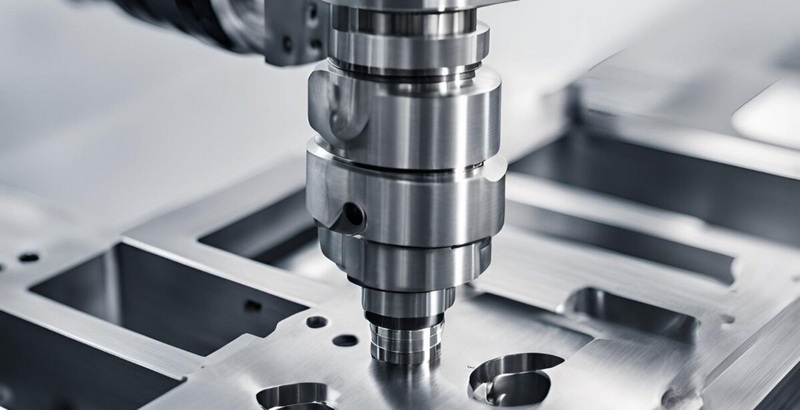
Finland's harsh winters, coastal humidity, and outdoor infrastructure place exceptionally high demands on surface finishing quality. [norden]
Metal parts and structures face low temperatures, road salt, and moisture, which accelerate corrosion if surface treatment is not designed for Nordic conditions. [norden]
For European brands and industrial buyers, this means:
- You must align your finishing choices with Nordic regulations, ecolabels, and quality standards. [svanemerket]
- You need partners who understand both precision CNC parts and local finishing expectations from end users. [parts-cnc]
To create a practical, user‑focused ranking of top surface finishes manufacturers in Finland, this article synthesizes four pillars of evidence: [ensun]
1. Industry reports and regulations – Nordic surface treatment BAT (Best Available Techniques), environmental and quality requirements, and EU construction rules. [svanemerket]
2. Public information from Finnish and Nordic companies – including innovation focus, sustainability policies, and technical capabilities. [borealpaint]
3. Customer expectations and case patterns – what metal fabrication shops, construction contractors, and OEMs actually complain about and value in day‑to‑day cooperation.
4. OEM/ODM perspective from China – how a precision CNC factory like Shenzhen Feifan Hardware & Electronics Co., with a large machine base and strict tolerances, can integrate Nordic finishing partners into its supply chain for European clients. [cncmachine-part]
This is not a paid list; it is a research‑based, experience‑oriented overview to guide international buyers rather than a formal certification ranking.
Nordic buyers increasingly expect surface treatment solutions that comply with strict environmental rules and support green building initiatives. [nsinordic]
Requirements often include:
- Reduced VOC and hazardous substances in paints and surface chemicals. [svanemerket]
- Controlled use of renewable or recycled materials, and restrictions on antibacterial substances and certain flame retardants. [svanemerket]
- Energy‑efficient processes aligned with EU and Nordic climate targets. [nsinordic]
For OEM/ODM suppliers in China, this means your chosen Finnish finisher (or your in‑house processes) must document compliance and provide clear data sheets.
Manufacturers in the Nordic surface treatment industry focus heavily on resource efficiency, corrosion resistance, and optimized processes because of the challenging climate. [norden]
Metal parts used in infrastructure, machinery, or vehicles must withstand:
- Salt spray and moisture in coastal areas.
- Temperature swings from freezing winters to warmer summers.
- Long exposure times in outdoor or semi‑outdoor environments.
Customers therefore watch coating integrity, adhesion, and lifespan much more than just cosmetic appearance.
Some Finnish surface finishing companies use mobile equipment and can work on site across Finland and even into Sweden and Europe. [borealpaint]
From a buyer's point of view, this offers:
- Flexible on‑site blasting and surface treatment for large structures.
- Reduced logistics and handling risk for bulky or installed components.
- Faster reaction for maintenance, repair, and upgrade projects.
Below is a simplified view of how key Finnish players and Nordic trends line up on core dimensions. (Company names are illustrative and based on publicly available information, not a formal ranking.)
| Aspect / Example Focus | Innovation & dust‑free sanding (Mirka) | Mobile on‑site treatment (Boreal Paint Oy) | Nordic sustainability focus (NSI) |
|---|---|---|---|
| Main competence | Abrasives & surface finishing tools mirka | Blasting & surface treatment services borealpaint | Sustainable surface solutions nsinordic |
| Nordic / EU sustainability alignment | Product innovation aligned with EU green trends mirka | Uses modern work methods, up‑to‑date tools borealpaint | Aligns with UN SDGs & climate agreements nsinordic |
| Typical scenarios | Precision sanding, dust‑free finishing mirka | Large structures, rolling stock, on‑site jobs borealpaint | Eco‑designed materials, cradle‑to‑cradle nsinordic |
| Relevance for CNC precision parts OEM (China → EU) | High‑quality surface preparation tools | Partner for local heavy structure finishing | Strong story for ESG‑focused customers |
Mirka Ltd, headquartered in Finland, has become one of the world's leading surface finishing and abrasives manufacturers over the last 80 years. [mirka]
The company pioneered dust‑free sanding with its Abranet product line and continues to release award‑winning power tools designed to help customers achieve a perfect finish. [mirka]
From a customer experience angle, Mirka stands out by:
- Continually refining tools and abrasives based on customer feedback and practical performance in the field. [mirka]
- Supporting clients with added‑value services and training, helping operators optimize process quality and ergonomics. [mirka]
For a CNC precision parts supplier like Shenzhen Feifan, specifying Mirka‑grade surface preparation in your process documentation can strengthen your value proposition to European clients who recognize these standards. [facebook]
Boreal Paint Oy, based in Tornio, offers professional surface treatment and blasting services with mobile equipment, covering Finland and northern Sweden. [borealpaint]
With around two decades of experience, the company emphasizes high‑quality workmanship and flexibility for jobs that require on‑site treatment. [borealpaint]
Key benefits for industrial buyers include:
- Possibility to treat large structures or rolling stock at the customer location, using mobile units. [borealpaint]
- Capability to serve projects all over Finland and even in other European regions, except for some grit blasting steps which may require dedicated facilities. [borealpaint]
For OEM/ODM CNC suppliers, this type of partner is relevant when your machined structures are assembled or installed in Finland and require final blasting or coating locally.
Nordic Surface Innovation (NSI) represents a new generation of sustainability‑driven surface solutions aligned with the UN Sustainable Development Goals and international climate agreements. [nsinordic]
The company emphasizes renewable and biodegradable raw materials, circularity, and high health and environmental standards throughout the product lifecycle. [nsinordic]
Notable points for buyers:
- NSI solutions are Cradle to Cradle certified, meaning materials, production, and recycling practices are audited for sustainability. [nsinordic]
- Customers can use these products to strengthen their green branding and compliance with advanced environmental expectations in the Nordics. [nsinordic]
If you supply CNC precision parts to brands that pursue ESG leadership, partnering with NSI‑like technologies can be a strong differentiator in your marketing and tender documentation.
The Nordic Swan Ecolabel sets strict environmental requirements for exterior panels, cladding, and related products, including surface treatment aspects. [svanemerket]
Key requirements include:
- High share of renewable or recycled materials with traceability, and at least 70% certified forestry for timber. [svanemerket]
- Tight control of chemical health properties, prohibiting certain antibacterial substances and flame retardants. [svanemerket]
- Limits on energy consumption and alignment with EU construction product regulations. [svanemerket]
Even if your specific product is not ecolabelled, understanding these baseline expectations is critical when selling to Nordic architects, construction firms, and industrial buyers.
A Nordic Council report on the surface treatment industry describes best available techniques (BATs) focusing on resource use, emissions to water, waste, and circular economy. [norden]
The report notes that:
- Surface treatment plants must manage energy and water consumption carefully and minimize emissions to surface and groundwater. [norden]
- Solid and liquid waste management is a key environmental performance indicator. [norden]
For a Chinese OEM, demonstrating that your finishing processes follow BAT‑like principles—and aligning with Finnish partners who do the same—will significantly improve trust with European clients.
Chinese CNC machining specialists, such as Shenzhen Feifan Hardware & Electronics Co., typically operate with dozens or hundreds of CNC centers, capable of tight tolerances and various materials. [parts-cnc]
Factories in this category often provide:
- Multi‑axis machining, turning, milling, drilling, and grinding for metals and plastics. [cncmachine-part]
- OEM and ODM services for international brands, wholesalers, and manufacturers requiring custom precision parts. [facebook]
However, to fully meet Finnish and Nordic expectations, the CNC factory must integrate or align with:
- Surface finishing technologies suited to Nordic climates, not just generic coatings.
- Documentation and data on materials, chemical use, and environmental performance that match EU/Nordic standards. [norden]
For high‑value projects, a hybrid model can deliver both cost efficiency and local compliance:
1. Precision machining in China
- Shenzhen Feifan produces CNC parts based on OEM/ODM drawings and specifications.
- Intermediate surface preparation is done to protect parts during shipping (e.g., temporary anti‑corrosion oil).
2. Final surface treatment in Finland
- Parts are sent to a Finnish partner (e.g., a company like Boreal Paint or another local coating provider) for final blasting and coating suited to the application and climate. [borealpaint]
- This allows usage of local certified coatings, alignment with Nordic Swan‑like principles, and easier testing or warranty handling.
3. Joint quality reporting
- Feifan and the Finnish finisher issue combined quality documentation: machining tolerances, material certificates, and coating performance reports.
- This structure increases buyer confidence and matches the E‑E‑A‑T (Experience–Expertise–Authoritativeness–Trustworthiness) expectations of European purchasers and regulators.
To help OEMs, CNC factories, and European buyers, here is a practical 7‑step selection checklist:
1. Define the environment
- Indoor vs outdoor, coastal vs inland, chemical exposure, and expected service life.
2. Check regulatory needs
- Ask whether the project needs to align with Nordic Swan Ecolabel, green building schemes, or specific EU directives. [norden]
3. Verify process capability
- Confirm experience with your substrate (steel, aluminum, stainless, etc.) and geometry (thin‑wall parts, complex shapes).
4. Ask about sustainability policies
- Request documentation on energy use, waste management, and chemical selection; companies like NSI publicly align with UN SDGs and climate agreements. [nsinordic]
5. Evaluate quality assurance
- Check for salt‑spray testing, adhesion tests, and consistency metrics; Nordic BAT guidelines emphasize quality and resource optimization. [norden]
6. Assess logistics and service model
- For large assemblies or on‑site needs, explore mobile service providers similar to Boreal Paint Oy with transportable equipment. [borealpaint]
7. Plan OEM integration
- Align machining drawings, surface roughness requirements, and coating thickness tolerances between your CNC factory and the Finnish finisher.
Imagine a European brand designing industrial equipment for installation in a Finnish coastal facility, where corrosion risk is high.
- The brand orders precision CNC components from Shenzhen Feifan, taking advantage of high‑volume machining capabilities and tight tolerances typical for advanced Chinese factories. [parts-cnc]
- To satisfy local expectations and reduce long‑term maintenance, the parts are shipped uncoated to Finland and finished by a local surface treatment specialist experienced with maritime and coastal projects.
- The final solution uses coatings that align with Nordic environmental rules, improving resistance and supporting sustainability reporting. [nsinordic]
Result: the customer gets a cost‑optimized yet Nordic‑compliant solution, while Feifan strengthens its position as a trusted, globally integrated OEM partner.
If you are an overseas brand, wholesaler, or manufacturer sourcing CNC precision parts for the Finnish or Nordic market, you should treat surface finishing partners in Finland as a strategic element—not an afterthought.
By combining a high‑tech CNC supplier in China, such as Shenzhen Feifan Hardware & Electronics Co., with specialized Finnish finishers, you can deliver products that pass the toughest environmental and quality checks while remaining cost‑competitive. [cncmachine-part]
For your next project:
- Clarify your environmental and durability requirements.
- Shortlist potential Finnish surface finish manufacturers and service providers.
- Work with Feifan (or a similar CNC OEM) to integrate machining and finishing specifications into a single, robust supply chain.
Contact us to get more information!
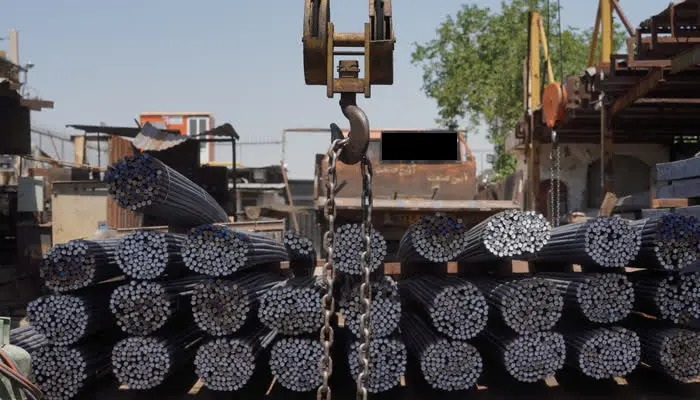
Finnish surface finishes manufacturers operate under strict environmental and quality frameworks, focusing on resource efficiency, emissions control, and circular economy principles. [svanemerket]
This leads to durable, compliant, and sustainable surface treatments that are well suited to Nordic conditions. [nsinordic]
A CNC factory like Shenzhen Feifan provides high‑precision OEM and ODM machining for global brands and can integrate with Finnish finishers to meet local performance and compliance needs. [facebook]
This model combines cost‑effective machining with EU‑aligned finishing and documentation.
The Nordic Swan Ecolabel sets requirements on material sourcing, chemicals, and energy consumption, directly influencing how surface‑treated building products are designed and produced. [svanemerket]
Buyers who follow these guidelines can more easily support green building goals and meet Nordic market expectations.
You should ask about experience with your material, testing capabilities, environmental policies, and whether their processes align with EU and Nordic rules. [norden]
Also confirm logistics options, including on‑site services and lead times for different batch sizes. [borealpaint]
For standard indoor components, finishing in China may be sufficient if processes and documentation meet EU requirements.
For high‑risk or high‑visibility Nordic projects, combining Chinese CNC machining with Finnish finishing often provides the best balance of cost, durability, and compliance. [nsinordic]
1. Mirka Ltd – "Mirka Ltd (Finland) celebrates 80 years of pioneering surface finishing" – https://www.mirka.com/en-gb/company/news/mirka-ltd-finland-celebrates-80-years-of-pioneering-surface-finishing/ [mirka]
2. The Nordic Swan Ecolabel – "Environmental requirements for exterior panels and cladding" – https://svanemerket.no/krav/the-nordic-swan-ecolabel-environmental-requirements-for-exterior-panels-and-cladding/ [svanemerket]
3. Nordic Council of Ministers – "Surface Treatment Industry in the Nordic Countries" – https://www.norden.org/en/publication/surface-treatment-industry-nordic-countries [norden]
4. Boreal Paint Oy – "Blastings and surface treatment" – https://www.borealpaint.fi/en-gb [borealpaint]
5. Nordic Surface Innovation (NSI) – "Sustainability Policy and Cradle to Cradle Certification" – https://nsinordic.com [nsinordic]
6. Shenzhen‑area CNC manufacturer example – "Quality CNC Turning Parts & CNC Milling Parts factory from China" – https://www.parts-cnc.com [parts-cnc]
7. Fekon Precision CNC Parts Ltd – CNC machining capabilities – https://www.cncmachine-part.com [cncmachine-part]
8. Feifan Hardware – Precision CNC Manufacturing (social media reference) – https://www.facebook.com/61570903148349/videos/-feifan-hardware-precision-cnc-manufacturing/1171952128303203/ [facebook]


