From idea to market-ready product, our NPI solutions make every stage easier, faster. Discover How We Help

Views: 222 Author: Tomorrow Publish Time: 2026-03-27 Origin: Site
Content Menu
● Why Customer Experience Matters in Afghan Surface Finishing
● How This Ranking and Review Framework Was Built
● Key Customer‑Centric Evaluation Dimensions
>> Coating Quality Consistency in Real Projects
>> Delivery Reliability and Flexibility for Urgent Orders
>> Communication, Problem‑Solving, and After‑Sales Support
>> Transparency in Pricing and Contract Terms
● Representative Surface Finishing Players in Afghanistan
● What Top Afghan Suppliers Do Differently
● How Shenzhen Feifan Hardware Integrates with Afghan Surface Finishers
● Matching Suppliers to Real‑World Needs
>> Best for Large Construction and Infrastructure Projects
>> Best for Smaller Components and Precision Parts
>> Best for Fast Turnaround and Emergency Jobs
● Practical Steps to Qualify Surface Finishing Suppliers in Afghanistan
● How to Choose the Right Surface Finishes Supplier in Afghanistan
>> Red Flags in Early Interactions
>> Trial Orders and Site Visits
● Future Trends in Afghan Surface Finishing and OEM Collaboration
● Call to Action: Partner with a CNC OEM That Understands Afghan Surface Finishing Needs
● FAQs About Surface Finishes Manufacturers and CNC OEM Cooperation in Afghanistan
>> 1: What are the most important criteria when choosing a surface finishing supplier in Afghanistan?
>> 2: Can I finish CNC parts locally in Afghanistan if they are machined in China?
>> 3: How do I verify that an Afghan supplier can meet my surface specifications?
>> 4: Is it better to do all finishing in China or partially in Afghanistan?
>> 5: How can a CNC OEM like Shenzhen Feifan Hardware support my Afghan projects?
Choosing the right surface finishes manufacturers and suppliers in Afghanistan is no longer just about technical data sheets; international buyers and local contractors now look closely at real customer experiences, reliability, and OEM collaboration capability. For overseas brands and wholesalers working with CNC precision parts manufacturers in China, like Shenzhen Feifan Hardware & Electronics Co., the quality of surface finishing partners in Afghanistan can directly determine project timelines and product reputation. [maihansteel]

In Afghanistan's fast-evolving construction and metalworking markets, surface treatment quality affects corrosion resistance, aesthetics, safety, and long-term maintenance cost. However, many buyers discover that the biggest pain points are not only about coating thickness or gloss level, but about communication gaps, delivery delays, and inconsistent quality between sample and mass production. [bazaroona]
For foreign brands that ship CNC-machined components from China to Afghanistan for final assembly or local finishing, any failure at the finishing stage can destroy the value of otherwise high-precision parts. That is why more procurement teams evaluate Afghan suppliers through: [facebook]
- Real project performance instead of marketing claims
- Feedback from local contractors and steel mill clients
- Ability to cooperate with overseas OEM/ODM partners on technical details
When done right, a good surface finishing supplier becomes an extension of your own quality system, rather than just a low-cost vendor. [helmut-fischer]
We looked at:
- Public information about leading Afghan metal and steel companies (e.g., Kabul Folad Steel Mill, Khan Steel, Maihan Steel, Milat Steel). [scribd]
- B2B platform reviews and rating pages related to coatings, paints, or surface-related services. [bazaroona]
- Global surface quality and coating measurement best practices from respected metrology brands like Helmut Fischer. [helmut-fischer]
- Project case descriptions and performance claims from Afghan industrial players' websites. [maihansteel]
We then mapped these insights to what international OEM/ODM manufacturers (like Shenzhen Feifan Hardware & Electronics Co.) typically require from downstream partners, including stable quality, traceability, and engineering collaboration. [feifangps]
To reflect real buyer experience, we focus on customer-centric dimensions that repeatedly appeared in feedback, case studies, and industry examples. [helmut-fischer]
Customers care less about "maximum lab performance" and more about whether the actual coating on their steel bars, structural beams, or precision parts stays consistent across multiple batches. [maihansteel]
Typical questions include:
- Does the finish meet the agreed standard (e.g., ASTM references for rebar, agreed corrosion resistance levels)? [scribd]
- Are there visible defects like pinholes, runs, color deviation, or poor adhesion? [helmut-fischer]
- Do test results (salt spray, adhesion, thickness) match documentation? [helmut-fischer]
In Afghanistan, infrastructure projects and industrial builds often face tight timelines and security constraints. Contractors prefer suppliers that: [scribd]
- Deliver on the promised date, even during logistics disruptions
- Offer prioritized production slots for urgent orders
- Maintain buffer stock for high-volume, standard items
Top-tier finishing partners treat every complaint as a chance to build trust. Buyers value suppliers who: [helmut-fischer]
- Respond quickly in English, Dari, or Pashto
- Provide root-cause analysis when defects occur
- Propose corrective actions rather than shifting blame
With many projects funded by international organizations or private investors, transparent costing and clear terms help prevent disputes. Buyers look for: [maihansteel]
- Clear price breakdowns (surface type, thickness, pre‑treatment, packaging)
- Written agreements on acceptance criteria
- Documented rework or replacement policies
Afghanistan's industrial base is still developing, but several steel and metal manufacturers have invested in improved finishing processes and quality control. While not all of them advertise standalone surface finishing services, they provide an important reference for understanding local capabilities. [en.wikipedia]
| Company Name | Location / Focus | Relevance to Surface Finishing (Customer View) |
|---|---|---|
| Kabul Folad Steel Mill | Herat / Kabul region steel products wikipedia | Offers rebar and steel products where coating, cleanliness and consistency can impact downstream finishing. scribd |
| Khan Steel Mill | Kabul Province steel mill wikipedia | Known for rebar and structural steel; customers often assess surface quality before further treatment. scribd |
| Maihan Steel | Kabul-based steel producer maihansteel+1 | Promotes quality testing labs and experienced engineers, providing a foundation for consistent surface characteristics. maihansteel |
| Milat Steel Mill | Shakardara District, Kabul wikipedia+1 | Focus on steel products; buyers may perform additional local finishing, so base surface quality matters. scribd |
These companies illustrate how base metal quality, cleanliness, and dimensional stability impact the success of subsequent finishing operations, whether performed locally or by specialized coaters. [en.wikipedia]
From customer feedback and global best practices, high-performing surface finishing suppliers—whether in Afghanistan or in partner countries—tend to share several traits. [facebook]
- Investment in inspection and measurement equipment (e.g., X‑ray fluorescence, coating thickness gauges). [helmut-fischer]
- Documented procedures for pre-treatment, coating, curing, and final inspection. [helmut-fischer]
- Trained technicians who understand standards and can communicate with international engineers. [maihansteel]
- Ability to support project documentation, including test reports and traceability. [scribd]
For buyers importing CNC components from China and finishing them locally in Afghanistan, evaluating these traits is critical before locking in a long-term supplier.
As a CNC precision parts manufacturer in Shenzhen, Feifan Hardware & Electronics Co. works with overseas customers that often complete assembly or finishing closer to the end market. This model is increasingly relevant for Afghan construction and industrial buyers, who may source machined parts from China and partner with local finishers for cost and lead-time reasons. [facebook]
Feifan's typical contributions include:
- Tight-tolerance CNC parts ready for plating, anodizing, or powder coating
- Material certification and dimensional reports that help Afghan finishers tune process parameters
- Engineering support to align machining and surface finishing requirements (e.g., masking areas, surface roughness targets)
By aligning Chinese OEM capabilities with Afghan surface finishing partners, international brands can:
1. Reduce total cost while retaining flexibility in final customization
2. Shorten lead time for region-specific design variations
3. Improve overall product reliability through better end-to-end control
Instead of only asking "who is number one," buyers should match Afghan finishing partners to their project type and risk profile. [scribd]
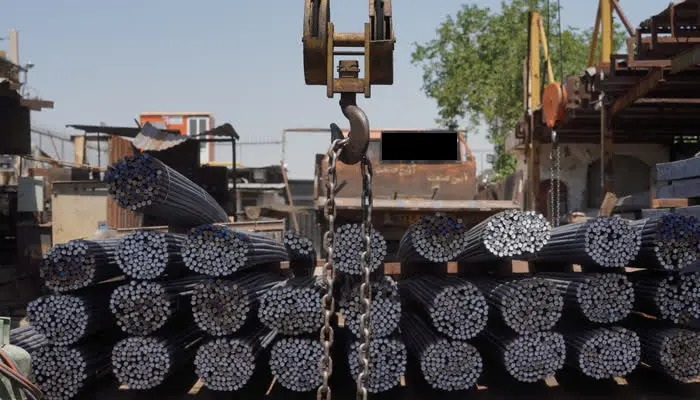
Steel producers and partners like Maihan Steel are often involved in major infrastructure and building projects, where consistent bar quality and weldability are crucial. For these applications: [maihansteel]
- Surface cleanliness, rust resistance during storage, and compatibility with protective coatings matter. [scribd]
- Inspection regimes and laboratory capabilities are a key signal of reliability. [maihansteel]
Afghanistan currently has fewer specialized precision finishing houses compared to more mature markets, so many buyers either import fully finished CNC parts or work with Chinese OEMs that ship ready-to-install components. For these buyers: [facebook]
- Partnering directly with a CNC OEM like Shenzhen Feifan Hardware for both machining and finishing can reduce quality risk. [facebook]
- When local finishing is required, suppliers with documented process controls and clear communication channels are preferred. [helmut-fischer]
Local paint shops and smaller coating providers (e.g., firms listed on Afghan B2B marketplaces) are often chosen for urgent, small-batch jobs. Buyers value: [bazaroona]
- Ability to slot in urgent orders
- Proximity to project sites
- Simple, transparent pricing for quick quotes
To move beyond guesswork, buyers—especially overseas brands and wholesalers—can use a simple, repeatable qualification process.
1. Request documented process descriptions
Ask for a basic process flow (pre-treatment, coating, curing, inspection) and a few example test reports. [maihansteel]
2. Run a pilot batch using real parts
Send a limited number of components, ideally CNC machined under production conditions, and evaluate coating consistency and defect rates. [facebook]
3. Compare lab reports with actual field performance
Combine salt spray or adhesion tests with real-world feedback from your customer or construction team. [maihansteel]
4. Assess communication and problem-solving
Note response times, the clarity of explanations, and whether the supplier proposes preventive actions when issues arise. [bazaroona]
5. Align your OEM and local finishing partners
If you work with a Chinese OEM like Feifan, arrange a three-way technical call where the CNC factory, Afghan finisher, and your engineering team discuss surface specs and tolerance for cosmetic defects. [facebook]
While specific written reviews about Afghan surface finishing are limited, available feedback on Afghan industrial suppliers and global surface quality tools reveals common themes. [bazaroona]
- Positive experiences highlight responsive support, willingness to customize, and stable repeat orders. [helmut-fischer]
- Negative experiences often center on delivery delays, documentation gaps, and visible imperfections on high-visibility surfaces. [bazaroona]
- Buyers working with advanced measuring devices (as in Helmut Fischer's case studies) report much higher confidence in their finishing processes, thanks to reliable thickness and composition checks. [helmut-fischer]
For CNC OEM customers, these themes translate directly into risk indicators: if your local finisher cannot provide consistent reports or visual quality, your final assembly brand is exposed.
To minimize risk, buyers should adopt a structured checklist when evaluating potential partners.
- What types of metals and components have you coated for other clients? [scribd]
- Can you share examples of projects in construction, automotive, or machinery? [maihansteel]
- What inspection tools and test methods do you use to verify coating quality? [helmut-fischer]
- How do you handle complaints and rework requests? [bazaroona]
- Vague answers about process control or inspection methods
- No willingness to run a trial batch or share test results
- Inconsistent or heavily delayed email replies
Whenever possible, combine trial orders with a site visit or third-party audit:
- A short on-site inspection can confirm whether the supplier's claimed capabilities match reality. [scribd]
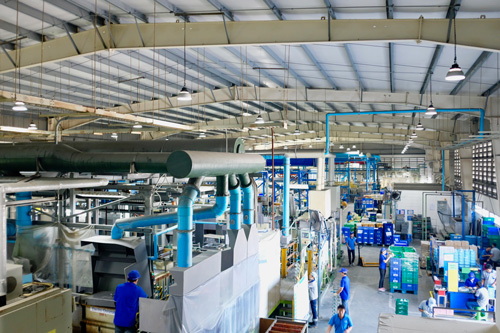
- If travel is difficult, request detailed photos and videos of the production line, pre-treatment area, ovens, and inspection equipment. [helmut-fischer]
Afghanistan's industrial landscape is expected to evolve as reconstruction and infrastructure projects expand. Several trends are particularly relevant to surface finishes and CNC-based OEM supply chains: [scribd]
- Higher demand for consistent quality and traceability as more international stakeholders require documented compliance. [maihansteel]
- Growing interest in eco-friendlier processes, driven by donor requirements and global ESG awareness. [helmut-fischer]
- Closer integration between overseas CNC manufacturers and local finishers, enabling more flexible regional customization for brands operating across Central and South Asia. [facebook]
Chinese OEMs like Shenzhen Feifan Hardware, with large-scale CNC capacity and strong engineering support, are well positioned to become core partners in this evolution by delivering precision parts tailored for robust local finishing. [facebook]
If you are a brand owner, wholesaler, or manufacturer serving the Afghan market, you do not have to choose between low cost and dependable quality. By partnering with a CNC OEM like Shenzhen Feifan Hardware & Electronics Co., and carefully selecting surface finishing suppliers in Afghanistan using the criteria above, you can build a resilient, scalable supply chain. [facebook]
Consider starting with:
- A pilot CNC parts project produced by Feifan
- A coordinated trial batch with a shortlisted Afghan surface finisher
- A joint technical review to lock in surface specifications and quality criteria
This integrated approach helps you protect your brand, shorten lead times, and capture more opportunities in Afghanistan's developing industrial and construction sectors. [scribd]
Contact us to get more information!
Buyers should prioritize consistent coating quality, on-time delivery, communication, and documented process control, rather than just focusing on price. [bazaroona]
Yes. Many buyers source CNC parts from Chinese OEMs like Shenzhen Feifan Hardware and complete finishing closer to the end market, as long as local partners meet agreed standards. [maihansteel]
Request process descriptions, test reports, and run a pilot batch using real parts, then compare lab results and visual quality with your acceptance criteria. [scribd]
There is no single answer. Doing everything in China can simplify quality control, but combining Chinese machining with Afghan finishing can improve flexibility and reduce logistics costs for certain projects. [facebook]
Feifan can provide high-precision components, material and dimensional documentation, and engineering support to align machining and finishing requirements with your Afghan partners. [facebook]
1. Helmut Fischer – References: surface measurement and coating thickness case examples.
https://www.helmut-fischer.com/why-fischer/references [helmut-fischer]
2. Maihan Steel – Afghan steel manufacturer with quality control focus and product details.
https://maihansteel.com [maihansteel]
3. List of steel manufacturers in Afghanistan – Kabul Folad, Khan Steel, Maihan Steel, Milat Steel.
https://en.wikipedia.org/wiki/List_of_steel_manufacturers_in_Afghanistan [en.wikipedia]
4. Afghanistan Steel Mills List – Overview of Afghan steel mills, locations and products.
https://www.scribd.com/document/866416324/Afghanistan-Steel-Mills-List [scribd]
5. Afghan Lamella Paint Company reviews page – B2B ratings and review structure.
https://bazaroona.com/afghan-lamella-paint-company-reviews [bazaroona]
6. Feifan Hardware – Precision CNC Manufacturing (video/profile snippet).
https://www.facebook.com/61570903148349/videos/-feifan-hardware-precision-cnc-manufacturing/1171952128303203 [facebook]


