From idea to market-ready product, our NPI solutions make every stage easier, faster. Discover How We Help

Views: 222 Author: Tomorrow Publish Time: 2026-01-10 Origin: Site


Content Menu
● Understanding CNC Turning Services
>> Industries That Depend on CNC Turning
● The CNC Turning Industry in France
● Top CNC Turning Services Manufacturers And Suppliers in France
● Advantages of Choosing French CNC Turning Suppliers
● Partnering with Chinese OEM CNC Manufacturers
● How to Choose the Right CNC Turning Supplier
● The Future of CNC Turning in France
● Frequently Asked Questions (FAQ)
>> 1. What is the typical tolerance that French CNC turning suppliers can achieve?
>> 2. Can French suppliers provide OEM packaging and labeling?
>> 3. Are they capable of working on both prototypes and mass production?
>> 4. How do French manufacturers compare in cost with other European suppliers?
>> 5. Can clients outside Europe easily cooperate with French CNC suppliers?
France has long stood as a hub of precision manufacturing, engineering innovation, and industrial excellence. In the field of CNC Turning Services Manufacturers And Suppliers, the country cultivates a robust ecosystem that merges advanced automation, metrology, and machining intelligence. French industries emphasize quality, sustainability, and expertise, making them valuable partners for global companies requiring OEM or ODM cooperation.
Precision engineering in France benefits from centuries of craftsmanship, world-class technical education, and collaboration with aerospace, automotive, and energy giants. As international demand for custom metal components grows, the reputation of French CNC turning manufacturers continues to rise. This article explores the country's leading companies, their strengths, capabilities, industry trends, and how global clients—particularly OEM buyers—can benefit from sourcing in France.

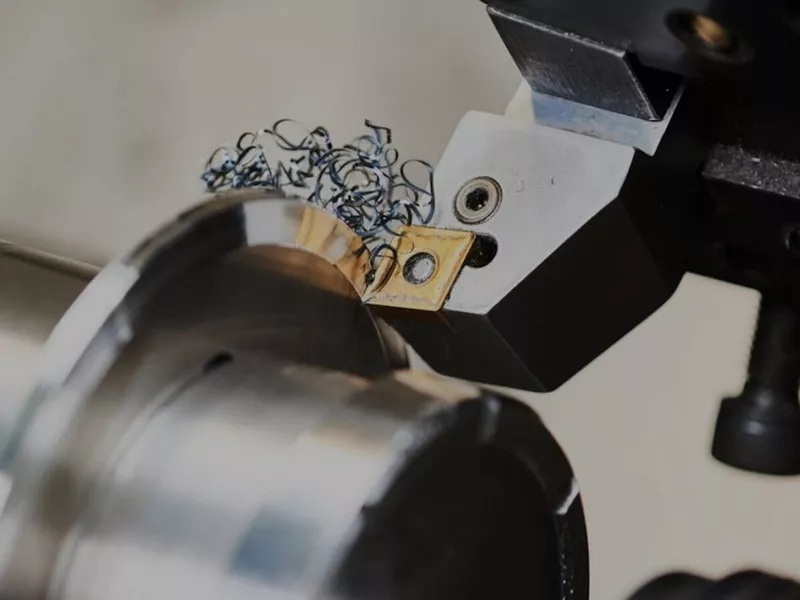
CNC (Computer Numerical Control) turning is one of the most widely used machining methods in the precision manufacturing world. The process involves rotating a cylindrical workpiece while a stationary cutting tool removes material according to programmed instructions. The result is a component with extreme dimensional accuracy, smooth surface finishes, and precise geometries.
Unlike manual lathes, CNC turning machines are computer-controlled, which guarantees repeatability even for high-volume production. Using G-code commands, engineers can manage feed rates, tool paths, and cutting speeds with high precision. Advanced CNC lathes can perform turning, drilling, threading, and grooving operations in one setup, saving time and ensuring consistent quality.
CNC turning manufacturers in France work with diverse materials, including:
- Aluminum alloys (6061, 7075) for lightweight but strong parts
- Stainless steels (304, 316, 440C) for corrosion resistance
- Brass and copper for electrical conductivity and aesthetic quality
- Titanium alloys for aerospace and medical applications
- Plastics such as PEEK, nylon, and acetal for non-metallic components
Each material requires customized tooling, feeds, and speeds—something experienced CNC turning suppliers excel at managing.
The versatility of CNC turning makes it indispensable across multiple sectors:
- Aerospace: Aircraft fittings, shafts, fasteners, and hydraulic components
- Automotive: Engine parts, gear components, and brake system valves
- Medical: Surgical tools, implants, and prosthetic connectors
- Electronics: Connectors, cases, and sensor housings
- Industrial Machinery: Custom bushings, rollers, and threaded shafts
French CNC Turning Services Manufacturers And Suppliers are renowned for meeting stringent industry certifications, including EN 9100 for aerospace and ISO 13485 for medical manufacturing.
The French CNC machining landscape blends technical precision with sustainable production methodologies. France's government actively encourages industrial modernization through initiatives like “France Relance” and “Industry of the Future,” promoting digital transformation across manufacturing.
Key characteristics of French CNC turning companies include:
- Automation and Robotics: Many workshops use robotic arms and automated tool changers to reduce cycle times.
- Smart Manufacturing Systems: Real-time data analytics optimize performance and minimize downtime.
- Green Manufacturing: French companies adopt energy-efficient CNC systems and recycle metal scraps.
- Integrated Design Capabilities: Engineers work closely with customers on prototyping, CAD/CAM design, and functional testing.
This combination of digitization and craftsmanship positions France as a powerhouse in precision manufacturing across Europe.
Based in Lyon, SOPREM Industries is one of the most reputable CNC Turning Services Manufacturers And Suppliers in France. With over 30 years of experience in aerospace and defense machining, the company offers unparalleled technical expertise and quality assurance.
Key Strengths:
- 5-axis CNC turning and complex component machining
- ISO 9001, ISO 14001, and EN 9100 certifications
- Cleanroom assembly and precision inspection
- Full OEM support for defense and aviation systems
SOPREM's approach integrates sustainability through energy-efficient machines and strict resource management, aligning with France's environmental standards.
With headquarters in Toulouse, near Airbus's production hub, Mecaprec Group is a trusted precision partner for the European aerospace industry. The company delivers custom-engineered parts and specializes in large-diameter CNC turned components.
Highlights:
- Advanced CAD/CAM integration and simulation
- High-speed precision turning centers with live tooling
- Prototyping and production support for OEM programs
- Supply chain integration with digital documentation
Mecaprec's combination of technical know-how and process traceability ensures quality consistency across all production stages.
PRECIMETAL offers a versatile portfolio covering precision machining, CNC turning, and mechanical assemblies. Their international clientele includes industrial equipment manufacturers and energy companies seeking complex parts with tight tolerances.
Advantages:
- Experience with exotic materials such as Inconel and Hastelloy
- CNC lathes with automatic bar feeders for high-volume runs
- Rapid prototyping using multi-axis systems
- In-house surface finishing (anodizing, passivation, coating)
As a full-service supplier, PRECIMETAL supports global customers through streamlined logistics and multilingual communication.
Technic'Onyx represents the new generation of French CNC turning companies that fully embrace Industry 4.0. The company utilizes AI-driven quality monitoring and predictive maintenance systems to maintain near-zero defect rates.
Core Competencies:
- Micro-precision turning for optical, medical, and electronic parts
- Hybrid manufacturing (CNC + additive processes)
- Digital traceability and data-driven quality audits
- Real-time efficiency reporting and cloud-based project management
The company's transparent digital communication channels make it especially suitable for overseas collaborations.
Located in Normandy, MAUGIN Precision serves European, Asian, and North American clients. Known for its strong engineering support and authorized OEM manufacturing capability, this firm handles both small-batch prototyping and full-scale production.
Services Include:
- Multi-axis and Swiss-type CNC turning
- Hard turning for high-strength alloys
- CNC milling and complementary finishing services
- Assembly and packaging for OEM supply
Their modern inspection labs use CMMs, optical scanners, and non-contact measurement systems to guarantee every part's compliance.
France stands out as a European center for CNC excellence, offering tangible benefits for international buyers:
1. Precision and Reliability: Advanced lathes and automated inspection systems ensure consistent results.
2. Technical Expertise: Deep engineering heritage supported by technical schools and innovation clusters.
3. Strong OEM Capacity: Many suppliers specialize in private labeling and long-term OEM partnerships.
4. Strategic Location: Proximity to major ports and European transportation networks facilitates rapid export.
5. Sustainability Practices: Eco-friendly production ensures reduced waste and compliance with EU standards.
6. Collaborative Culture: French firms excel at co-design and technical consultation, adapting quickly to client needs.
The competitive edge of French manufacturers comes from cutting-edge technologies such as:
- Live Tooling Systems: Allow simultaneous turning and milling, reducing setup time.
- Multi-Spindle Lathes: Enable mass production without compromising accuracy.
- High-Pressure Coolant Systems: Enhance surface finish and cutting efficiency.
- Smart Sensors and IoT: Detect tool wear and avert maintenance downtime.
- Digital Twins: Simulate machining processes before production, minimizing waste.
Through these advancements, French suppliers can handle tolerances as tight as ±0.002 mm, delivering superior performance across sectors.
While French CNC Turning Services Manufacturers And Suppliers are known for their precision and innovation, global production often benefits from hybrid collaboration with Chinese manufacturers. Many international brands source complex part design and prototyping from France, while leveraging China's production scalability and competitive pricing for mass fabrication.
Chinese CNC OEM partners offer:
- Fast prototyping turnaround
- Flexible order quantities and quick delivery cycles
- Cost-efficient material sourcing
- Strong capability in custom OEM services
By combining French engineering expertise with Chinese mass production, companies achieve both quality assurance and cost optimization—a strategy that embodies globalized manufacturing collaboration.
Selecting a CNC supplier should be guided by strategic evaluation rather than cost alone. Here are the essential factors to consider:
1. Certification and Compliance: Choose suppliers accredited with ISO or EN certifications.
2. Technical Capabilities: Match a supplier's machinery, experience, and software capability with your project's complexity.
3. Lead Time: Analyze the supplier's production workflow and flexibility to meet deadlines.
4. R&D and OEM Support: Evaluate their design assistance and co-development experience.
5. Quality Assurance: Inspect reports, test methods, and traceability documentation.
6. Communication Efficiency: Ensure timely updates, transparent quotes, and accessible customer service.
The best CNC Turning Services Manufacturers And Suppliers prioritize consistent communication, clear documentation, and reliable lead-time management.
The rapid adoption of digital manufacturing ensures that France remains at the forefront of European machining. Over the next decade, major trends driving transformation include:
- AI and Machine Learning: Intelligent algorithms for predictive analytics and real-time part geometry correction.
- Robotic Automation: Fully autonomous turning cells to run continuous 24-hour production.
- Additive-Hybrid Machining: The combination of 3D printing and turning for complex geometries.
- Blockchain Traceability: Digital certification to guarantee authenticity and process integrity.
- Sustainable Cutting Practices: Low-emission fluids, dry machining, and material recycling initiatives.
These innovations will make French CNC turning suppliers even more competitive on the global stage.
France has positioned itself as a leader in the world of precision machining, combining centuries of engineering expertise with modern digital transformation. Its CNC Turning Services Manufacturers And Suppliers deliver unmatched craftsmanship, quality assurance, and sustainability practices. Global companies seeking precision, innovation, and reliable OEM partnerships find France an ideal sourcing destination.
At the same time, collaboration between French and Chinese CNC manufacturers offers a smart path forward—combining European design excellence with Asian production scalability. Together, they define the future of international precision manufacturing, offering clients the best of both worlds: precision without compromise and cost efficiency without shortcuts.
Most can maintain tolerances between ±0.002 mm and ±0.01 mm, depending on part complexity and material type.
Yes. Many CNC Turning Services Manufacturers And Suppliers in France offer OEM packaging, labeling, and even aftermarket support.
Absolutely. Small-batch runs for new product development and full-scale production are routinely handled under one roof.
France typically offers mid-range pricing—higher than Eastern Europe but competitive considering its superior precision, automation, and quality standards.
Yes. Most companies maintain bilingual teams, digital contract systems, and international logistics networks to simplify global collaboration.


