From idea to market-ready product, our NPI solutions make every stage easier, faster. Discover How We Help

Views: 222 Author: Tomorrow Publish Time: 2026-01-20 Origin: Site


Content Menu
● Why Denmark Excels in CNC Turning Manufacturing
>> 1. Precision Engineering Tradition
>> 2. Strong Support from Automation and Robotics
>> 3. Skilled Workforce and Research Investment
>> 4. Sustainability and Green Industrial Focus
● Top CNC Turning Services Manufacturers and Suppliers in Denmark
>> DAMRC – Danish Advanced Manufacturing Research Center
>> Oturn Precision Machining ApS
>> Jydsk Aluminium Industri (JAI)
>> HKS Tooling
>> Danitech A/S
● Advantages of Partnering With Danish CNC Turning Manufacturers
>> Unmatched Precision and Consistency
>> Efficient and Transparent Communication
>> ISO-Certified Quality Management
>> Flexibility for OEM and ODM Services
>> Integrated Logistics and Quick Delivery
● How Danish CNC Turning Suppliers Compare Globally
● Collaboration Between Chinese OEMs and Danish Manufacturers
● The Role of Technology in Danish CNC Turning
● Materials and Machining Capabilities
● Quality Control and Inspection Systems
● Economic and Export Insights
● The Future Landscape of CNC Turning in Denmark
● FAQs About CNC Turning Services in Denmark
>> Q1: What industries use CNC turning the most in Denmark?
>> Q2: Can Danish manufacturers handle both small and large orders?
>> Q3: How do Danish suppliers ensure high dimensional accuracy?
>> Q4: Are CNC turning services in Denmark environmentally friendly?
>> Q5: How can overseas buyers start cooperation with Danish CNC companies?
Denmark has earned global recognition as one of the most advanced and sustainable manufacturing hubs in Northern Europe. With a strong industrial base, deep technological knowledge, and a commitment to precision, the country has become home to numerous CNC Turning Services Manufacturers and Suppliers serving both domestic and international clients. Danish engineering firms are known for combining high precision, quality materials, and automation-friendly production to deliver world-class results across various sectors.
From prototype machining and high-accuracy part fabrication to production for aerospace, medical, and green energy industries, Denmark's CNC turning ecosystem offers reliability and innovation. This article provides an in-depth look at the leading CNC turning companies in Denmark, what makes them exceptional, their advantages compared to global competitors, and how international buyers can benefit from cooperation with these advanced manufacturers.
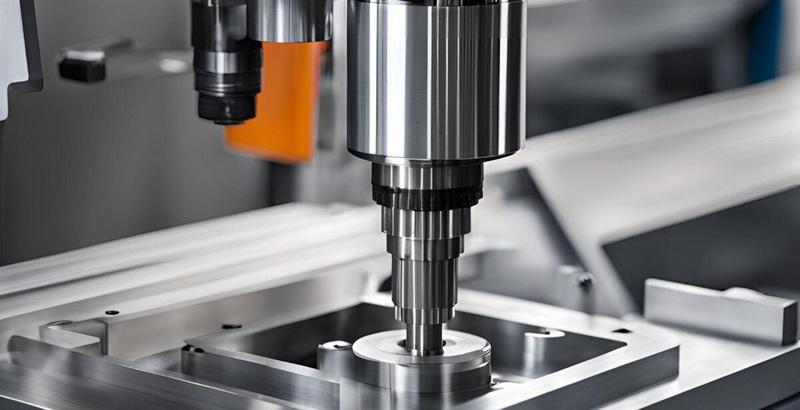
Manufacturing excellence has long been part of Denmark's industrial DNA. Danish engineers emphasize meticulous precision, and production facilities are designed to maintain tight tolerances for complex metal and plastic components. Whether producing stainless steel flanges or miniature medical components, Danish manufacturers uphold strict quality assurance systems.
Modern CNC facilities across Denmark integrate robotics to improve workflow accuracy and consistency. Automated loading and tool-changing systems reduce setup times and maximize machine uptime. This advanced robotics infrastructure is one of the factors that help Danish CNC Turning Services Manufacturers and Suppliers achieve high productivity without compromising quality.
The country's engineering programs, vocational schools, and technical universities ensure a steady flow of highly skilled operators, machinists, and toolmakers. Institutions such as the Technical University of Denmark (DTU) and the Danish Advanced Manufacturing Research Center (DAMRC) play vital roles in technological upgrading, equipment optimization, and workforce training.
Denmark's commitment to environmental sustainability extends beyond renewable energy into its manufacturing processes. CNC suppliers increasingly adopt green coolant systems, energy-saving spindle motors, and recyclable materials to minimize carbon emissions. This eco-conscious approach aligns with the sustainability goals of global OEMs seeking environmentally responsible supply chains.
When it comes to quality, innovation, and customer service, several Danish companies have set benchmarking standards for the global manufacturing community. Below are some of the top manufacturers and suppliers currently active in CNC turning services.
Based in Herning, DAMRC supports manufacturing innovation by partnering with private enterprises to enhance machining performance and reduce production costs. Through technology transfer and training, it continuously upgrades the effectiveness of Danish CNC companies. Although DAMRC itself is not a commercial manufacturer, its research directly benefits CNC Turning Services Manufacturers and Suppliers across the country.
Oturn Precision Machining ApS is a comprehensive CNC machining service provider specializing in high-precision turning and milling using metals like stainless steel, aluminum, and titanium. The company serves clients from the renewable energy, marine, and industrial automation sectors. Equipped with multi-axis turning centers and automated feeding systems, it efficiently handles both large production orders and customized small batches.
With several decades of experience, Jydsk Aluminium Industri is one of Denmark's oldest and most dependable precision manufacturers. It offers CNC turning services for aluminum components, castings, and extrusions. The company is renowned for its environmental commitment, ISO 9001 certification, and consistent use of high-grade alloys, making it a trusted partner for international OEM customers.
HekaTech specializes in rapid prototyping, fixture fabrication, and short-run turning production. Their engineers adapt easily to client-specific blueprints, ensuring cost-effective solutions for complex geometries. The company's in-house capability for both CNC turning and milling makes it a flexible supplier able to take projects from design verification to market-ready products.
Vald. Birn is one of Northern Europe's largest foundries and machining companies, integrating advanced casting and CNC technologies. The company delivers precision-turned parts for automotive, hydraulic, and industrial machinery clients across Europe. Its ability to combine material science know-how with precise machining sets it apart in the region.
HKS Tooling acts as both a component manufacturer and a tooling solution provider. Its CNC turning operations emphasize efficiency and accuracy, using high-end equipment such as DMG Mori and Mazak machines. Fast prototyping, rigorous testing, and reliable logistics make HKS an excellent partner for buyers seeking long-term cooperation.
A specialist in hydraulic and mechanical system components, Serman & Tipsmark A/S provides advanced CNC turning for complex hydraulic parts. Their products meet the highest durability and safety standards, serving industries like fluid power, marine, and defense. Their CNC facilities combine high automation with close quality inspection at each production stage.
Another notable name in Denmark's manufacturing scene is Danitech A/S, which focuses on CNC turning, milling, and hydraulic component production. The enterprise offers global export services and adapts to both low and high-volume manufacturing. Their team's technical expertise and project engineering capacity allow for seamless integration with international OEM requirements.
Danish manufacturers are known for maintaining tolerance levels as tight as ±0.005 mm. They use advanced coordinate measuring machines (CMM), laser scanning systems, and surface inspection technology to verify every batch before shipment.
English proficiency among Danish engineers ensures smooth technical discussions and document handling. This transparency allows foreign partners to receive accurate progress reports, clear drawings, and prompt feedback throughout the production lifecycle.
Most CNC Turning Services Manufacturers and Suppliers in Denmark comply with ISO 9001:2015 or ISO/TS 16949 standards. For specialized industries, some are also certified under ISO 13485 for medical devices or AS9100 for aerospace manufacturing.
Companies in Denmark offer not only standard CNC machining but also OEM and ODM project management. Clients can provide CAD files, 3D models, or conceptual designs, and suppliers will deliver fully finished products, including assembly, coating, and packaging.
Denmark's logistics infrastructure ensures timely transportation for European destinations, particularly through Hamburg and Copenhagen ports. Customs-efficient operations make Danish suppliers highly reliable partners for consistent global delivery.
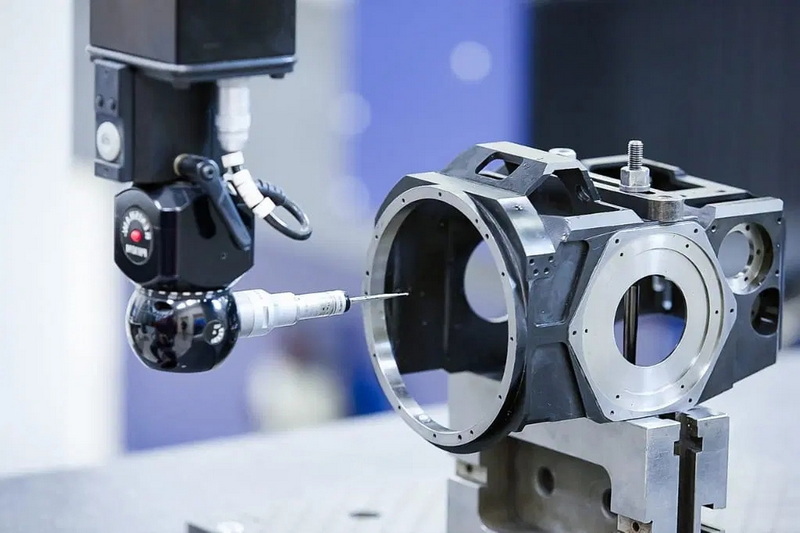
Compared with Asian countries such as China and Taiwan, Danish CNC suppliers emphasize reliability and sustainability over price competition. Buyers who prioritize long-term consistency, exact tolerances, and traceability often prefer Denmark and other Northern European sources.
| Region | Quality Standards | Cost Level | Lead Time | Automation Level | Sustainability Focus |
|---|---|---|---|---|---|
| Denmark | Very High | Moderate | 2–4 weeks | High | Strong |
| China | High | Low | 3–5 weeks | Medium | Improving |
| Germany | Very High | High | 3–6 weeks | High | Moderate |
| USA | High | High | 2–5 weeks | High | Variable |
While Denmark may not compete on raw pricing, the superior accuracy, certification assurance, and reliability it provides often lead to better total ownership value for international buyers.
As globalization deepens, cooperation between Chinese manufacturers and Danish CNC suppliers has grown increasingly common. Chinese OEMs often specialize in high-volume machining at competitive cost, while Danish companies deliver engineering excellence, testing precision, and certification compliance.
Collaborative models may include:
- Design and Prototype in Denmark, Mass Production in China: Combining Danish precision with Chinese scalability.
- Joint Development Agreements: Shared R&D projects focusing on improved tooling design and productivity.
- Technology Transfer Partnerships: Danish firms train Chinese teams in advanced machining processes to ensure uniform global standards.
This synergy creates a more resilient supply chain capable of delivering competitive yet high-quality solutions to global customers.
The Danish machining sector has quickly embraced the digitalization trends associated with Industry 4.0. Manufacturers now rely on software-driven production optimization, real-time performance monitoring, and predictive maintenance tools that minimize unplanned downtime.
- Robotic Pallet Systems: Improve loading efficiency and reduce operator intervention.
- Digital Twin Models: Used to simulate machining operations before running physical production.
- AI-Based Quality Monitoring: Automatically detects minor deviations using sensor data.
- IoT-Connected Machines: Enable real-time monitoring of speed, temperature, and spindle condition.
Such advances make Danish CNC Turning Services Manufacturers and Suppliers leaders in smart machining, helping clients shorten lead times while maintaining absolute consistency.
Danish CNC facilities work with a diverse range of materials such as:
- Stainless steel (AISI 304, 316, 420)
- Aluminum alloys (6061, 7075, and casting grades)
- Brass, copper, and bronze
- Titanium and Inconel for aerospace applications
- POM, nylon, and PE plastics for industrial components
They offer multi-axis turning (from 2 to 8 axes), live tooling, thread cutting, knurling, and micro-machining. Surface finishes available include anodizing, polishing, passivation, and nickel plating—allowing end-users to receive parts ready for direct assembly or sale.
To maintain consistency, Danish CNC suppliers follow quality control routines that include:
1. Dimensional verification for each production phase.
2. Statistical process control (SPC) for long runs.
3. Traceable batch documentation for every order.
4. 100% inspection policies for critical parts like medical fittings or precision shafts.
All data is digitally recorded, enabling easy customer audits and transparent certification.
CNC machining forms a significant portion of Denmark's industrial exports. The nation sells precision-engineered components mainly to Germany, Sweden, the Netherlands, and the United States. Danish suppliers benefit from the EU's open market policies, excellent infrastructure, and free trade access to neighboring economies. As renewable energy and biotechnology industries expand, the domestic demand for machining services also continues to rise, further fueling innovation among local manufacturers.
Danish machining companies are heading toward a more automated, digitalized, and sustainable future. Over the next decade, the government's focus on Industry 4.0 investments will further strengthen this sector.
Future trends include:
- Wider adoption of digital manufacturing platforms for remote project management.
- Increased use of green electricity from wind farms for CNC operations.
- Smart tooling with embedded sensors for wear prediction.
- Enhanced collaboration between European and Asian suppliers for balanced cost-quality tradeoffs.
With these continuous advancements, Denmark's CNC Turning Services Manufacturers and Suppliers remain at the forefront of Europe's precision engineering industry.
Denmark stands as a model of modern, sustainable precision manufacturing. Its CNC Turning Services Manufacturers and Suppliers blend advanced technology, automation, and exceptional craftsmanship to serve both local and international markets. The combination of engineering expertise, environmental responsibility, and robust quality control systems makes Danish companies reliable partners for OEMs and industrial clients worldwide.
For manufacturers seeking partners with proven excellence, Denmark provides an ideal choice — a nation where innovation meets accuracy and sustainability drives every production detail.
A1: The primary sectors are renewable energy, medical equipment, maritime engineering, defense systems, and automotive technology.
A2: Yes. Most suppliers offer flexible setups suitable for prototypes, mid-volume runs, and fully automated mass production.
A3: They rely on CMMs, laser measurement systems, and enhanced quality inspection routines to confirm micrometer-level precision.
A4: Yes. Many suppliers use energy-efficient equipment, green coolants, and waste recycling practices to reduce environmental impact.
A5: Buyers can reach out directly via supplier websites, submit technical drawings, and request quotations. Most companies provide quick responses and transparent pricing models for international clients.
1. https://www.damrc.dk
2. https://www.oturn.dk
3. https://www.jai.dk
4. https://www.hekatech.dk
5. https://www.valdbirn.com
6. https://www.hkstooling.dk
7. https://www.serman-tipsmark.com
8. https://www.danitech.dk


