From idea to market-ready product, our NPI solutions make every stage easier, faster. Discover How We Help

Views: 222 Author: Tomorrow Publish Time: 2025-12-20 Origin: Site


Content Menu
● Understanding CNC Milling and Its Role in Modern Production
● Why Turkey Has Become a CNC Milling Powerhouse
● Key Industries Served by CNC Milling Services in Turkey
>> 1. Automotive Manufacturing
>> 3. Medical and Biotechnology Equipment
>> 4. Energy, Oil, and Gas Machinery
>> 5. Electronics and Telecommunications
● Leading CNC Milling Services Manufacturers and Suppliers in Turkey
>> 1. ERMAKSAN Precision Manufacturing
>> 2. TEKNOMAK Machining Solutions
>> 4. METSAN Precision Industries
>> 5. DORA CNC Machining and Engineering
● Technological Innovation in Turkey's CNC Industry
● Quality Control and Certification
● How to Choose the Right CNC Milling Partner in Turkey
● Growing Export Potential and Market Outlook
● FAQs About CNC Milling Services Manufacturers and Suppliers in Turkey
>> 1. What makes Turkish CNC milling suppliers competitive internationally?
>> 2. Do Turkish CNC milling manufacturers offer OEM and custom part production?
>> 3. What CNC capabilities are available in Turkey's machining industry?
>> 4. How is quality ensured among Turkish CNC milling services suppliers?
>> 5. What materials can Turkish CNC milling companies process?
Turkey has emerged as a vital player in global manufacturing, strategically positioned between Europe and Asia and supported by strong technical expertise, infrastructure, and industrial capability. Among its many thriving sectors, CNC milling services manufacturers and suppliers stand out for precision engineering, advanced technology, and competitive pricing. Turkish manufacturers now collaborate with clients across Europe, the Middle East, and North America, exporting high-quality machined components to the automotive, aerospace, electronics, medical, and energy industries.
This article explores Turkey's leading CNC milling suppliers, their strengths, current market trends, and what international buyers should consider when choosing the right production partner.
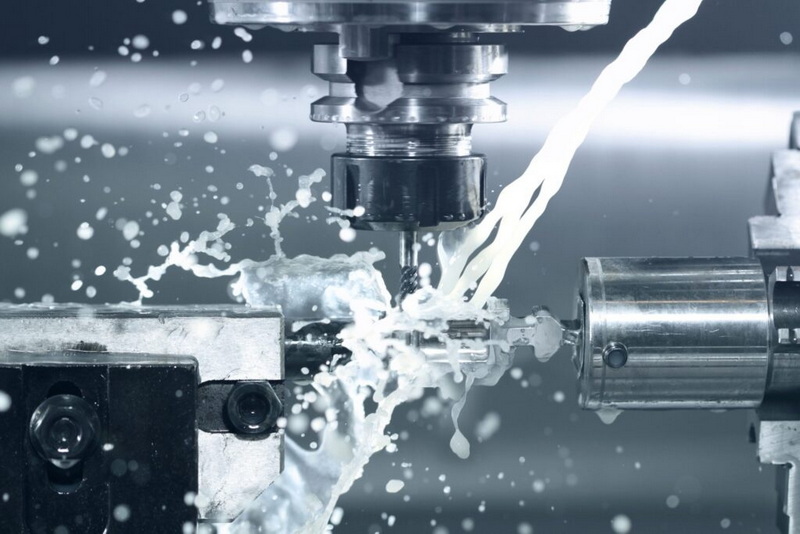
CNC milling is a cornerstone of modern precision manufacturing. The term refers to *Computer Numerical Control* milling, where automated machines control multi-axis cutting tools that remove material from a workpiece to create precise components. Unlike manual machining, CNC technology ensures repeatability, efficiency, and high accuracy even for the most complex designs.
Today's CNC milling services manufacturers and suppliers use advanced machines, such as 5-axis and multi-spindle systems, capable of producing fine tolerances within ±0.002 mm. By integrating 3D CAD/CAM software, simulation technology, and real-time machine monitoring, they achieve remarkable productivity and quality assurance across all stages of production—from prototyping to mass manufacturing.
Without CNC milling, modern industries such as robotics, aerospace, and medical technology would struggle to maintain the level of accuracy and customization they require. Thus, CNC machining remains one of the most indispensable services in global supply chains.
Several strategic and economic advantages contribute to the rapid rise of CNC milling services manufacturers and suppliers in Turkey:
1. Strategic Geographical Position – Turkey sits at the crossroads of Europe and Asia, offering the logistical advantage of fast, cost-effective shipments to both regions.
2. Skilled Industrial Workforce – The country has a rich heritage in engineering and metallurgy, supported by strong technical education and vocational schools.
3. Competitive Labor and Energy Costs – Turkish CNC suppliers provide European-standard quality at significantly lower production costs compared to Western Europe.
4. Government Support and Incentives – Turkey actively promotes industrial modernization through programs encouraging investment in CNC machinery, automation, and export growth.
5. Growing Export Network – Turkish CNC milling manufacturers export precision parts to dozens of countries, including Germany, France, Italy, the United States, and the UAE.
These advantages have positioned Turkey among the top emerging countries for advanced manufacturing and made it a preferred outsourcing destination for foreign companies seeking reliable CNC milling suppliers.
Turkey has long been recognized as a leading automotive production base in Europe. Major car brands and Tier-1 suppliers rely on Turkish CNC machining companies for engine components, transmission housings, and high-precision fasteners. Many CNC milling services suppliers operate near industrial zones in Bursa, Kocaeli, and Sakarya, offering just-in-time deliveries to automotive OEMs.
The Turkish aerospace and defense industry demands superior machining standards. Manufacturers must meet tight tolerances and maintain full traceability. Local CNC milling manufacturers produce aircraft brackets, landing gear elements, and drone components using high-strength materials such as titanium and aluminum alloys. Certified suppliers in this sector comply with AS9100 and NADCAP standards.
Precision and cleanliness are paramount in the medical sector. Turkish CNC suppliers fabricate surgical tools, implantable components, and diagnostic machine parts that meet international health and safety standards. Biocompatible materials like stainless steel and titanium are commonly used, and many facilities include cleanroom environments for post-processing.
The energy industry relies heavily on durable, corrosion-resistant components. CNC milling service providers in Turkey specialize in fabricating valve bodies, turbine housings, and pump components that withstand high pressure and temperature extremes. Rigorous testing and material certification are standard practice, ensuring reliability in critical energy operations.
As Turkey's electronics exports grow, so does the demand for precision-milled aluminum and plastic housings, heat sinks, and instrument frames. Many CNC milling service manufacturers integrate CNC machining with surface finishing methods such as anodizing and powder coating, delivering high-performance parts ready for assembly.
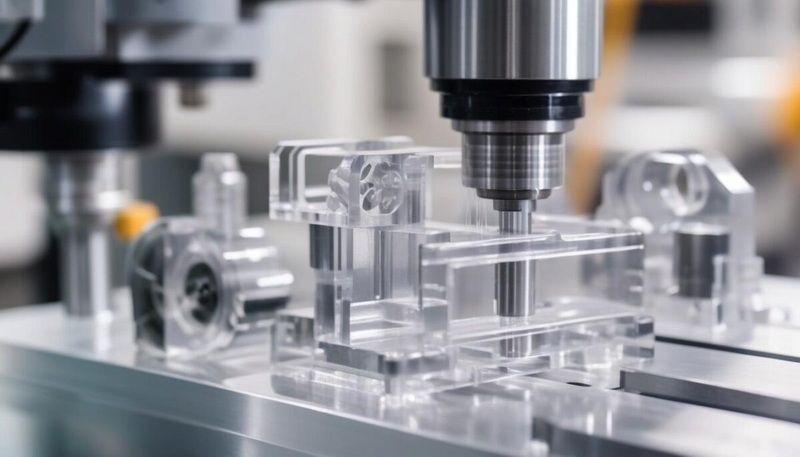
Several Turkish companies have built international reputations for their consistent quality and innovation. Here are some of the industry leaders:
ERMAKSAN stands at the forefront of precision machining and advanced production technology. Offering an extensive range of services from CNC milling to metal forming and laser cutting, ERMAKSAN serves aerospace, energy, and industrial automation sectors. Their automated tool calibration system and digital production monitoring ensure high repeatability and efficiency.
TEKNOMAK is one of Turkey's most reliable CNC milling services suppliers, known for complex 5-axis machining, precision molds, and custom tools. The company's in-house engineering department collaborates with clients to enhance designs for manufacturability, maximizing both cost savings and accuracy.
Hastek Metal Processing specializes in medium-volume CNC milling, turning, and rapid prototyping. The company has invested in CNC centers from top brands like Mazak and DMG Mori, ensuring speed and precision in every project. Its components are widely used in European automation systems and mechanical assemblies.
METSAN delivers heavy-duty precision machining for industrial and defense applications. With CMM inspection and advanced dynamic balancing, METSAN maintains exact dimensional accuracy even in large-scale components. The company also provides heat treatment and surface finishing for complete manufacturing solutions.
DORA CNC is well-known for combining flexibility with high-end expertise. The company serves both local and global customers by offering prototype-to-production support, engineering consultation, and quick-turn milling services. Its 5-axis machinery allows complex forms and fine finishes that meet international standards.
Aytek Teknoloji focuses on precision design for consumer electronics and communication devices. Its expertise extends to lightweight structural machining and automated assembly processes. Competitive pricing and fast delivery make Aytek a top choice for international OEM partnerships.
Cutting-edge technology drives the evolution of Turkish CNC milling services manufacturers and suppliers. Companies across the country are investing in:
- 5-axis machining centers that reduce multiple setups and deliver complex geometries in one operation.
- CAD/CAM integration enabling direct translation from digital design to milling instructions.
- IoT-based factory monitoring to track production metrics in real-time and reduce downtime.
- Robotic part handling and pallet systems for 24/7 automated operation.
- Sustainability measures, such as coolant recycling and energy-efficient drive motors, aligning manufacturing practices with environmental goals.
These innovations have positioned Turkish suppliers competitively against traditional manufacturing centers like Germany, Italy, and China.
One of Turkey's strongest advantages in CNC manufacturing is its dedication to quality control. The best CNC milling manufacturers and suppliers in the country follow international quality guidelines to ensure precision and reliability.
Most facilities operate under ISO 9001:2015 and ISO/TS 16949 management systems. Aerospace-oriented companies maintain AS9100 certification, while defense suppliers comply with MIL-SPEC and NATO standards.
Advanced measurement tools such as coordinate measuring machines (CMMs), non-contact laser scanners, and surface roughness testers guarantee that each part meets exact specifications. Quality assurance is not an afterthought—it is built into every stage of the machining process.
Selecting the right supplier is a crucial decision for international buyers. To achieve the best results, consider the following factors:
1. Technology Compatibility: Ensure the supplier's milling equipment matches the complexity of your part designs.
2. Engineering Support: A manufacturer offering design optimization can significantly reduce production costs.
3. Customer Communication: Clear English communication, digital reporting, and transparent quoting processes are essential.
4. Production Capacity: Verify that the supplier can handle both prototyping and mass production without sacrificing quality.
5. After-Sales Service: Choose a supplier who offers ongoing technical and logistical support after delivery.
A reliable Turkish CNC milling services supplier will treat clients as long-term partners, collaborating closely to achieve efficiency, precision, and performance goals.
The global machining industry is projected to exceed USD 100 billion in the coming years, and Turkey is expected to capture an increasing share of this market thanks to its modern facilities and favorable trade agreements.
Turkish CNC milling services manufacturers and suppliers are expanding their technical capabilities by forming partnerships with European R&D centers and tool manufacturers. The government's “National Technology Initiative” aims to increase high-value exports, positioning Turkey as one of the fastest-growing precision machining exporters worldwide.
As Industry 4.0 continues to reshape production, Turkish companies are also embracing digital transformation to meet global demand for customization, traceability, and sustainable manufacturing.
Turkey's machining excellence continues to gain global recognition. The nation's CNC milling services manufacturers and suppliers combine precision, innovation, and cost-effectiveness to serve some of the world's most demanding industries.
From automotive to aerospace, Turkish manufacturers offer end-to-end OEM solutions backed by robust quality control and modern digital tools. Their ability to deliver high-tolerance parts efficiently and competitively makes them indispensable partners for global production networks.
As the world moves toward smarter, more sustainable manufacturing, Turkey's CNC industry is not only catching up with established markets—it is shaping the future of global precision engineering.
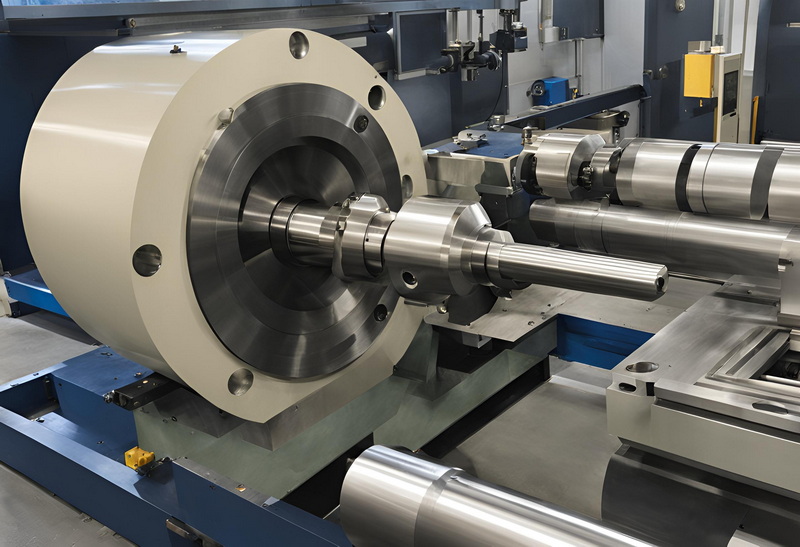
They combine European-grade precision with affordable pricing, driven by skilled labor, technological innovation, and strategic logistics.
Yes. OEM collaboration is central to their business. Most companies offer complete services from prototype design to final assembly.
Suppliers operate state-of-the-art 3-, 4-, and 5-axis CNC machining centers along with turning and EDM facilities, covering all major industries.
Rigorous inspection procedures, ISO and AS9100 certifications, and advanced metrology systems guarantee consistency and accuracy.
They can machine a wide range of metals (aluminum, stainless steel, titanium, Inconel) as well as engineering plastics like PEEK and Delrin.


