From idea to market-ready product, our NPI solutions make every stage easier, faster. Discover How We Help

Views: 222 Author: Tomorrow Publish Time: 2025-12-26 Origin: Site


Content Menu
● The Role of CNC Milling in Modern Industry
● Why Poland Has Become a CNC Milling Powerhouse
● Top CNC Milling Services Manufacturers And Suppliers in Poland
>> 1. Metal Processing Solutions Sp. z o.o.
>> 5. PolMec Engineering Group
>> 6. MEGA Precision Machining
● Expanding Capabilities Through Digital Transformation
● Poland's CNC Milling Export Market Outlook
● Collaborative Networks and OEM Integration
● Focus on Precision, Sustainability, and Innovation
● Choosing the Right CNC Milling Partner in Poland
● Market Forecast and Future Challenges
● Frequently Asked Questions (FAQ)
>> Q1: What makes Poland a strong choice for CNC milling services?
>> Q2: Are Polish Milling Services Manufacturers And Suppliers certified to international standards?
>> Q3: Which industries most often use Polish CNC milling services?
>> Q4: How do Polish suppliers manage quality control?
>> Q5: Can international companies collaborate directly with Polish CNC suppliers?
Poland has solidified its position as one of Europe's fastest-growing industrial engines. With advanced infrastructure, skilled technical talent, and a welcoming business climate for foreign investment, the country has become a prime destination for manufacturing and precision engineering. Among its many strengths, CNC milling stands out as an area where Polish companies consistently perform to global standards.
Today, dozens of Milling Services Manufacturers And Suppliers in Poland produce high-precision components for aerospace, automotive, medical, and electronic industries. Their combination of innovation, quality control, and cost-effectiveness is transforming Poland into a European hub for CNC machining. This article explores the current state of Poland's CNC milling sector, profiles leading companies, and examines why they are gaining international recognition.
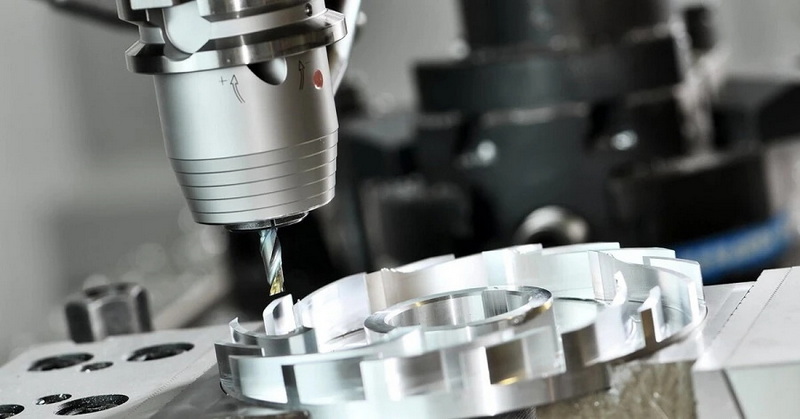
CNC milling, or Computer Numerical Control milling, is a process through which material is precisely removed from a workpiece using rotating tools guided by computer programming. What sets CNC milling apart is its ability to deliver exact accuracy for complex geometries and repeatable production cycles.
The global manufacturing landscape increasingly relies on CNC milling because it supports:
- Extreme precision. Advanced machinery offers tolerances as tight as ±0.002 mm.
- Material diversity. From aluminum and stainless steel to titanium and engineering plastics, CNC milling handles a broad range of materials.
- Automation. Digitally controlled systems reduce human error and ensure consistency.
- Scalability. Suitable for both prototype and mass production.
Polish Milling Services Manufacturers And Suppliers leverage this technology across multiple sectors, supporting everything from engine components to delicate medical implants.
Several economic and industrial conditions have enabled Poland's rapid growth in precision manufacturing:
1. Educated Workforce: Universities and technical schools produce large numbers of mechanical engineers and CNC technicians each year. Their fluency in English and advanced software knowledge make collaboration with global clients easy.
2. Technological Advancement: Many facilities have been upgraded with 4-axis and 5-axis CNC machines, CAD/CAM integration, and automated measurement systems.
3. Strong Supply Chain: Poland's geographic location within the EU ensures seamless access to raw materials from neighboring Germany, the Czech Republic, and Austria.
4. Competitive Pricing: Compared with Western Europe, production costs remain 20–30% lower on average while maintaining equally high quality standards.
5. Supportive Policies: Government programs such as the Polish Investment Zone and EU innovation grants incentivize advanced manufacturing and research partnerships.
As a result, more international companies view Polish Milling Services Manufacturers And Suppliers as reliable long-term partners capable of meeting global production demands.
Based in Poznań, Metal Processing Solutions offers 3-axis and 5-axis CNC milling, turning, and surface finishing. Specializing in aluminum and stainless steel components, the company services aerospace, energy, and industrial equipment sectors. Their in-house metrology lab uses CMM technology to ensure precise quality verification, earning recognition among the top Milling Services Manufacturers And Suppliers in Central Europe.
Located in Katowice, Protech CNC Poland focuses on automation-integrated machining. It offers precision milling services for complex parts like manifolds, engine mounts, and biomedical equipment housings. The company's proactive engineering team uses predictive analytics to adjust production parameters and reduce waste.
Operating from Kraków, ABM Tools & Components serves clients in automotive, robotics, and medical device industries. Their production hall features a range of HAAS, DMG MORI, and Mazak systems capable of producing both prototypes and high-volume batches. Their ISO 9001:2015 certification underscores their emphasis on repeatable accuracy and quality assurance.
CNC-Metal, headquartered in Gdańsk, combines high-speed machining with eco-efficient processes. The company uses custom coolant systems and chip recycling programs to lower its carbon footprint. With digital monitoring platforms, CNC-Metal provides transparent production data for every client order, setting an example for environmentally responsible Milling Services Manufacturers And Suppliers.
PolMec Engineering Group operates dual plants in Wrocław and Warsaw and can handle both heavy-duty industrial parts and precision micromachining. Their fabrication range includes dies, fixtures, and electromobility component housings. The firm also designs automation tools that streamline machining setups and minimize production downtime.
MEGA Precision Machining has become a trusted OEM partner for defense, energy, and industrial robotics companies. Their laser-based measurement technology guarantees dimensional accuracy for even the smallest features. In recent years, they introduced a 24-hour automated cell capable of continuous, unmanned milling operations.
TechMill Polska is known for its dedication to craftsmanship and engineering flexibility. The company serves the electronics and telecommunications sector, producing high-density enclosures and mount brackets. By integrating AI-driven machine monitoring, TechMill Polska has dramatically improved its overall efficiency and tool lifespan.
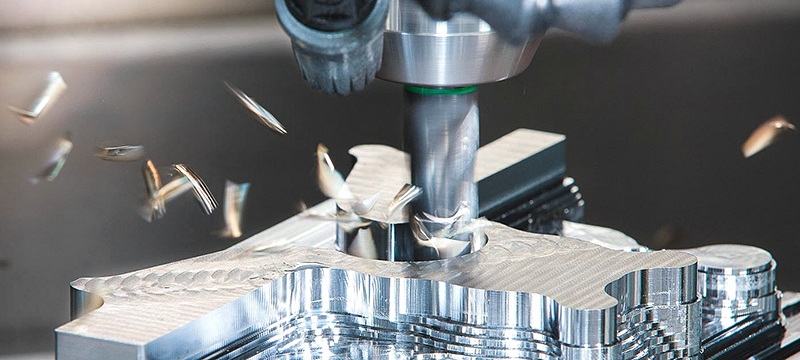
Poland's Milling Services Manufacturers And Suppliers have embraced digitalization at an accelerating pace. The shift toward smart factories is redefining how precision components are produced and delivered.
Key innovations include:
- IoT-Enabled Equipment: Machines transmit performance data in real time, helping engineers detect anomalies early.
- Virtual Simulation: CAD/CAM modeling allows clients to visualize part geometry before production begins, eliminating costly design errors.
- Cloud-Based Project Tracking: Customers now enjoy live updates on production status, delivery timelines, and inspection results.
- Predictive Maintenance: AI algorithms predict tool wear and schedule automated retooling to prevent breakdowns.
This technological evolution has allowed Polish manufacturers to match—and sometimes surpass—the digital maturity of long-established Western European competitors.
The export of machined components from Poland continues to expand year over year. According to industry reports, the country's precision component export value has doubled in the past decade, fueled by partnerships with Germany, France, Scandinavia, the UK, and the United States. The demand for aerospace-grade metals, electromobility parts, and machine tool accessories drives consistent growth.
European clients appreciate Poland's proximity, enabling fast logistics compared to Asian sources, while American partners see Poland as an ideal balance between quality and cost. Many Milling Services Manufacturers And Suppliers now operate under dual certifications to comply with both EU and North American standards.
The increasing participation of Polish companies in international trade fairs like EMO Hannover and Mach-Tool Poznań further strengthens their presence in the global marketplace.
Beyond production capacity, collaboration defines the modern Polish CNC ecosystem. Many Polish suppliers work closely with international OEMs, delivering complete services rather than just components. Such integrated production partnerships typically include:
1. Co-design and Development: Joint CAD modeling sessions ensure designs are optimized for manufacturability.
2. Prototype and Pilot Runs: Rapid manufacturing helps brands validate new product series quickly.
3. Serial Production: Automated milling lines ensure consistent volume output.
4. Packaging and Logistics: Some Milling Services Manufacturers And Suppliers handle labeling, barcoding, and shipping on behalf of clients.
5. After-Market Services: Long-term support ensures product lifecycle consistency.
This value-added approach transforms Polish companies from simple suppliers to strategic partners in the global product development chain.
Increasingly, Polish Milling Services Manufacturers And Suppliers are committing to eco-conscious innovation. They are investing in:
- Recycling systems to recover aluminum scrap and reuse cutting fluids.
- Energy-efficient drives and LED lighting in production halls.
- Sustainable packaging materials for outbound logistics.
- Digital documentation replacing paper-based quality control systems.
Green compliance not only satisfies EU environmental regulations but also reinforces brand credibility among environmentally responsible customers.
Finding the right supplier involves a detailed assessment process. Companies seeking Polish CNC services should consider the following factors:
1. Technical Infrastructure: Determine whether the provider has advanced 5-axis CNC systems, automated pallet changers, and metrology equipment.
2. Quality Management Systems: Request documentation of ISO, AS9100, or industry-specific certifications.
3. Engineering Support: Evaluate the supplier's capability to assist in prototype modification or material selection.
4. Lead Time and Responsiveness: Assess communication speed and flexibility in meeting schedule adjustments.
5. Cultural and Communication Compatibility: Many Polish engineers speak English fluently, facilitating international cooperation.
Selecting the right supplier ensures reliable delivery, long-term cost efficiency, and consistent part quality.
The Polish CNC milling industry shows positive momentum for the coming decade. Analysts forecast annual growth of about 6–8%, driven by demand in aerospace, renewable energy, medical devices, and electric vehicles. However, challenges remain:
- Labor Shortages: Retaining skilled technicians remains a key concern.
- Supply Chain Volatility: Fluctuations in metal prices affect operational costs.
- Technological Upgrading: Continuous investment in machinery and software is essential to maintain competitiveness.
Nevertheless, through automation, industry collaboration, and skill development programs, Polish manufacturers are overcoming these obstacles and maintaining their trajectory toward becoming some of Europe's most advanced Milling Services Manufacturers And Suppliers.
Poland's CNC milling industry has successfully merged precision, efficiency, and innovation. Its Milling Services Manufacturers And Suppliers boast world-class facilities, rigorous quality systems, and a mindset geared toward continuous improvement. As the global demand for complex machined components continues to grow, Poland stands out not only for its cost advantage but also for its engineering excellence and sustainable practices.
For brands, OEMs, and wholesalers looking to secure reliable partners in Europe, Polish milling providers represent an outstanding opportunity—offering premium quality, quick delivery, and strong communication under the umbrella of global manufacturing standards. The country's ongoing technological progress ensures that Poland will remain a key contributor to the global CNC ecosystem for decades to come.
A1: Poland combines skilled labor, modern infrastructure, and competitive pricing, offering cost-effective and high-precision manufacturing solutions across industries.
A2: Yes. Most top-tier companies carry ISO 9001, ISO 14001, or AS9100 certifications, guaranteeing quality and traceability.
A3: Aerospace, automotive, energy, robotics, telecommunications, and medical sectors are the primary clients for Polish CNC precision parts.
A4: Through advanced metrology tools such as Coordinate Measuring Machines (CMMs), laser probes, and in-process inspection software to ensure dimensional accuracy.
A5: Absolutely. Most companies offer English-speaking project managers, digital project tracking, and international shipping logistics for seamless global partnerships.


