From idea to market-ready product, our NPI solutions make every stage easier, faster. Discover How We Help

Views: 222 Author: Tomorrow Publish Time: 2025-12-26 Origin: Site


Content Menu
● Understanding CNC Milling and Its Global Importance
● The Growth of CNC Milling in Afghanistan
● Why CNC Milling Services Matter for Global Supply Chains
● Core Capabilities of Afghan Milling Services Manufacturers And Suppliers
● Top CNC Milling Services Manufacturers And Suppliers in Afghanistan
● International Cooperation and OEM Partnerships
● Selecting the Right Milling Partner in Afghanistan
● Technological Trends in Modern CNC Milling
● Challenges and Opportunities
● The Future of Milling Services in Afghanistan
>> Q1: What are the main industries served by Afghan Milling Services Manufacturers And Suppliers?
>> Q2: Are Afghan suppliers certified for international machining standards?
>> Q3: Can Afghan companies provide OEM and ODM solutions for global buyers?
>> Q4: What materials and processes are commonly handled by these manufacturers?
>> Q5: How can foreign companies contact Afghan CNC service providers?
Afghanistan might once have been known primarily for its agriculture and mineral wealth, but today, its industrial landscape is gradually changing. Among the key sectors driving transformation is precision manufacturing — especially CNC milling services. In the global manufacturing ecosystem, the country's emerging Milling Services Manufacturers And Suppliers are beginning to supply high-quality metal and plastic components to international markets.
As global demand for precision engineering continues to rise, Afghanistan's proximity to Asia, its developing workforce, and improving industrial infrastructure are turning it into an intriguing destination for outsourcing and OEM collaboration. This article provides an in-depth overview of the Top CNC Milling Services Manufacturers And Suppliers in Afghanistan, their advantages, capabilities, and the potential they offer for international cooperation.
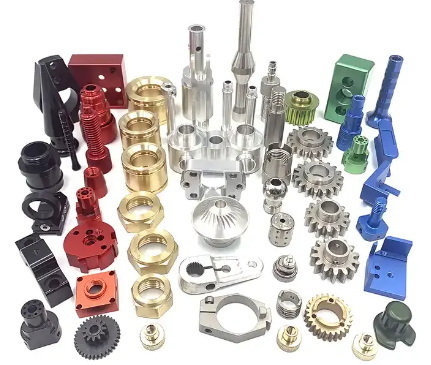
CNC (Computer Numerical Control) milling is an advanced machining process that removes material from a workpiece to create precise shapes, surfaces, and features. Controlled by computer programs, CNC machines can reproduce complex geometries with extremely tight tolerances.
This process is fundamental in industries such as aerospace, automotive, defense, medical equipment, and renewable energy, where precision and repeatability determine performance and safety. Modern Milling Services Manufacturers And Suppliers rely heavily on multi-axis systems — typically 3-axis, 4-axis, or even 5-axis milling machines — to produce intricate designs efficiently.
Across the globe, CNC milling has become vital to innovation. Whether producing small custom parts or high-volume industrial components, Milling Services Manufacturers And Suppliers form the backbone of modern production lines. They ensure rapid prototyping, accurate engineering, and continuous supply chain stability for businesses of all scales.
Afghanistan's manufacturing industry may still be young, but it has begun to emerge as a cost-effective and reliable provider of precision machining services. National and foreign investors have recognized the country's potential to develop a competitive industrial base by leveraging its location and human resource potential.
Cities such as Kabul, Herat, Jalalabad, and Mazar-i-Sharif now host small to mid-sized engineering firms equipped with modern machining tools. These local businesses are learning from global best practices and are eager to align their output with international expectations. Collaboration with Chinese, Indian, and Turkish OEM service providers has played an important role in technology transfer, management training, and technical skill development.
Many Afghan Milling Services Manufacturers And Suppliers now serve international clients by producing components such as engine brackets, hydraulic fittings, fasteners, brackets, and custom tools. While many firms still rely on imported materials and machinery, their local production strength significantly reduces costs and logistics times for nearby regions.
CNC milling is no longer limited to highly industrialized nations. As supply chains become increasingly global and diversified, companies seek reliable suppliers from emerging economies. Afghanistan's role in this landscape offers several strategic benefits:
- Cost Competitiveness: Production and labor costs are lower than in Western markets, giving clients access to affordable yet high-quality machining.
- Shorter Regional Supply Routes: The nation's location bridges the Middle East, South Asia, and Central Asia, supporting smooth cross-border logistics.
- OEM and ODM Flexibility: Afghan providers are accustomed to foreign partnership models, often offering OEM and ODM production tailored to international requirements.
- Workforce Development: Engineering and vocational training institutions continue to produce technically skilled workers for machining and quality control roles.
- Untapped Market Potential: With rising interest from global investors, Afghanistan could become a regional hub for component machining and fabrication in the coming years.
Leading Milling Services Manufacturers And Suppliers in Afghanistan are steadily upgrading their technical and technological base. While still growing, their range of services now covers:
- 3-axis and 5-axis CNC milling for complex precision parts.
- CNC turning, drilling, and boring for shafts, housings, and cylindrical components.
- CAD/CAM design optimization, ensuring precise programming and dimensional accuracy.
- Prototyping and small-volume production for R&D and startup applications.
- Custom tooling fabrication to reduce production costs and improve processing efficiency.
- Surface finishing such as sandblasting, anodizing, coating, and polishing.
- Material versatility including aluminum, titanium, brass, carbon steel, stainless steel, and engineering plastics.
As Afghanistan continues to integrate into the global manufacturing value chain, many suppliers implement digital monitoring systems and ERP (Enterprise Resource Planning) tools to enhance production consistency and scheduling efficiency.
Although relatively new to the international spotlight, a number of Afghan companies have distinguished themselves through their professionalism and commitment to quality. Below are some representative enterprises embodying the progress of Milling Services Manufacturers And Suppliers in the region:
1. Afghan Precision Engineering Co. (Kabul) – Specializes in CNC milling and turning solutions, with a reputation for delivering mechanical parts and assemblies to automotive and agricultural OEMs. The company's focus on quality control and customer feedback has positioned it as one of the country's most promising machining partners.
2. Herat Engineering & Fabrication Works (Herat) – Provides a combination of CNC milling, laser cutting, and metal fabrication services. Known for aluminum and stainless-steel components, it supports both local infrastructure projects and international buyers.
3. Mazar Industrial Components (Mazar-i-Sharif) – A forward-looking manufacturer offering precision components with tight tolerances. It focuses on continuous improvement, international-standard measurement procedures, and competitive pricing for bulk orders.
4. Kabul Machining & Tools Co. – Offers OEM and ODM machining services along with packaging, logistics, and export management. Its integrated facilities handle CNC machining, surface treatment, and assembly under one roof.
5. Afghan Metal Solutions – Provides machining consultation, prototype development, and mass production, combining imported CNC systems from China with local expertise to serve Middle Eastern clients.
Each of these companies represents a growing industrial spirit that is essential to Afghanistan's broader economic recovery and modernization efforts.

Over the past decade, global businesses — especially those based in China — have shown increasing interest in partnering with Afghan enterprises. Chinese Milling Services Manufacturers And Suppliers often bring advanced insights into production planning, CNC automation, and lean management systems, while Afghan partners contribute flexibility, labor advantage, and regional market access.
These collaborations benefit both sides: Afghan manufacturers gain exposure to new technologies and management processes, while international partners expand their capacity and reach in emerging markets.
OEM projects typically involve producing custom-designed parts such as mechanical couplings, valves, gears, bearing housings, or enclosures based on client-provided CAD drawings or technical specifications. Afghan Milling Services Manufacturers And Suppliers demonstrate the ability to deliver repeatable results within agreed tolerances and deadlines.
In addition, many Afghan firms are beginning to implement digital quality assurance systems, recording measurement data, tool wear statistics, and production performance in real-time. This digitalization trend not only enhances reliability but also builds confidence for long-term international cooperation.
For international buyers looking to expand their supply base, due diligence and proper vendor evaluation are crucial. When choosing the right Milling Services Manufacturers And Suppliers in Afghanistan, businesses should consider the following:
1. Technical Capability and Equipment: Verify whether the supplier has multi-axis milling machines, precision lathes, and inspection tools necessary for the job.
2. Quality Systems: Check for ISO certifications or adherence to quality benchmarks such as CNC process documentation and dimensional tolerance reports.
3. Material Handling Expertise: Assess the supplier's ability to source and machine different materials — from conventional metals to high-performance alloys.
4. Production Capacity: Evaluate batch size flexibility and consistency in meeting lead times for OEM or replacement parts.
5. Communication Efficiency: Clear communication is essential when working across borders. English-speaking project managers and prompt technical responses indicate professional readiness.
6. Price Transparency and Reliability: Look for detailed quotations that list machining costs, finishing expenses, and logistics instructions upfront.
A supplier that provides complete traceability, inspection certificates, and after-sales service will always stand out as a partner of long-term value.
The Afghan manufacturing scene is gradually absorbing global technological innovations that define modern milling operations. Notable trends transforming the industry include:
- Automation & Robotics: The integration of robotic arms for part loading and unloading improves process efficiency and reduces manual error.
- 5-Axis Machining Expansion: More Afghan suppliers are now acquiring advanced 5-axis machines, allowing them to handle intricate parts used in aerospace and defense sectors.
- Hybrid Manufacturing: Combining CNC machining with additive manufacturing (3D printing) for prototyping and toolmaking.
- IoT Monitoring Systems: Machine data collection and predictive maintenance software ensure uptime and precision consistency.
- Sustainability Practices: More manufacturers are focusing on material recycling, low-waste production methods, and environmentally friendly lubricants.
Such advancements position Afghan Milling Services Manufacturers And Suppliers for competitive inclusion in global value networks.
Despite these promising developments, the Afghan manufacturing sector still faces obstacles that require strategic resolution:
- Infrastructure Gaps: Electricity reliability and transportation networks need further improvement to ensure smooth logistics.
- Supply Chain Dependencies: Many materials and machine tools are imported, which may affect lead times.
- Market Visibility: Afghan manufacturers must strengthen online marketing and trade directory presence to attract more foreign clients.
- Regulatory Consistency: Continued stability and policy support are essential for sustained industrial growth.
Nevertheless, these challenges also present opportunities. Support from international investors and strategic partnerships can accelerate industrial growth, while improved education and vocational programs can ensure a continuous supply of skilled machinists and engineers.
The long-term vision for Afghanistan's milling industry is one of steady evolution and regional integration. Within the next decade, the country could establish dedicated industrial parks specializing in CNC machining, metalworking, and component assembly.
Collaboration with global Milling Services Manufacturers And Suppliers will remain crucial. Continuous training, process automation, and smart factory systems can help Afghanistan leapfrog traditional development stages and compete internationally.
Given its strategic location along future trade corridors and its cost advantages, Afghanistan may gradually position itself as an attractive choice for OEM and precision component sourcing throughout Asia, the Middle East, and Eastern Europe.
The transformation of Afghanistan's manufacturing sector reflects resilience, innovation, and opportunity. As new Milling Services Manufacturers And Suppliers emerge, they bring modern precision engineering closer to the region's markets.
For international buyers, these companies offer competitive pricing, customizable production, and growing technological capabilities. Collaborating with Afghan CNC milling manufacturers not only expands global supply flexibility but also encourages economic progress in a developing industrial market.
Afghanistan's future as a machining destination looks increasingly bright — supported by ambition, partnership, and the relentless pursuit of quality.
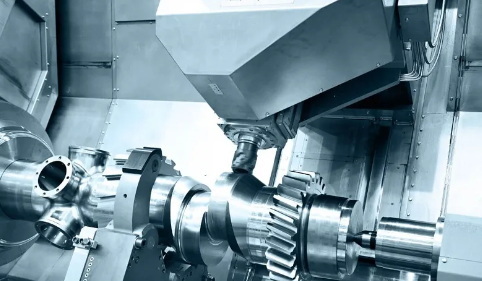
A1: They primarily serve automotive, aerospace, construction, agricultural equipment, and general industrial machinery sectors.
A2: Yes, several firms follow ISO 9001 quality management standards and operate precision inspection systems.
A3: Absolutely. Afghan suppliers increasingly deliver OEM and custom-designed components according to client drawings and tolerances.
A4: They machine materials such as aluminum, stainless steel, brass, titanium, and POM plastics, offering CNC milling, turning, drilling, and polishing services.
A5: Buyers can use international trade directories, online platforms, or professional sourcing agencies to connect and negotiate directly with Afghan machining firms.


