From idea to market-ready product, our NPI solutions make every stage easier, faster. Discover How We Help

Views: 222 Author: Tomorrow Publish Time: 2025-11-14 Origin: Site


Content Menu
● 1: Strategic Value of Spain in CNC Machining
● 2: Core Capabilities You Should Expect from Spain-Based Shops
● 3: Quality Standards and Compliance Frameworks
● 4: Collaboration Models for OEM/ODM Projects
● 5: Strategic Sourcing and Cost Management
● 6: How to Assess and Shortlist Potential Partners in Spain
● 7: Practical Selection Checklist (Key Questions)
● 8: Industry Scenarios and Application Areas
● 9: Case Study Concepts (Hypothetical Scenarios)
● 10: Risks and Mitigation Strategies
● 11: The Value Proposition for European OEMs
● FAQ
>> 1. What tolerances are typically achievable in Spain-based CNC shops for high-precision parts?
>> 2. Do Spain-based CNC providers offer turnkey services beyond machining?
>> 3. How important is ISO certification when selecting a supplier?
>> 4. What information should be included in a DFMA review with a supplier?
>> 5. How can IP protection be ensured when collaborating with a Spain-based supplier?
Spain hosts a diverse and sophisticated ecosystem of CNC machining service manufacturers and suppliers. For foreign brands, distributors, and OEM/ODM partners, the country offers a blend of engineering talent, modern fabrication facilities, favorable logistics within the European Union, and a culture of quality and compliance. This article provides a thorough overview of the Spain-based CNC landscape, highlights essential capabilities, discusses quality frameworks and collaboration models, and offers practical guidance for selecting a reliable partner for precision parts production. While focusing on Spain, the guidance provided is relevant to any buyer seeking to understand how to evaluate CNC machining service manufacturers and suppliers on a global scale.
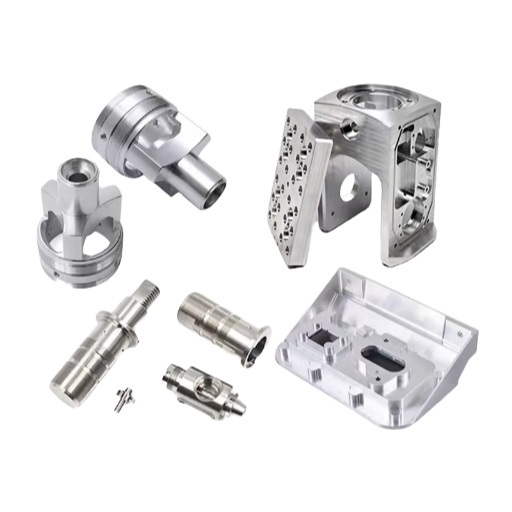
Spain combines a robust manufacturing infrastructure with a flexible workforce skilled in precision engineering. The country benefits from proximity to European markets, reliable energy and transport networks, and strong policy support for manufacturing and export activities. Multilingual engineering teams, experience with diverse materials, and established supplier networks around tooling, heat treatment, coating, and metrology create a conducive environment for OEM/ODM collaborations. The result is an ecosystem that can support rapid prototyping, iterative design development, and scalable production while maintaining consistent quality and on-time delivery.
- Precision manufacturing breadth: 3-, 4-, and 5-axis CNC milling and turning for complex geometries, tight tolerances, and multi-material parts.
- Micro-machining and high-precision features: capability to produce small components with micron-level tolerances and intricate surface finishes.
- Finishing and surface treatment: deburring, polishing, anodizing, passivation, electroplating, PVD/CVD coatings, heat treatment, and specialized coatings.
- Metrology and quality assurance: coordinated measurement machine (CMM) inspections, GD&T documentation, statistical process control (SPC), first article inspection (FAI), and well-documented quality records.
- Material versatility: aluminum, stainless steel, titanium, high-strength alloys, plastics (POM, ABS, PEEK), and composite materials, with appropriate process controls for each.
- Rapid prototyping and design for manufacturability input: quick-turn milling/turning, fixture design, and collaborative DFMA reviews to optimize producibility.
- Assembly and functional testing: turnkey services that include sub-assemblies, final assembly, calibration, and functional verification as needed.
- Post-processing and assembly support: surface finishing, coating, heat treatment, and assembly of complex parts into final products.
- ISO 9001 as a baseline for quality management systems, with many shops pursuing higher-level certifications when required by the target industry.
- Sector-specific standards: AS9100 for aerospace-adjacent suppliers, ISO 13485 for medical devices, and ITAR considerations where applicable for defense-related parts.
- Material traceability and calibration: rigorous lot traceability, certified material certificates, calendarized calibration routines for metrology equipment, and documented calibration certificates.
- Process controls: defined manufacturing process maps, control plans, work instructions, and change control procedures to manage design changes and process improvements.
- Data security and IP protection: NDA protocols, secure data rooms, and access controls to protect proprietary designs and manufacturing data throughout the collaboration.
- Pure manufacturing partner: excels at high-precision machining, finishing, and assembly tasks strictly per defined specifications, documentation, and tolerances.
- Design-to-manufacture partner: actively participates in DFMA reviews, suggests design optimizations, and improves producibility without compromising performance.
- Turnkey solution provider: manages the entire value chain—from design, prototyping, tooling, production, to final testing and delivery—reducing vendor management complexity for the buyer.
- After-sales and service support: spare parts provisioning, calibration kits, maintenance services, and equipment upgrades to sustain long product lifecycles.
- Value drivers: capability breadth, precision capability, material handling, and the ability to deliver consistent quality at scale.
- Lead time considerations: rapid prototyping timelines can range from days to a few weeks; tooling development may take 1–3 weeks; full production runs depend on volume and complexity, often spanning several weeks to months.
- Cost optimization strategies: design for manufacturability (DFM), standardization of features, reuse of fixtures and tooling, modular design approaches, and ongoing continuous improvement programs.
- Supply chain resilience: diversify material suppliers, maintain critical spare parts stock, and establish robust supplier qualification processes to mitigate disruptions.
- Technical capability verification: confirm multi-axis machining, material compatibility, and available finishing options; request process capability data where possible.
- Quality system verification: review ISO certificates, audit reports, calibration records, and evidence of reliable metrology practices.
- Site evaluation and remote verification: arrange facility tours or virtual tours; review recent project case studies and production samples to assess workmanship and consistency.
- References and performance history: solicit customer references and examine on-time delivery rates, defect rates, and change management responsiveness.
- Commercial alignment: ensure clear pricing structures, transparent lead times, and detailed quotations that include process maps, DFM input, and a preliminary quality plan.
- What tolerances can you consistently achieve for our chosen materials and geometries?
- Do you provide end-to-end services (finishing, coating, assembly, testing) beyond machining?
- How is intellectual property protected, and what data security measures are in place for NDA-bound projects?
- What is your typical lead time for a prototype versus a mid-volume production run, and how do you handle rush requests?
- Can you provide a complete quality documentation package (FAI, CPk, PPAP) and traceability records for each batch?
- Aerospace components requiring tight tolerances, traceability, and material certification.
- Medical device housings and housings with ISO 13485-compliant process controls and clean manufacturing considerations.
- Automotive sensors and actuators requiring robust surfaces, corrosion resistance, and reliable assembly interfaces.
- Industrial automation parts needing fast iteration cycles, repeatability, and integration with other subsystems.
- Global brand partnering with a Spain-based shop to produce complex aluminum housings for a next-generation sensor system, leveraging DFMA input to reduce assembly time and improve heat dissipation.
- A medical device company leveraging ISO 13485-compliant processes in Spain to create enclosures with stringent cleanliness and sterilization compatibility, followed by rigorous FAI documentation and traceability.
- An aerospace supplier relying on AS9100-aligned practices in Spain to manufacture precision components with tight tolerances and material certification, integrating supplier-owned tooling and calibration processes.
- Design changes late in the cycle: maintain a formal change management process with impact analysis, updated drawings, and revised lead times.
- Material shortages or supply chain fragility: establish dual-sourcing strategies for critical materials and maintain buffer stock where feasible.
- Confidentiality and IP leakage: enforce strict NDA terms, implement data access controls, and consider contractual remedies for breaches.
- Quality deviations: implement robust incoming inspection, process monitoring, and rapid disposition of nonconforming parts with corrective actions.
- Proximity and cultural compatibility: close collaboration, familiar business practices, and time-zone alignment facilitate smoother communication.
- Compliance and risk management: alignment with EU standards and robust quality systems reduces regulatory and operational risk.
- Scalability and continuity: proven capability to scale from prototyping to full-scale production as demand evolves.
Spain represents a mature, capability-rich environment for CNC machining service manufacturers and suppliers. The country's combination of skilled engineering talent, broad material processing capabilities, advanced finishing options, and rigorous quality frameworks makes it a compelling region for foreign brands, distributors, and OEMs seeking dependable manufacturing partners. By carefully assessing technical capabilities, quality systems, and collaboration models, buyers can identify a Spain-based partner that delivers consistent quality, reliable delivery, and long-term value. This strategic alignment minimizes risk while maximizing design freedom and production efficiency for precision parts.
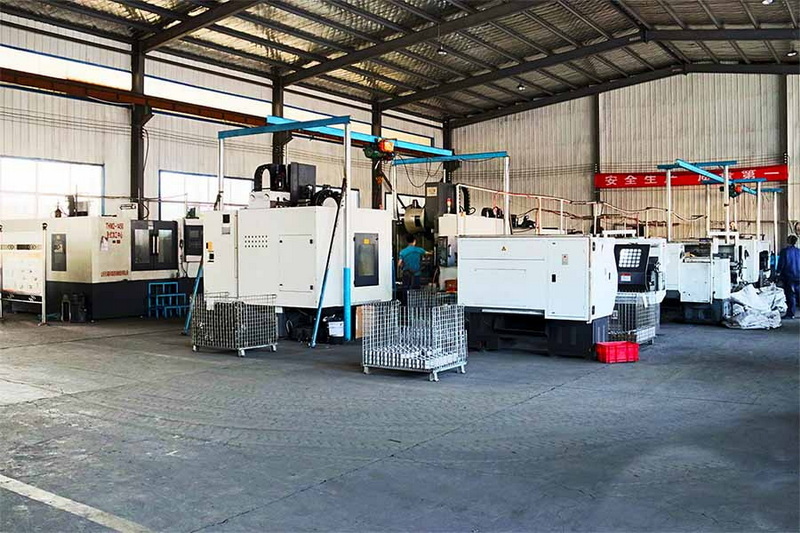
- Typical tolerances range from ±0.005 mm to ±0.02 mm depending on material, geometry, and process control, with tighter tolerances achievable for specialized applications.
- Yes, many offer finishing, coating, assembly, and functional testing to deliver turnkey solutions tailored to OEM/ODM requirements.
- ISO certification demonstrates a formal quality management system; sector-specific certifications like AS9100 or ISO 13485 may be required depending on the application.
- Material selection, tolerances, surface finishes, assembly requirements, fixturing implications, and critical dimensions should be addressed to optimize producibility.
- Use strong NDAs, limit data access, require clear IP ownership terms, and consider secure data rooms with controlled access and audit trails.


