From idea to market-ready product, our NPI solutions make every stage easier, faster. Discover How We Help

Views: 222 Author: Tomorrow Publish Time: 2025-11-14 Origin: Site


Content Menu
● Market landscape and capabilities
● Why France remains attractive for OEMs and international buyers
● Representative capabilities by sector
>> Industrial equipment and machinery
● Selecting a French CNC partner: criteria and workflow
● Quality assurance and documentation
● Process considerations when outsourcing to France
● Industry-scope case insights
● Sustainability and compliance
● Geographic considerations for buyers
● How to engage a French CNC supplier effectively
● Operational considerations for your OEM needs
● Potential challenges and mitigations
● FAQ
>> 1. What kind of CNC services are common in France?
>> 2. How important is ISO certification when selecting a French CNC supplier?
>> 3. Can a French supplier handle small-batch prototyping?
>> 4. What should be included in a quality data package?
>> 5. How do I protect intellectual property when working with a French partner?
France is home to a diverse ecosystem of precision engineering firms offering high-accuracy CNC machining services. For foreign brands, wholesalers, and manufacturers seeking reliable partners, French machining service manufacturers and suppliers combine cutting-edge technology with a culture of quality, on-time delivery, and strong regulatory compliance. This article explores the landscape of CNC machining in France, highlighting leading manufacturers, capabilities, industries served, and key considerations for selecting a partner. It also embeds practical guidance for integrating a French CNC supplier into a global supply chain, including quality assurance, tooling, lead times, and intellectual property protection.
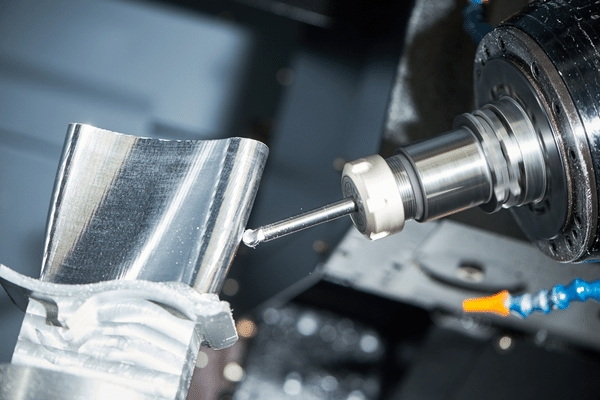
The CNC machining sector in France encompasses a wide range of capabilities, from prototyping and low-volume production to high-volume manufacturing with strict process control. Many French suppliers offer multi-axis milling and turning, wire and sink EDM, internal and external grinding, laser cutting, waterjet, and surface finishing. Advanced capabilities often include high-tolerance components, micro-machining, complex geometries, and ultra-precision finishing. The market blends traditional French manufacturing strengths—precision, craftsmanship, and meticulous QA—with modern automation, digital twins, and Industry 4.0 practices.
Key capabilities often emphasized by France-based suppliers include:
- Multi-axis milling and turning with high-speed spindles and rigid tooling.
- Micro-machining and precision EDM for tiny yet critical features.
- Ultra-precision grinding and lapping for tight geometric tolerances.
- Additive-assisted machining, hybrid processes, and engineered surface treatments.
- Complex assembly support, including kitting and sub-assembly integration.
- Quality assurance using coordinate measuring machines, 3D scanning, and in-process inspection.
- Strong engineering culture and high-quality standards.
- Proximity to European customers and access to EU regulatory frameworks.
- Robust tooling ecosystems and access to skilled technicians.
- Multilingual support and experience working with global brands.
- Emphasis on traceability, documentation, and compliance.
- Components requiring tight tolerances and high reliability.
- Materials such as aluminum alloys, titanium, nickel-based superalloys (where allowed by export controls).
- Precision parts for engines, transmissions, and subsystems.
- Prototyping and production runs, with emphasis on repeatability and traceability.
- Biocompatible materials handling, sterile-processing support, and stringent QA documentation.
- Custom components, housings, and assemblies with robust mechanical performance.
Energy and electronics
- Precision housings, connectors, and cooling components, often with strict metallurgical and surface specifications.
- Technical capabilities fit: Confirm machine portfolio (sizes, tolerances, materials), finishing options, and post-processing.
- Quality management: Look for ISO 9001, ISO 13485 (for medical), EN 9100 (aerospace), and detailed inspection reports. Confirm calibration programs for CMMs and traceability.
- Lead times and capacity: Review capacity planning, ramp-up capabilities, and response times for quotes.
- Materials handling: Ensure supplier's material sourcing, storage, and handling meet your product requirements and compliance standards.
- IP protection and confidentiality: Ensure robust NDAs, secure design handoffs, and control of sensitive information.
- Logistics and after-sales support: Assess shipping options, incoterms familiarity, and service support across regions.
- In-process inspection and final QA with traceable records.
- Measurement data packages and SPC (statistical process control) if required.
- Material certifications (e.g., mill test reports) and heat treatment documentation when applicable.
- Documentation in multiple languages (English, French) to support international buyers.
- Clear specification and tolerancing: Provide GD&T (Geometric Dimensioning and Tolerancing) details, material specs, coatings, and finish requirements.
- Prototype to production transition: Plan for pilot runs to validate manufacturability before full-scale production.
- Intellectual property protection: Establish secure data exchanges and clear IP ownership terms.
- Cheaper isn't always better: Seek total cost of ownership, including QA, setup, and potential rework costs, rather than only unit price.
- A Franco-Italian collaboration could combine France's precision with flexible manufacturing for niche medical devices.
- A French supplier with aerospace accreditation can be a strategic partner for high-reliability components across Europe.
- French contract manufacturers often excel in complex assemblies and value-added services beyond machining, such as finishing, assembly, and testing.
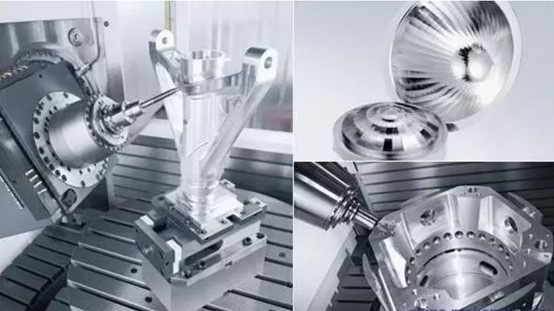
- French CNC service providers increasingly emphasize sustainable manufacturing practices, including energy-efficient processes, waste reduction, and responsible sourcing.
- Compliance with EU environmental and product standards helps streamline regulatory review for international customers.
- France's central location in Europe supports efficient distribution to EU markets.
- Proximity to other Western European suppliers can enable joint ventures and shared supply chain risk management.
- Start with a detailed RFQ or RFP that includes:
- Part drawings, tolerances, materials, and required finishes.
- Desired batch size, lead times, and delivery schedule.
- Required quality documentation and inspection reports.
- Any special handling, certification, or regulatory requirements.
- Request samples or pilot runs to validate production capability.
- Establish a clear communication plan, including cadence for status updates and escalation paths.
- Align on payment terms, intellectual property protections, and warranty terms.
- Volume expectations: Determine whether the partner can scale from proto to full production while maintaining quality.
- Engineering support: Confirm access to design-for-manufacturing (DFM) guidance to optimize parts for machinability.
- Material sourcing: Ensure the supplier can source the necessary materials or approve your provided material certificates.
- Surface finishing and coatings: Align on coatings (e.g., anodizing, PVD, nickel plating) and post-processing requirements.
- Packaging and shipping: Agree on protective packaging standards and logistics arrangements to minimize transit risk.
- Language and cultural differences: Favor partners with English-speaking technical staff and clear documentation standards.
- Currency and payment risk: Consider hedging strategies or agreed currency terms to minimize FX impact.
- Lead-time variability: Build safety stock or buffer strategies for critical components.
France hosts a broad spectrum of CNC machining service manufacturers and suppliers who cater to diverse industries with precise, traceable, and compliant processes. When selecting a partner, prioritize technical fit, rigorous quality systems, scalability, IP protections, and reliable logistics. With careful supplier discovery, testing, and ongoing collaboration, a French CNC partner can deliver consistent performance, helping foreign brands and OEMs meet demanding specifications while maintaining competitive lead times. This approach aligns with the needs of a Chinese precision parts OEM seeking to expand collaboration with European partners, while emphasizing the keyword-rich landscape of Machining Service Manufacturers And Suppliers and related services.
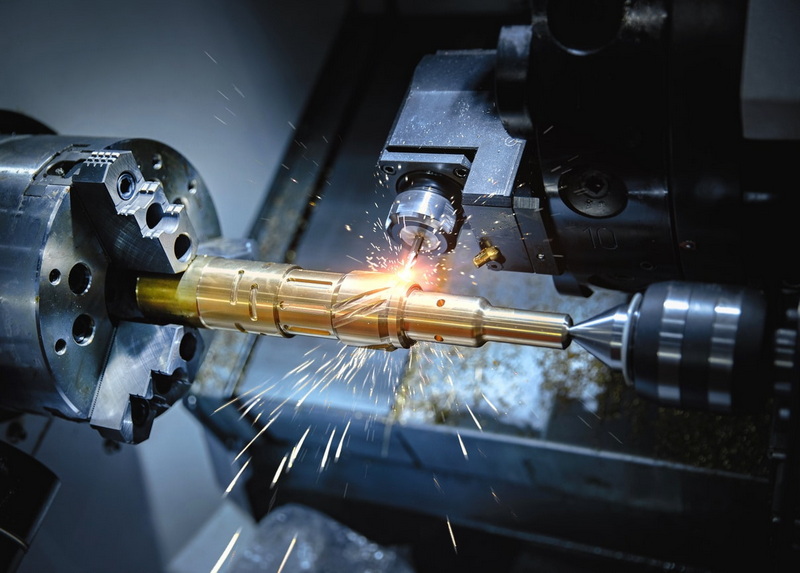
- Typical offerings include multi-axis milling and turning, EDM, laser and waterjet cutting, grinding, finishing, and assembly support.
- Very important. ISO 9001 demonstrates quality management, while sector-specific standards like ISO 13485 (medical) or EN 9100 (aerospace) indicate domain-specific excellence.
- Yes. Many firms offer prototyping alongside production, enabling faster validation and DFM feedback.
- Comprehensive inspection records, CMM reports, material certificates, process validation data, and coating/finish documentation.
- Use robust NDAs, define IP ownership in contracts, control data exchanges, and limit access to sensitive information.


