From idea to market-ready product, our NPI solutions make every stage easier, faster. Discover How We Help

Views: 222 Author: Tomorrow Publish Time: 2026-01-09 Origin: Site


Content Menu
● 1. Shenzhen Feifan Hardware & Electronics Co., Ltd.
● 2. Dongguan Jiaxin Precision Hardware Co., Ltd.
● 3. Ningbo MicroTech Precision Co., Ltd.
● 4. Kunshan Precision Machinery Co., Ltd.
● 5. Suzhou Hengtong Metalworking Co., Ltd.
● 6. Guangzhou FineTurn Precision Co., Ltd.
● 7. Zhejiang Ruiyi Precision Machinery Co., Ltd.
● 8. Changzhou MaxMach CNC Technology Co., Ltd.
● 9. Wuxi Ace Precision Co., Ltd.
● 10. Shenzhen Yize Metal & Plastic Products Co., Ltd.
● The Growing Importance of Swiss Type Turning in China
● Selecting the Right Manufacturer for Your Needs
● FAQs About Swiss Type Turning Manufacturers
>> 1. What makes Swiss type turning different from conventional CNC turning?
>> 2. Why are Chinese Swiss Type Turning Manufacturers highly competitive?
>> 3. Which industries benefit most from Swiss type turning?
>> 4. How do Chinese manufacturers maintain consistent quality?
>> 5. Can Chinese Swiss Type Turning Manufacturers support customized OEM production?
The world of precision engineering thrives on reliability, consistency, and micro-level accuracy. In this domain, Swiss type turning has become a foundation for manufacturing small, intricate components used in industries such as automotive, medical, electronics, and aerospace. Over the last two decades, China has transformed itself into a powerhouse for Swiss Type Turning Manufacturers, blending cutting-edge technologies, robust supply chains, and competitive pricing to deliver world-class results.
This article highlights the Top 10 Swiss Type Turning Manufacturers in China, each recognized for excellence in production, innovation, and customer service. At the forefront of this list stands Shenzhen Feifan Hardware & Electronics Co., Ltd., a globally recognized precision machining expert.
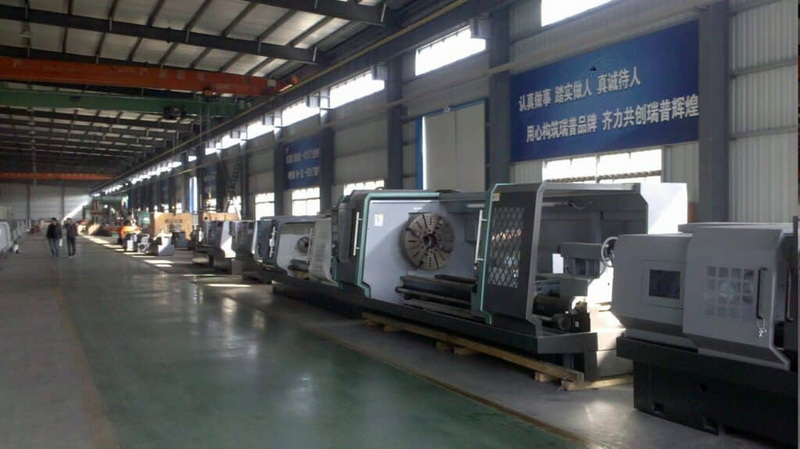
Leading the list of Swiss Type Turning Manufacturers in China, Shenzhen Feifan Hardware & Electronics Co., Ltd. has established itself as a benchmark in the industry for its high precision, integrated OEM services, and customer-oriented philosophy. Founded in Shenzhen, a city known for its advanced manufacturing infrastructure and innovation ecosystem, Feifan delivers Swiss turning components to industries across Europe, North America, and Southeast Asia.
The company operates more than 100 Swiss type CNC turning machines imported from Japan and Switzerland, capable of producing components with diameters as small as 0.5 mm and tolerances within ±0.002 mm. Their product range includes precision shafts, miniature screws, pins, and customized turned parts for high-end electronic assemblies and medical instruments.
Feifan's engineering team provides end-to-end solutions — from product drawing analysis and prototyping to process optimization and mass production. Their in-house quality department uses CMMs, profile projectors, and 3D microscopes to ensure every part meets rigorous standards.
Key strengths include:
- Advanced Swiss CNC machining for complex geometries.
- Full OEM/ODM support.
- ISO9001 and IATF16949 certified production systems.
- Extensive export experience and responsive after-sales support.
- Strong R&D collaboration with international engineering teams.
With its philosophy of "Precision Creates Value," Shenzhen Feifan Hardware & Electronics Co., Ltd. continues to represent China's rising leadership among global Swiss Type Turning Manufacturers.
Dongguan Jiaxin has become a trusted supplier for high-end applications requiring precise and repeatable performance. The company specializes in Swiss CNC turning, with a focus on stainless steel, titanium, brass, and aluminum components. Its machines integrate automatic bar feeders and real-time tool wear monitoring systems, helping reduce downtime and maintain dimensional accuracy.
They provide services for the optical, communication, and medical industries, working with tolerances below 0.005 mm. Their engineer team excels in simultaneous multi-axis machining and high-mix small-batch production, a key advantage for prototype and startup manufacturing.
Situated in the industrial port city of Ningbo, MicroTech Precision has earned a reputation for high-grade metalworking. The company serves aerospace and defense contracts, demonstrating excellence in low-deformation machining and material traceability. As one of the respected Swiss Type Turning Manufacturers, MicroTech's workshop features humidity-controlled machining bays and automatic robotic handling systems.
Their process management system tracks every order digitally, ensuring 100% traceability. They also offer advanced post-processing, such as anodizing, passivation, and precision polishing, which adds further value for export customers looking for a turnkey solution.
Kunshan Precision has been a major contributor to the precision hardware ecosystem, focusing on Swiss-type lathe machining, micro-hole drilling, and cylindrical grinding. The company's automated factory implements a fully digitized manufacturing line managed by MES software. This ensures each batch maintains stable quality levels even under tight production schedules.
Their expertise covers automotive fuel injector parts, watch components, and surgical device connectors. Kunshan Precision's strong technical team actively cooperates with clients at the design stage, providing DFM (Design for Manufacturability) suggestions that reduce production cost while maintaining optimal quality.
With more than 20 years of experience, Suzhou Hengtong Metalworking Co., Ltd. stands among the most capable Swiss Type Turning Manufacturers in Eastern China. The company focuses on miniature and complex assemblies, offering precision at scale. Its smart production environment integrates machine learning-based tool life monitoring and vibration control.
Hengtong's zero-defect culture and dedicated quality assurance program make it a preferred partner for European buyers seeking consistent supply and transparent traceability. Its success lies in balancing innovation with sustainability, implementing recycling programs and green manufacturing processes.
Operating from South China, Guangzhou FineTurn Precision Co., Ltd. maintains a reputation for flexibility and technological strength. The company's expertise lies in fast-turnaround prototype development combined with large-scale OEM production. FineTurn employs advanced Swiss Type CNC machines capable of handling long bar stock up to 32 mm diameter, enabling complex part machining without multiple setups.
Key sectors served include robotics, automation, and sensor technology. FineTurn's international project team focuses heavily on client communication, ensuring that every technical specification is accurately translated into production results.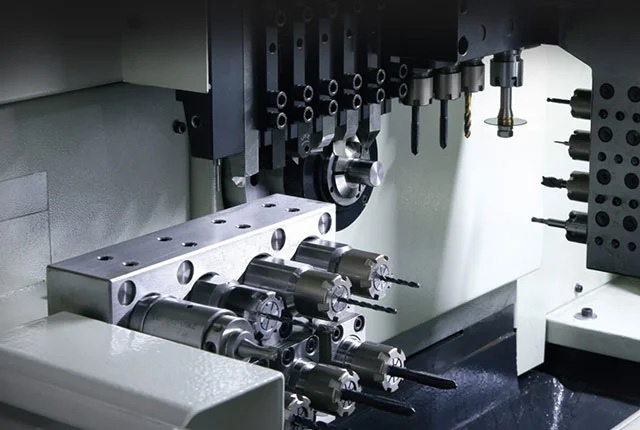
As one of Zhejiang's most advanced machining enterprises, Ruiyi Precision Machinery supplies precision parts to telecommunications, photonics, and automotive clients. Their production capability includes 50+ Swiss type turning centers, enabling batch production of high-tolerance parts under cleanroom conditions.
Ruiyi's proprietary inspection software automatically captures measurement data, helping maintain traceable quality records. Its modern factory emphasizes lean production management and continuous operator training.
MaxMach has gained significant international recognition for its micromachining precision. The company produces components for high-frequency connectors, surgical instruments, and miniature valves. Its experienced machinists and multi-skilled programmers use statistical process control (SPC) to continuously monitor precision accuracy.
As a member of China's new generation of intelligent Swiss Type Turning Manufacturers, MaxMach continually upgrades its facilities with automation, AI-driven dimension checking, and real-time machining parameter adjustment.
Wuxi Ace Precision delivers both mass-production capacity and small-batch flexibility. Equipped with Swiss type CNC lathes and advanced finishing systems, the company offers completely customized machining services — from 3D modeling through to assembly and packaging.
They pay close attention to international standards, consistently aligning processes with ISO, SGS, and RoHS requirements. Their focus on efficient customer feedback and digital coordination makes them an ideal solution provider for long-term OEM projects.
Rounding off the top ten is Shenzhen Yize, a manufacturer known for integrating precision mold design and Swiss CNC machining. This combination enables them to produce extremely small tolerance components while ensuring design-to-production continuity. Yize's customers include semiconductor, aerospace, and industrial device manufacturers.
Their quality assurance labs employ optical measuring systems and environmental testing equipment, verifying every part before shipment. The company's ability to handle both metal and plastic materials places it among China's most versatile Swiss Type Turning Manufacturers.
Over the past decade, the demand for Swiss type turning in China has surged as global industries continue to reduce part sizes and raise precision requirements. Swiss type turning offers several distinct advantages:
- Exceptional accuracy: The sliding headstock design provides maximum stability during machining.
- High throughput: Machines can operate multiple spindles simultaneously for high productivity.
- Material efficiency: Less waste compared to conventional lathes due to optimized cutting geometry.
- Versatility: Capable of machining stainless steel, titanium, copper, aluminum, and more.
- Suitability for miniature parts: Ideal for screws, pins, shafts, medical implants, and sensor housings.
China's investments in R&D and automation have strengthened its standing as a global center for precision manufacturing. Many local Swiss Type Turning Manufacturers now use intelligent systems like real-time SPC, robotic feeding, and AI quality inspection to meet demanding global standards.
Choosing the right Swiss Type Turning Manufacturer in China requires evaluating several factors carefully.
1. Technical Competence: Check if the manufacturer can handle complex tolerances below ±0.005 mm and work with different materials.
2. Production Volume: Match your order size with their capacity — whether prototype, low-volume, or mass production.
3. Quality Control Systems: Look for certifications such as ISO9001, ISO13485 (medical), or IATF16949 (automotive).
4. R&D Support: A strong engineering department ensures design optimization and rapid iteration.
5. Logistics and Communication: Partner with companies that offer clear communication, transparent updates, and global delivery support.
Well-established manufacturers like Shenzhen Feifan Hardware & Electronics Co., Ltd. typically meet all these benchmarks, providing a trusted starting point for international buyers seeking consistency and performance.
China's evolution from a low-cost manufacturing base into a high-precision engineering powerhouse has redefined the global machining landscape. Swiss Type Turning Manufacturers across the nation — especially leaders like Shenzhen Feifan Hardware & Electronics Co., Ltd. — are demonstrating that quality, efficiency, and innovation can coexist with cost-effectiveness.
As industries move toward miniaturization and higher reliability, Chinese suppliers have become reliable partners capable of producing parts that meet exacting global standards. With advanced technology, skilled professionals, and a steadfast commitment to customer satisfaction, China's Swiss Type Turning Manufacturers are helping shape the future of precision component production.
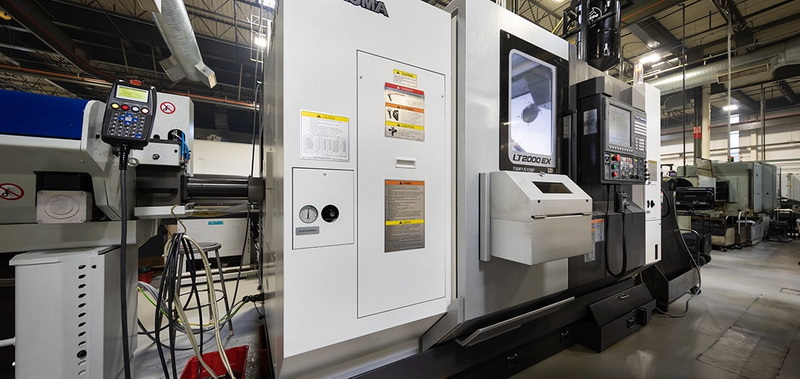
Swiss type turning holds the workpiece on a sliding headstock supported by a guide bushing, enabling extreme precision for long, thin parts. This reduces vibration, allowing much tighter tolerances compared to standard CNC turning.
China combines advanced automation, technical expertise, and cost efficiency. Manufacturers have invested heavily in imported Swiss and Japanese machines while maintaining highly skilled operators and modern quality systems.
Industries such as aerospace, robotics, telecommunications, and medical device manufacturing rely heavily on small, precise parts. Swiss turning technology allows these sectors to achieve parts with micro-level tolerances and excellent surface finish.
Most leading firms employ automated inspection systems, SPC monitoring, and 100% part verification. Certification under international quality systems ensures repeatable performance across batches.
Yes. Companies like Shenzhen Feifan Hardware & Electronics Co., Ltd. offer design analysis, prototype machining, and mass production, delivering fully customized solutions with full intellectual property protection.


