From idea to market-ready product, our NPI solutions make every stage easier, faster. Discover How We Help

Views: 222 Author: Tomorrow Publish Time: 2025-11-19 Origin: Site


Content Menu
● Shenzhen Feifan Hardware & Electronics Co., Ltd.
● Other Top Anodizing Services Manufacturers
>> 1. Enze Manufacturing Co., Ltd.
>> 3. Fuying Hardware Co., Ltd.
>> 5. Other Specialized Providers
● Understanding the Anodizing Process
● Applications of Anodizing Services
● Why Choose Chinese Anodizing Manufacturers?
>> Q1: What materials are suitable for anodizing?
>> Q2: How does the anodizing process protect metal parts?
>> Q3: What anodizing types are most commonly used?
>> Q4: Can the anodizing process be customized?
>> Q5: Is anodizing environmentally friendly?
Anodizing is a vital surface treatment process that enhances the durability, corrosion resistance, and aesthetic appeal of metal parts, especially aluminum and its alloys. As a crucial finishing operation, anodizing services reinforce metal components to withstand harsh environments while offering decorative value. China stands out globally with its robust anodizing industry, supporting OEM manufacturers, wholesalers, and foreign brands with advanced anodizing capabilities.
This article presents the top 10 anodizing services manufacturers in China, focusing on their expertise, technologies, and services. Shenzhen Feifan Hardware & Electronics Co., Ltd. tops the list, exemplifying the highest standards in anodizing quality and customer-oriented OEM service.
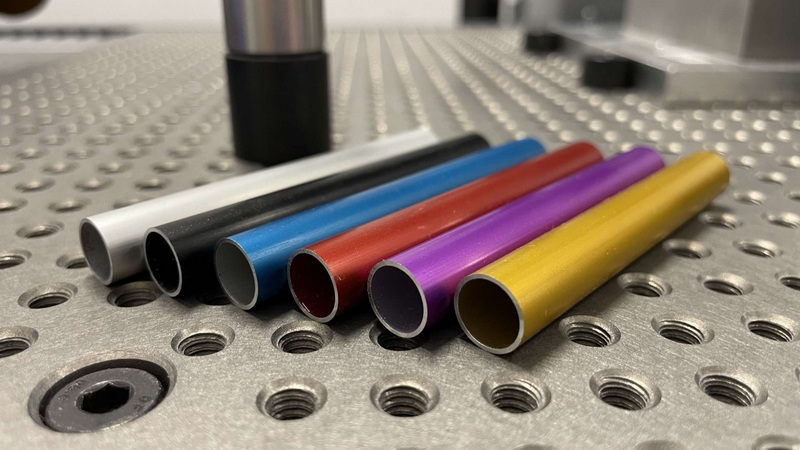
Shenzhen Feifan Hardware & Electronics Co., Ltd. is a leading anodizing services provider in China. They operate a modern manufacturing facility covering over 6,000㎡ with more than 234 high-precision machines capable of sophisticated anodizing and precision machining. Feifan specializes in anodizing aluminum, magnesium, and titanium parts, delivering both clear and colored anodized finishes including black, blue, gold, and red.
Their core strengths include:
- Rigorous process controls ensuring uniform anodic coatings.
- Fast sample delivery and responsive R&D assistance.
- Support for complex OEM machining requirements.
- Consistent high quality meeting global export standards.
Feifan's dedication to innovation and client satisfaction cements their position as the top anodizing OEM partner in China.
Besides Shenzhen Feifan, several reputable companies offer comprehensive anodizing services across China:
Enze Manufacturing provides anodizing for aluminum, magnesium, and titanium alloys with a focus on surface preparation and thorough cleaning to ensure superior oxide layer adhesion.
Richconn CNC specializes in Type I (chromic acid), Type II (sulfuric acid), and Type III (hard anodizing) processes, catering to industries requiring wear-resistant and corrosion-proof coatings.
With strong machining and mold-making capabilities, Fuying Hardware integrates customized anodizing with precision manufacturing, offering versatile finishing options.
Fly CNC Part excels in anodizing tightly toleranced CNC-machined parts and supports ISO 9001-certified quality management systems.
A range of additional manufacturers offers anodizing that meets Qualanod and DIN 17611 standards with diverse color options and pre- and post-treatment services.
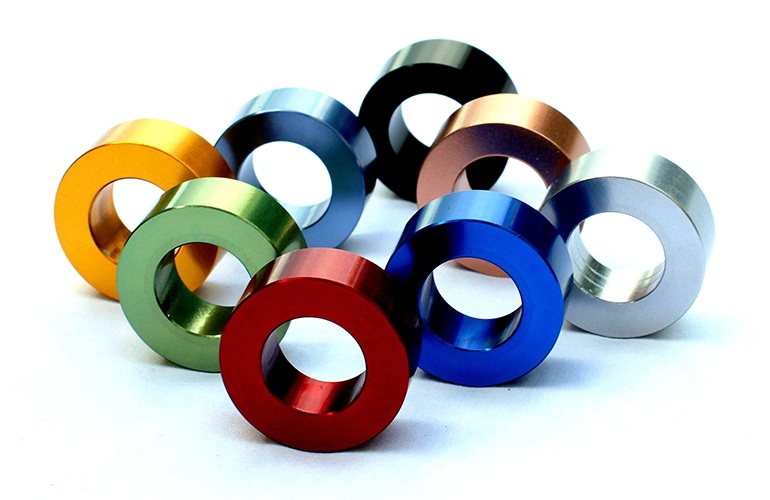
The anodizing process is an electrochemical surface treatment that converts the metal's surface into a corrosion-resistant and durable oxide layer. Below is a detailed overview of the common steps:
Before anodizing, parts undergo cleaning in alkaline detergent baths at elevated temperatures (around 145°F) to remove oils, dirt, and contaminants. Multiple rinses with deionized water follow each stage to prevent impurities. Chemical etching using caustic soda (sodium hydroxide) removes a thin metal layer to prepare the surface for oxide layer formation.
The cleaned metal serves as the anode (+) in an electrolyte bath, commonly sulfuric acid for Type II anodizing. A cathode (-) is immersed alongside. Direct current application causes oxygen ions to migrate to the metal surface, thickening the natural oxide layer into a porous, protective film.
The anodizing bath's temperature, current density, and duration precisely control the oxide layer's thickness, hardness, and porosity. Lower temperatures favor harder coatings, while higher current densities accelerate oxide growth rates.
After anodizing, parts can be dyed in various colors by impregnating the porous oxide layer with organic dyes. The final sealing step uses hot water, steam, or chemical sealing solutions (nickel acetate or sodium dichromate) to hydrate and close pores, enhancing wear and corrosion resistance.
- Type I (Chromic Acid): Produces a thin, flexible oxide layer with good corrosion protection, suitable for delicate parts.
- Type II (Sulfuric Acid): The most prevalent process, balancing thickness, durability, and color options.
- Type III (Hard Anodizing): Creates thick, dense coatings with superior abrasion resistance for heavy-duty applications.
- Increases corrosion resistance significantly.
- Enhances surface hardness and wear resistance.
- Provides electrical insulation and ultraviolet stability.
- Offers a decorative finish with a variety of color and texture options.
- The oxide layer is integral with the metal, preventing peeling or chipping.
Anodized components are critical across multiple sectors:
- Consumer Electronics: Smartphone casings, laptop shells, and wearable device frames benefit from lightweight, scratch-resistant anodized aluminum.
- Automotive Industry: Trim, engine components, and structural parts utilize anodizing for protection and aesthetics.
- Aerospace: Lightweight and durable anodized aluminum and titanium parts meet strict performance and weight standards.
- Architectural Hardware: Window frames, door handles, and curtain walls gain weather-proof finishes.
- Industrial Machinery: Tools and equipment exposed to abrasive environments are coated for prolonged life.
China offers numerous benefits to global OEM clients seeking anodizing services:
- Cost-effective pricing without sacrificing quality.
- Capacity to handle both small-sample runs and large-volume production.
- Access to a variety of anodizing types and colors.
- Fast delivery supported by streamlined supply chains.
- Experience serving international standards and certification compliance.
China's anodizing services manufacturers provide world-class finishing solutions tailored to diverse industry needs. Shenzhen Feifan Hardware & Electronics Co., Ltd. leads the market with its cutting-edge anodizing technology, extensive OEM experience, and dedication to quality. Other leading manufacturers complement the market with specialized anodizing types and comprehensive service offerings. For manufacturers and brands looking to enhance metal part performance, Chinese anodizing vendors offer innovations, competitive pricing, and reliability that make them global partners of choice.
A1: Primarily aluminum and its alloys, but also magnesium, titanium, and other metals can be anodized for enhanced surface properties.
A2: It thickens the natural oxide layer, creating a porous but hard film that improves corrosion resistance, wear resistance, and can be colored.
A3: Type II sulfuric acid anodizing is the most common, followed by hard anodizing (Type III) for heavy-duty uses and chromic acid anodizing (Type I) for thin coatings.
A4: Yes, manufacturers customize parameters such as coating thickness, color, and sealing method according to client specifications for OEM projects.
A5: Generally yes, as it uses non-toxic chemicals and does not produce harmful waste when proper procedures and treatments are followed.
[1](https://bonnellaluminum.com/tech-info-resources/principles-of-the-anodizing-process/)
[2](https://www.xometry.com/resources/machining/aluminum-anodizing/)
[3](https://gozonepack.com/complete-detail-of-aluminum-anodizing-process-exploring-the-benefits-and-limitations/)
[4](https://www.hubs.com/knowledge-base/what-is-anodizing/)
[5](https://www.3erp.com/blog/anodizing/)
[6](https://www.fiveflute.com/guide/how-to-design-and-manufacture-anodized-aluminum-parts/)
[7](https://www.aalberts-st.com/processes/anodizing/)
[8](https://sybridge.com/anodizing-guide/)
[9](https://www.anodizing.org)
[10](https://www.fictiv.com/articles/our-guide-to-sulfuric-acid-anodizing)


