From idea to market-ready product, our NPI solutions make every stage easier, faster. Discover How We Help

Views: 222 Author: Tomorrow Publish Time: 2025-12-23 Origin: Site


Content Menu
● Understanding Gearbest's Role in the 3D Printing Market
● Evaluating Gearbest's Customer Service Framework
>> Ticket-Based Assistance System
>> Online Chat and Automated Support
>> User Communities and Forums
● Response Time and Problem Resolution
>> Verification and Proof of Issue
● Warranty and Return Policies for 3D Printers
>> Return and Refund Conditions
>> Challenges in Returning Machines
● Comparing Gearbest to Other Major Retailers
● Customer Reviews and Reputation Insights
>> Reputation Among 3D Printing Enthusiasts
● Benefits of Purchasing 3D Printers from Gearbest
● Downsides of Gearbest's Customer Service
● How Gearbest Could Improve Its Customer Support Experience
● Real-World Customer Case Examples
● The Role of Manufacturers in Support Handling
● How Gearbest Handles Lost Shipments or Customs Issues
● Future Prospects and Customer-Centric Innovations
● A Balanced Perspective: Who Should Buy 3D Printers from Gearbest?
● FAQ
>> 1. How long does Gearbest take to reply to a service ticket?
>> 2. Does Gearbest offer warranties on all 3D printers?
>> 3. Can I get a full refund if my 3D printer is defective?
>> 4. Who pays the shipping cost for returns?
>> 5. Is Gearbest safe for purchasing expensive 3D printers?
The world of 3D printing has evolved rapidly in recent years, offering affordable technology that empowers individuals, educators, and small businesses to innovate. As the market grows, the number of online retailers supplying 3D printers has also exploded. Among these sellers, Gearbest has gained attention for its broad product range and competitive pricing. Yet one question persists: Is Gearbest the best when it comes to 3D printer customer service?
To answer this, we'll explore how Gearbest operates, how it compares to other sellers, and what real customers have experienced when dealing with its support team.
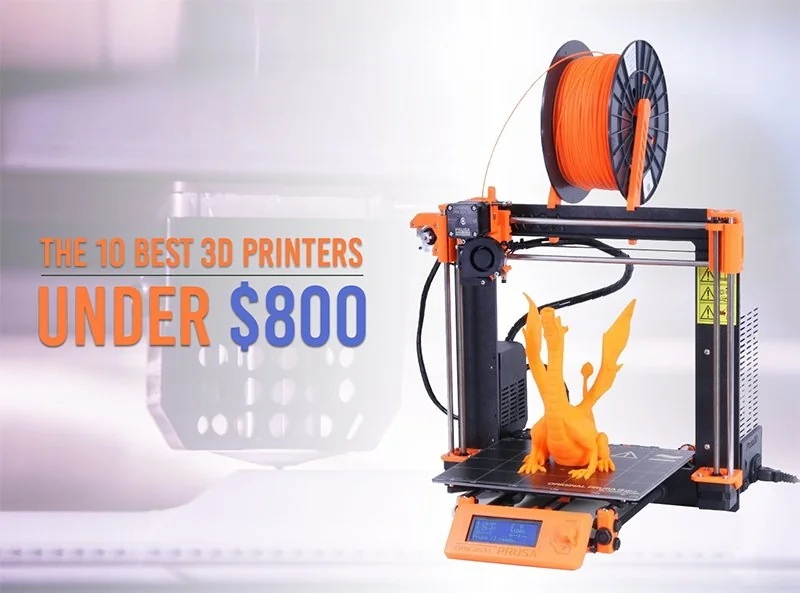
Gearbest originally began as an e-commerce platform for electronics and consumer tech. Over time, its catalog expanded to include drones, laptops, smartwatches, and eventually 3D printers and related accessories. This diversification made it a go-to marketplace for tech enthusiasts seeking global shipping and lower prices.
In the 3D printing world, Gearbest primarily caters to entry-level and mid-tier users. Its collection includes models from popular brands such as Creality, Anycubic, Artillery, and Alfawise. These machines appeal to hobbyists who value cost-efficiency and are comfortable performing minor setups or troubleshooting steps.
However, while Gearbest offers a wide variety of machines and parts, its success in customer satisfaction doesn't rely solely on pricing but on the after-sales service it delivers—which is where mixed experiences often arise.
Gearbest's customer service is largely digital. The platform uses a ticket-based support system, where customers log in to their accounts to file complaints, request replacements, or ask technical questions. Each ticket is assigned to a queue, and responses come via email or through the platform's message portal.
Some regions have access to live chat support, but availability varies by time zone. Additionally, an automated chatbot addresses basic issues or policy questions, directing users to FAQs and support articles.
One of Gearbest's strengths is its large online community. Through review pages, comment threads, and social media groups, users often exchange troubleshooting tips. While these discussions are informal, they provide value when official support responses are delayed.
Despite these options, users sometimes describe communication as slow or impersonal. Time zone differences and language barriers can occasionally add complexity when resolving issues relating to technical hardware like 3D printers.
On average, Gearbest's response time ranges from 24 to 72 hours after a support ticket is submitted. This depends on factors such as the customer's location, product category, and the complexity of the issue. Simple queries may be solved within a day, but hardware-related problems can take longer.
When a 3D printer arrives damaged or defective, Gearbest usually requires photo or video evidence of the problem. The verification process helps prevent fraud but can add extra delays. Once verified, the company may offer one of three resolutions:
1. Ship replacement parts free of charge.
2. Issue a partial refund.
3. Request product return for exchange or full refund.
While refunds or replacements are generally fulfilled, delivery speed depends on warehouse location and third-party logistics partners. Customers outside of Asia or Europe may experience shipping lags, sometimes extending the case resolution time to multiple weeks.
Most 3D printers sold on Gearbest include a one-year limited warranty against manufacturing defects. The warranty typically excludes damages caused by user errors such as improper setup, firmware modification, or use of incompatible parts. To qualify, the customer must report issues soon after delivery and cooperate with inspection requests.
Gearbest allows customers to return products within 7 days of receipt for a full refund if they remain unused and in original packaging. For printers with valid defects discovered after the 7-day period, Gearbest offers partial refunds, repairs, or spare part replacements depending on the case.
Returns can be challenging because most items ship internationally. Customers may have to pay return shipping fees or deal with customs processes. However, Gearbest occasionally provides prepaid labels if the fault is confirmed as a manufacturer defect. These policies are typical for global marketplaces, but they highlight the limitations of centralized services for large, fragile equipment like 3D printers.
Several e-commerce platforms compete in the same space. Let's break down the comparison:
- Amazon: Offers near-instant refunds and a highly responsive customer service team. Its extensive warehouse network ensures fast replacements, though prices often run higher.
- Banggood: Similar to Gearbest in pricing and product offerings but often boasts slightly quicker shipping and more straightforward return logistics.
- Official Brand Stores (e.g., Creality, Elegoo): Provide brand-specific expertise, firmware updates, and technical troubleshooting that generic retailers can't match.
- AliExpress: Features broad availability and frequent deals, but customer service is inconsistent and dependent on individual sellers.
Verdict: Gearbest stands strong on pricing and product diversity but trails in speed and personalization compared to rivals like Amazon or official brand stores.
Browsing platforms such as Trustpilot or Reddit shows a mixture of satisfaction and frustration. Many positive reviews highlight successful purchases, stable packaging, and proper product functioning upon arrival. Negative reviews generally focus on slow response times and delays in shipment or warranty claims.
In 3D printing communities, users note that Gearbest is best suited for self-reliant hobbyists who can handle minor repairs or assembly themselves. In comparison, beginners may struggle if prompt assistance is required.
In the long run, Gearbest's reliability is tied to buyer expectations: it thrives with value-oriented customers but may disappoint those expecting white-glove technical service.
Despite occasional criticism, Gearbest offers several advantages to its customers:
- Competitive pricing: Often 10–20% cheaper than Western retailers.
- Diverse selection: Hundreds of models across all major 3D printing categories, from FDM to resin printers.
- Frequent discounts: Flash sales, coupons, and holiday deals are common.
- Wide shipping coverage: Delivers to most global regions with varied shipping options.
- Active community: Peer-driven support helps users solve technical problems faster.
These factors make Gearbest appealing for budget-conscious makers and small workshops.
Although Gearbest achieves cost efficiency, certain drawbacks persist:
- Inconsistent communication: Response quality and timing vary.
- Language clarity: Some users report confusion due to non-native English messages.
- Limited local support: Most technical queries are handled overseas.
- Return delays: International logistics complicate exchanges.
- Lack of diagnostic expertise: General customer service may not fully address advanced printer calibration or firmware issues.
These factors often create frustration for customers who expect the same service level as local retailers.
For Gearbest to position itself as a truly leading 3D printer seller, the following improvements could help:
1. Regional assistance centers: Localized support in North America or Europe can drastically reduce return and communication times.
2. Dedicated 3D printing team: Specialists trained in printer troubleshooting could enhance customer trust.
3. Comprehensive manuals and tutorials: Clear, multilingual resources reduce unnecessary tickets.
4. Transparent tracking: Real-time ticket status updates would assure customers their issue is progressing.
5. Live expert chat: Immediate technical help could set Gearbest apart from other value-oriented platforms.
With these upgrades, Gearbest could combine affordability with reliability—something rare in budget tech retail.
Gearbest's customer service performance varies case by case. Here are a few representative experiences gathered from user discussions:
- Case 1: A user received an Anycubic printer with a broken extruder motor. After submitting a video, Gearbest confirmed the issue within two days and shipped a replacement motor, resolving the problem in about two weeks.
- Case 2: Another buyer's Creality Ender 3 had a cracked print bed on arrival. Gearbest issued a partial refund because the user opted to replace the part locally rather than return the unit.
- Case 3: Some customers dealing with firmware installation issues reported slower communication, as frontline agents lacked detailed product knowledge.
Overall, Gearbest completes most warranty obligations, but the process can test a buyer's patience—especially for time-sensitive projects.
Gearbest's catalog includes multiple third-party brands, which means warranty handling can differ. In some cases, brands like Creality or Anycubic directly assist customers even if the purchase came through Gearbest. Other manufacturers, however, require the customer to coordinate solely with the seller.
This overlap between seller and brand responsibilities sometimes causes confusion about who provides support or replacement components. Knowing whether Gearbest or the manufacturer leads the warranty claim is crucial before purchase.
International logistics bring potential challenges such as lost parcels or delayed customs clearance. Gearbest offers shipping insurance that covers lost packages and refunds after investigation. Buyers are encouraged to choose registered shipping or insured options at checkout for added protection.
Customs delays, while outside of Gearbest's direct control, can add to frustration. In such events, Gearbest provides tracking updates and documentation support but depends heavily on local postal agencies.
E-commerce trends show that consumers now prioritize transparency and service reliability over price alone. Gearbest, recognizing this shift, has made incremental changes since 2024, such as faster ticket response systems and better product labeling regarding warehouse locations.
Looking forward, integrating AI-driven chatbots for technical troubleshooting or developing partnerships with 3D printer manufacturers for localized after-sales care could elevate Gearbest's customer service image dramatically.
If these innovations continue, Gearbest has a real chance to balance affordability with responsiveness—two traits rarely found together in global online marketplaces.
Gearbest suits a specific buyer profile:
- DIY enthusiasts capable of solving most mechanical or software issues independently.
- Budget-conscious students and makers prioritizing affordability over immediate technical support.
- Global shoppers comfortable with longer waits in exchange for savings.
Meanwhile, users who depend on fast, local, and detailed troubleshooting might prefer platforms with regional operations or specialized support from official brand websites.
So, is Gearbest truly the best for 3D printer customer service? The answer is nuanced. Gearbest excels in affordability, broad selection, and eventual issue resolution. However, its service lacks immediacy, personalization, and localized presence. For buyers who value low prices and can tolerate waiting periods, Gearbest remains a solid, trustworthy option. But professionals and impatient beginners may find quicker, more reliable support from alternative retailers like Amazon, Banggood, or direct manufacturer stores.
In short, Gearbest delivers value-driven service—not the fastest, but reliable enough for informed and patient customers.
Gearbest usually replies within 24–72 hours. More complex issues or international cases may require up to a week for full resolution.
Yes. Most models include a one-year manufacturer's warranty, though terms vary depending on the brand and component type.
If reported within 7 days and the printer is unused, you can receive a full refund. For operational defects discovered later, Gearbest offers repair or partial refunds.
In verified defect cases, Gearbest may cover return or replacement shipping. Otherwise, customers may be responsible for shipping fees, depending on region and case details.
Yes, provided you use tracked shipping and understand possible delays. Thousands of customers have successfully received 3D printers safely, though patience is key.


