From idea to market-ready product, our NPI solutions make every stage easier, faster. Discover How We Help

Views: 222 Author: Tomorrow Publish Time: 2025-11-23 Origin: Site


Content Menu
● Understanding 3D Printing Services
● Legally Establish Your Business
● Acquire Equipment and Workspace
● Set Up Software and Design Tools
● Pricing Your 3D Printing Services
● Marketing and Building Client Relationships
● Controlling Costs and Boosting Profitability
● Customer Acquisition Strategies
● Using Technology to Improve Efficiency
● FAQ
>> 1. What equipment do I need to start a 3D printing service?
>> 2. How do I price my 3D printing services?
>> 3. Can I run a 3D printing service from home?
>> 4. What legal steps are necessary to start?
>> 5. How can I market my 3D printing service effectively?
Starting a 3D printing service is an exciting and profitable way to enter the growing additive manufacturing industry. This guide provides practical steps to launch your business successfully, from planning and legal setup to equipment and marketing strategies.
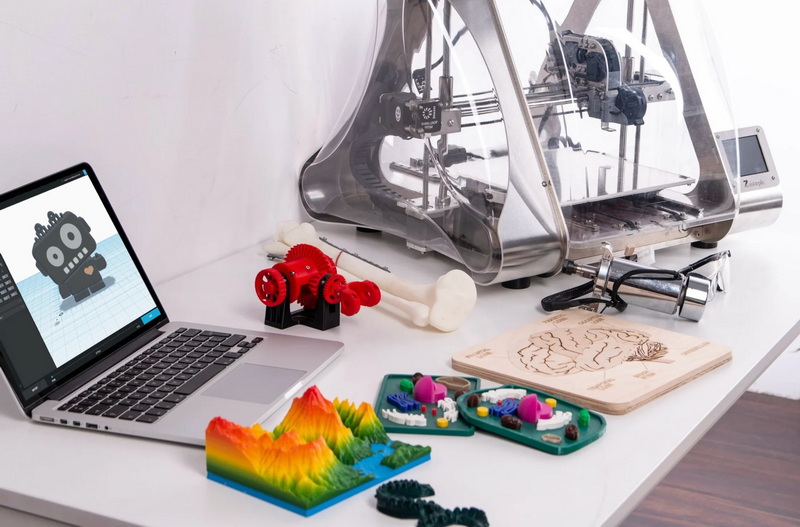
3D printing, also known as additive manufacturing, builds objects layer by layer from digital designs. Businesses and individuals use 3D printing for rapid prototyping, customized parts, small-batch manufacturing, and creative projects. Offering 3D printing services means you provide printing solutions for customers who do not own 3D printers or need specialized expertise and materials.
A solid business plan is the foundation for your 3D printing service. It should detail your business goals, target market, types of services offered, pricing, financial projections, and marketing strategies. Understanding your customer base—such as hobbyists, engineers, product designers, or local businesses—helps tailor your offerings effectively.
Your business plan is also essential to attract investors or secure loans. Use it to define milestones and assess your startup costs, including equipment, materials, workspace, and operational expenses.
Choose a formal business structure for legal protection and operational clarity. Common options include sole proprietorship, LLC, or corporation. Register your business with local authorities and obtain necessary licenses and permits. Set up a business bank account and consider insurance coverage to protect assets and manage liabilities.
Selecting a suitable and unique business name helps build your brand identity. Ensure this name complies with local regulations and register it officially.
Start by selecting appropriate 3D printers aligned with your business focus. Popular technologies include Fused Deposition Modeling (FDM) for affordable prototyping, Stereolithography (SLA) for high-resolution prints, and Selective Laser Sintering (SLS) for durable parts.
Secure a workspace with adequate ventilation, lighting, and electrical capacity. Your workspace can start at home but should allow room for equipment, materials, and post-processing activities such as sanding and painting.
Reliable materials are key to delivering consistent results. Purchase filament types such as PLA, ABS, PETG for FDM printers, or resins for SLA printers. Build relationships with reputable suppliers for bulk discounts and timely delivery. Tracking material costs carefully ensures accurate pricing and profitability.
3D printing relies on digital models created in CAD (Computer-Aided Design) software and prepared with slicing programs that translate designs into printer instructions. Familiarize yourself with popular CAD tools like Fusion 360 or Blender and slicing software like Cura or PrusaSlicer.
Offering design services or print optimization advice during client consultations can add value to your service and increase customer satisfaction.
Calculate prices based on material costs, machine time, labor, overhead expenses, and market rates. Consider offering tiered pricing for prototyping, batch production, and high-detail models. Competitive yet profitable pricing attracts clients while sustaining your business.
Create an online presence with a website and social media to showcase your portfolio and client testimonials. Use professional photos of your 3D prints to demonstrate quality. Target your marketing toward industries needing prototypes, custom parts, or production runs, such as engineering, architecture, and product design.
Network locally with businesses and participate in trade shows or maker fairs to find customers. Excellent communication and responsive service build long-term relationships and repeat business.
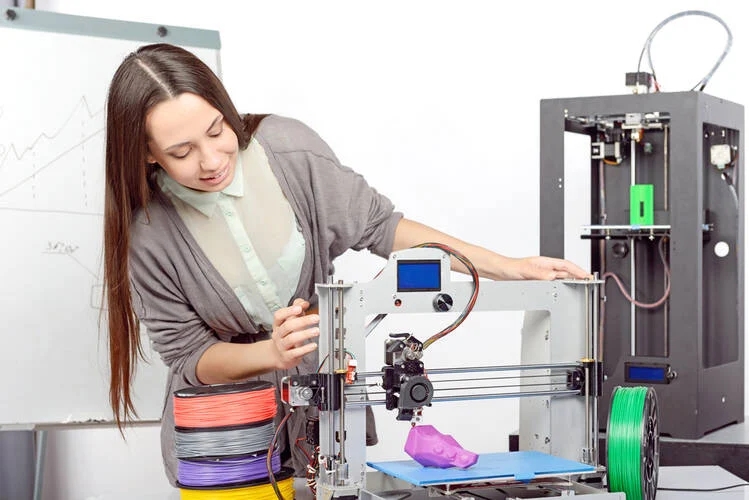
Start small with focused services and expand as demand grows. Gradually invest in additional printers, advanced materials, and new technologies. Streamline production workflows to improve efficiency and maintain quality. Explore offering services like 3D scanning, design consultancy, or finishing treatments.
Controlling operational costs is vital for long-term success. Filament or resin costs constitute significant recurring expenses. Optimize print designs to reduce material usage by minimizing supports and adjusting infill percentages without compromising strength.
Consider buying filaments in bulk from trustworthy suppliers to reduce costs and recycle misprints where possible. Energy-efficient printers and scheduling prints during off-peak hours can lower electricity bills, and regular maintenance reduces downtime and expensive repairs.
Attract customers by focusing on niches like bespoke miniatures, parts for drones, or architectural prototypes. Use free samples or small starter prints to showcase your capabilities.
Offer subscription plans or bulk discounts for businesses needing regular 3D printing services. Providing custom solutions or design assistance can differentiate your service from competitors.
Use print farm management software like AstroPrint for handling multiple printers and tracking jobs in one interface. This reduces manual oversight and speeds up order fulfillment.
Invest in automation tools when scaling up production to maintain quality and reduce labor costs. Outsource secondary tasks such as painting or sanding to specialized partners for higher efficiency.
Starting a 3D printing service requires careful planning, legal compliance, smart equipment choices, and strategic marketing. Understanding your market, setting competitive prices, controlling costs, and delivering quality services are key to building a thriving business in additive manufacturing. With dedication and innovation, your 3D printing service can grow to meet diverse needs in various industries.
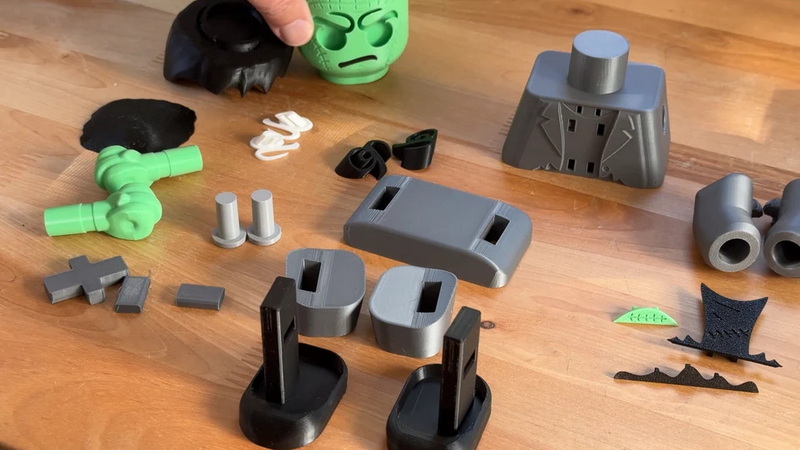
You need at least one reliable 3D printer suited to your target market, such as FDM or SLA printers, along with materials like filaments or resins and post-processing tools. Computer software for design and slicing is also essential.
Pricing should cover your material costs, machine time, labor, overheads, and market competition. Consider tiers for prototyping, production, and complex prints to attract diverse customers.
Yes, many start their service at home with small-scale equipment. Ensure your workspace is well-ventilated and equipped for printing and finishing safely.
Register your business legally (LLC, sole proprietorship, etc.), obtain local licenses or permits, set up a business bank account, and consider insurance for protection.
Build a professional online presence with a website and social media, showcase your best prints, network with local businesses, and gather customer reviews to build trust.
[1](https://kingroon.com/blogs/3d-print-101/how-to-start-a-3d-printing-business)
[2](https://www.jim.com/blog/how-to-start-a-3d-printing-business)
[3](https://www.shopify.com/blog/how-to-start-a-3d-printing-business)
[4](https://www.podbase.com/blogs/3d-printing-business-ideas)
[5](https://www.eufymake.com/blogs/business-ideas/how-to-start-3d-printing-business)
[6](https://rapidmade.com/3d-printing-guide/)
[7](https://www.youtube.com/watch?v=ByjkWEXHt7s)
[8](https://www.3dprinteros.com/articles/unlocking-the-world-of-3d-printing-a-comprehensive-beginners-guide-to-3d-printer-models-printing-services-and-software)
[9](https://3dprintingindustry.com/3d-printing-basics-free-beginners-guide/)
[10](https://www.reddit.com/r/3Dprinting/comments/18t9wev/how_do_i_start_a_3d_printing_business/)


