From idea to market-ready product, our NPI solutions make every stage easier, faster. Discover How We Help

Views: 222 Author: Tomorrow Publish Time: 2026-01-31 Origin: Site


Content Menu
● Why Proper Workholding Matters in CNC Milling
● Common Workholding Devices Used in CNC Milling
>> 3. T-Slot Fixtures and Mounting Plates
● Step-by-Step Guide to Securing Metal Stock
>> Step 1: Clean the Work Area
>> Step 2: Choose the Correct Fixture
>> Step 3: Align and Position the Metal Stock
>> Step 4: Apply Even Clamping Pressure
>> Step 5: Verify Stability and Safety
>> Step 6: Record Setup Parameters
● Advanced Fixturing Techniques for CNC Milling
>> Custom Fixtures and Soft Jaws
>> Precision Locating Pins and Zero-Point Systems
>> 5-Axis Workholding Solutions
● Troubleshooting Workholding Problems
● Safety Considerations in CNC Milling Workholding
● Improving Efficiency Through Workholding Optimization
>> Monitoring and Smart Fixtures
● FAQ
>> 1. What is the best way to secure irregular metal shapes?
>> 2. Can I use magnetic chucks for aluminum or brass?
>> 3. How can I reduce vibration during heavy milling?
>> 4. Why should I use parallels in vises?
>> 5. How often should fixtures be inspected or replaced?
One of the most essential factors in achieving precision, repeatability, and safety in CNC milling is how the metal stock is secured. Even with a highly capable CNC milling machine, improper fixturing can cause chatter marks, inaccurate cuts, or complete part failure. A small shift in the workpiece during machining can compromise tight tolerances, resulting in costly waste and rework.
Securing the metal stock may seem simple, but it is a skill developed through technical understanding and practical experience. When done properly, workholding ensures maximum cutting performance, machinist safety, and surface accuracy. This guide explores in detail how to secure metal stock in a CNC milling machine, the tools and fixtures used, techniques for various shapes and materials, and professional best practices for production stability.
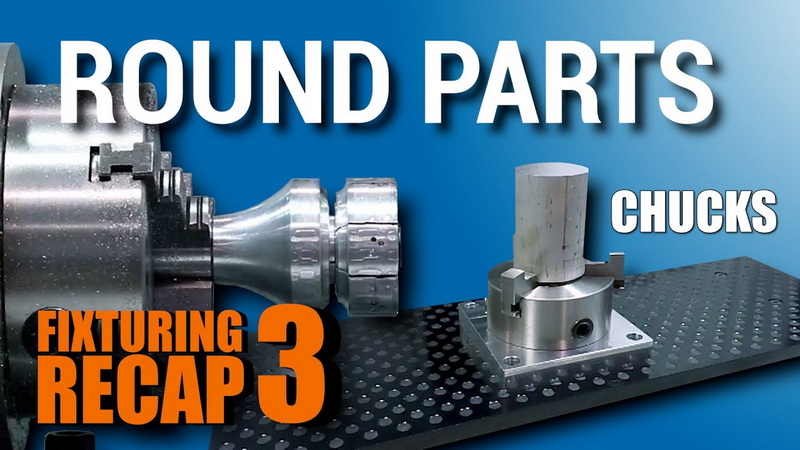
Workholding refers to the method used to hold the workpiece firmly in place during the milling operation. A firm grip ensures precise cutting without movement, regardless of the spindle speed or material hardness. Unlike manual milling, where small adjustments can be made mid-process, CNC milling executes automated sequences that depend on strict positional control.
When workpieces are not securely fixed, several issues arise:
- Dimensional inaccuracies due to part displacement.
- Excess vibration, leading to poor surface finish and shortened tool life.
- Unsafe conditions for operators and potential spindle damage.
- Reduced repeatability in mass production.
In short, consistent and secure workholding is the foundation of reliability in CNC milling.
Choosing the right workholding device depends on the part geometry, production volume, and precision requirements. Below are the most widely used tools for securing metal stock during CNC milling operations.
A machine vise is the standard fixture for most CNC milling jobs. Its rigid structure and adjustable jaws provide strong holding power while maintaining alignment with the machine's axes.
Best practices for vise use:
- Mount the vise on clean, precise surfaces to ensure even clamping pressure.
- Align the vise with the X-axis using a dial indicator.
- Use parallels or soft jaws to protect delicate materials.
- Tighten bolts evenly to prevent misalignment and distortion.
For high-volume production, hydraulic or pneumatic vises are often preferred since they allow consistent clamping torque across multiple parts.
Clamps combined with step blocks are useful for irregularly shaped or oversized workpieces that cannot fit into a vise. They hold the part firmly against the milling table while providing excellent flexibility in height and angle.
Advantages:
- Adaptable for custom setups and large plates.
- Easy to reconfigure with T-slot tables.
- Cost-effective for low-volume or prototype machining.
Most CNC milling machines feature T-slot worktables that accept nuts, studs, or clamps to secure fixtures or vises. Modular plates or fixture bases can be mounted for repeatable setups. This system allows quick changes between operations without losing precision.
Tips:
- Clean the slots and threads before each job.
- Apply even spacing between T-nuts to balance clamping force.
- Label fixture positions to improve repeatability for future runs.
Magnetic chucks are ideal for holding ferrous materials such as steel and cast iron. They are particularly efficient for thin flat parts that might otherwise deform under mechanical clamping. By eliminating physical contact, they preserve smooth surface finishes.
Cautions:
- Always verify magnetic strength relative to cutting forces.
- Do not use for non-ferrous materials like aluminum or brass.
- Supplement with side stops for extra stability in heavy milling.
A vacuum table uses negative pressure to hold lightweight or flat metal sheets during CNC milling. This method offers uniform support and avoids part distortion caused by mechanical clamps.
Limitations:
- Ineffective for thick or uneven parts.
- Requires airtight sealing and a high-pressure pump.
- Often supplemented by mechanical clamping on edges for heavy cutting.
Proper fixturing takes more than tightening a clamp. Each setup should follow a structured process to ensure accuracy and safety. Below are the main steps to correctly secure metal stock in a CNC milling machine.
Before mounting any material, remove chips, grease, or rust from the table and fixtures. Contaminants prevent accurate seating, leading to tilt or uneven clamping. Always use a clean rag or compressed air to clear surfaces.
Select a fixture appropriate for your workpiece size and shape. Use vises for rectangular stock, clamps for large parts, or custom jigs for irregular items. When dealing with thin or soft material, opt for soft jaws or magnetic chucks to prevent deformation.
Align the metal stock to the machine's coordinate system. Use edge finders, dial indicators, or probing systems to confirm alignment and offset positions (G54, G55, etc.). Precision in positioning ensures that cutting paths match the digital model exactly.
Uneven clamping leads to slippage or deflection under load. Apply just enough force to prevent movement without crushing the part. For delicate materials, use torque wrenches to apply consistent pressure.
After securing the stock, manually check its stability by lightly tapping corners. The workpiece shouldn't move or vibrate. Then, run a simulation of the CNC milling program (dry run) to confirm tool clearance and avoid collision with clamps or fixtures.
For frequent production runs, document fixture positions, offsets, and clamping tools. This record allows fast re-setup with identical precision for future jobs.
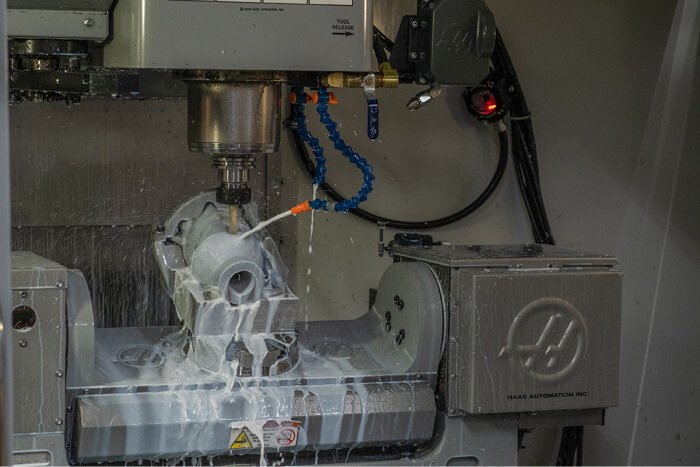
Manufacturers often face complex geometries that require advanced fixturing methods. Below are professional-grade solutions to handle such scenarios.
Modular systems consist of base plates with standardized holes and mounting accessories. They enable quick changeovers and precise alignment across multiple job types. For manufacturers running small batches of varied parts, modular fixturing maximizes flexibility in CNC milling workflows.
Custom fixtures are essential for specialized parts that cannot be held by standard setups. Machinists design them around the workpiece geometry to ensure tight, consistent holding. Soft jaws—machined from aluminum or plastic—fit unique contours without damaging surfaces. They are perfect for aerospace or medical components requiring flawless finishes.
Zero-point clamping systems allow rapid fixture changes within seconds while maintaining micron-level positioning accuracy. Using locating pins and mechanical locking mechanisms, they reduce setup time and increase spindle utilization—critical for high-performance CNC milling cells.
In five-axis CNC milling, holding parts for multiple orientations is challenging. Trunnion systems, dovetail fixtures, or self-centering vises enable the cutter to access multiple faces with minimal repositioning. These setups are popular for cutting blades, molds, and automotive components.
Even experienced machinists encounter issues when securing workpieces. Recognizing and solving these problems early helps maintain process stability and product quality.
- Stock shifting during cutting: Increase clamping force, use vibration damping pads, or add secondary supports.
- Chatter marks on surface: Recheck rigidity, reduce tool overhang, or adjust cutting parameters.
- Distorted dimensions: Reduce clamp pressure and use parallel supports underneath.
- Uneven finish on workpiece: Ensure both the base and top surfaces are flat and clean before clamping.
- Fixture misalignment: Calibrate using dial indicators or probing touch-off routines regularly.
Effective troubleshooting keeps CNC milling operations consistent, productive, and precise.
Safety starts before the spindle turns. Improperly fixed metal stock can break loose, leading to accidents or equipment damage. A secure setup minimizes the risk of unexpected movement, impact, or tool deflection.
Safety checklist:
- Perform a visual check after each clamp adjustment.
- Avoid reaching near rotating tools or moving fixtures.
- Set moderate spindle speeds during the initial test cut.
- Replace worn vises or bolts immediately.
- Always wear protective eyewear and follow shop safety protocols.
Prioritizing safety allows uninterrupted CNC milling production and longer machine life.
Efficient fixturing not only improves safety but also maximizes throughput. Many manufacturers now integrate automated workholding systems to reduce manual intervention between operations.
Hydraulic and pneumatic clamping systems enable remote control and repeatable pressure application. This speeds up setup cycles in high-volume CNC milling environments. Robotic pallet changers can also pre-load fixtures outside the machine, minimizing idle time and boosting overall productivity.
Modern CNC shops use fixturing with embedded pressure sensors or strain gauges. These smart systems monitor clamping force and alert operators to potential failures, ensuring continuous process reliability. This technology is becoming essential for precision industries such as aerospace and semiconductor machining.
Securing metal stock correctly in a CNC milling machine is one of the most vital steps for achieving consistent precision and safety. From selecting the right fixture to applying proper clamping pressure, every detail matters. By using proven methods—like vises, clamps, magnetic chucks, vacuum tables, or custom fixtures—machinists can adapt to any material or geometry efficiently.
Proper workholding enhances productivity, ensures high-quality finishes, reduces waste, and protects both the machine and operator. Mastering this process transforms CNC milling from simple metal cutting into a finely controlled art of mechanical precision.
Contact us to get more information!
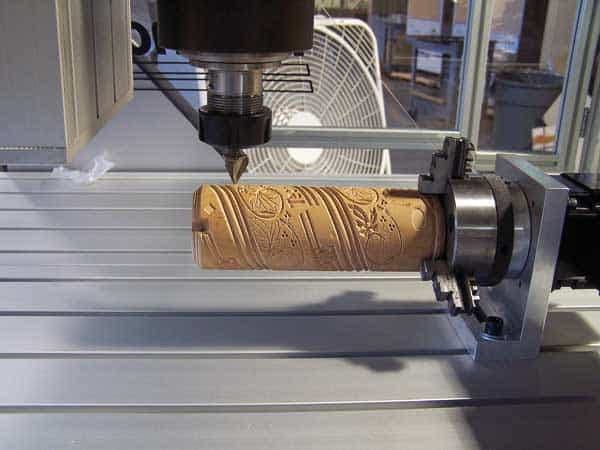
Use custom fixtures or soft jaws shaped to match the contour of your workpiece. Vacuum tables or modular clamps are also effective when machining irregular metal components in CNC milling.
No, magnetic chucks work only with ferromagnetic materials like steel or cast iron. For aluminum or brass, use mechanical vises, clamps, or vacuum solutions during CNC milling.
Increase workpiece rigidity using shorter tool lengths, stable clamping, and vibration-damping materials. Make sure the workpiece is fully supported throughout the CNC milling process.
Parallels raise the part slightly above the vise base, allowing through-drilling and ensuring a consistent bottom plane. This improves dimensional accuracy in CNC milling operations.
Inspect fixtures periodically, ideally after each long production cycle. Replace worn or damaged components immediately to maintain reliable CNC milling accuracy and part consistency.
1. https://www.cnccookbook.com/workholding-for-cnc-milling
2. https://www.mmsonline.com/articles/fundamentals-of-workholding
3. https://www.engineersedge.com/manufacturing/workholding_basics.htm
4. https://www.haascnc.com/resources/workholding-tips.html
5. https://metalworkingadvices.com/cnc-milling-fixtures-guide


