From idea to market-ready product, our NPI solutions make every stage easier, faster. Discover How We Help

Views: 222 Author: Tomorrow Publish Time: 2025-12-05 Origin: Site


Content Menu
● Understanding Licensed Items in 3D Printing
● How Licensing Works in the 3D Printing Industry
● Steps for 3D Print Services Handling Licensed Items
>> 1. Agreement with the License Holder
>> 2. Secure File Transfer and Verification
>> 3. Print Preparation and Material Selection
>> 4. Manufacturing and Quality Control
>> 5. Final Approval and Distribution
● Legal Challenges in Printing Licensed Items
● Role of Digital Rights Management in 3D Printing
● The Ethics of Licensing and User Creativity
● Future of Licensing in 3D Printing
● Benefits of Licensing for Manufacturers and Consumers
● Licensing Compliance Tips for 3D Printing Businesses
● FAQ
>> 1. What is a licensed item in 3D printing?
>> 2. Can individuals 3D print licensed items at home?
>> 3. How do DRM systems prevent unauthorized printing?
>> 4. How can a 3D print business obtain a license?
>> 5. Why are licenses beneficial to the 3D printing market?
3D printing services have revolutionized manufacturing by enabling rapid production of custom designs, prototypes, and consumer goods. When these services involve licensed items—products tied to protected intellectual property like movie characters, brand logos, or patented designs—strict protocols ensure legal compliance. This article details the complete process, from licensing agreements to production workflows, legal hurdles, real-world applications, and future trends, providing a comprehensive guide for businesses and creators navigating this complex landscape.

Licensed items encompass any 3D-printable design derived from copyrighted, trademarked, or patented intellectual property. Examples include figurines of popular video game heroes, replicas of luxury car emblems, or branded promotional merchandise. The original IP owner retains exclusive rights to reproduction, distribution, and commercialization, often enforced through international laws like the Berne Convention or U.S. Copyright Act.
In the 3D printing context, the digital model file (typically STL, OBJ, or AMF formats) itself constitutes a potential infringement if printed without permission. This extends to modifications or "remixes" that retain recognizable elements. Service providers must distinguish between original user designs and those mimicking licensed content to avoid liability, often employing automated scanning tools during file uploads.
Licensing agreements grant 3D print services explicit permission to use specific IP under defined terms. These contracts, negotiated between service providers and IP holders such as studios, brands, or inventors, outline scope, duration, royalties, and quality controls. For instance, a toy company might license a character model to a printing service for limited-edition collectibles.
Key components include territorial restrictions (e.g., U.S.-only distribution), production volume caps, and audit rights for the licensor. Royalties typically range from 5-15% of sales, paid quarterly. Digital protections, like time-limited access to files, prevent unauthorized sharing on platforms such as Thingiverse or Printables. Compliance ensures mutual benefits: IP owners expand reach without capital investment, while services gain premium product lines.[1]
Professional 3D print services follow a rigorous, multi-phase workflow to manage licensed projects securely and efficiently.
The process starts with formal negotiations. The service provider submits a proposal detailing intended use, projected volumes, and marketing plans. Legal teams draft contracts covering indemnity clauses, where the service assumes responsibility for approved prints. Signatures from both parties activate the license, often requiring non-disclosure agreements (NDAs) for proprietary designs.
Licensed files arrive via encrypted channels like secure FTP or blockchain-secured platforms. Verification involves checksums, digital signatures, and visual inspections against reference models. Advanced services use AI-driven tools to detect alterations, ensuring fidelity to the original IP. Watermarking embeds invisible markers traceable to the licensor.
Files undergo slicing software optimization (e.g., using Cura or PrusaSlicer) for the target printer. Material choices align with brand specs—PLA for prototypes, nylon for durability, or metal powders for high-end parts. Color matching via multi-material printers replicates official palettes, with tolerances as tight as 0.01mm for precision components.
Printing occurs on calibrated industrial machines, such as FDM, SLA, or SLS systems. Post-processing includes support removal, sanding, painting, and assembly. Quality assurance checklists verify dimensions, surface finish, and functionality against licensor-provided benchmarks. Batch testing for strength and safety precedes packaging.
Samples ship to the licensor for sign-off, often via high-resolution scans or video inspections. Approved items receive certification tags or holograms. Distribution channels e-commerce sites, authorized retailers, or direct-to-consumer platforms, with sales tracked via integrated software for royalty calculations.
Copyright infringement risks loom large, as even "personal use" prints can trigger DMCA takedowns or lawsuits. Platforms like Shapeways or Sculpteo employ human moderators and algorithms to flag suspicious uploads, removing over 90% of potential violations preemptively. Commercial services face steeper penalties, including statutory damages up to $150,000 per infringed work in the U.S.
Trademarks add complexity; a printed logo on a fan item could dilute brand value. International variations—stricter EU moral rights versus U.S. fair use—complicate global operations. Services mitigate risks through insurance, user agreements disclaiming liability, and proactive IP monitoring tools scanning marketplaces.
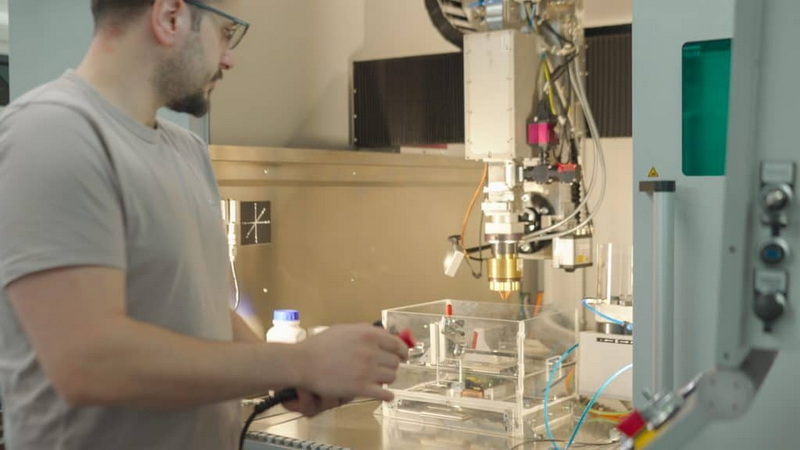
DRM systems form the backbone of licensed printing security. These technologies lock files to specific printers or users via hardware dongles, biometric authentication, or cloud-based validation. For example, upon slicing, the software queries a central server for print approval, logging each job with geolocation data.
Embedded metadata tracks downstream use, alerting licensors to anomalies like excessive volumes. Integration with blockchain enables immutable ledgers of licenses, automating royalty splits via smart contracts. This not only deters piracy but facilitates scalable, on-demand production for global brands.
Ethical dilemmas arise as 3D printing democratizes fabrication. While hobbyists argue for "transformative" personal prints under fair use, courts rarely agree for recognizable likenesses. Services promote ethical guidelines, encouraging original designs and collaborations via open-license platforms like Creative Commons.
Balancing innovation with respect fosters community standards. Educational initiatives teach IP basics, reducing inadvertent violations. Ultimately, ethical practices build sustainable ecosystems where creators thrive alongside IP holders.
Emerging technologies promise streamlined licensing. Blockchain platforms like IPFS register models with NFTs, granting fractional ownership and automated micropayments per print. AI-driven "licensing oracles" scan uploads in real-time, suggesting alternatives or instant permissions.
Regulatory evolution supports this: point-of-care printing frameworks, as explored in global case studies, emphasize standards over rigid approvals. Hybrid models blend centralized licensing with decentralized printing, enabling custom variants while protecting core IP. Subscription-based access to IP libraries could normalize licensed printing for SMEs.[2][1]
Licensing unlocks value chains:
- Brands gain quality-controlled extensions, like on-demand spares reducing warehousing costs by 40%.
- Services access high-margin catalogs, boosting revenue through exclusivity.
- Consumers enjoy authentic, customizable products with warranties, avoiding counterfeit risks.
Data analytics from licensed runs refine designs, accelerating iteration cycles.
Partnerships highlight practical success:
- Hasbro collaborated with Shapeways for licensed "My Little Pony" fan art, channeling creativity into revenue via moderated contests.
- General Motors authorizes 3D-printed OEM parts, streamlining repairs with DRM-secured files.
- Automotive firms like BMW license concept car scale models for enthusiasts.
- Medical bioprinting case studies show regulators approving licensed scaffolds for implants, prioritizing traceability and standards.[3][1]
Industrial cases, such as PEEK material printing for transformers, demonstrate cost savings under custom licenses. These models inspire broader adoption across entertainment, automotive, and healthcare.[3]
Businesses ensure longevity through diligence:
1. Conduct IP audits before onboarding new designs.
2. Partner with legal experts familiar with DMCA and WIPO treaties.
3. Implement tiered access: free originals, paid licensed queues.
4. Use version control for files, logging all modifications.
5. Offer transparency reports on takedowns and approvals.
6. Diversify with original IP development to hedge risks.
Training programs and compliance software further fortify operations.
Navigating licensed items in 3D printing demands meticulous legal, technical, and ethical frameworks. From secure agreements to DRM enforcement and quality workflows, services transform potential pitfalls into profitable ventures. As technologies like blockchain and AI mature, licensed printing will expand accessibility while safeguarding IP, fueling innovation across industries. Businesses embracing these processes position themselves at the forefront of digital manufacturing.
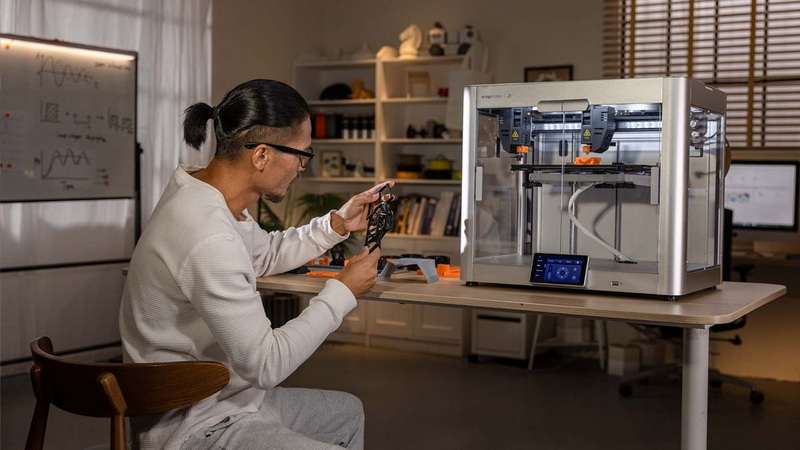
A licensed item is a 3D design or product based on intellectual property owned by another entity, such as a brand, movie, or game. Reproducing such items legally requires permission from the rights holder.
Printing for strictly personal, non-commercial use may sometimes be tolerated, but technically it still violates copyright laws. Selling or distributing those prints without a license is illegal.
Digital rights management (DRM) encrypts or authenticates 3D files, allowing only authorized users or machines to print licensed designs, thereby protecting creators and brands.
A business must negotiate an agreement with the intellectual property owner, detailing production rights, territory, royalties, and design approval procedures before starting any print job.
Licensing encourages collaboration between designers and rights holders, enabling legal on-demand production, better product quality, and stronger consumer trust.
[1](https://www.icmra.info/drupal/sites/default/files/2019-10/ICMRA_Innovation_WS3_3D_Bio-printing.pdf)
[2](https://icmra.info/drupal/sites/default/files/2019-10/ICMRA_Innovation_WS3_3D_Bio-printing.pdf)
[3](https://www.iemai3d.com/index.php/cases/)
[4](https://support.stratasys.com/en/Resources/Case-Studies)
[5](https://www.hp.com/us-en/printers/3d-printers/resources/case-studies-resources.html)
[6](https://sinterit.com/case-studies/)
[7](https://www.3devo.com/blog)
[8](https://www.sciencedirect.com/science/article/pii/S2667276621000731)
[9](https://www.materialise.com/en/cases)
[10](https://www.wellpcb.com/3d-printing-case-studies-business-innovation/)


