From idea to market-ready product, our NPI solutions make every stage easier, faster. Discover How We Help

Content Menu
● Key CNC Milling Components and Features
● Types of CNC Milling Machines
● Materials Processed by CNC Milling
● Tooling and Technology Advancement
● Process Planning and Preparation
● Quality Assurance in CNC Milling
● Applications and Industry Impact
● Economic and Production Considerations
● CNC Milling Trends and Innovations
● Safety and Environmental Considerations
● Challenges in CNC Milling and Their Solutions
● FAQ
>> 1. What is the primary difference between CNC milling and CNC turning?
>> 2. Can CNC milling fabricate large components?
>> 3. How are tolerances maintained in CNC milling?
>> 4. What factors influence CNC milling costs?
>> 5. What are the most common CNC milling mistakes made by beginners?
CNC milling is an advanced, highly accurate manufacturing process that uses computer numerical controls (CNC) to direct cutting tools onto a solid workpiece. By automatically translating complex digital design data into coordinated movements, CNC milling produces intricate geometries and extremely precise parts essential for modern industry. This process revolutionizes traditional manufacturing approaches, combining efficiency, scalability, and repeatability while supporting a wide range of materials and applications.
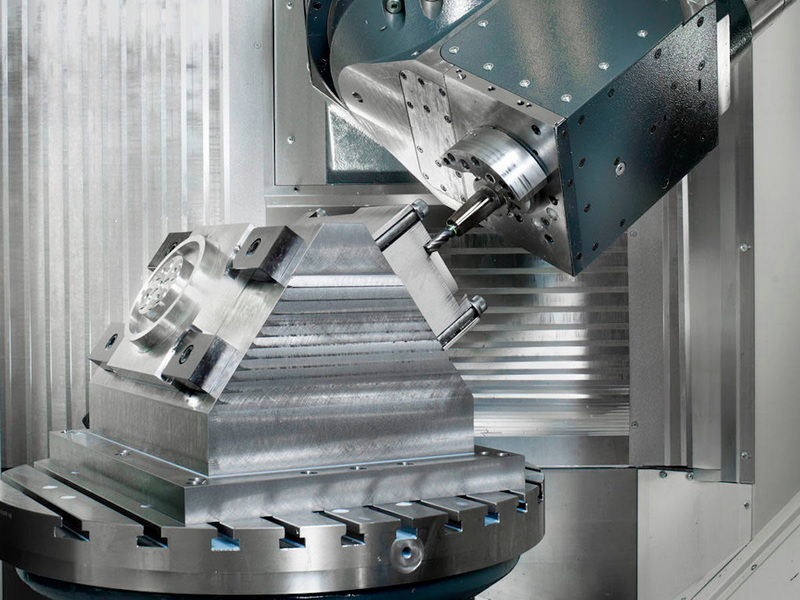
At the heart of CNC milling lies the fusion of digital technology and mechanics. The journey starts with a computerized design—known as a CAD (Computer-Aided Design) file. This model is translated into a CAM (Computer-Aided Manufacturing) program, which contains all toolpath instructions for the CNC system. These instructions tell the machine exactly how to move its spindle and cutting tool along the various axes needed to shape the material.
- Workpiece Setup: The operator secures metal, plastic, or composite blanks onto the milling table, often using custom fixtures or vises for stability.
- Tool Selection: A spindle head holds cutting tools such as end mills, face mills, or ball nose mills. Automated tool changers enable rapid swap-outs based on process needs.
- Programming and Control: The CNC unit reads digital code and precisely synchronizes movement along several axes (X, Y, Z, and, in some machines, A or B rotational axes).
- Cutting and Material Removal: Controlled movements of the tool remove material gradually, sculpting rough shapes and fine details through roughing and finishing passes.
- Inspection and Finishing: The resulting part is checked with measurement tools for dimensional accuracy. Final surface treatments such as deburring, polishing, or heat-treating may follow.
- Quality Verification: Automated coordinate measuring machines (CMM) or traditional gauges confirm the part meets the required specifications and tolerances.
CNC milling machines vary in design, but all share vital components and capabilities that set them apart from manually operated equipment:
- Controller: The 'brain' of the machine, converting CAD/CAM data into movement, speed, and tool change commands.
- Spindle: Rotates cutting tools at high speeds, adjustable for optimal cutting in different materials.
- Linear and Rotational Axes: Most CNC mills operate in three linear axes, but advanced versions include rotary axes for more complex work.
- Tool Magazine: Holds multiple tools, allowing seamless transitions for multiple operations like drilling, shaping, and tapping.
- Coolant System: Ensures effective heat control and chip evacuation, protecting both the tool and workpiece.
The diversity of CNC milling machines enables manufacturers to address a wide range of design, scale, and precision requirements:
- Vertical Milling Machines: Feature a vertically oriented spindle; suitable for simple parts with accessible surfaces.
- Horizontal Milling Machines: The spindle is set horizontally; ideal for large workpieces and heavy material removal.
- Universal Milling Machines: Flexible machines capable of both horizontal and vertical operations, and often support multi-axis movement.
- 5-Axis CNC Mills: Perform simultaneous motion in five axes, unlocking sophisticated shapes, undercuts, and complex profiles.
- Bed-Type and Gantry Mills: Feature robust frameworks for large, heavy pieces, often used in aerospace or large-scale manufacturing.
Different CNC milling operations cater to diverse product needs:
- Face Milling: Produces flat surfaces or rapidly removes excess material.
- Peripheral or End Milling: Cuts along the edge, forms profiles, and produces slots or pockets.
- Slotting and Pocketing: Creates recessed areas for mechanical or assembly functionality.
- Drilling and Boring: Achieves clean, accurate hole placement for fasteners, pins, or fluid passageways.
- Contour Milling: Follows complex curves and 3D geometries, often used in mold or die production.
- Thread Milling: Enables the formation of internal or external threads with exceptional accuracy and efficiency.
CNC milling technology excels with a vast range of raw materials, each presenting distinct machining challenges and solutions:
- Metals: Aluminum, steel, stainless steel, brass, copper, titanium, and exotic alloys. Metal properties like hardness, ductility, and thermal expansion drive tooling choices and cutting parameters.
- Plastics: ABS, polycarbonate, PEEK, nylon, PTFE, acrylic, and others. Plastics often require slower speeds, sharper tools, and careful heat management to avoid warping.
- Composites and Polymers: Carbon fiber-reinforced materials, fiberglass, and specialty blends. Unique strategies are needed to minimize delamination and fiber pullout.
- Specialty Materials: Ceramics and custom engineered materials are sometimes milled using diamond-coated or ultra-hard tools, requiring extremely rigid machines.
Continuous innovation in tooling design supports more efficient and higher quality CNC milling:
- Tool Materials: Carbide, ceramics, high-speed steel, and coated inserts extend tool life and performance.
- Geometry Optimization: Varying flute count, helix angle, and nose radius improve chip removal and surface finish.
- Cutting Fluid and Lubrication: Advanced systems use oils, coolants, or compressed air to maintain optimal temperatures, reduce friction, and extend tool longevity.
- Automatic Tool Changers: Accelerate productivity by rapidly swapping between operations such as roughing, finishing, and deburring.
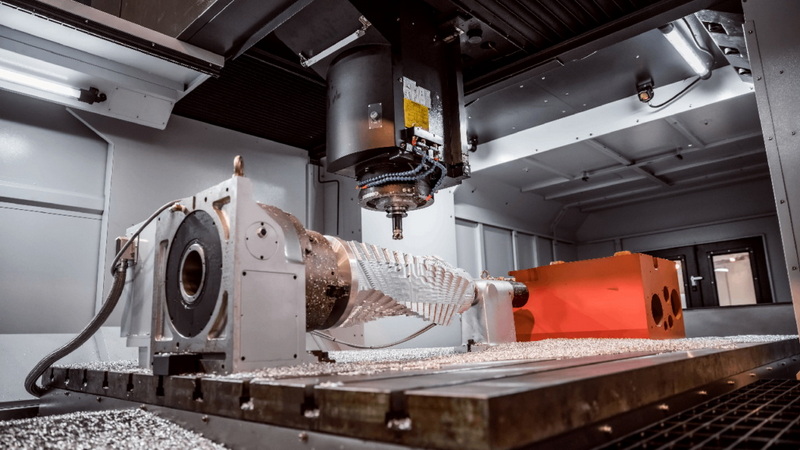
Effective CNC milling depends upon careful pre-production planning:
- Part Analysis: Engineers examine design constraints, select feasible tolerances, and choose optimal features for efficient milling.
- Fixturing, Clamping, and Datum Selection: Robust workholding maintains precision and minimizes vibration or movement during cutting.
- Simulation and Virtual Testing: Digital models allow programmers to run virtual machining cycles, identifying potential clashes or inefficiencies before actual production.
- Toolpath Optimization: Modern CAM software generates toolpaths that balance production speed, part accuracy, and tool longevity.
Delivering consistently precise parts is central to CNC milling's value:
- In-Process Monitoring: Sensors monitor vibration, spindle load, and temperature, providing feedback to adjust cutting parameters in real time.
- Metrology and Inspection: Post-process measuring using CMMs, laser scanners, and hand gauges ensures dimensional correctness and surface quality across batches.
- Process Capability and Control Charts: Manufacturers review ongoing statistical data to confirm machinery and process stability.
CNC milling's flexibility makes it indispensable across many sectors:
- Aerospace: Manufacture of lightweight, complex turbine blades, engine components, and structural assemblies demanding exacting tolerances and rigorous material verification.
- Automotive: Creation of drive components, piston heads, housings, and transmission casings optimized for high-volume production and rapid iteration.
- Medical Devices: Milling of implants, surgical tools, and diagnostic equipment, all requiring biocompatible materials and immaculate surface quality.
- Electronics: Milling heat sinks, housings, mounting brackets, and precise surface interfaces for PCBs and assemblies.
- Industrial Engineering and Tooling: Fabrication of molds, dies, test fixtures, and prototypes essential for advancing product development.
CNC milling provides notable advantages in cost, efficiency, and scalability:
- Startup Investment: Equipment and programming represent significant initial outlay, but automation yields long-term savings on labor and per-part cost.
- Production Volume: CNC's repeatability and automated workflow support both low-volume prototyping and mass production with consistent results.
- Lead Time Reduction: Digital workflow, toolpath optimization, and scheduled maintenance all minimize turnaround and maximize uptime.
- Sustainability and Resource Management: Efficient nest planning, chip recycling, and energy management help minimize waste and conserve resources.
Effective product design improves manufacturability and cost-effectiveness:
- Geometry Considerations: Product engineers consider tool accessibility, feasible tolerances, and avoid overly narrow channels or undercuts.
- Tolerance Allocation: Tighter tolerances increase complexity and cost; designers balance precision needs with budget constraints.
- Material Selection: Appropriate material choice ensures optimal machining and costly failures are avoided.
- DFM Collaboration: Engineers and machinists communicate early, integrating best practices to streamline programming and assembly.
Recent advancements further expand CNC milling's capabilities:
- High-Speed Machining: Faster spindle speeds, advanced servo controls, and optimized toolpaths drive greater efficiency without sacrificing accuracy.
- Multi-Tasking Machines: Hybrid platforms integrate milling, turning, and even additive processes, enabling complete part fabrication in a single setup.
- Automation and Robots: Automated loading systems, pallet changers, and collaborative robots reduce manual intervention and speed up production.
- Digital Twin Technology: Virtual machines simulate physical processes in real time, enhancing predictive maintenance and yield optimization.
- Smart Manufacturing: IoT sensors, machine learning, and remote monitoring create responsive production environments and improve traceability.
Protecting both operators and the environment is imperative:
- Machine Guarding and PPE: Appropriate guards, lockouts, eye, and hearing protection mitigate risks of flying debris or accidental contact.
- Ventilation and Chip Management: Good ventilation and effective swarf evacuation keep the workspace safe and productive.
- Coolant Handling: Closed-loop coolant systems and proper disposal practices protect the environment and machine longevity.
- Training and Certification: Regular instruction ensures operators remain vigilant, follow safety protocols, and understand machine limits.
Despite its strengths, CNC milling can face hurdles:
- Tool Wear and Breakage: Rigorous tracking, timely replacement, and use of advanced materials reduce unexpected downtime.
- Thermal Distortion: Pre-heating materials, temperature compensation algorithms, and real-time adjustments maintain dimensional stability.
- Workpiece Movement and Vibration: High-strength clamping systems, optimal feed rates, and stable platforms minimize shifts.
- Programming Errors: Robust software verification, trial runs, and experienced personnel prevent costly scrap and machine damage.
- Supply Chain Issues: Proactive inventory management of raw materials and tools avoids bottlenecks, keeping production schedules on track.
CNC milling is an essential technology for manufacturing precision parts across industries including aerospace, automotive, medical, electronics, and beyond. By replacing manual machining with digitally controlled movements, it delivers unparalleled accuracy, flexibility, and repeatability for complex geometries and tight tolerances. Careful planning, intelligent design, advanced tooling, and adherence to safety protocols ensure manufacturers can fully leverage the advantages of CNC milling. As machine technology continues to advance—driven by automation, simulation, and data-driven processes—the potential and scope of CNC milling only expand further, offering solutions for both today's manufacturing needs and tomorrow's innovations.
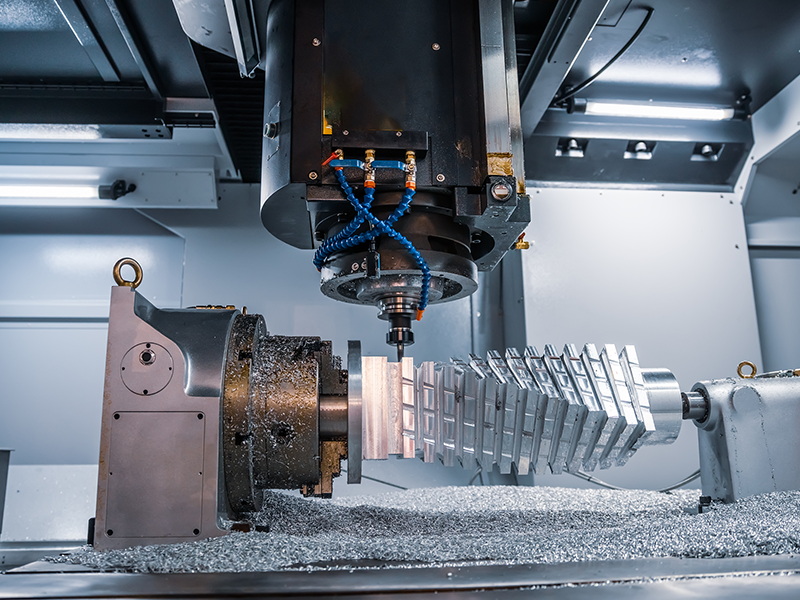
CNC milling uses rotating cutting tools to remove material from a stationary workpiece, ideal for flat surfaces and complex contours. CNC turning rotates the workpiece itself while a stationary cutting tool shapes it, generally producing cylindrical or round parts.
Yes, with appropriate machine selection (such as bed-type or gantry mills), CNC milling can handle very large, heavy workpieces including industrial housings, aerospace parts, and automotive panels, provided tooling and fixturing are adapted for high-load operations.
Tolerances are upheld using precise fixturing, thermal management, advanced sensors, continual tool wear monitoring, and frequent calibration of the machine and measuring systems. Well-planned toolpaths also minimize deflection and surface irregularities.
Costs depend on part complexity, material properties, required tolerances and surface finish, tooling wear rates, machine operation time, labor, and initial programming/setup. High-volume production and optimized workflows generally drive down cost per part.
Beginners often underestimate material movement, over-stress cutting tools, overlook toolpath simulation, select improper feeds/speeds, or neglect workpiece stability. Comprehensive training, simulation, and checklists help reduce these common errors.


