From idea to market-ready product, our NPI solutions make every stage easier, faster. Discover How We Help

Views: 222 Author: Tomorrow Publish Time: 2025-11-27 Origin: Site
Content Menu
● Key Benefits of CNC Machining
● Types of CNC Machining Processes
● Primary Applications of CNC Machining
>> Electronics and Telecommunications
>> Defense and Military Applications
>> Construction and Architecture
● Advanced Applications and Emerging Trends
● Why Industries Rely on CNC Machining
● Selecting CNC Machining Service Providers
● FAQ
>> 1. What materials can CNC machines process?
>> 2. How accurate is CNC machining?
>> 3. Is CNC machining suitable for custom or low-volume production?
>> 4. How does CNC machining compare with 3D printing?
>> 5. What are the limitations of CNC machining?
CNC machining is a vital technology in modern manufacturing, enabling the creation of precise and complex components for numerous industries. By employing computer-controlled tools, CNC machines automate the cutting, shaping, and finishing of materials with exceptional accuracy and efficiency. This article delves into what CNC machining is used for, highlighting its applications, benefits, and the industries that rely on it daily.
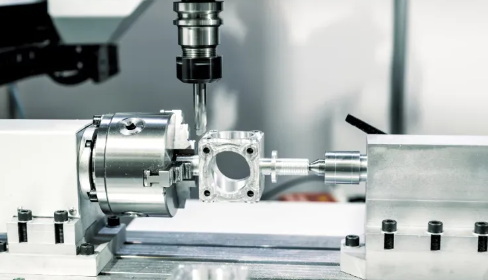
CNC (Computer Numerical Control) machining is a subtractive manufacturing process that uses pre-programmed software to control machine tools such as mills, lathes, and grinders. It interprets CAD (Computer-Aided Design) models and converts them into precise instructions for the machines, allowing automated operations that deliver consistent, high-quality parts. Compared to manual machining, CNC reduces the need for operator intervention, minimizes errors, and offers complex shaping capabilities.
CNC machining offers multiple advantages that make it the preferred choice for manufacturing precision components:
- Precision and High Tolerance: CNC machines achieve dimensional accuracies within microns, suitable for industries where components must meet strict specifications.
- Repeatability: The ability to reproduce identical parts across production runs ensures uniformity and reliability.
- Efficiency and Speed: Automated machining accelerates production, cutting down lead times and reducing labor costs.
- Versatility: It can machine a wide range of materials including metals, plastics, composites, and wood.
- Scalability: Effective for both prototyping and mass production, adapting easily to changing manufacturing needs.
These benefits enable industries to meet demands for quality, volume, and customization with cost efficiency.
Several CNC processes cater to different production requirements:
- Milling: Using rotary cutters to remove material, suitable for creating complex shapes and surfaces.
- Turning (Lathe): Works by rotating the workpiece while cutting tools shape its exterior and interior features, ideal for cylindrical parts.
- Drilling: Creates precise holes with speed and accuracy across diverse materials.
- Grinding: Produces fine surface finishes and tight tolerances by using abrasive wheels.
- Electrical Discharge Machining (EDM): Removes material through electrical sparks, especially effective for hard metals or intricate cuts.
Different CNC methods enhance manufacturing flexibility depending on design complexity and material.
CNC machining is extensively used across a broad spectrum of industries, reflecting its adaptability and precision.
The aerospace sector demands extremely high precision for safety-critical parts such as turbine blades, landing gear, and structural components. CNC machining is essential for producing lightweight, durable materials capable of withstanding extreme conditions.
From prototyping engine blocks to manufacturing gears and panels, CNC machining accelerates the automotive production cycle. It supports both high-volume component manufacturing and custom automotive solutions.
Medical uses include surgical tools, implants, diagnostic components, and equipment housings. CNC machining ensures that parts meet exact tolerances and biocompatibility requirements crucial for patient safety.
Small, intricate parts such as circuit boards, heat sinks, and enclosures are machined with CNC technology to meet the miniaturization and performance demands of consumer electronics and telecom infrastructure.
Precision CNC parts are vital in weapons systems, communication devices, and defense vehicles to ensure reliability and performance under demanding conditions.
CNC machining produces critical components like gears, valves, pumps, and bearings used in various types of machinery, ensuring durability and operational efficiency.
Whether in renewable energy or oil and gas, CNC machining fabricates turbine blades, pipeline components, and generator housings essential for energy production and infrastructure.
Machined components such as propellers, rudders, and navigational instruments must endure marine environments with precision and corrosion resistance.
High-precision parts including robotic arms, sensors, and control fixtures are produced with CNC machining to meet the exacting specifications of automation systems.
CNC machining aids in producing scale models for projects, custom architectural decor, and building components with intricate designs and patterns.
CNC machines manufacture parts for tractors, irrigation systems, and harvesters, improving the reliability and efficiency of agricultural equipment.
Machined molds, die casts, and processing machine parts support food packaging, production, and cooking equipment manufacture.
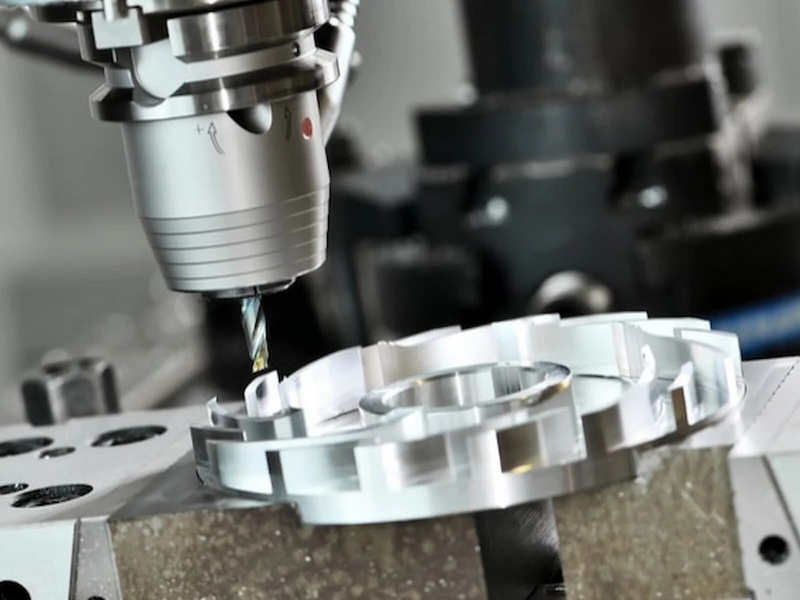
The CNC machining industry is rapidly evolving, incorporating new technologies and methodologies:
- Hybrid Manufacturing: Combining 3D printing for base structures with CNC finishing for precision presents new design possibilities.
- AI and IoT Integration: Smart CNC machines can optimize tool paths, monitor wear and tear, and provide real-time diagnostics for streamlined production.
- Automation: Robotic loading and unloading of CNC machines reduce downtime and increase manufacturing throughput.
- Sustainability: Energy-efficient CNC machines and recyclable materials support environmentally conscious manufacturing practices.
These innovations promise enhanced productivity, precise complex parts, and sustainable operations in the future.
Industries choose CNC machining for its blend of accuracy, scalability, and flexibility. It reduces product development cycles, supports rapid prototyping, and meets diverse requirements in part complexity and materials. CNC machining also ensures superior surface finish and mechanical integrity, which manual methods cannot consistently deliver.
Manufacturers also benefit from CNC machining's ability to seamlessly integrate with modern CAD/CAM software, allowing fast modifications, digital record-keeping, and automated quality control.
To fully leverage CNC technology, choosing the right machining service manufacturers and suppliers is key. Important criteria include:
- Advanced multi-axis machines capable of complex geometries.
- Strong engineering support for prototyping and design optimization.
- Compliance with quality standards such as ISO 9001 and AS9100.
- Capabilities for quick turnaround and large volume production.
- Comprehensive inspection, traceability, and testing procedures.
Working with expert CNC machining suppliers helps companies meet specific manufacturing goals effectively.
CNC machining serves as the backbone of precision manufacturing in various industries, including aerospace, automotive, medical, electronics, defense, energy, and more. Its accuracy, efficiency, and flexibility enable manufacturers to produce complex components that meet rigorous quality standards. As technologies advance, CNC machining continues to evolve, integrating automation, AI, and hybrid methods, ensuring its critical role in shaping the future of manufacturing.
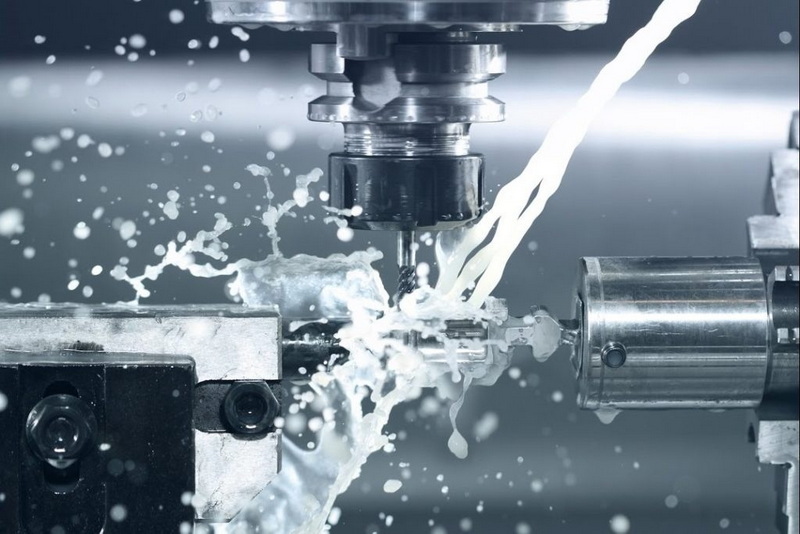
CNC machining can handle metals like aluminum, steel, titanium, brass, and copper, as well as plastics, composites, and wood. Material choice depends on part requirements.
Typical CNC machining tolerances range from ±0.005 mm to ±0.01 mm, suitable for industries needing extreme precision like aerospace and healthcare.
Yes, CNC machining is excellent for both custom prototypes and low to medium volume production due to its flexibility and quick setup.
CNC machining is subtractive, removing material for stronger, more precise parts, while 3D printing builds parts layer by layer, with more design freedom but often less strength.
Limitations include higher material waste, longer setup times for complex parts, and potentially higher costs for very small runs compared to additive methods.
[1](https://www.3erp.com/blog/cnc-machining-applications-and-uses/)
[2](https://millenniumprecision.com/7-key-industries-benefit-cnc-machining/)
[3](https://www.ametals.com/post/7-uses-of-cnc-machining)
[4](https://qviro.com/blog/what-industries-use-cnc-machines/)
[5](https://www.americanmicroinc.com/resources/industries-use-cnc-machinery/)
[6](https://www.rcoeng.com/blog/cnc-applications)
[7](https://resources.hartfordtechnologies.com/blog/industries-that-rely-on-cnc-machining)
[8](https://www.reddit.com/r/MechanicalEngineering/comments/1953x9j/which_industrys_uses_cnc_milling_the_most_for/)
[9](https://qviro.com/blog/cnc-machine-applications/)
[10](https://www.worthyhardware.com/news/cnc-machining-applications/)


