From idea to market-ready product, our NPI solutions make every stage easier, faster. Discover How We Help

Views: 222 Author: Tomorrow Publish Time: 2026-02-17 Origin: Site
Content Menu
● What Is a Horizontal CNC Machining Center?
● Structure and Components of a Horizontal CNC Machining Center
● How Horizontal CNC Machining Works
● Advantages of Horizontal CNC Machining Centers
● Horizontal vs. Vertical CNC Machining Centers
● Applications of Horizontal CNC Machining Centers
● Key Factors to Consider When Selecting a Horizontal CNC Machining Center
● Maintenance and Operational Tips
● Future Trends in CNC Machining Technology
● FAQ
>> 1. What makes horizontal CNC machining centers superior for mass production?
>> 2. Can horizontal CNC machining centers handle different materials?
>> 3. How do horizontal CNC machining centers improve precision?
>> 4. Are horizontal CNC machining centers more expensive than vertical ones?
>> 5. What industries rely most heavily on horizontal CNC machining centers?
CNC machining has revolutionized modern manufacturing by enabling incredible precision, speed, and consistency in part production. Among the many categories of CNC equipment, horizontal CNC machining centers stand out as some of the most sophisticated and productive solutions available. They are crucial in industries that demand high accuracy, repeatability, and efficiency in machining complex parts.
This article explores what horizontal CNC machining centers are, how they work, their key components, advantages, and industrial applications. We will also clarify the differences between horizontal and vertical CNC machining centers and outline future trends shaping the next generation of automated manufacturing.
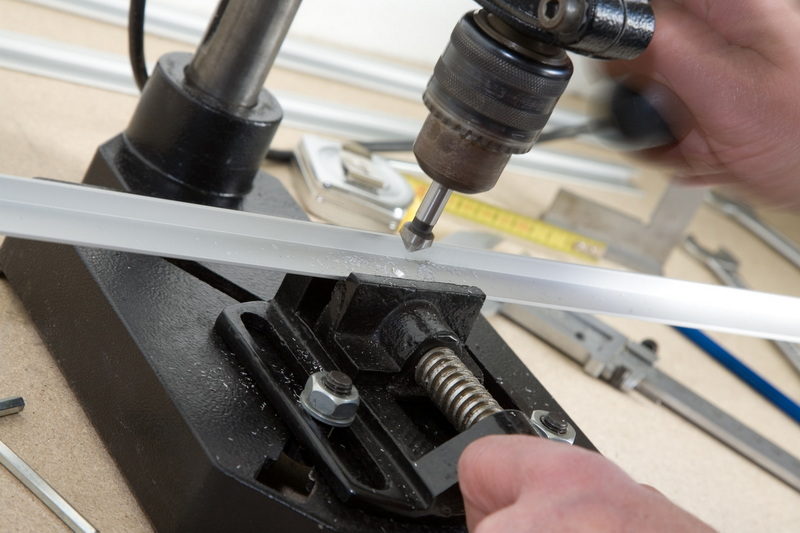
CNC machining—short for Computer Numerical Control machining—is a subtractive manufacturing process that uses computer-controlled machine tools to remove material from a workpiece. With precise control over tool movement and cutting depth, CNC machining produces components with dimensional accuracy that traditional machining cannot consistently achieve.
At the heart of CNC machining is the CNC control system, which reads pre-programmed code (usually in G-code format) and directs machine movement across multiple axes (X, Y, Z, and sometimes A or B). Once set up, CNC machining runs automatically, minimizing human error and allowing 24/7 production.
CNC machines can be used for cutting metals, plastics, composites, and more. Popular forms include CNC milling, turning, drilling, and grinding. Among these technologies, CNC machining centers—machines equipped with automatic tool changers and advanced control interfaces—are particularly versatile and efficient for high-precision manufacturing.
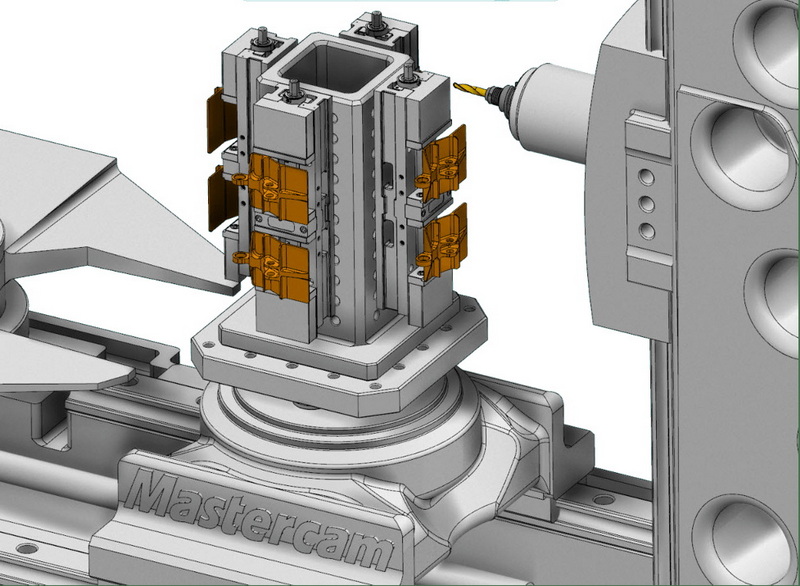
A horizontal CNC machining center (HMC) is a computer-controlled milling machine with a spindle oriented horizontally relative to the worktable. Instead of the cutting tool approaching the material from above (as in a vertical machine), the tool operates from the side, allowing access to multiple surfaces of the workpiece at once.
Most HMCs have a rotary table, also known as a tombstone, that can hold multiple parts or fixtures simultaneously. This feature allows for continuous machining on different faces without unclamping or repositioning the part. The horizontal spindle orientation also enhances cooling and chip removal efficiency, making HMCs well-suited for high-speed or heavy-duty cutting operations.
This combination of features provides significant productivity and precision advantages, especially in complex CNC machining tasks where efficiency, stability, and multi-surface accessibility are critical.
A horizontal CNC machining center integrates several critical components that determine its performance and dependability. Below are its main structural elements:
- Spindle Unit – The heart of the machining center, the spindle holds the tool and operates at variable speeds. Horizontal spindles enable stronger cutting forces and better torque during roughing operations.
- Worktable and Tombstone Fixture – The table can rotate or index automatically, giving access to multiple sides of the workpiece without manual repositioning. This reduces setup time and error.
- Tool Magazine and Automatic Tool Changer (ATC) – Stores numerous cutting tools (sometimes over 200) and switches them automatically during machining, allowing complex parts to be completed in a single cycle.
- CNC Controller – Acts as the brain of the machine, converting CAM program instructions into motion across the axes. The precision of the CNC controller defines the machine's accuracy and repeatability.
- Chip Conveyor and Coolant System – Efficient chip management is vital for maintaining cutting performance. The coolant reduces tool wear, while chip conveyors remove metal chips to prevent clogging.
- Pallet Changing System (Optional) – Allows one part to be machined while another is loaded, maximizing production uptime.
Together, these components create a powerful, automated system capable of extended operation and consistent part quality across multiple production batches.
The operation of a horizontal CNC machining center involves both software programming and mechanical execution. Below is a general workflow:
1. Design and Programming: Engineers prepare a part design using CAD (Computer-Aided Design) software and then generate a machining toolpath in CAM (Computer-Aided Manufacturing) software. This digital model is converted into G-code that the CNC controller can interpret.
2. Machine Setup: The machinist mounts the workpiece to the table or tombstone, installs necessary tools in the magazine, and sets reference points for the axes.
3. Machining Process: The CNC system executes commands to control tool movement, spindle speed, and feed rate automatically. The tool cuts, drills, or bores material as required.
4. Tool Changes: As the program progresses, the ATC swaps tools automatically for various machining stages, such as roughing, finishing, or drilling.
5. Real-Time Monitoring: Sensors track spindle load, temperature, and vibration to prevent tool breakage and ensure consistent performance.
6. Final Inspection: Once the machining cycle finishes, parts undergo dimensional and surface quality inspection to confirm compliance with design specifications.
In essence, horizontal CNC machining combines automation, software precision, and mechanical stability to produce high-quality components consistently.
Horizontal CNC machining centers provide numerous competitive advantages for manufacturers seeking efficiency and productivity improvements:
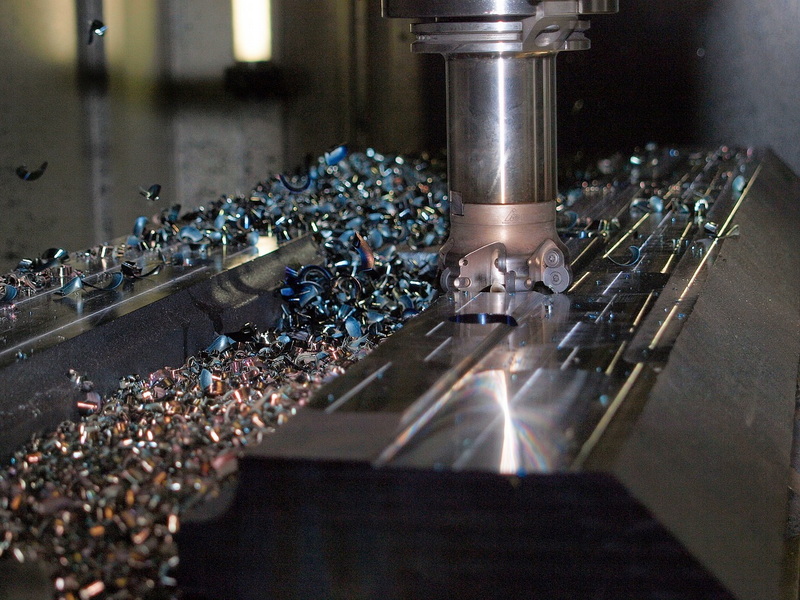
- Superior Chip Evacuation: Horizontal spindle orientation allows gravity to clear chips from the cutting zone, preventing re-cutting and maintaining tool sharpness.
- Enhanced Cutting Power: Increased rigidity means HMCs handle heavier and deeper cuts, reducing cycle times on hard metals.
- Multi-Surface Machining: The rotary table allows machining on several faces without re-fixturing, ensuring better alignment and reduced downtime.
- Consistency and Accuracy: Once clamped, the workpiece remains in one position for multiple machining operations, minimizing error.
- Unattended Operation: Automation features like pallet changers make lights-out machining possible, allowing 24-hour operation with minimal supervision.
- Longer Tool Life: Efficient cooling and chip evacuation result in extended tool life and fewer tool replacements.
These benefits make horizontal CNC machining centers an excellent choice for medium to high production volumes and complex part geometries.
While both vertical and horizontal CNC machining centers are valuable in manufacturing, their design differences make each better suited for specific applications:
| Feature | Horizontal CNC Machining Center | Vertical CNC Machining Center |
|---|---|---|
| Spindle Orientation | Horizontal | Vertical |
| Workholding | Tombstone or rotary table | Flat table |
| Chip Removal | Excellent (gravity-assisted) | Moderate (chips collect on surface) |
| Cutting Power | High torque, suitable for heavy cuts | Lower torque, better for light cuts |
| Setup Time | Longer to configure but more productive in batch runs | Simple setup, ideal for prototypes |
| Ideal Use | Mass production, complex multi-side parts | Short runs, 2D or flat components |
| Machine Cost | Higher initial cost, higher ROI over time | Lower cost, less automation features |
Choosing between horizontal and vertical CNC machining depends primarily on part complexity, production volume, and budget.
Because of their productivity advantages, horizontal CNC machining centers are widely used across multiple industries:
- Aerospace Manufacturing: Producing engine housings, landing gear parts, and turbine components that require tight tolerances and multi-face machining.
- Automotive Industry: Crafting engine blocks, transmission cases, and structural components in high volumes.
- Oil & Gas and Energy: Building large valves, manifolds, and turbine rotors from hard alloys such as Inconel or titanium.
- Mold and Die Making: Fabricating complex dies and injection molds with high precision for repeated use in mass production.
- Defense and Heavy Equipment: Producing weapon components, vehicle chassis, and armor-grade mechanical systems.
In each sector, the flexibility and reliability of horizontal CNC machining centers help manufacturers achieve consistent results and reduced lead times.
Choosing the right machine depends on operational needs and budget. Here are the primary considerations:
- Spindle Power and Speed: Determines the type of material and cutting conditions suitable for production.
- Axis Configuration: While standard HMCs have 3 or 4 axes, advanced 5-axis models can handle complex geometries and simultaneous multi-sided machining.
- Tool Capacity: A larger tool magazine accommodates more operations per setup, enhancing efficiency.
- Work Envelope and Load Capacity: Defines the maximum part size and weight the machine can handle.
- Accuracy and Repeatability: Essential for applications in aerospace and medical manufacturing where precision is critical.
- Automation Capabilities: Features like automatic pallet changers and robotic loading can maximize unattended operations.
- Software Integration: Compatibility with CAM systems and offline programming tools ensures smoother workflows.
Evaluating these factors helps ensure that your chosen horizontal CNC machining center meets both current and future production demands.
Regular maintenance of a horizontal CNC machining center is essential for consistent accuracy and extended service life:
- Clean chips and coolant residue daily to prevent buildup.
- Check spindle bearing temperature and vibration levels periodically.
- Inspect tool holders and alignment to prevent runout issues.
- Keep lubrication systems filled and operational.
- Schedule preventive maintenance for linear guides, ball screws, and rotary tables.
Routine calibration and machine health monitoring help minimize unexpected downtime and maximize return on investment in CNC machining equipment.
The next generation of horizontal CNC machining centers is integrating advanced digital technologies. Key trends include:
- Smart Manufacturing Integration: Real-time data monitoring, IoT connectivity, and digital twins for predictive analytics.
- AI-Assisted Process Optimization: Machine learning algorithms analyzing tool wear, vibration patterns, and load conditions to adjust cutting parameters automatically.
- Energy Efficiency: Reduced power consumption through intelligent drive systems and regenerative energy feedback.
- Hybrid Machining: Combining additive (3D printing) and subtractive CNC machining functions within one system for ultimate flexibility.
- Automation & Robotics: Robotic arms for automated loading/unloading and automated tool presetting to minimize labor.
These innovations will further enhance precision, efficiency, and sustainability within industrial CNC machining operations.
Horizontal CNC machining centers represent the pinnacle of machining technology, combining robust design, high-speed automation, and precision engineering. They are indispensable tools for industries pursuing tight tolerances, long production runs, and complex geometries. By understanding the functions, advantages, and operational characteristics of these machines, manufacturers can make informed decisions that improve output quality and efficiency.
In the continually evolving landscape of modern manufacturing, horizontal CNC machining remains a foundation for achieving scalable, intelligent, and sustainable production.
Contact us to get more information!
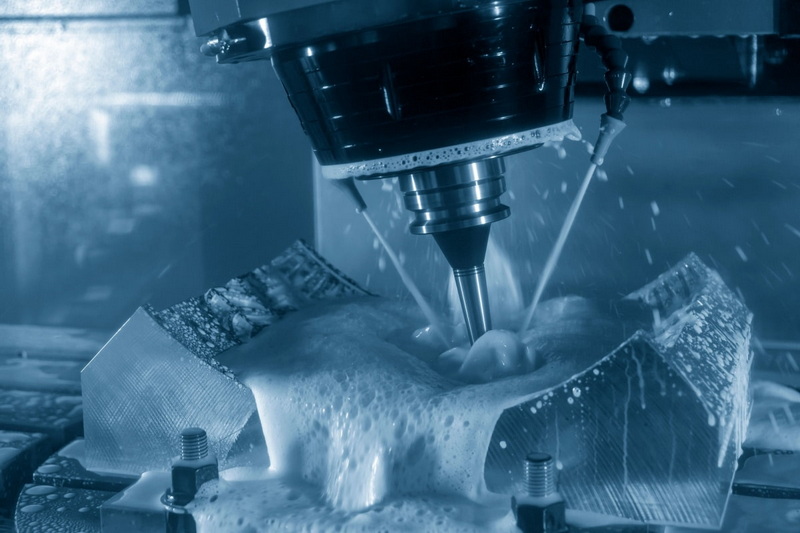
Their ability to handle multi-face machining in one setup, combined with automatic pallet changers, allows continuous machining and minimal idle time, making them ideal for large production runs.
Yes. They can machine aluminum, steel, titanium, and advanced superalloys efficiently with the right tooling and spindle configuration.
By minimizing re-clamping and maintaining stable cutting conditions, horizontal CNC machining ensures consistent dimensional accuracy on all machined surfaces.
The initial investment is higher, but the long-term return on investment is superior due to faster cycle times, reduced labor, and better automation capabilities.
Aerospace, automotive, heavy equipment, and precision engineering industries depend heavily on horizontal CNC machining centers for large-scale, complex component production.
1. https://www.autodesk.com/solutions/cnc-machining
2. https://www.sandvik.coromant.com/en-us/knowledge/machining-techniques/cnc-machining-centers
3. https://www.haascnc.com/machines/horizontal.html
4. https://www.makino.com/resources/horizontal-machining-centers
5. https://www.okuma.com/machine-type/horizontal-machining-centers


