From idea to market-ready product, our NPI solutions make every stage easier, faster. Discover How We Help

Views: 222 Author: Tomorrow Publish Time: 2026-01-01 Origin: Site


Content Menu
● Understanding Swiss-Type CNC Machining
● Malaysia's Position in the Global Manufacturing Landscape
● Best Swiss-Type CNC Machining Manufacturers and Suppliers in Malaysia
>> 1. XYZ Precision Industries Sdn. Bhd.
>> 2. MYCNC Technology Malaysia
>> 3. Precision Dynamics Sdn. Bhd.
>> 4. Machtronics Engineering Malaysia
● Capabilities of Malaysian Swiss-Type CNC Machining Suppliers
● The Role of Quality Assurance
● Application Industries for Swiss-Type CNC Machining
● Competitive Advantages of Partnering with Malaysian OEMs
● Future Outlook for Malaysia's Precision Machining Industry
● Frequently Asked Questions (FAQ)
>> 1. What is the difference between Swiss-type CNC machining and conventional CNC turning?
>> 2. What industries most rely on Malaysian Swiss-type CNC suppliers?
>> 3. Can Malaysian suppliers handle both prototypes and mass production?
>> 4. What quality standards do Malaysian CNC companies follow?
>> 5. Do Malaysian manufacturers provide export and logistics support?
As global industries continue to demand tighter tolerances, smoother finishes, and greater production efficiency, Swiss-type CNC machining has become one of the most reliable and versatile precision machining methods. Known for its ability to produce intricate parts with exceptional accuracy, this technology has reshaped the way manufacturers design and produce complex components.
In recent years, Malaysia has emerged as one of Asia's most promising centers for high-precision manufacturing. With its growing base of OEM and ODM providers, strong industrial ecosystem, and government-backed digital transformation initiatives, the country is rapidly attracting global clients seeking dependable Swiss-type CNC machining manufacturers and suppliers.
This article provides a comprehensive look at Malaysia's leading Swiss-type CNC machining manufacturers, their core competencies, and the underlying strengths that position the nation as a global precision manufacturing hub.
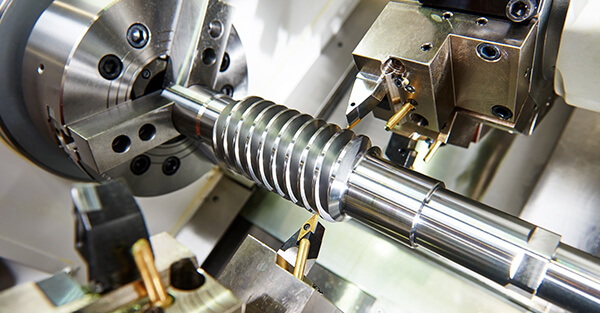
The Swiss-type lathe, originally developed in Switzerland to produce miniature watch parts, uses a unique sliding headstock and guide bushing system. This design allows the workpiece to move axially through the guide bushing while being closely supported near the cutting tool. As a result, it ensures extreme accuracy and prevents deflection even when machining long, slender parts.
Swiss-type CNC machining provides several key benefits over conventional CNC turning:
- Ultra-high precision: Achieves tolerances down to ±0.001 mm.
- Efficient material cutting: Reduces tool vibration and chatter.
- Simultaneous operations: Capable of multi-axis (up to 12-axis) machining.
- Short cycle times: Ideal for high-volume production.
- Smooth surface finish: Reduces post-machining polishing or grinding.
Because of these benefits, Swiss-type CNC machining manufacturers and suppliers are indispensable to industries that require micro components, including medical instruments, aerospace fittings, automotive sensors, and optical devices.
Malaysia has developed into a major manufacturing powerhouse in Southeast Asia, thanks to its balanced combination of cost competitiveness, technological advancement, and access to skilled labor. Over decades, the nation has evolved from an assembly-based economy into one capable of advanced precision engineering.
Key advantages reinforcing Malaysia's position include:
1. Industrial Expertise: Local machinists and engineers undergo extensive training in advanced programming and CAD/CAM engineering, ensuring familiarity with international best practices and standards.
2. Strategic Location: Situated between Singapore and Thailand, Malaysia provides convenient access to global shipping routes and supply networks, making exports efficient and cost-effective.
3. Technological Development: The Malaysian government strongly supports Industry 4.0 initiatives, offering financial incentives for manufacturers that adopt automation, robotics, and smart factory systems.
4. Stable Business Environment: Malaysia's strong legal system and attractive foreign investment framework foster confidence among investors and overseas clients.
Combined, these factors create fertile ground for Swiss-type CNC machining manufacturers and suppliers to thrive and collaborate with international partners.
Below are several standout examples from Malaysia's growing precision machining sector. These companies demonstrate innovation, quality, and reliability across global markets.
Located in Selangor, XYZ Precision Industries focuses on high-precision CNC turning and milling using Citizen and Star Swiss-type lathes. The company produces intricate micro-components for medical, automotive, and optical applications.
Key strengths:
- Supports part diameters from 1 mm to 32 mm.
- In-house prototype design using advanced CAD software.
- CMM inspection and certified process traceability.
- ISO 9001 and TS16949 certifications.
This Penang-based manufacturer has over 15 years of experience in precision machining. MYCNC provides OEM services for European and Japanese clients focused on aerospace, electronics, and medical devices.
Key strengths:
- ISO 13485-certified for medical-grade component manufacturing.
- Full assembly and packaging capabilities in cleanroom environments.
- Flexible production for small to medium-sized batches.
With operations in Johor and Kuala Lumpur, Precision Dynamics is a renowned Swiss-type CNC machining supplier known for high-volume manufacturing. Their advanced CAM systems streamline production and minimize downtimes.
Key strengths:
- Automation-driven production cells.
- Expert handling of materials including brass, titanium, and superalloys.
- Real-time quality monitoring systems.
Machtronics specializes in precision prototyping and custom-machined parts for clients demanding quick turnaround. Its team combines technical skill with a deep understanding of engineering design principles.
Key strengths:
- Quick design-to-production transition.
- Support for short-run projects.
- Customized technical consulting for design optimization.
Elite CNC Solutions stands among Malaysia's emerging high-volume Swiss-type machining suppliers, emphasizing consistent quality and cost control.
Key strengths:
- Robust supply chain and logistics management.
- Full traceability and batch documentation.
- Exceptional reliability and on-time delivery.
These five companies reflect Malaysia's growing competence and commitment to delivering excellence in high-precision manufacturing.
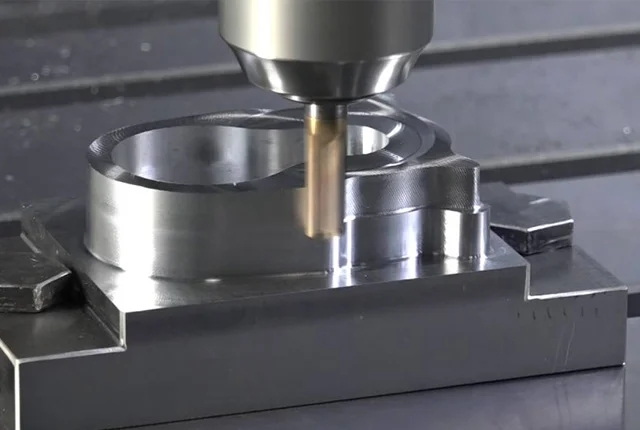
Malaysian Swiss-type CNC machining manufacturers and suppliers have steadily upgraded their facilities with sophisticated machining centers, automation software, and measurement laboratories. Common capabilities include:
- Multi-axis machining: Up to 12-axis turning and milling integrated operations.
- Material expertise: Machining of titanium, stainless steel, aluminum, brass, copper, and plastics like PEEK and Delrin.
- High-mix, low-volume flexibility: Ideal for customers seeking rapid prototyping or pilot production.
- Secondary processing: Anodizing, polishing, ultrasonic cleaning, and precision grinding.
- Digital manufacturing systems: Computerized production monitoring and real-time data analytics.
Additionally, many manufacturers employ automated bar feeders and robotic loading systems, which increase throughput and lower per-unit costs while maintaining consistency.
Quality assurance is central to every Swiss-type CNC machining manufacturer in Malaysia. From raw material inspection to final measurements, every process follows a documented system.
- Incoming Material Control: All raw materials undergo validation using spectrometry or ultrasonic testing.
- Process Control: SPC (Statistical Process Control) detects deviations in dimensions in real time.
- Final Inspection: Optical comparators, roundness testers, and coordinate measuring machines ensure compliance with tight tolerances.
Such rigorous monitoring not only guarantees the quality of parts but also enhances trust between Malaysian suppliers and foreign clients.
Malaysia's machining industry serves diverse global markets, thanks to its ability to meet different dimensional and functional requirements. Major destination sectors include:
1. Medical Equipment Manufacturing: Bone screws, dental implants, and surgical instrument shafts require micrometer-level precision and biocompatible materials.
2. Aerospace Components: Parts such as fuel injectors, hydraulic fittings, and miniature fasteners rely on flawless performance under extreme stress.
3. Automotive Systems: Precision shafts, valve bodies, and connectors are mass-produced by Malaysian Swiss-type CNC machining suppliers under TS16949 standards.
4. Consumer Electronics: Small connectors, camera housings, and watch components require fine-tuned tolerances that Swiss-type machining easily achieves.
5. Industrial Instrumentation: High-frequency connectors, sensors, and calibration components depend on exact dimensional repeatability.
Because of these wide-ranging applications, Malaysian suppliers remain essential partners across various value chains.
Malaysia's precision machining companies not only deliver quality but also enhance customer competitiveness through integrated service offerings.
- Strong OEM/ODM Capabilities: Whether producing under the client's brand or developing custom parts, local suppliers can adapt flexibly to diverse requirements.
- Efficient Lead Times: Geographical proximity to key global markets such as China, Japan, and Singapore shortens logistics cycles.
- Multilingual Communication: English proficiency ensures effective collaboration and transparent technical communication.
- Cost-Effectiveness: While maintaining global standards, labor and overhead remain significantly lower than those in Western countries.
- Sustainability Practices: Many suppliers are adopting energy-efficient machining, recycling scrap metal, and employing eco-friendly cutting fluids.
This combination of factors helps multinational companies and distributors secure reliable, repeatable, and sustainable production partnerships.
Malaysia's Swiss-type CNC machining suppliers are now investing heavily in automation, robotics, and artificial intelligence to increase production flexibility. As Industry 4.0 adoption accelerates, more facilities integrate IoT-enabled monitoring systems that track tool wear, spindle speed, and cutting performance in real time.
Emerging trends shaping the industry include:
- Integration of digital twins for virtual simulation of machining operations.
- Development of smart tooling systems with adaptive cutting parameters.
- Expansion of metal 3D printing for complex preforms and hybrid machining.
- Greater collaboration with global partners for technical training and R&D.
Such innovations are paving the way for Malaysia to compete with Japan, Germany, and Switzerland in the global precision manufacturing landscape.
Malaysia is steadily earning global recognition as a leading hub for Swiss-type CNC machining manufacturers and suppliers. With its commitment to precision, strong engineering culture, and integration of smart manufacturing technologies, the nation stands ready to support the next generation of high-performance products.
By offering excellent production quality, technical expertise, and cost-effective manufacturing solutions, Malaysian suppliers bridge the gap between innovation and global demand. Whether you are a brand owner, supplier, or OEM production partner, Malaysia's precision machining ecosystem provides the tools, technology, and trust you need to succeed in competitive international markets.
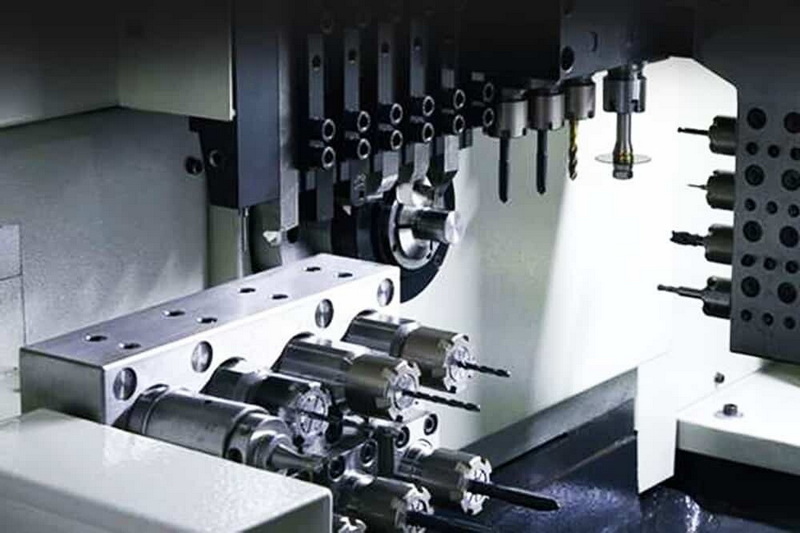
Swiss-type machining feeds the workpiece through a guide bushing close to the cutting tool, minimizing deflection and ensuring higher precision for long, thin parts. Conventional lathes hold the workpiece on one end, making them less stable for micro components.
Key industries include aerospace, automotive, medical device manufacturing, electronics, and optical engineering—sectors requiring high accuracy and reliability.
Yes. Most Swiss-type CNC machining manufacturers and suppliers offer end-to-end services, from design consultation and prototyping to high-volume OEM production.
Reputable suppliers are certified under ISO 9001, ISO 13485, or TS16949 and implement strict process controls with traceable quality documentation.
Absolutely. They typically assist with global shipping, customs documentation, and regional warehousing, ensuring seamless delivery worldwide.


