From idea to market-ready product, our NPI solutions make every stage easier, faster. Discover How We Help

Views: 222 Author: Tomorrow Publish Time: 2026-01-01 Origin: Site


Content Menu
● The Evolution of Precision Machining in Indonesia
● What Defines Swiss-Type CNC Machining?
● Industries Benefiting from Swiss-Type Machining in Indonesia
● Top Swiss-Type CNC Machining Manufacturers and Suppliers in Indonesia
>> 1. PT. Sinartech Engineering
>> 2. Indo Precision Machining
>> 3. PT. Mitra Presisi Sejati
>> 5. PT. Pegasus Engineering Indonesia
● How Indonesia Compares Globally in Swiss-Type CNC Machining
● The Technology Behind Modern Indonesian Swiss Machining
● Quality, Certification, and Reliability
● OEM and Custom Manufacturing Solutions
● Cost and Value Considerations for Buyers
● Workforce and Technical Competence
● Challenges Facing Indonesia's CNC Industry
● Looking Ahead: The Future of Swiss-Type CNC Machining in Indonesia
● FAQs About Swiss-Type CNC Machining Manufacturers and Suppliers
>> 1. What is Swiss-type CNC machining?
>> 2. Why are Indonesian suppliers gaining popularity?
>> 3. What industries benefit from this technology?
>> 4. How do Indonesian manufacturers ensure quality?
>> 5. Can Indonesian suppliers handle both prototypes and mass production?
In the modern age of advanced manufacturing, precision engineering stands at the heart of innovation in fields ranging from aerospace and automotive to medical technology and electronics. As global industries demand components that combine compact dimensions with flawless accuracy, Swiss-type CNC machining has become a leading technological choice.
Originally developed in Switzerland to serve the country's iconic watchmaking sector, this machining method has evolved into a global benchmark for precision. Among the emerging manufacturing centers adopting this technology, Indonesia is rapidly gaining international attention. Local firms have made remarkable progress in recent years, emerging as serious contenders in the global market for Swiss-type CNC machining manufacturers and suppliers.
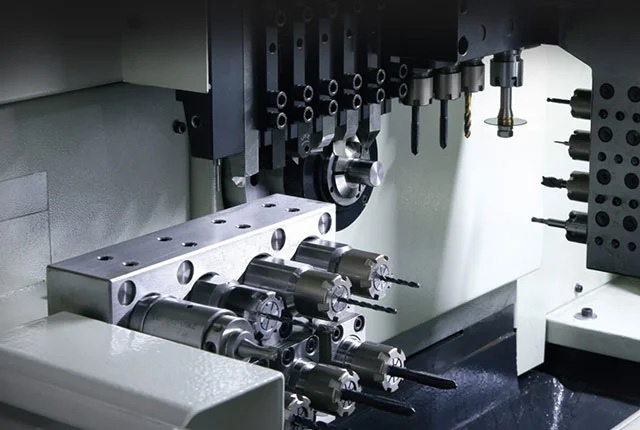
Indonesia's manufacturing sector has grown steadily over the past two decades, propelled by government investments, foreign direct partnerships, and rising demand for high-quality industrial goods. Initially, Indonesia was known mainly for raw materials and basic metalworking. However, it has now entered the high-precision manufacturing era, powered by advanced CNC machining technologies, including Swiss-type systems.
A significant catalyst behind this progress is the transfer of technical expertise from Japan and China. Through joint ventures and supplier partnerships, local Indonesian firms learned to master complex machining, programming, and quality control systems. Today, these companies can produce intricate components with tight tolerances that were once only available from established manufacturing giants.
Industrial zones such as Batam, Bekasi, Cikarang, and Surabaya have become the country's major machining hubs. These regions are equipped with modern infrastructure, skilled workers, and proximity to major shipping routes—all vital for global business operations.
To understand the growing popularity of Swiss-type CNC machining manufacturers and suppliers in Indonesia, it's vital to appreciate what sets this technology apart. A Swiss-type CNC lathe differs from conventional lathes mainly through its sliding headstock and guide bushing system.
Instead of rotating the part while it remains stationary, Swiss machines allow the bar stock to slide through the spindle, thereby reducing deflection and improving dimensional accuracy. This setup is exceptionally efficient for long, slender, or small-diameter parts.
Core advantages include:
- Tolerances within ±0.002 mm, ideal for micro-components.
- Multiple cutting tools working simultaneously to reduce cycle time.
- Support for difficult-to-machine materials such as titanium, copper, and high-grade steel.
- Minimal need for secondary finishing or rework.
- Automated, continuous operations suitable for high-volume production.
Such capabilities make Swiss-type machining an essential technology for global producers that demand high precision, excellent repeatability, and cost efficiency.
The versatility of Swiss-type CNC machining ensures its relevance across multiple industries in Indonesia and beyond. Several sectors now depend on these manufacturers for precision components and OEM supply chains.
1. Aerospace and Defense:
Indonesian aerospace machining companies produce complex parts for turbines, actuators, and connectors. Compliance with aerospace-grade standards, such as AS9100, allows them to serve global supply chains.
2. Medical Devices and Healthcare Equipment:
Swiss-type technology is ideal for producing bone screws, dental implants, and surgical tool fittings that require smooth surfaces and bio-compatible materials.
3. Automotive and Transportation:
The demand for efficiency and safety calls for components like valve bodies, fuel nozzles, and sensor housings—all of which are made economically on Swiss-type lathes.
4. Electronics and Telecommunications:
With rising demand for miniaturized devices, Swiss-type CNC machining manufacturers and suppliers produce connectors, pins, and miniature fasteners with extreme precision.
5. Energy, Hydraulics, and Industrial Equipment:
Pumps, fittings, and small mechanical couplings require durability and alignment accuracy—both hallmarks of Swiss machining quality.
By embracing this diverse application range, Indonesian machinists have positioned themselves as multi-industry service providers, capable of meeting international regulatory and technical demands.
Let's explore some of the leading names among Indonesia's growing list of precision parts producers.
Operating from Batam, this company offers customized Swiss-type CNC turning and OEM precision machining. Equipped with Citizen and Star lathes, PT. Sinartech serves global clients in electronics, marine, and energy sectors.
Located in Bekasi, Indo Precision Machining combines Japanese management with Indonesian craftsmanship. The firm produces miniature parts for semiconductors, optics, and medical devices. Their strict quality control enables consistent exports to Japan and Singapore.
Known for producing automotive shafts, valves, and fittings, this Jakarta-based manufacturer provides both prototype and full-scale services. They maintain ISO 9001:2015 certification and invest heavily in continuous employee training.
Quniko focuses on small-diameter machining, using advanced Swiss-type CNC machines to produce connector pins, threaded rods, and ferrules. Their OEM and ODM solutions are popular among European and North American clients.
Pegasus Engineering stands out for its versatility in small-batch, high-precision machining. The company's advanced metrology lab ensures every component meets rigorous international standards.
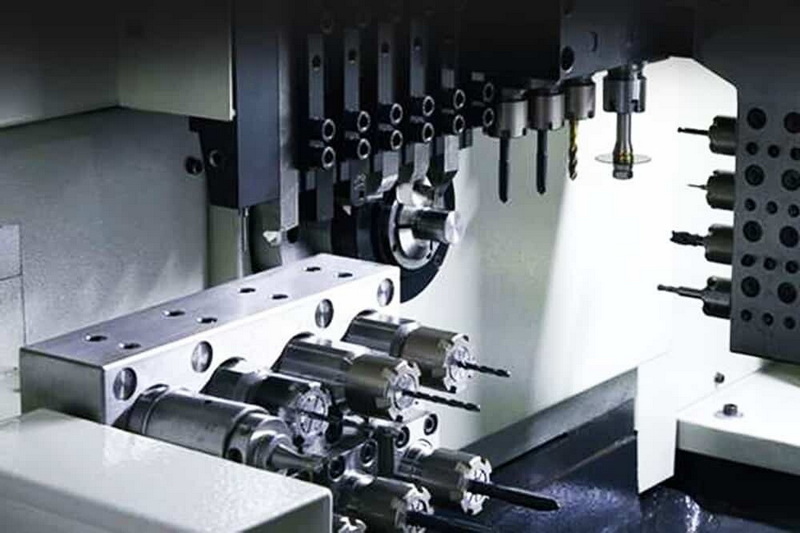
While nations like China, Japan, and Switzerland lead in technological maturity, Indonesia's approach emphasizes cost competitiveness, customization, and flexibility. The country may not yet match the scale of China's automation systems, but it excels at offering tailor-made services to international partners with lower minimum order quantities (MOQs).
Clients often highlight Indonesia's responsive communication culture, making collaboration smoother compared to larger producers where communication barriers or minimum order restrictions can slow negotiations.
To remain competitive, Indonesian workshops invest in top-grade machines and automation systems. Modern facilities commonly feature:
- Tornos, Citizen, and Star CNC lathes with 8–12 controllable axes.
- Automatic bar feeders and chip conveyor systems to minimize manual handling.
- CAD/CAM integration for precise design translation.
- IoT-enabled monitoring for machine performance optimization.
- Robotic arms and loading systems for 24-hour unmanned operation.
These advances contribute to reduced downtime and faster turnaround times, allowing Swiss-type CNC machining manufacturers and suppliers in Indonesia to maintain stable production quality.
As global buyers place emphasis on verified quality, Indonesian suppliers have adopted international standards such as ISO 9001, IATF 16949, and RoHS compliance. Many companies incorporate automatic quality data reporting, laser engraving for lot traceability, and real-time inspection tools.
Quality assurance extends beyond surface inspection. It includes:
- 3D CMM validation for dimensional accuracy.
- Hardness and tensile testing.
- Visual inspection under magnification for micro defects.
- Statistical process control for continuous improvement.
This holistic approach ensures consistent product quality that matches or surpasses many established suppliers in Asia.
One of Indonesia's key strengths lies in its OEM and ODM capabilities. Many companies not only manufacture according to customer drawings but also assist in design optimization.
Services typically include:
- Engineering consultation during the design phase.
- Material selection advice to balance cost and performance.
- Rapid prototyping for mechanical testing.
- Laser marking, anodizing, and precision surface coating.
- Logistics support for international delivery.
Such comprehensive services allow clients to simplify their supply chains by working with a single partner that manages everything from concept to final assembly.
Cost efficiency remains a central reason international companies choose Indonesian suppliers. Hourly machining rates and operational overheads are generally lower than in Japan or Singapore, delivering 20–40% savings on complex production runs.
However, lower cost does not mean compromised quality. Indonesian Swiss-type CNC machining manufacturers and suppliers achieve competitive prices through lean management systems, local sourcing of consumables, and efficient power utilization.
Buyers also gain value from:
- Flexible lead times, accommodating short production cycles.
- Lower logistics costs due to the country's major port access.
- Tailored customer support providing direct updates throughout project stages.
A country's machining excellence depends largely on its engineers and technicians. Indonesia benefits from a young, dynamic workforce trained through collaborations with Japanese and European institutes.
Government programs such as the “Industry 4.0 Vocational Initiative” provide machinists with modern technical knowledge in CNC programming, tool path optimization, and quality analytics. These efforts ensure that Indonesian workers can handle sophisticated machinery and precision engineering processes to international expectations.
Despite impressive growth, the Indonesian precision machining sector faces a few notable challenges:
- Raw material dependence: Many specialty alloys, such as titanium or high-nickel steel, must still be imported.
- Limited domestic tooling suppliers: High-quality carbide tools and cutting fluids are sourced internationally, affecting lead times.
- Infrastructure gaps: While major industrial parks are well-developed, some remote regions still face supply chain limitations.
Yet, ongoing investment from both public and private sectors aims to close these gaps rapidly. The expansion of logistics facilities and free-trade zones continues to strengthen Indonesia's industrial ecosystem.
The next decade is poised to redefine Indonesia's standing in precision manufacturing. The integration of Industry 4.0, automation, and digitalization will further enhance machining efficiency and minimize human error.
We can expect more local entrepreneurs to enter the Swiss-type CNC machining field, forming clusters that foster innovation and export growth. With sustained training, technology upgrades, and foreign collaboration, Indonesia is on track to become one of Southeast Asia's major centers for Swiss-type CNC machining manufacturers and suppliers.
Indonesia's ascent as a hub for Swiss-type CNC machining manufacturers and suppliers reflects both its technical evolution and its strategic role in global supply chains. By integrating modern machinery, high-quality standards, and competitive pricing, Indonesian firms now meet the same precision and reliability expected from world-class producers.
For international buyers seeking dependable partners capable of delivering custom-engineered precision components, Indonesia offers a compelling balance of innovation, affordability, and consistent quality. Its expanding industrial infrastructure and skilled workforce ensure that Swiss-type CNC machining in Indonesia will continue to thrive, setting new benchmarks for excellence in Southeast Asia's precision manufacturing landscape.
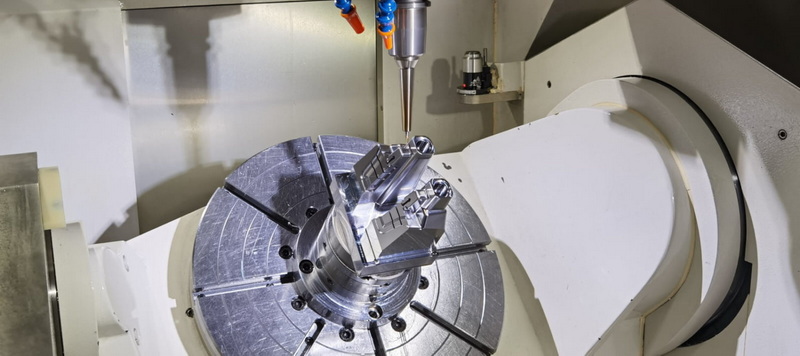
It is a precision turning method where the material bar feeds through a sliding headstock, reducing vibration and enabling high-precision production for small and complex components.
They provide cost-effective pricing, flexible production volumes, advanced machinery, and strong quality control that appeals to global OEM buyers.
Key sectors include medical devices, aerospace, automotive, electronics, energy, and hydraulic component manufacturing.
They follow ISO 9001 or IATF 16949 standards, conduct full in-process inspections, and use advanced CMM and vision measurement tools.
Yes, most companies provide complete OEM services, from single-unit prototyping to large-scale CNC production runs, with efficient turnaround times.


