From idea to market-ready product, our NPI solutions make every stage easier, faster. Discover How We Help

Views: 222 Author: Tomorrow Publish Time: 2026-02-01 Origin: Site


Content Menu
● What Is Swiss-Type CNC Machining?
● The Hungarian CNC Industry Landscape
● Top Swiss-Type CNC Machining Manufacturers and Suppliers in Hungary
>> 1. PrecMach Engineering Kft.
>> 4. MetalPro Manufacturing Ltd.
● Hungarian Precision Meets Chinese Efficiency: A Global OEM Perspective
● Selecting the Right Swiss-Type CNC Machining Supplier
● Emerging Industrial Trends in Swiss-Type Machining
● Testing, Quality, and Precision Control
● FAQs About Swiss-Type CNC Machining in Hungary
>> Q1: What types of components are most commonly produced through Swiss-type CNC machining?
>> Q2: How do Hungarian suppliers maintain such high tolerances?
>> Q3: Can Hungarian Swiss-type machining suppliers handle prototype and mass production?
>> Q4: Why collaborate with both Hungarian and Chinese manufacturers?
>> Q5: Are there environmental standards in Hungary's machining sector?
Hungary has positioned itself as one of Central Europe's most competitive and innovative industrial manufacturing hubs. The country strategically connects Western engineering excellence with Eastern production efficiency, offering a unique balance of quality and cost. In this context, Swiss-type CNC machining has gained strong momentum, becoming the backbone of precision manufacturing for Europe's automotive, aerospace, and instrumentation sectors.
Known for its unmatched accuracy and efficiency, Swiss machining technology enables Hungarian companies to meet strict tolerances for small, complex parts that power modern industrial systems. This article provides a comprehensive overview of the top Swiss-type CNC machining manufacturers and suppliers in Hungary, while also exploring how collaborations between European and Chinese OEM factories can optimize supply chains and ensure consistent quality.
Our company, based in China, is a professional precision components producer offering global OEM services. Over the years, we have established cooperative relationships with European and American enterprises, including Hungarian machining firms. These partnerships maximize efficiency, shorten production cycles, and ensure stable pricing for global buyers.
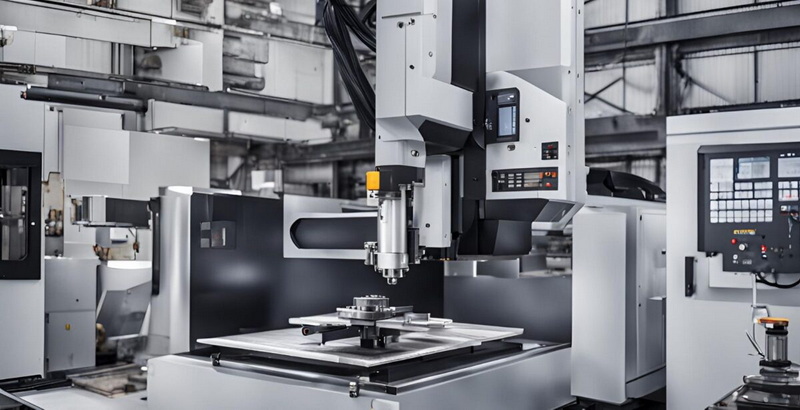
Swiss-type CNC machining, also called “sliding headstock turning,” originated in Switzerland's watchmaking industry, where extreme precision was essential. Unlike standard lathes that hold material in fixed chucks, a Swiss-type lathe feeds the workpiece through a guide bushing. This design minimizes deflection and vibration, enabling incredible tolerances on long, thin components.
In practical terms, Swiss machines enable:
- Precision turning down to ±0.005 mm
- Simultaneous multi-tool machining, including drilling, tapping, and threading
- Continuous production with minimal tool adjustments
- Ideal output for miniature parts and complex geometries
Thanks to digital control, high-speed spindles, and live tooling, Swiss-type CNC machining manufacturers and suppliers can handle advanced industrial projects with unmatched consistency. This precision has made Hungary a rising star in Europe's CNC machining landscape.
Hungary's industrial sector benefits from a combination of modern infrastructure, skilled engineers, and alignment with EU manufacturing standards. The country's growth in the machinery, automotive, and electromechanical sectors has created a strong foundation for precision part suppliers.
Several factors drive the success of Swiss-type CNC machining manufacturers and suppliers in Hungary:
1. Strategic geographic location – Hungary sits at the heart of Europe, enabling short transport times to Germany, Italy, France, and Austria—all of which are high-demand markets for precision parts.
2. Skilled workforce – Local technical universities and industrial training programs produce engineers familiar with cutting-edge CNC operations and digital manufacturing systems.
3. Foreign investment – Many global OEMs, including German and Japanese corporations, have set up Hungarian subsidiaries, introducing world-class technology and management models.
4. Competitive cost advantage – Though an EU nation, Hungary's operational costs remain lower than those in Western Europe, making it attractive for outsourced production.
These advantages make Hungarian companies reliable Swiss-type CNC machining suppliers for international OEMs, wholesalers, and industrial producers.
To provide a helpful guide for overseas buyers, we've profiled some of Hungary's most recognized and capable Swiss-type CNC machining manufacturers and suppliers.
Location: Budapest, Hungary
Overview: PrecMach Engineering is widely acknowledged for its precision turning, small component manufacturing, and advanced CNC engineering solutions. Equipped with Citizen and Star Swiss-type lathes, the company serves industries including medical technology, automotive systems, and industrial automation.
Capabilities:
- Precision diameter range: 1 mm–25 mm
- Experienced with stainless steel, titanium, and plastic materials
- Surface finish quality down to Ra 0.2 µm
- ISO 9001:2015 certified
Their commitment to continuous improvement and quality makes them an excellent reference among Hungarian Swiss-type CNC machining suppliers.
Location: Debrecen, Hungary
Overview: Mikra CNC Solutions is one of Hungary's leading subcontract machining firms, emphasizing prototype development and precision custom parts. Their workshop operates several 5- and 7-axis Swiss CNC lathes, allowing flexible scaling from pilot prototypes to full-scale production.
Key features:
- Design and technical optimization services
- Multi-material machining (aluminum, brass, engineering plastics)
- Balanced combination of speed, precision, and cost
- Multilingual technical communication
Mikra collaborates closely with international OEM producers, including Asian suppliers, making them a bridge between local manufacturing and global supply networks.
Location: Győr, Hungary
Overview: TechTurn focuses on high-precision CNC turned components such as fasteners, pins, and hydraulic system parts. Using advanced Citizen L32 and Star SR-20R IV Swiss-type CNC machines, the company offers both small- and large-batch production.
Core strengths:
- Sophisticated measurement and inspection systems
- Automated loading to reduce human error
- Consistent part repeatability
- Traceability and documentation aligned with EU manufacturing standards
TechTurn's professional team ensures dependable service for international customers who demand long-term precision and transparency.
Location: Székesfehérvár, Hungary
Overview: MetalPro is a flexible machining supplier focusing on precision turning, CNC milling, and mechanical assembly. While their range covers various CNC disciplines, Swiss-type machinery has become essential for their small and complex component production lines.
Advantages:
- Quick turnaround and logistic coordination for EU markets
- Adaptable OEM and ODM cooperation models
- CNC machining combined with finishing processes such as anodizing and electroplating
MetalPro's strength lies in full-service project support—guiding customers from prototype to final assembly with efficient cost management.
Location: Pécs, Hungary
Overview: ProTurn Precision has grown into one of the region's leading precision engineering companies, producing high-quality mechanical parts through Swiss-type machining. They serve global clients in fluid power systems, robotics, and instrumentation.
Highlights:
- Multi-axis production of stainless steel and brass components
- Robotic handling systems for continuous operation
- Strong R&D support for product development and co-engineering
ProTurn's business model reflects the collaborative culture of Swiss-type CNC machining manufacturers and suppliers in Hungary—focused on precision, partnership, and productivity.
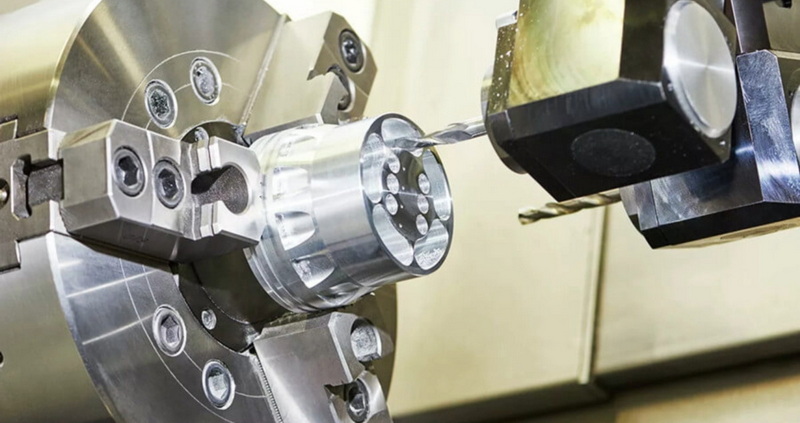
As a Chinese OEM precision parts factory, our production facilities integrate flexible machining capabilities, including multi-spindle turning, CNC milling, and high-speed drilling. Partnering with Hungarian Swiss-type suppliers offers distinct global advantages:
- Dual sourcing stability: Production split between China and Hungary ensures supply chain resilience.
- Reduced shipping time to Europe: Semi-finished or finished parts can ship directly within the EU customs zone.
- Technology synergy: Exposure to high-end Swiss-type setups and process simulation improves consistency.
- Custom OEM integration: Shared toolpath data and engineering drawings streamline batch execution across borders.
This collaborative ecosystem creates a win-win strategy where European engineering precision intersects with China's large-scale manufacturing efficiency.
Finding the ideal Swiss-type CNC machining manufacturer or supplier involves more than comparing quotations. Here are key points to ensure the best long-term production outcome:
1. Review machine inventory: Confirm that their Swiss-type CNC systems are modern, ideally from brands like Citizen, Tsugami, or Star.
2. Quality assurance: Check for ISO certifications and detailed inspection reports.
3. Material expertise: Verify experience with metals and polymers specific to your end product.
4. Communication efficiency: International cooperation requires clear technical documentation and prompt responses.
5. Delivery flexibility: Confirm production scalability from low-volume prototypes to high-volume OEM manufacturing.
Incorporating these steps ensures a stable collaboration and dependable product results.
Hungary's manufacturing environment continues to evolve as it embraces Industry 4.0 standards. The government's focus on digital manufacturing and green production opens new frontiers for Swiss-type CNC machining manufacturers and suppliers. Key developments include:
- Automation and robotic cells: These technologies reduce manual handling, improving throughput and cost control.
- AI-driven process monitoring: Real-time error detection enhances scrap reduction.
- Sustainability initiatives: Eco-friendly coolant systems and waste material recycling are advancing rapidly.
- Supply chain digitization: Integration with EU and Asian suppliers through cloud-based systems ensures traceability.
This innovative environment allows Hungarian machinists to retain their competitive edge in global precision manufacturing.
High precision machining requires rigorous measurement standards. Hungarian Swiss-type CNC machining manufacturers and suppliers focus heavily on quality management processes that align with both EU and international expectations.
Common inspection tools and systems include:
- 3D coordinate measuring machines (CMM)
- Optical microscopes for micro-parts
- Surface roughness testers
- In-line digital measurement sensors
These protocols ensure that each component meets both dimensional consistency and durability requirements before international shipment.
Quality control is not simply an afterthought — it is integral to every production stage, from raw material inspection to packaging. This systematic approach guarantees reliability, which is a defining trait of top-tier Swiss-type CNC suppliers in Hungary.
The outlook for Swiss-type CNC machining manufacturers and suppliers in Hungary is highly positive. As global demand for complex components grows in sectors such as EVs, renewable energy, and medical implants, Hungary's precision engineering community continues to thrive.
Over the next decade, strategic cooperation between Hungarian and Asian manufacturers is expected to deepen. OEM projects that combine European market access with Chinese production scalability will represent a sustainable supply-chain model.
For global buyers, this means greater flexibility in choosing where and how to produce — maximizing efficiency while maintaining high technical standards.
Hungary's manufacturing strength continues to evolve with innovation and collaboration at its core. The nation's Swiss-type CNC machining manufacturers and suppliers bring world-class engineering, precision, and reliability to the global marketplace. When their expertise is combined with the large-scale production potential of Asian OEM factories, the result is an optimized global production ecosystem capable of meeting modern industry's highest standards.
For international buyers, Hungary stands as a bridge between Western technological excellence and global supply chain flexibility. As the demand for precision engineering continues to increase, Swiss-type CNC machining suppliers in Hungary will undoubtedly play a key role in shaping the future of advanced manufacturing.
Contact us to get more information!
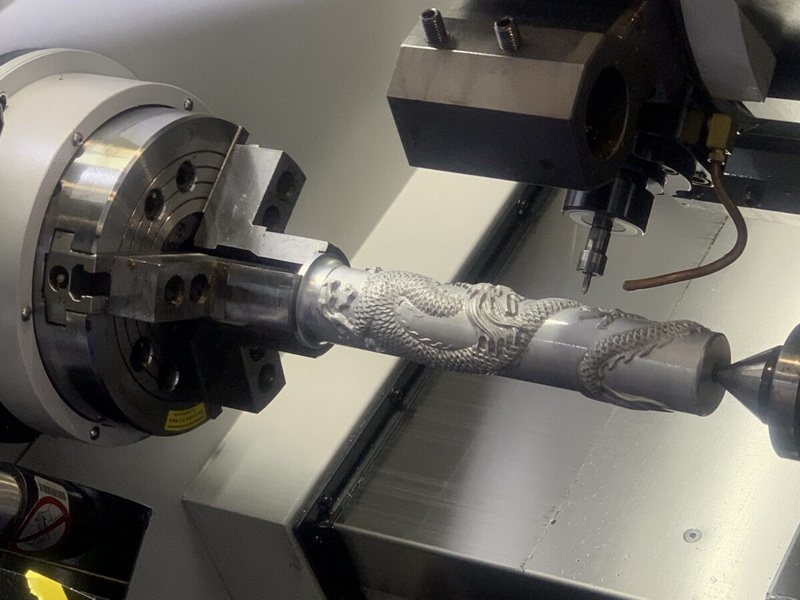
A1: Components such as shafts, pins, bushings, fasteners, valve parts, and miniature connectors are commonly produced, especially for automotive, aerospace, and medical industries.
A2: They utilize advanced machine tools, temperature-controlled environments, and in-process measuring devices that ensure every part remains within tight tolerance bands.
A3: Yes. Most operate flexible production lines capable of adjusting to small batches or mass production based on client requirements.
A4: This dual-region strategy allows companies to combine European speed and precision with Asian scale and cost optimization, improving global competitiveness.
A5: Hungarian suppliers operate under EU environmental directives, implementing energy-efficient machines, recycling programs, and sustainable waste management systems.
1. (https://hipa.hu)
2. (https://www.citizenmachinery.eu)
3. (https://www.starcnc.com)
4. (https://mkik.hu)
5. (https://ec.europa.eu)
6. (https://www.machinetoolmarket.com)


