From idea to market-ready product, our NPI solutions make every stage easier, faster. Discover How We Help

Views: 222 Author: Tomorrow Publish Time: 2026-03-21 Origin: Site
Content Menu
● Why Malaysia's Surface Finishing Ecosystem Matters for Global OEMs
● Methodology: How We Ranked Surface Finishing Suppliers in Malaysia
● What B2B Buyers Really Care About: Real‑World Experience Signals
>> Quality and Long‑Term Consistency
>> Lead Time, Flexibility, and Delivery Reliability
>> Communication, Technical Support, and Problem Handling
● Overall Top Surface Finish Players Relevant to Malaysia
● Best Options by Application Category
>> Architectural and Construction Projects
>> Automotive and Precision Industrial Components
>> Decorative and Specialty Finishes
● How a Chinese CNC Precision Parts OEM Can Use Malaysian Surface Finish Suppliers
● Practical Checklist: How to Qualify a Surface Finish Supplier in Malaysia
● Trends Shaping the Future of Surface Finishing in Malaysia
● Coordinating CNC Machining in China with Surface Finishing in Malaysia
● How to Choose the Right Surface Finish Partner in Malaysia
● Red Flags and Common Pitfalls for Buyers
● Recommended Visual and UX Enhancements
● Call to Action: Build a More Reliable Supply Chain with the Right Partners
● FAQs
>> 1.Why do some OEMs combine CNC machining in China with finishing in Malaysia?
>> 2.Which companies are influential in architectural coatings and related finishes in Malaysia?
>> 3.What certifications should I require from a finishing supplier?
>> 4.How can I practically evaluate a new surface finishing partner?
For global OEM and ODM buyers, choosing reliable surface finishing manufacturers and suppliers in Malaysia is crucial to ensure quality, durability, and on‑time delivery of metal parts and assemblies. As a CNC precision parts producer in China, Shenzhen Feifan Hardware & Electronics Co. works with overseas brands, wholesalers, and manufacturers that increasingly rely on Malaysia for professional finishing solutions and regional logistics advantages.
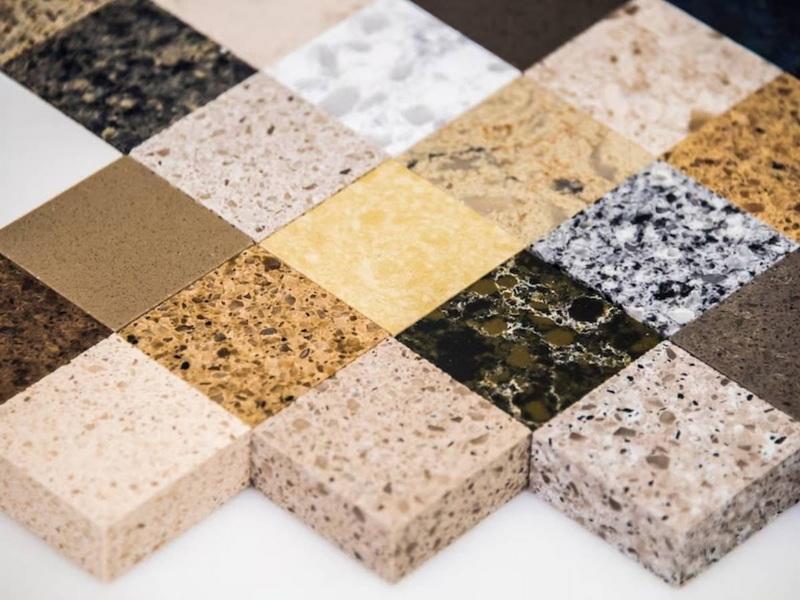
Malaysia has become a strategic hub for metal surface finishing services that support architectural hardware, automotive parts, electronics components, and general industrial products. International buyers often combine CNC machining in China with surface finishing in Malaysia, then ship to regional or global markets.
Key benefits for OEM and ODM buyers include:
- Shorter lead times for ASEAN, Oceania, and selected global destinations thanks to Malaysia's logistics network.
- Better alignment with local regulations and project standards, especially for construction and automotive applications.
- Reduced risk when handling coatings, chemicals, and hazardous logistics closer to end markets instead of long cross‑border routes.
For Shenzhen Feifan Hardware & Electronics Co., this means CNC precision machining can be integrated with Malaysian finishing providers to create a stronger, more flexible supply chain for overseas customers.
This ranking is based on a clear and transparent evaluation framework that reflects how real B2B buyers assess suppliers. Instead of vague opinions, it focuses on observable capabilities, documented performance, and practical experience.
Core evaluation dimensions:
- Product quality and consistency
- Corrosion resistance (e.g., salt spray hours where available).
- Adhesion, hardness, and resistance to chipping or peeling.
- Visual consistency in colour, gloss, and texture across batches.
- Lead time and delivery reliability
- Ability to meet standard schedules and manage urgent orders.
- Historical on‑time delivery patterns and responsiveness during peak seasons.
- Technical capabilities and process range
- Availability of electroplating (zinc, zinc‑nickel, zinc flake), powder coating, liquid painting, and other finishes.
- Experience in handling different base materials (steel, aluminum, stainless steel, etc.).
- Certifications and compliance
- Quality systems such as ISO 9001 and IATF 16949 for automotive and industrial applications.
- Conformance with relevant mechanical and corrosion test standards.
- Customer experience and communication
- Clarity of documentation and willingness to share test results.
- How issues and complaints are handled, including corrective actions.
- Pricing transparency and long‑term value
- Clear breakdown of costs and stable long‑term pricing strategies.
- Focus on lifetime cost of ownership rather than only initial price.
The ranking also considers publicly available information on architectural and industrial coating markets in Malaysia, along with examples of specific companies active in these segments. [kkrstone]
For architectural, automotive, and industrial buyers, reproducibility is more important than a single perfect sample. Problems often arise over time, not on day one.
Typical quality concerns include:
- Colour deviation between different lots used on the same project.
- Early corrosion after outdoor exposure or mechanical stress.
- Surface defects like pinholes, blisters, orange peel, and scratches that create rework and claims.
Coating leaders such as Nippon Paint Malaysia Group have built their position by delivering consistent performance and complete coating systems for demanding environments. This system‑level approach helps reduce incompatibility risks between primers, intermediate coats, and topcoats. [automotive.nipponpaint.com]
For CNC precision parts and project‑based orders, lead time is not just a number; it must match the buyer's actual schedule. Reliable surface finishing partners are able to:
- Give realistic standard lead times and keep promises under pressure.
- Offer flexible capacity or prioritized slots for urgent orders.
- Communicate early if any delay is likely, with clear mitigation plans.
When finishing is delayed, it can cause line stoppages, emergency air freight, and strained relationships between OEMs and their end customers. That is why buyers value finishing partners who can align capacity with machining and assembly schedules.
In many OEM projects, surface finishing is the stage where hidden problems appear: poor pre‑treatment, design issues, or unsuitable coating systems. The best suppliers distinguish themselves by how they handle these challenges.
Strong partners tend to:
- Provide technical guidance on coating system selection, required thickness, and pre‑treatment methods.
- Share clear root cause analysis when defects occur and document corrective and preventive actions.
- Maintain structured quality documentation, including test reports and process controls that support audits and customer reviews.
For a CNC factory like Shenzhen Feifan Hardware & Electronics Co., working with finishing suppliers that follow these practices reduces the risk of disputes and improves the success rate of first article and mass production approvals. [facebook]
Below is an illustrative overview of influential coating and surface finishing players serving architectural, automotive, and industrial requirements in Malaysia. This is designed as a buyer‑oriented guide; individual due diligence is still necessary.
| Rank | Company (Malaysia) | Core strength | Typical buyer use‑case |
|---|---|---|---|
| 1 | Nippon Paint Malaysia Group automotive.nipponpaint.com | Total coating solutions for architectural, industrial, and automotive refinish | Contractors and OEMs needing tested coating systems and strong technical support |
| 2 | Jotun Malaysia mordorintelligence | Architectural and protective coatings for buildings and infrastructure | Facade, structural steel, and marine projects under harsh environments |
| 3 | Akzo Nobel / International Paint mordorintelligence | Protective, marine, and industrial coating systems | Oil & gas, marine, heavy engineering requiring global standards |
| 4 | Kansai Paint (Malaysia) mordorintelligence | Automotive and architectural coatings | Automotive supply chains and building projects |
| 5 | TOA Paint (Malaysia) mordorintelligence | Regional architectural and protective coatings | ASEAN projects seeking cost‑effective yet reliable exterior finishes |
| 6 | TITAN + Ulision Electro‑Plating Sdn Bhd titanmetal.com | Metal stamping with zinc, zinc‑nickel, and zinc flake electroplating | Automotive, hardware, and electrical components needing functional plating |
| 7 | Selected solid surface and decorative providers (e.g., Solid Top, Maxtyle Surfaces) kkrstone | Decorative surfaces for interiors and furniture | Kitchen, interior, and decorative projects requiring design‑oriented finishes |
These companies either supply advanced coating materials or operate finishing services that are widely used in Malaysia's industrial and construction sectors. [titanmetal.com]
Construction, facade, and metalwork contractors frequently rely on high‑performance architectural coatings to ensure long‑term appearance and protection. Leading brands in the Malaysian architectural coatings market include Nippon Paint, Jotun, Akzo Nobel, Kansai, and TOA. [mordorintelligence]
For buyers, this means:
- Access to coatings with documented UV resistance, chalking, and gloss retention for exterior applications. [mordorintelligence]
- Better support for mock‑ups, colour approvals, and on‑site troubleshooting.
- Easier compliance with international facade and building standards, particularly for exported structures.
A CNC or fabrication supplier serving facade projects can benefit from combining precision machining with recognized coating systems, allowing clients to obtain warranties and technical backup from established brands. [automotive.nipponpaint.com]
Automotive and precision industrial components require functional coatings and electroplating with strict process control.
Relevant strengths include:
- Ulision Electro‑Plating Sdn Bhd (working with TITAN) provides zinc, zinc‑nickel, and zinc flake coatings and maintains ISO 9001 and IATF 16949 certification. [titanmetal.com]
- These processes are suitable for automotive parts, hardware, and electrical components where corrosion resistance and consistent thickness are critical. [titanmetal.com]
- Automotive‑oriented coating providers, such as Nippon Paint's automotive and refinishing operations in Malaysia, offer systems from pre‑treatment to polishing and repair. [automotive.nipponpaint.com]
For overseas OEMs, choosing partners with these capabilities can greatly simplify PPAP, audit, and documentation requirements.
The Malaysian market also includes providers of solid surface materials and decorative finishes, with companies offering a wide range of colours and textures for interior applications. Although these focus more on decorative surfaces than metal finishing, they demonstrate the growing demand for design‑driven, customized finishes. [kkrstone]
Metal finishing buyers looking for premium aesthetics should seek partners that:
- Offer custom colour matching against RAL or Pantone.
- Provide special textures and effects (e.g., fine texture, metallic, anti‑fingerprint).
- Allow small initial batches for design validation and sample rooms.
For Shenzhen Feifan Hardware & Electronics Co., integrating Malaysian surface finishing services provides a way to deliver more value to overseas customers. A structured cooperation model can look like this:
1. Classify parts by risk and application
- High‑risk: automotive safety components and highly stressed parts.
- Medium‑risk: visible exterior or interior hardware.
- Low‑risk: non‑visible internal parts.
2. Match each category with the right Malaysian finishing partner
- Use automotive‑certified electroplaters for high‑risk components. [titanmetal.com]
- Use coating brands and applicators focused on architectural or industrial performance for exposed components. [mordorintelligence]
3. Establish a shared quality and communication protocol
- Define test requirements such as salt spray duration, adhesion, hardness, and impact resistance. [automotive.nipponpaint.com]
- Agree on sampling plans and acceptance criteria before mass production.
- Set clear timelines for responding to issues and implementing corrective actions.
By following this approach, CNC machining and surface finishing are no longer isolated steps, but parts of a coordinated system that provides more reliable and transparent results for overseas buyers. [facebook]
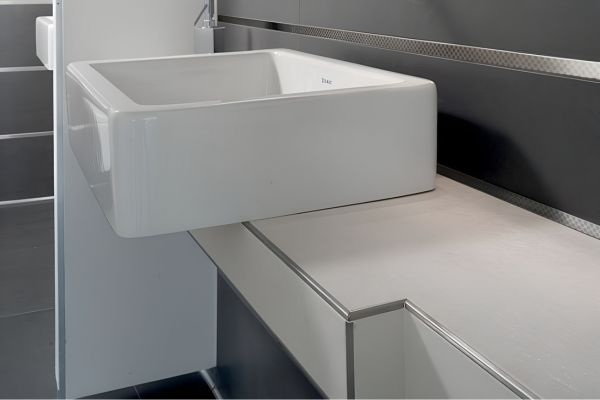
To improve sourcing decisions, OEM and ODM buyers can use the following step‑by‑step checklist:
1. Initial screening
- Confirm certifications (ISO 9001, IATF 16949 where applicable). [titanmetal.com]
- Review industries served (automotive, electronics, construction, etc.). [automotive.nipponpaint.com]
- Check for visible reference projects or long‑term customers.
2. Technical capability review
- List available processes: electroplating types, powder coating, liquid coatings. [mordorintelligence]
- Confirm material compatibility and maximum part size or dimensions.
- Request recent test reports for corrosion and adhesion performance. [titanmetal.com]
3. Sample and pilot production
- Start with a small pilot batch of your own parts.
- Inspect appearance, coating thickness, and dimensional change.
- Evaluate packaging, labeling, and traceability.
4. Audit or virtual tour
- Examine line layout, pre‑treatment steps, and quality checkpoints. [titanmetal.com]
- Confirm how test equipment is calibrated and how records are stored.
5. Ongoing monitoring
- Track on‑time delivery, defect rates, and any claims.
- Hold periodic reviews to identify persistent issues and improvement opportunities.
This checklist can be shared with procurement and quality teams to standardize supplier evaluations and reduce subjective decisions.
Industry reports and market analyses indicate several important developments in the Malaysian coatings and finishing landscape: [linkedin]
- Growing demand for high‑performance architectural coatings, supported by major brands like Jotun, Akzo Nobel, Kansai, Nippon Paint, and TOA. [mordorintelligence]
- Increasing focus on environmental regulations and cleaner technologies, pushing finishing shops to upgrade pre‑treatment and waste management practices. [automotive.nipponpaint.com]
- Expansion of semiconductor and electronics‑related surface treatment services, reflecting Malaysia's role in global electronics manufacturing. [linkedin]
For OEMs and ODMs, these trends mean better access to advanced coating systems in the region, stronger regulatory alignment with overseas markets, and opportunities to co‑develop complex assemblies that combine Chinese machining with Malaysian finishing and regional distribution.
Consider a scenario where Shenzhen Feifan Hardware & Electronics Co. machines aluminum and steel parts for a European or North American industrial equipment brand. [facebook]
A robust cross‑border workflow might include:
1. CNC machining and inspection at Feifan's facility in Shenzhen.
2. Shipment of semi‑finished parts to a Malaysian electroplating partner for zinc‑nickel or other protective coatings. [titanmetal.com]
3. Application of powder or liquid coatings using systems from major brands active in the Malaysian market for structural or visible components. [mordorintelligence]
4. Final inspection, packaging, and consolidation in Malaysia before international shipment.
This approach can improve:
- Overall supply chain resilience, by using two industrial hubs.
- Access to recognized coating systems and certifications for demanding applications. [mordorintelligence]
- Buyer confidence through a documented and transparent process from machining to finishing.
When meeting potential partners, ask targeted questions that reveal real capabilities:
- "What similar parts or projects have you handled?"
Look for specific examples in automotive, electronics, or construction, not generic claims. [automotive.nipponpaint.com]
- "Can you provide recent corrosion and adhesion test results?"
Up‑to‑date testing shows that process control is maintained, not only certified once. [automotive.nipponpaint.com]
- "How do you respond to urgent orders or schedule changes?"
Understand their flexibility, backup capacity, and any surcharge structure.
- "What is your standard procedure when defects are found?"
Request example corrective action reports or summaries of past improvements.
- "Which coating brands or chemical suppliers do you work with?"
Cooperation with recognized brands and chemical vendors often indicates stronger technical support. [mordorintelligence]
To avoid costly mistakes, pay attention to these warning signs:
- Very low prices without clear explanations of coating systems, chemical sources, or process controls.
- Missing or outdated certifications and test reports. [titanmetal.com]
- Reluctance to allow audits or to share basic technical documentation.
- Inconsistent communication, especially during new product introduction phases.
Taking the time to qualify partners properly can protect both your brand and your end customers from long‑term quality issues.
To make this type of article more useful and engaging for B2B readers, consider adding:
- A flow diagram showing "CNC machining in China → finishing in Malaysia → global shipment" to visualize the cross‑border process.
- A comparison table of key evaluation criteria and supplier characteristics (some of which are already outlined in table form above).
- Photographs or short videos of CNC machining centres, electroplating lines, and powder coating booths to demonstrate real capability.
These elements help technical and procurement audiences quickly understand the value chain and make better decisions.
If you are a global brand, wholesaler, or manufacturer sourcing precision metal components, consider working with a CNC partner that understands both machining and regional finishing ecosystems. Shenzhen Feifan Hardware & Electronics Co. can coordinate CNC machining in China with carefully selected surface finishing partners in Malaysia, giving overseas buyers a single point of contact and a more integrated solution from drawing to finished part. [facebook]
Review your current surface finishing strategy, identify gaps in quality or lead time, and explore how Malaysian partners can help you upgrade performance and reduce risk.
Contact us to get more information!
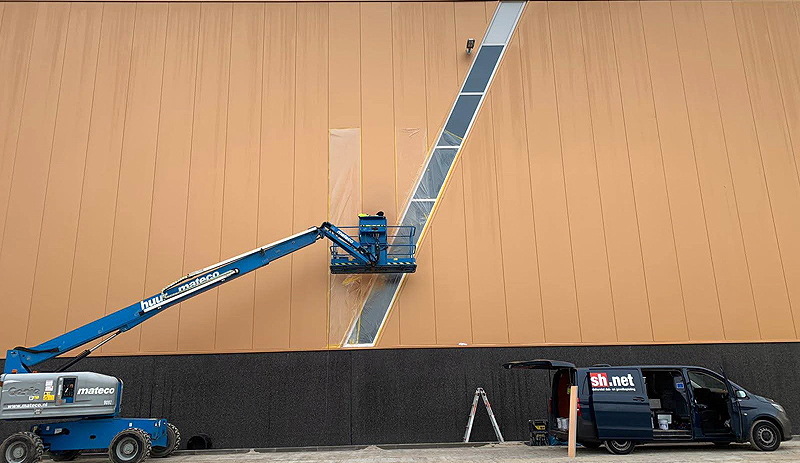
Because this model combines cost‑efficient precision machining with regional finishing capacity and logistics advantages, especially for ASEAN and nearby markets, while still serving global customers effectively. [linkedin]
Industry research highlights Nippon Paint, Jotun, Akzo Nobel, Kansai Paint, and TOA Paint as key brands in the architectural coatings segment in Malaysia. [mordorintelligence]
Look for ISO 9001 as a basic quality management standard and IATF 16949 for automotive applications, along with evidence of regular corrosion and adhesion testing. [automotive.nipponpaint.com]
Use a structured process: initial certification check, technical capability review, pilot production on your own parts, on‑site or virtual audit, and ongoing monitoring of delivery and defect performance.
By offering integrated CNC machining plus coordinated finishing, Feifan can manage technical communication, quality alignment, and logistics, allowing overseas buyers to work with one responsible supplier while still leveraging the strengths of Malaysian finishing providers. [facebook]
1. KKR – "Top 7 Solid Surface Suppliers in Malaysia"
<https://www.kkrstone.com/solid-surface-supplier-in-malaysia/> [kkrstone]
2. TITAN – "Metal Stamping Surface Finishing Malaysia"
<https://www.titanmetal.com.my/metal-stamping-surface-finishing-malaysia/> [titanmetal.com]
3. Mordor Intelligence – "Top Malaysia Architectural Coatings Companies"
<https://www.mordorintelligence.com/industry-reports/malaysia-architectural-coatings-market/companies> [mordorintelligence]
4. Nippon Paint Automotive Refinish – About Us
<https://automotive.nipponpaint.com.my/autorefinish/about-us/> [automotive.nipponpaint.com]
5. TopRank Marketing – "E‑E‑A‑T and SEO: Optimizing for Google's Guidelines"
<https://www.toprankmarketing.com/blog/eeat-seo-google-guidelines-experience-expertise-authority-trust/> [toprankmarketing]
6. Search Engine Land – "An SEO guide to understanding E‑E‑A‑T"
<https://searchengineland.com/guide/google-e-e-a-t-for-seo> [searchengineland]
7. Facebook – Feifan Hardware – Precision CNC Manufacturing
<https://www.facebook.com/61570903148349/videos/-feifan-hardware-precision-cnc-manufacturing/1171952128303203/> [facebook]
8. LinkedIn – Malaysia Semiconductor Surface Treatment Service Market (overview of key players and trends)
<https://www.linkedin.com/pulse/malaysia-semiconductor-surface-treatment-service-market-w78je> [linkedin]


