From idea to market-ready product, our NPI solutions make every stage easier, faster. Discover How We Help

Views: 222 Author: Tomorrow Publish Time: 2026-01-14 Origin: Site
Content Menu
● Why Portugal's CNC Industry Is Emerging Globally
● Industrial Landscape of CNC Turning in Portugal
● Top CNC Turning Services Manufacturers And Suppliers in Portugal
>> 1. Soplast – Precision CNC Machining Experts
>> 2. GBL – Metalworking Solutions
>> 3. Mecmar Group – Engineering and Innovation
>> 4. Metalogalva Industry – Heavy Machining Strength
>> 5. Precialp – Precision at the Micro Level
>> 6. Tecnifreza – Tooling and CNC Solutions
● The Competitive Edge of Portuguese CNC Turning
● How to Select the Right Portuguese CNC Turning Partner
● Market Trends and Technological Directions
● Portugal versus Other European CNC Turning Hubs
● Strategic Benefits for OEM and Wholesale Buyers
● FAQs about CNC Turning Services Manufacturers And Suppliers in Portugal
>> 1. Which industries benefit most from CNC turning services in Portugal?
>> 2. Do Portuguese CNC suppliers support OEM and private label services?
>> 3. What quality standards are common among Portuguese turning companies?
>> 4. Can Portuguese suppliers handle both small and large-scale CNC turning orders?
>> 5. How can foreign buyers start cooperating with Portuguese CNC suppliers?
>> 6. Are Portuguese suppliers competitive compared to Asian manufacturers?
>> 7. What software and inspection technologies do they use?
Portugal has evolved into one of Europe's most competitive hubs for CNC Turning Services Manufacturers And Suppliers, serving a growing number of international clients in automotive, aerospace, energy, electronics, and industrial equipment sectors. From high-tolerance metal shafts to precision aluminum components, Portuguese manufacturers offer a balance of cost, quality, flexibility, and compliance with rigorous European standards.
As globalization narrows the gap between producers and end markets, many overseas OEMs and wholesalers are looking for reliable machining partners in Portugal. The country's industrial landscape benefits from EU-funded modernization, technical training programs, and a generation of engineers well-versed in digital manufacturing technologies.
This article explores the strengths of Portugal's machining sector and profiles leading CNC Turning Services Manufacturers And Suppliers, highlighting how they deliver world-class precision and value to international buyers.
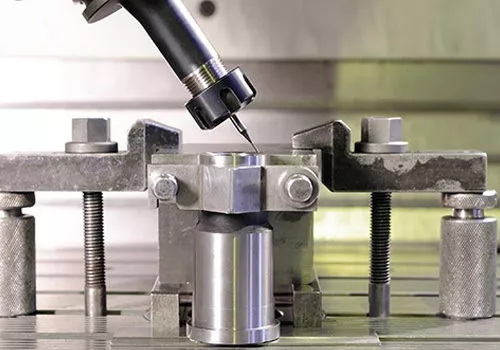
Portugal's reputation in CNC machining has surged over the past decade due to a mix of innovation, skilled craftsmanship, and adaptability. The trend is underpinned by several structural advantages:
- Technological advancement: Portugal's manufacturing industry has increasingly adopted automation, robotics, and Industry 4.0 systems.
- Export orientation: Over 70% of its CNC machining output is destined for export markets, particularly across Western Europe and North America.
- Engineering excellence: The country boasts a technically trained workforce fluent in English and capable of reading complex engineering drawings.
- Competitive costs: Portuguese suppliers provide European quality at near-Eastern pricing levels, offering exceptional cost-to-performance ratios.
- Sustainability commitment: Growing emphasis on eco-friendly production, energy efficiency, and waste reduction contributes to brand credibility in global markets.
Together, these factors cement Portugal as a rising force in the European precision machining landscape.
The country's CNC sector covers a wide range of machining specialties—from small precision parts for electronics to heavy steel components for construction and energy industries. The diversity of production allows Portuguese manufacturers to cater to both small customized orders and high-volume production runs.
Key industrial clusters are concentrated in the northern and central regions, especially around Porto, Braga, and Aveiro. These zones have developed into machining corridors with interconnected supply chains involving raw material suppliers, plating and coating companies, and logistics providers.
Moreover, several Portuguese associations such as AIMMAP (Metallurgical and Mechanical Industry Association of Portugal) support international promotion and technical development, helping CNC turning suppliers reach global buyers.
Founded in 1980, Soplast is a benchmark name among CNC Turning Services Manufacturers And Suppliers. It specializes in complex metallic and engineering plastic components for various industries including automotive and electronics.
Their key capabilities include:
- Multi-axis CNC turning and high-precision milling
- Automated quality inspection and tool calibration
- Prototype and series production for OEM partners
- ISO 9001 and IATF 16949 certifications
Soplast's combination of European craftsmanship and process automation enables consistent quality, making it a trusted supplier for multinational clients seeking stable, long-term partnerships.
GBL exemplifies the new generation of Portuguese metalworking innovators. Known for its flexible production models, GBL offers CNC turning services for components such as shafts, nuts, spacers, and intricately threaded parts.
Distinctive strengths include:
- State-of-the-art CNC lathes and bar feeders
- Multi-material capability: stainless steel, brass, aluminum, and plastic
- Collaborative design and prototyping services
- In-house finishing and packaging options
GBL's dedication to lean manufacturing and just-in-time delivery supports a wide range of client types, from local machine builders to global exporters.
Mecmar Group has been a major name in precision metalworking for over 40 years. Serving sectors from energy to defense, Mecmar provides reliable CNC turning services for both small series and large industrial assemblies.
Core capabilities include:
- CNC turning up to 800 mm diameter
- CNC milling, grinding, and welding integration
- Reverse engineering and product development support
- Detailed CMM inspection and traceability systems
Mecmar's emphasis on process control, data tracking, and ERP-integrated operations places it among Portugal's most advanced manufacturers.
A division of the Vigent Group, Metalogalva is known worldwide for its steel and engineering products. Its CNC machining unit offers CNC turning services for heavy-duty applications, particularly in structural and energy systems.
Their portfolio includes:
- Large-diameter turned steel flanges and connectors
- CNC lathes capable of turning up to 2-meter components
- Heat treatment and galvanizing within the same facility
- ISO 9001 and EN 1090 certified quality systems
Metalogalva's integrated approach—combining machining, surface finishing, and assembly—ensures seamless supply even for the most demanding industries.
For aerospace and medical clients, Precialp stands as one of the most specialized CNC turning services suppliers in northern Portugal. The company operates clean environments that meet international standards for micro-machining and complex geometries.
Key advantages include:
- Swiss-type CNC turning machines for micro-parts
- Titanium, aluminum, and surgical-grade stainless steel processing
- Statistical process control (SPC) for consistent repeatability
- Rapid prototyping and pilot-run capabilities
With clients spread across Europe's high-tech sectors, Precialp exemplifies Portugal's growing sophistication in precision manufacturing.
Combining decades of mold-making experience with high-precision CNC services, Tecnifreza serves as both a tooling expert and a machining partner. The company supports OEM manufacturers that require complex machined components alongside mold components.
Notable attributes:
- Precision machining for automation and robotics
- Multi-axis machining centers with live tooling lathes
- Turnkey design, machining, and assembly
- Expertise in hardened steel and non-ferrous materials
Tecnifreza's dual skill in tooling and turning allows customers to consolidate suppliers and ensure dimensional alignment between molded and machined parts.
Simoldes Tools Division, a subsidiary of the Simoldes Group, primarily focuses on molds but also operates high-precision CNC turning and machining facilities. These services support internal tooling production and external industrial clients, enhancing flexibility in supplying complex parts.
Capabilities include:
- High-speed turning for automotive and household equipment parts
- CAM-integrated process planning and simulation
- Robotic handling for consistent operations
- ISO/TS-certified production systems
Simoldes continues to invest in modernization, ensuring Portuguese machining remains globally competitive.
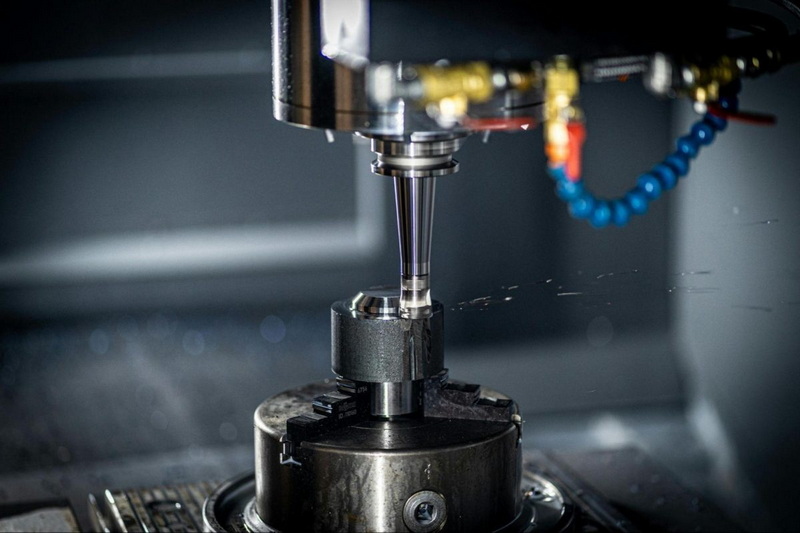
Portuguese CNC Turning Services Manufacturers And Suppliers stand out for delivering European precision with flexible collaboration and adaptability. Here are the reasons international buyers prefer partnering with them:
1. Comprehensive capabilities: From prototyping to full-scale manufacturing, suppliers manage each stage internally.
2. Custom engineering: Engineers cooperate closely with OEM designers to refine tolerances and material selection.
3. Speed and dependability: Reduced lead times and reliable delivery make Portugal an advantageous sourcing base for European distribution.
4. Cultural and linguistic compatibility: Effective communication in English, French, and Spanish minimizes project misunderstandings.
5. Advanced automation: Integration of robotics, CAD/CAM programming, and IoT ensures consistent accuracy.
These attributes enable Portuguese manufacturers to meet demanding specifications across multiple industries without sacrificing efficiency.
Selecting a suitable CNC machining partner requires assessing more than just pricing. Here are the crucial points buyers should evaluate:
- Experience in similar projects: Assess company portfolios and previous work with comparable applications.
- Machine inventory: Ensure they operate modern equipment such as DMG Mori, HAAS, or Mazak machines capable of tight tolerances.
- Certifications and audits: Prioritize ISO-certified suppliers offering traceability, calibration reports, and inspection documentation.
- Material expertise: Confirm familiarity with stainless steels, brasses, aluminum alloys, and engineering plastics.
- Customer service and communication: Responsiveness in quotation, feedback, and lead-time estimation is crucial for consistent cooperation.
By integrating these evaluation criteria, OEMs can identify Portuguese CNC Turning Services Manufacturers And Suppliers capable of fulfilling long-term production goals.
The future of CNC machining in Portugal mirrors global technological evolution. In the coming years, Portuguese suppliers are expected to emphasize:
- Automation and robotics: Increasing use of collaborative robots for part loading and measurement.
- AI-driven machining optimization: Applying data analytics to predict tool wear and improve efficiency.
- Hybrid manufacturing: Combining additive manufacturing (3D printing) with traditional CNC finishing techniques.
- Digital traceability: Implementing smart factories with ERP- and IoT-linked systems for full production transparency.
- Sustainability initiatives: Expanding the use of recyclable coolants and energy-saving equipment to reduce carbon footprints.
These transformations promise higher productivity, environmental responsibility, and tighter integration with international clients' digital workflows.
While Germany and Italy have long dominated Europe's machining markets, Portugal provides a competitive alternative for companies seeking excellence at lower costs. Compared with those established markets:
- Portugal offers 20–30% lower production costs while maintaining similar quality levels.
- Lead times are shorter due to less congestion and flexible scheduling.
- Portuguese firms are more agile in low- and medium-volume projects.
- Government incentives and EU funds for industry modernization accelerate technological upgrades.
These conditions attract foreign OEMs seeking alternatives to traditional Western European manufacturing centers.
Partnering with Portuguese CNC Turning Services Manufacturers And Suppliers creates several strategic benefits for international buyers:
- Reduced risk via regional diversification: Companies can balance their sourcing network across multiple European locations.
- OEM confidentiality and IP protection: Portuguese manufacturing follows EU intellectual property law, minimizing design theft risks.
- Integrated logistics: Access to major ports like Porto and Lisbon expedites global shipment.
- Collaborative partnership culture: Local suppliers emphasize cooperation and long-term trust-building rather than purely transactional relationships.
These advantages combine to enhance efficiency, reliability, and sustainability for global manufacturers sourcing precision-machined components.
Portugal's machining sector demonstrates how precision engineering, modern technology, and European manufacturing discipline can align to create world-class service. The country's CNC Turning Services Manufacturers And Suppliers deliver exceptional quality, versatility, and communication efficiency—making them ideal partners for international OEMs seeking advanced, cost-competitive production.
Supported by government incentives, skilled professionals, and a culture of technical innovation, Portuguese CNC companies continue to expand their global influence. Whether you need micro turning for electronics or heavy-duty machining for industrial equipment, Portugal's suppliers provide the precision, reliability, and engineering intelligence that modern industries demand.
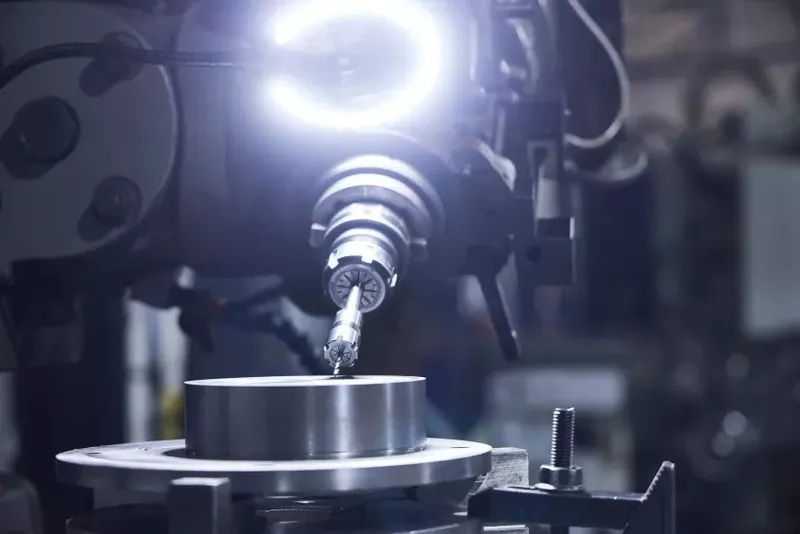
Portugal's CNC manufacturers serve industries such as automotive, aerospace, defense, energy, electronics, and medical equipment, offering both standard and complex component production.
Yes, most firms provide end-to-end OEM solutions, from CAD design and prototyping to low- and high-volume production and custom packaging.
ISO 9001, ISO 14001, ISO 13485, and IATF 16949 are commonly held certifications. These standards guarantee traceability, consistency, and environment-friendly operation.
Yes, from micro-turning of medical parts to large-scale structural flanges, Portugal's machining industry accommodates diverse volume and size requirements.
International buyers can begin by sharing technical drawings, requesting prototype samples, and confirming certifications before moving to long-term supply contracts.
While slightly higher in base cost, Portuguese suppliers provide faster lead times, higher reliability, EU-level compliance, and easier logistics for European markets.
Portuguese CNC companies use CAD/CAM integration, CMM inspection, and SPC analysis to ensure tolerance consistency and data transparency.


