From idea to market-ready product, our NPI solutions make every stage easier, faster. Discover How We Help

Views: 222 Author: Tomorrow Publish Time: 2026-01-10 Origin: Site
Content Menu
● Understanding CNC Turning and Its Key Benefits
● The Rise of Arab CNC Turning Manufacturing
>> Economic Diversification and Infrastructure Development
>> Rise of Specialized Clusters
● Leading CNC Turning Manufacturers and Suppliers in Key Arab Markets
>> 1. United Arab Emirates (UAE)
● Competitive Advantages of Arab CNC Turning Specialists
● Importance of OEM Collaboration
● Future Trends in CNC Turning Technologies
>> Automation and AI Integration
>> Material and Process Innovation
● Choosing the Right CNC Turning Partner
● Opportunities and Challenges
● Frequently Asked Questions (FAQs)
>> 1. What differentiates CNC Turning Services in Arab States from other regions?
>> 2. Do CNC Turning companies in Arab States provide full OEM solutions?
>> 3. How do Arab CNC suppliers ensure precision and repeatability?
>> 4. Which industries currently drive the highest demand?
>> 5. Are Arab States viable partners for long-term manufacturing outsourcing?
Across the Arab States, precision engineering is entering a dynamic new era. Over the past decade, economic diversification and industrial modernization have paved the way for advanced manufacturing technologies, particularly CNC Turning Services Manufacturers And Suppliers. Once primarily reliant on imports, the region is now nurturing a capable ecosystem of local and international suppliers that deliver high-precision components to global clients.
Precision machining contributes to national goals such as Saudi Arabia's Vision 2030, the UAE's Operation 300bn, and Oman's Vision 2040. These initiatives underscore the long-term ambition to transform the Arab States into high-value industrial economies that rival other global manufacturing centers. CNC turning—one of the most vital processes in metalworking—plays a central role in this transformation.
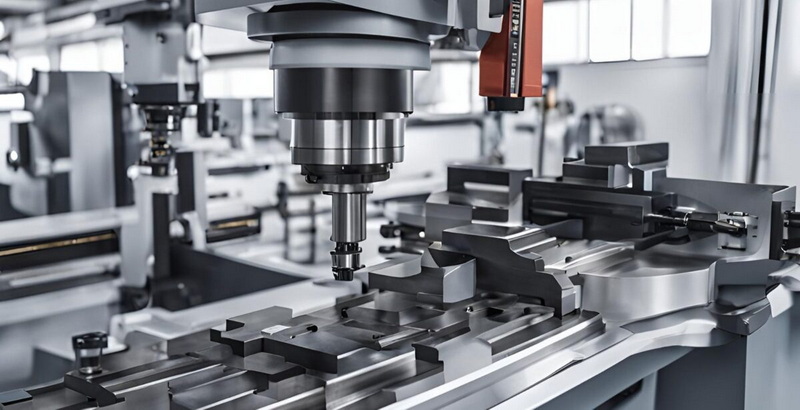
CNC (Computer Numerical Control) turning is a subtractive manufacturing process using lathe-driven tools to remove material from a rotating workpiece. The result is a component of exceptional precision and uniformity. Unlike traditional manual machining, CNC turning relies on programmed automation, ensuring exact replication across hundreds or thousands of parts.
The advantages offered by CNC Turning Services Manufacturers And Suppliers include:
- Consistent Accuracy: Advanced CNC lathes can maintain tolerances within microns, critical for aerospace and medical components.
- Material Flexibility: Stainless steel, aluminum, titanium, copper, and thermoplastics can all be machined efficiently.
- Optimization Through Software: CAD/CAM integration allows engineers to simulate and refine the machining process before physical production begins.
- Reduced Lead Time: Automation drastically shortens setup and production cycles.
- Cost Efficiency: CNC turning minimizes waste while maximizing yield, which benefits customers seeking both quality and affordability.
Leading suppliers in Arab States combine high-performance machinery with skilled engineers to produce parts that meet international standards.
During the past two decades, several Arab countries have undertaken aggressive industrial diversification. Oil revenues are being strategically invested into technology parks, manufacturing clusters, and innovation zones designed to attract international investors.
For instance:
- Saudi Arabia's Industrial Clusters Program focuses on boosting metal fabrication and defense production.
- The UAE's Dubai Industrial Strategy 2030 promotes local manufacturing of machinery, precision components, and electronics.
- Oman and Qatar have launched initiatives to empower SMEs within the precision engineering supply chain.
As a result, the region's CNC Turning Services Manufacturers And Suppliers now cater to international clients spanning Europe, Asia, and North America, often delivering parts that meet ASME, DIN, or JIS standards.
Industrial free zones such as Dubai Industrial City, King Abdullah Economic City in Saudi Arabia, and Sohar Free Zone in Oman host cutting-edge machining workshops. These clusters create synergy between material suppliers, equipment distributors, and global OEMs, drastically improving efficiency and cost control across the production cycle.
The UAE stands at the forefront of machining innovation in the Middle East. Its combination of business-friendly policies, global connectivity, and investment incentives has allowed a growing network of CNC Turning Services Manufacturers And Suppliers to flourish.
Some of the notable players include:
- Emirates Precision Engineering LLC (Abu Dhabi): Provides precision turning, milling, and surface finishing services for aerospace and defense industries. Its quality system aligns with AS9100D standards.
- Al Jawaher Precision (Dubai): Known for multi-axis CNC turning and prototyping, offering fast turnaround for custom components.
- TechMach Manufacturing (Sharjah): Specializes in medical-grade and automotive parts with integrated design and production services.
These UAE suppliers often serve as regional partners for international OEMs seeking quality machining close to end markets in Africa and South Asia.
Saudi Arabia's industrial transformation has created a fertile landscape for CNC Turning Services Manufacturers And Suppliers. The nation invests in advanced equipment, workforce training, and R&D to develop indigenous capabilities.
Key suppliers include:
- Advanced Manufacturing Company (Riyadh): Offers precision turning, milling, and grinding for oilfield, aviation, and power generation sectors.
- Saudi CNC Precision: Delivers batch and continuous production using multi-spindle lathes with robotic automation.
- Dammam Engineering Works: Serves clients in energy and heavy industries, manufacturing durable fittings and assemblies.
Saudi firms often collaborate with foreign technical partners, ensuring adherence to international tolerances and reliability benchmarks.
While relatively smaller in scale, Qatar and Oman have invested sustainably in manufacturing. Machining workshops there serve as vital suppliers of precision components for petrochemical, construction, and maritime applications.
- Qatar Precision Works: Focuses on high-performance CNC turning for steel and non-ferrous materials used in pipelines and mechanical assemblies.
- Oman Metal Industry LLC: Provides full-spectrum machining, from CAD design through to anodizing and quality assurance.
Both countries emphasize reliability, customization, and export readiness, reinforcing their reputations as niche precision producers in the GCC.
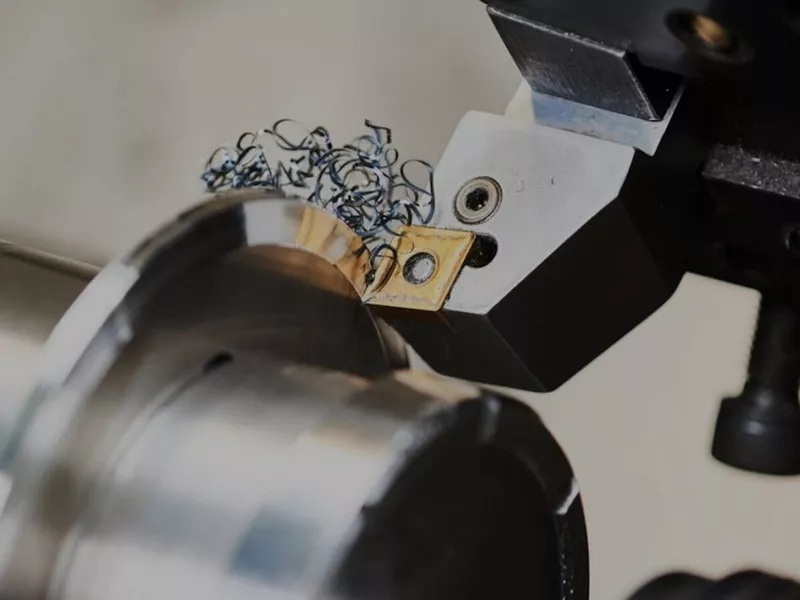
The regional rise of Arab CNC Turning Services Manufacturers And Suppliers is not accidental; it stems from unique geographic, economic, and technological strengths.
- Strategic Location: The Arab States occupy a central position between global trade routes linking Europe, Africa, and Asia.
- Modern Infrastructure: Smart factories and industrial parks feature cutting-edge CNC machines, tool management systems, and metrology labs.
- Business-Friendly Environment: Free trade zones, duty-free imports, and logistic hubs facilitate easy cooperation with international clients.
- Technical Talent: Continuous vocational programs and partnerships with global training institutes improve local machining proficiency.
- Cost Advantage: Operational economies often enable competitive pricing compared to suppliers in Western markets.
Together, these advantages make Arab suppliers highly appealing for businesses looking to optimize quality and value simultaneously.
For global original equipment manufacturers (OEMs), finding the right CNC partner is critical to maintaining consistent quality and supply reliability. The strongest CNC Turning Services Manufacturers And Suppliers in Arab States provide more than just machining—they offer end-to-end OEM collaboration that covers:
- Design Support: Engineers assist with DFM (Design for Manufacturability) analysis, preventing costly revisions.
- Rapid Prototyping: Advanced CAD/CAM systems accelerate concept validation before large-scale production.
- Flexible Manufacturing: From single-unit prototypes to mass-production orders, scalability ensures long-term partnerships.
- Integrated Supply Chain: Many suppliers manage heat treatment, coating, and packaging under one roof.
OEMs gain a simplified sourcing process and improved cost transparency, both vital for international project management.
The diverse customer base of Arab CNC Turning Services Manufacturers And Suppliers includes:
- Aerospace and Aviation: Ultra-tight tolerance machining for turbine housing, actuator shafts, and landing gear parts.
- Oil and Gas: Precision valves, threaded casings, and flange components able to endure high pressures and corrosive environments.
- Medical Devices: Titanium and stainless-steel implants, surgical instruments, and diagnostic equipment housings.
- Automotive: Engine fittings, axle components, and transmission shafts requiring durability and dimensional stability.
- Electronics and Renewable Energy: Connectors, housings, and precision mounts for electrical and solar devices.
By covering such diverse sectors, regional suppliers demonstrate their adaptability to evolving market demands.
Automation is reshaping workshops across the Gulf region. More CNC Turning Services Manufacturers And Suppliers have begun integrating robotic arms and automated tool changers into their processes. AI and data analytics enhance performance by predicting maintenance schedules and flagging tool wear before failure occurs.
Industry 4.0 technologies, including digital twins and IoT sensors, are being employed to monitor operations in real time. This data-driven precision ensures uniform output and reduces waste across production lines.
Sustainability is rapidly becoming a standard expectation. Many CNC facilities are adopting environmentally conscious measures such as coolant recycling, closed-loop waste systems, and energy-efficient drives. Green machining initiatives help align Arab industries with global environmental standards.
Suppliers are increasingly investing in tools and systems that support next-generation alloys, composite polymers, and hybrid materials. These materials elevate performance while reducing weight—a crucial factor for aerospace and automotive sectors.
When selecting from among the many CNC Turning Services Manufacturers And Suppliers in the Arab States, buyers should evaluate several key criteria:
1. Technical Capacity: Look for facilities equipped with 3- to 9-axis CNC lathes and compatible machining software.
2. Quality and Certification: Confirm ISO, AS9100, or IATF certifications to ensure international compliance.
3. Experience in OEM Projects: Reliable suppliers should provide samples, case studies, and references.
4. Production Flexibility: Choose partners capable of handling both small-batch prototypes and high-volume runs.
5. Communication and Customer Service: Language clarity and real-time updates are essential for seamless global collaboration.
6. After-Sales Support: A supplier offering maintenance, revision, and logistics solutions becomes a long-term ally.
Through careful evaluation, international buyers can find a partner whose technical proficiency and reliability align with business goals.
The rise of CNC Turning Services Manufacturers And Suppliers in the Arab States is not without challenges. Workforce development remains a strategic priority. While automation reduces manual labor, high-level programming and maintenance skills are in constant demand. Supply chains must also adapt to occasional dependence on imported tools and components.
Yet these issues are being addressed through cross-border partnerships, vocational education, and domestic tool-making initiatives. Governments are actively nurturing industrial ecosystems where knowledge sharing and R&D thrive.
Looking ahead, digitalization and sustainability will define the competitive landscape. Arab suppliers that leverage these technologies will not only elevate internal efficiency but also position themselves as premium global manufacturing destinations.
The expansion of CNC Turning Services Manufacturers And Suppliers in the Arab States marks a significant step in the region's industrial evolution. From Dubai's advanced machining parks to Saudi Arabia's high-tech industrial clusters, these nations are establishing themselves as credible leaders in precision manufacturing. Enhanced by automation, infrastructure investment, and a growing base of skilled professionals, the Arab CNC machining sector is primed for long-term global competitiveness.
For international OEMs, sourcing from the Arab region delivers clear advantages—precision, scalability, logistical agility, and cost efficiency. As technology continues to evolve, so too will the quality and range of CNC turning capabilities emerging from these countries. The Arab States are no longer simply buyers of industrial goods; they are rapidly becoming global suppliers of excellence.
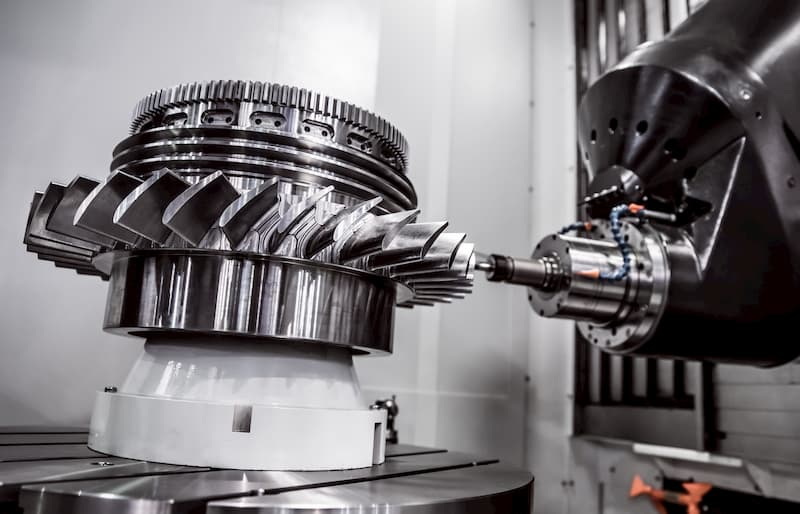
Arab suppliers offer strategic trade location, modern infrastructure, and competitive pricing while maintaining international quality standards.
Yes. Many offer turnkey services covering design, manufacturing, finishing, and quality inspection tailored to global clients.
Using automated CNC lathes, multi-axis systems, in-process measurement tools, and strict quality audits to guarantee consistent output.
Aerospace, oil and gas, automotive, defense, and medical device manufacturing dominate the demand for precision turning solutions.
Absolutely. With ongoing investment in technology and workforce training, these suppliers are building durable partnerships worldwide.


