From idea to market-ready product, our NPI solutions make every stage easier, faster. Discover How We Help

Views: 222 Author: Tomorrow Publish Time: 2025-12-26 Origin: Site


Content Menu
● The Evolution of CNC Milling in Thailand
● Understanding CNC Milling and Its Global Importance
● Key Drivers of Thailand's CNC Machining Success
>> 2. Competitive Manufacturing Environment
>> 3. Consistent Quality and Certifications
>> 4. Foreign Investment and Partnerships
● Leading CNC Milling Services Manufacturers And Suppliers in Thailand
>> 1. Thai Precision Engineering Co., Ltd.
>> 3. Asian Tool & Die Co., Ltd.
>> 5. Bangkok Engineering Works
● Technological Advancements in Thailand's Milling Industry
● Thailand's Competitive Edge in the Global Supply Chain
● OEM and ODM Services: Thailand's Global Approach
● The Growing Role of Industry 4.0
● Future Outlook: Opportunities and Challenges
● How to Choose the Right Milling Partner in Thailand
● FAQs
>> 1. Why are Thailand's CNC Milling Services gaining global attention?
>> 2. Which industries benefit most from Thai Milling Services?
>> 3. What materials can Thai Milling Services Manufacturers And Suppliers handle?
>> 4. How do Thai suppliers ensure quality and accuracy?
>> 5. Can foreign clients establish long-term OEM partnerships with Thai companies?
In the fast-evolving world of manufacturing, Thailand has emerged as one of Asia's top destinations for Milling Services Manufacturers And Suppliers. Known for its precision, flexibility, and cost efficiency, the country is now home to some of the most advanced CNC machining operations in the region. From automotive and aerospace to electronics and medical components, Thai manufacturers have earned global recognition for their ability to deliver high-quality parts with speed and accuracy.
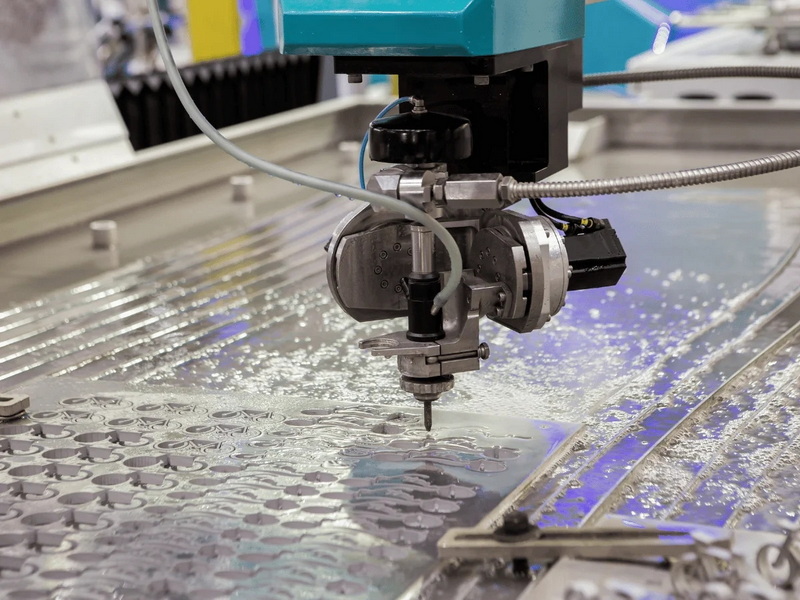
Thailand's manufacturing transformation began decades ago with simple manual operations. However, in the last fifteen years, a massive wave of digital innovation and industrial investment has reshaped the country's position in the global supply chain. Today, Milling Services Manufacturers And Suppliers in Thailand operate under advanced automation systems, integrating 3-, 4-, and 5-axis CNC machining centers that produce complex and high-precision parts.
A combination of government initiatives, international collaboration, and domestic innovation has driven this transformation. The Thai government's “Thailand 4.0” initiative, focused on technological innovation and value-based industries, has further encouraged private sectors to adopt intelligent manufacturing, robotics, and smart CNC solutions.
With these developments, Thailand is no longer competing solely on low-cost production; it's now competing on precision, technology, and reliability.
CNC (Computer Numerical Control) milling is a subtractive manufacturing process that removes material from a block (or workpiece) to achieve a desired shape. The process can involve metals such as aluminum, steel, titanium, and brass, or non-metal materials like plastics and composites. Precision control, automation, and repeatability make CNC milling indispensable in industries demanding perfect accuracy.
Milling Services Manufacturers And Suppliers ensure:
- Excellent dimensional accuracy for complex parts.
- Streamlined production with reduced errors.
- Lower costs through efficient automation and tooling.
- Fast iteration from design to prototype to mass production.
CNC milling also plays an essential role in lean manufacturing, where waste reduction, material utilization, and process optimization define competitiveness. In this high-precision landscape, Thailand stands out for offering both quality and affordability.
Several factors have fueled the success of Thailand's CNC and milling service industry:
Thailand's education system and vocational programs increasingly emphasize technical training. Universities and technical schools collaborate with global companies to produce a new generation of skilled engineers and machinists capable of operating advanced CNC systems. This has strengthened the abilities of Milling Services Manufacturers And Suppliers to handle sophisticated projects.
Due to its strategic ASEAN location, Thailand offers logistics advantages for trade routes connecting China, India, and Europe. Its well-developed infrastructure — including deep-sea ports, highways, and industrial zones — supports efficient supply chain management. This makes Thai Milling suppliers a favorable alternative to higher-cost markets.
Reputable Milling Services Manufacturers And Suppliers in Thailand maintain global certifications such as ISO 9001, ISO 13485 (for medical devices), and AS9100 for aerospace manufacturing. These credentials ensure consistent quality that meets international benchmarks.
Thailand welcomes international partnerships. Numerous joint ventures between Thai companies and foreign firms have introduced cutting-edge equipment, new materials, and systematic quality improvements. These collaborations have expanded the export capabilities of local Milling suppliers.

Many Thai CNC manufacturers and suppliers stand out for their innovation and global collaborations. Below is an overview of several top performers:
This firm delivers OEM and ODM machining services across aerospace, electronics, and defense industries. With their 5-axis CNC centers, CNC turning, and surface finishing departments, they can meet tight tolerances for high-end products. Their reputation for consistent quality and timely delivery makes them a preferred partner for global clients.
SMW has become a major player among Milling Services Manufacturers And Suppliers by emphasizing large-volume production and precision tooling. Their integration of CAD/CAM software with real-time production control enables complex geometries that meet international standards.
Recognized for toolmaking and die-casting support, this company combines design expertise with precision machining to serve the automotive and consumer electronics sectors. Their comprehensive approach reduces production timelines and improves overall part consistency.
Perfect CNC Solutions is known for flexible OEM services spanning aluminum, stainless steel, and polymer machining. It focuses on small-batch customization, emphasizing customer collaboration throughout the design and manufacturing process.
Bangkok Engineering Works has maintained its position as a trusted partner for multiple leading global brands. Their large facility houses hundreds of CNC milling and turning machines. The company's commitment to continuous improvement, backed by ISO-certified quality control, ensures international competitiveness.
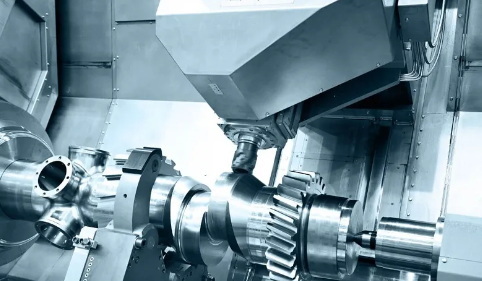
One defining feature of Milling Services Manufacturers And Suppliers in Thailand is their rapid adoption of modern technology. Key innovations include:
- Automation and Robotics: Many workshops now use robotic arms and automated pallet changers to boost productivity.
- AI and IoT Integration: Smart monitoring systems predict equipment maintenance and optimize resource usage.
- 5-Axis Machining: Enables complex part geometries for aerospace, motorsport, and electronics industries.
- CNC Simulation Software: Prevents tool collisions and minimizes setup times during production changes.
- Additive and Hybrid Manufacturing: Combining 3D printing with traditional milling allows enhanced design flexibility.
These technological advancements not only improve precision but also minimize lead times and material costs for international customers.
Compared to China, Japan, and South Korea, Thailand offers a balanced combination of quality, flexibility, and price. While China dominates in scale and cost efficiency, Thai CNC providers excel in customer service, responsiveness, and tailor-made engineering support.
Moreover, Thailand's political stability, trade agreements with multiple countries, and proximity to shipping routes across Asia-Pacific further enhance its attractiveness. For Western businesses seeking diversification away from China-centric production, partnering with Milling Services Manufacturers And Suppliers in Thailand presents a strategic and sustainable alternative.
Most CNC Milling companies in Thailand offer both OEM (Original Equipment Manufacturing) and ODM (Original Design Manufacturing) services. Through OEM projects, Thai manufacturers produce parts and components according to client specifications, while in ODM arrangements, they assist in product design and optimization.
Thai Milling Services Manufacturers And Suppliers are particularly known for their collaborative engineering assistance — advising customers on material selection, cost reduction, and design feasibility. This high level of customer engagement distinguishes Thailand from larger but less flexible production markets.
As digitalization accelerates, Thailand's industrial ecosystem continues to implement Industry 4.0 technologies. This evolution includes real-time data exchange, AI-driven production monitoring, predictive maintenance, and unmanned milling cells. The integration of smart technology enhances the productivity and reliability of Milling Services Manufacturers And Suppliers across the nation.
Moreover, sustainability has become a cornerstone of this transformation. Many Thai companies implement green manufacturing principles — reducing energy consumption, recycling metal scraps, and optimizing coolant usage. This environmentally responsible approach has become increasingly important to global buyers concerned with ESG (Environmental, Social, and Governance) standards.
Thailand's CNC sector faces challenges that mirror those of the global market — rising raw material costs, shortages of specialized machinists, and ongoing digitalization expenses. However, the country's focus on innovation and workforce development ensures steady progress.
Opportunities lie in the expansion of electric vehicle (EV) production, renewable energy equipment, and high-precision components for AI and robotics systems. These emerging sectors demand exacting machining standards — areas where Thailand already holds proven expertise.
As industrial automation continues, Milling Services Manufacturers And Suppliers in Thailand are likely to expand their roles from OEM contractors to full solution providers offering integrated design, prototype, and assembly services.
Selecting the right supplier is critical for any company outsourcing milling work. Here are several practical tips:
1. Assess Technical Equipment: Modern workshops should feature multi-axis CNC centers, precision inspection tools, and digital ERP systems.
2. Verify Certifications: Ensure that the supplier meets ISO and industry-specific quality standards.
3. Evaluate Engineering Support: Prefer manufacturers who offer assistance in design refinement and process optimization.
4. Check Communication Skills: Clear communication and accountability are vital for cross-border collaboration.
5. Review Past Projects: Customer references and case studies can reveal capability and reliability.
Partnering with reliable Thai Milling Services Manufacturers And Suppliers not only reduces production risks but also enhances flexibility for global operations.
Thailand's manufacturing industry has evolved into a global hub for Milling Services Manufacturers And Suppliers. Backed by skilled labor, advanced CNC technology, and strong export infrastructure, Thai suppliers are uniquely equipped to serve industries that demand high precision and reliability.
Their blend of affordability, technical expertise, and quality assurance positions Thailand as an indispensable ally for businesses seeking smart, sustainable, and future-ready machining solutions. As global supply chains diversify, Thailand's CNC milling ecosystem is poised to remain a cornerstone of modern industrial production.
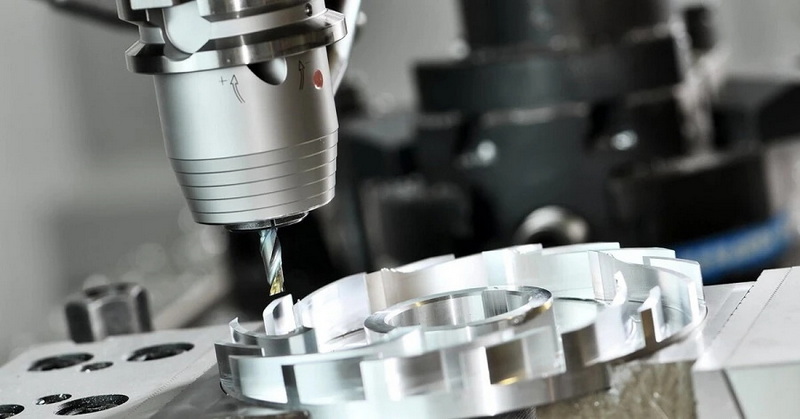
Thailand offers a perfect combination of technological advancement, skilled labor, and cost efficiency. Its suppliers maintain global certifications, ensuring reliable quality and fast delivery.
Automotive, aerospace, energy, robotics, and electronics industries rely heavily on Thai milling providers for precision components.
They work with metals such as stainless steel, titanium, and aluminum, as well as engineering plastics and composite materials.
Suppliers use CMM machines, advanced metrology inspection, and real-time monitoring systems to guarantee precision and consistency in every part.
Yes. Most Thai Milling suppliers actively pursue international OEM and ODM collaborations, providing full design-to-delivery services for overseas customers.


