From idea to market-ready product, our NPI solutions make every stage easier, faster. Discover How We Help

Views: 222 Author: Tomorrow Publish Time: 2025-11-26 Origin: Site
Content Menu
● Overview of Indonesia's CNC Machining Industry
● Why Choose Indonesian CNC Machining Service Manufacturers And Suppliers
● Top CNC Machining Service Manufacturers And Suppliers in Indonesia
>> 3. PT. Dharma Precision Parts
>> 4. PT. Mitra Karya Engineering
>> 5. PT. Prima Manunggal Karsa (PMK)
>> 6. PT. Global Precision Tooling
>> 8. PT. Karya Perkasa Machindo (KPM)
● Core Capabilities of Indonesian CNC Machining Companies
● International Quality Standards and Certification
● Infrastructure and Supply Chain Advantages
● Why Global OEMs Partner with Indonesian CNC Manufacturers
● Comparison: Indonesia vs. Other Asian CNC Hubs
● Challenges and Areas of Improvement
● The Role of Industry 4.0 in Indonesian CNC Manufacturing
● Sustainable CNC Manufacturing Practices
● FAQs about CNC Machining Service Manufacturers And Suppliers in Indonesia
>> 1. What materials do Indonesian CNC manufacturers commonly use?
>> 2. How competitive is Indonesia compared to China or Thailand?
>> 3. Can Indonesian suppliers support small-batch prototypes?
>> 4. What certifications do top Indonesian CNC companies hold?
>> 5. What industries most benefit from Indonesian CNC machining services?
Indonesia has emerged as one of Southeast Asia's fastest-growing manufacturing destinations. With an expanding industrial base, skilled workforce, and government-backed modernization programs, the nation is becoming a global hub for precision engineering. Among the most prominent sectors driving this rise is CNC machining—an essential technology that enables the creation of intricate and high-accuracy components for diverse industries.
This article explores the top CNC Machining Service Manufacturers And Suppliers in Indonesia, highlighting key players, their services, industrial capabilities, and the growing appeal of Indonesia as a reliable OEM and precision-part manufacturing base.

Over the past decade, Indonesia has steadily developed a robust manufacturing ecosystem supported by improved infrastructure and foreign investment. The country's strategic location within the ASEAN region places it close to major global supply chains, serving both Asian and Western markets efficiently.
CNC, or Computer Numerical Control machining, automates machine tools through programmed commands to produce parts with unmatched precision. As demand for detailed metal and plastic components grows, Indonesian firms are rapidly upgrading to multi-axis CNC systems that allow complex geometries and short-run customization.
Major industries driving CNC machining demand in Indonesia include:
- Automotive and motorcycle manufacturing
- Aerospace and defense equipment
- Marine engineering and shipbuilding
- Electronics and semiconductor industries
- Industrial machinery and automation systems
- Oil, gas, and energy sectors
Increasing R&D investment and technical partnerships with Japanese, Korean, and European companies have also played critical roles in elevating Indonesian CNC precision technology standards.
Several clear advantages make Indonesia an attractive destination for precision part sourcing and OEM cooperation:
1. Competitive Cost Structure – Labor rates remain lower than in Malaysia or Singapore while offering a similar technical skill level.
2. Quality Engineering Talent – Local universities and vocational initiatives produce increasing numbers of mechanical engineers specialized in mechatronics and precision machining.
3. Availability of Raw Materials – Indonesia's domestic supply of aluminum, stainless steel, and industrial metals reduces material import dependency.
4. Government-Supported Industrial Zones – Special Economic Zones (SEZs) across Java, Batam, and Sulawesi encourage manufacturing partnerships with tax advantages and simplified export processes.
5. OEM and ODM Collaboration Experience – Many machining suppliers in Indonesia have long collaborated with global customers, offering turnkey solutions from prototyping to assembly.
With these combined elements, the nation now stands as a strategic partner for companies looking to diversify supply chains across Asia.
Based in Bekasi, PT. Presisi Metalindo is an established player in CNC turning and milling operations. The company serves the automotive and electronics sectors, using imported multi-axis CNC machines capable of holding tolerances within microns. Their ISO 9001 quality system ensures consistency across large-volume production, making them a preferred vendor for ASEAN OEMs.
PT. Citra Tekindo provides precision CNC components for oil, gas, and general industrial equipment. Known for its integrated CAD/CAM and reverse-engineering know-how, the company assists clients from initial design up to final production. Advanced inspection tools such as coordinate measuring machines (CMM) ensure all parts meet specified tolerances.
A subsidiary of Dharma Group, this company stands out among leading CNC Machining Service Manufacturers And Suppliers. Specializing in small yet complex automotive parts, Dharma Precision Parts uses automated robotic arms, in-line inspection, and lean manufacturing systems. They cater to global automotive giants seeking precision combined with sustainability.
PT. Mitra Karya Engineering is a trusted partner for prototyping and tooling solutions. Besides CNC machining, it provides mold fabrication, die casting, and rapid prototyping using 3D CAD support. Their expertise in producing aluminum and stainless-steel parts makes them a strong partner for industrial and consumer electronics projects.
Jakarta-based PMK delivers CNC milling, assembly, and finishing for clients in medical, energy, and heavy equipment industries. They emphasize equipment modernization—regularly upgrading machining centers to 5-axis models that can handle intricate component geometries with minimal setup time.
PT. Global Precision Tooling offers a one-stop CNC solution covering design validation, machining, finishing, and quality inspection. Their quick-turn prototype service has gained popularity among international buyers seeking local partners for cost-effective short runs before mass production.
PT. TechNova Precision integrates research, engineering design, and machining into one workflow. With Swiss-style lathes and precision grinders, it focuses on sectors demanding extreme accuracy, such as medical, aerospace, and instrumentation industries. The firm has a strong commitment to sustainable practices, recycling coolant fluids and minimizing scrap waste.
KPM has progressively built expertise in stainless steel and brass machining. Its CNC milling services include component assembly and threading. The company supports batch production and high-volume orders, catering primarily to hydraulic system manufacturers and marine equipment suppliers.
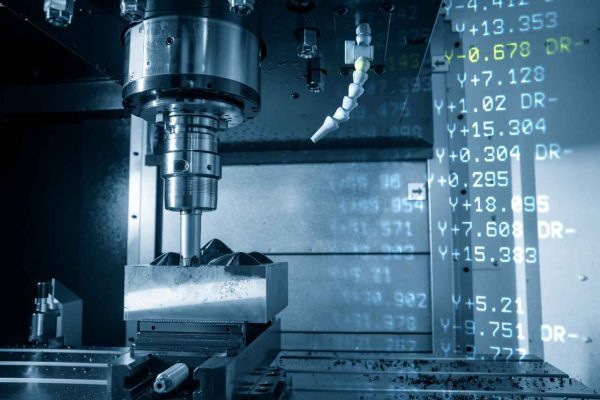
Modern Indonesian CNC machining workshops provide a wide range of technical services to accommodate global OEM demand:
- CNC Turning and Milling: Ideal for creating cylindrical and prismatic components used across mechanical assemblies.
- EDM Machining and Wire Cutting: Enables production of precise mold and die components where complex shapes are required.
- Surface Finishing: Polishing, sandblasting, anodizing, and plating enhance product durability and aesthetic quality.
- Prototype and R&D Support: Many facilities assist clients from the concept stage with prototype development and part optimization.
- Assembly and Export Packaging: Comprehensive assembly lines package and ship export-ready products directly from industrial ports.
Indonesia's leading CNC Machining Service Manufacturers And Suppliers follow global manufacturing benchmarks such as ISO 9001 for quality management and ISO 14001 for environmental control. Automotive suppliers also adhere to IATF 16949 standards to maintain compatibility with international supply chains.
To meet export expectations, companies invest in digital measuring instruments, coding systems for traceability, and automated tool management. These measures guarantee each production step aligns with accuracy and repeatability—key concerns in precision manufacturing.
Indonesia's improved logistics infrastructure further strengthens its role in global manufacturing. The nation operates multiple international hubs including:
- Tanjung Priok Port (Jakarta): Main entry and export port handling industrial goods.
- Batam Free Trade Zone: Attractive for foreign investors with duty-free access to ASEAN markets.
- Surabaya and Semarang Ports: Regional gateways for eastern and central Indonesia.
- Air freight connectivity: Supports high-value exports such as precision electronic and automotive components.
New toll road projects and rail links have reduced inland transport costs, improving turnaround times for both domestic and export operations.
For foreign companies outsourcing production, Indonesia provides both competitive economics and enhanced flexibility. Indonesian machining firms operate in close cooperation with overseas buyers by offering:
- Bilingual project teams fluent in English and capable of technical collaboration.
- Adaptable production scales, from single prototypes to large-scale orders.
- In-house design adjustment services supporting rapid engineering changes before mass production.
- Digital quoting and order tracking that provide transparency throughout the manufacturing cycle.
Beyond price advantages, clients value their ethical labor practices and increasing adoption of automation for sustainability goals.
| Aspect | Indonesia | China | Vietnam | Thailand |
|---|---|---|---|---|
| Labor Cost | Competitive, moderate | Low to moderate | Low | Moderate |
| Supply Chain Depth | Developing | Mature | Growing | Moderate |
| Export Infrastructure | Strong ports, improving logistics | Excellent | Rapidly developing | Strong |
| OEM Experience | Expanding rapidly | Very mature | Developing | Developed |
| Language Support | Good (English common in industry) | Varies | Moderate | Good |
| Energy Stability | Improving | Strong | Stable | Stable |
Indonesia's advantage lies in its balance—lower entry costs compared to Thailand and strong export readiness, unlike some newly industrialized nations still building logistics and power networks.
While opportunities abound, Indonesian CNC machining faces several challenges:
- High dependence on imported machinery and cutting tools from Japan and Germany.
- Limited local tooling production, increasing maintenance costs.
- Need for deeper integration of Industry 4.0 technologies such as IoT sensors and predictive maintenance.
- Skilled labor gaps in specialized aerospace and optical machining sectors.
However, companies are addressing these barriers through government-led industrial training, automation adoption, and partnerships with global technology providers.
Industry 4.0 transformation is crucial in enhancing competitiveness. Many Indonesian CNC Machining Service Manufacturers And Suppliers are investing in:
- Automated robotics for repetitive loading and unloading tasks.
- Cloud-linked CNC machines allowing real-time monitoring.
- AI-driven quality control systems detecting tool wear instantly.
- Additive manufacturing technologies complementing traditional machining for hybrid designs.
These innovations not only raise efficiency but also attract global customers demanding traceability and sustainability throughout production chains.
Sustainability has become an important factor for foreign buyers. Indonesian machining companies are embracing environmentally conscious processes such as:
- Coolant recycling systems to minimize waste.
- Use of non-toxic lubricants.
- Energy-efficient motor drives and LED facility lighting.
- Scrap material reprocessing for secondary industries.
This approach aligns Indonesia's CNC sector with global environmental standards while maintaining cost efficiency.
Indonesia's CNC machining industry is projected to expand significantly over the next decade, driven by continuous FDI inflows, domestic R&D capability, and regional collaborations. As global buyers seek to diversify beyond single sourcing markets, Indonesia's combination of low costs, political stability, and developing technical expertise provides a highly attractive alternative.
The government's “Making Indonesia 4.0” roadmap emphasizes precision engineering, toolmaking, and digitalization — positioning CNC machining as a critical element of sustainable manufacturing growth.
Indonesia is on a clear path to becoming one of Asia's most capable precision manufacturing centers. With strong government backing, upgrading technology, and skilled technicians, the country offers promising partnerships for international brands and OEM buyers.
Among the region's CNC Machining Service Manufacturers And Suppliers, Indonesian companies stand out for their adaptability, technical expertise, and quality consistency. Their competitive pricing, rapid development cycles, and focus on continuous improvement make them reliable long-term partners in global supply chains. For businesses seeking high-quality parts production in Southeast Asia, Indonesia represents both a practical and strategic opportunity.
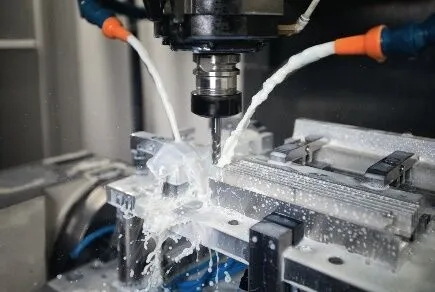
They machine aluminum, stainless steel, brass, titanium, and engineering plastics, depending on product requirements.
Indonesia offers comparable quality with lower startup costs and growing technical sophistication, making it a strong alternative for OEM partners.
Yes. Many CNC workshops accept low-volume and prototype orders supported by digital CAD/CAM and 3D verification systems.
Most have ISO 9001, ISO 14001, and IATF 16949 certifications, ensuring consistency and export readiness.
Automotive, aerospace, electronics, energy, and medical device industries benefit the most due to precision, affordability, and reliable export channels.


