From idea to market-ready product, our NPI solutions make every stage easier, faster. Discover How We Help

Views: 222 Author: Tomorrow Publish Time: 2025-12-05 Origin: Site


Content Menu
● History of Staples 3D Printing Services
● How Staples 3D Printing Works
● Materials and Technology Used
● Benefits of Using Staples for 3D Printing
● Current Availability and Locations
● Comparison with Other Providers
● Preparing Your 3D Model for Staples
● Limitations and Considerations
● FAQ
>> 1. Does Staples still provide 3D printing in 2025?
>> 2. What is the cost to 3D print at Staples?
>> 3. What materials does Staples use for 3D printing?
>> 4. How long does it take to get a 3D print from Staples?
>> 5. Can I upload my own 3D design to Staples?
Staples offers 3D printing services through its Print and Marketing Services division, utilizing advanced printers like MakerBot and partnerships with companies such as 3D Systems and Sculpteo. Customers access these services via in-store options at select locations or online platforms, submitting digital files for professional printing and delivery. This capability supports prototyping, custom models, educational tools, and small-batch production, evolving from early pilot programs in Europe and the US to broader availability.[1][3][6][11][12]
These services cater to beginners without design experience and professionals needing quick outputs, integrating seamlessly with Staples' traditional printing offerings. Availability persists into 2025 at designated stores and nationwide online, making 3D printing accessible without personal equipment investment.[3][5][11]
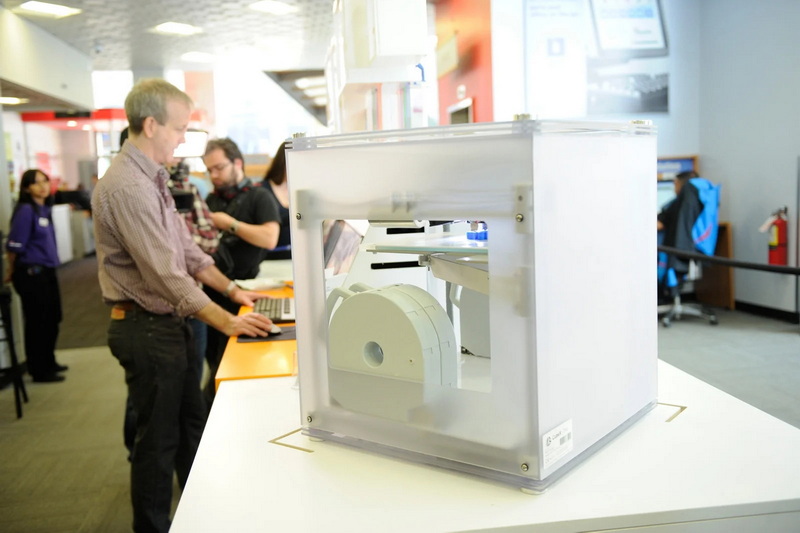
Staples entered the 3D printing market early by selling desktop printers like the 3D Systems Cube and Afinia H-Series in US and Canadian stores. In 2012, the company piloted services in Europe through Staples Easy 3D, partnering with Mcor Technologies for low-cost color paper-based printing using IRIS and Matrix 300+ printers in the Netherlands, Belgium, and Luxembourg. This initiative tested public demand, allowing uploads for store pickup or delivery within a day.[2][4][3]
By 2014, US pilots launched in New York City and Los Angeles, equipped with seven 3D Systems printers handling six materials in-store, outsourcing larger jobs. Staples hired graphic designers for on-site assistance, envisioning stores as "mini Maker Faires" for hands-on demos. Expansion reached 53 locations by 2015, focusing on Copy & Print centers.[6][7][1][2][3]
In 2015, Staples introduced an online platform powered by Sculpteo, enabling design uploads, error fixes, and previews without CAD expertise. This supported custom items like bakery toppers, broadening appeal to small businesses. Partnerships with 3D Systems ensured scalability, while in-store demos with Cube 2 printers built consumer confidence. By 2021 and beyond, services stabilized with MakerBot integration, maintaining relevance amid industry growth.[5][7][11][12][3][6]
Customers prepare digital 3D models in compatible formats like STL, uploading via Staples.com or bringing files to stores. Staff or automated tools review for printability, offering design tweaks or software access for novices. MakerBot FDM printers layer melted filament, with online previews showing costs and timelines.[11][12][13][3][5]
Users select materials and finishes, then choose pickup, shipping, or rush options. In-store processes handle small jobs immediately, while complex ones route to partners like 3D Systems or Sculpteo. Quality checks precede delivery, often within 24 hours, supported by trained associates.[13][1][2][6][11]
Costs depend on print time, volume, material, and complexity, with transparent calculators online. Common models include $0.99 per minute (minimum $4.99) plus $9.99-$19.99 per spool, or $0.15 per cubic inch (minimum $5). Early pilots priced variably by size, with no fixed minimums announced initially.[3][13]
Rush fees add $20 or 50% of base cost for 24-hour service. Post-processing like sanding, painting, or assembly incurs additional charges based on labor. Small items start at $0.99 per cubic centimeter in some stores, keeping entry affordable.[13]
| Pricing Component | Description | Cost Range artist-3d |
|---|---|---|
| Base Print Time | Per minute charge | $0.99, min $4.99 |
| Volume-Based | Per cubic inch | $0.15, min $5 |
| Materials | Per spool | $9.99-$19.99 |
| Rush Service | Expedited print | $20 or 50% total |
| Post-Processing | Finishing work | Varies by job |
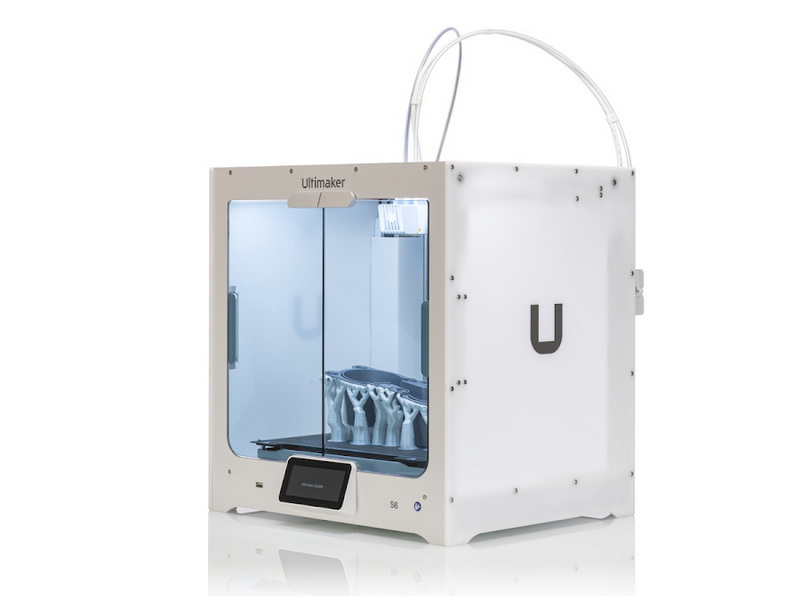
Staples primarily uses FDM technology with MakerBot printers for ABS (durable, heat-resistant) and PLA (detailed, eco-friendly) plastics. Pilot programs offered six materials via 3D Systems machines, including specialties for color or flexibility. Mcor paper technology featured in Europe for photorealistic, low-cost prints.[4][1][2][11][13]
Sculpteo partnerships expand to metals like silver and titanium online, plus full-color options. Printer beds support up to 10x10x10 inches typically, with cloud outsourcing for larger scales. Reliability focuses on user-friendly extrusion for prototypes and models.[10][2][5][6][11][13]
Staples combines 3D services with office accessibility, offering walk-ins guidance absent in online-only providers. Professional outputs suit engineers, hobbyists, and businesses without equipment costs. Fast 24-hour turnaround and hybrid fulfillment excel for urgent needs.[7][5][11][3][13]
Scalability handles small customs to prototypes, with free design help encouraging experimentation. Integration fosters innovation, like custom molds for bakeries or educational demos.[7][3][13]
- Immediate in-store access at select sites.[5]
- Expert staff for file optimization.[2]
- Nationwide shipping via online.[12]
- Cost-effective for one-offs.[13]
In 2025, services remain at select US stores, notably New York and Los Angeles for in-house printing, with online access everywhere. Over 50 locations historically supported pilots, now focused on high-traffic areas. Customers check Staples.com or call for local confirmation.[6][12][3][5][13]
Sculpteo-backed online handles volume, printing at facilities for delivery. Europe pilots informed US strategy, though current emphasis stays domestic.[1][4][12][6]
Prototyping leads for rapid iterations in engineering and product design. Custom gifts, replacement parts, and wedding toppers thrive for consumers. Educational models aid schools, while businesses produce small runs affordably.[12][3][7]
Hobbyists create anniversary items or drones without printers. Designers refine concepts via consultations.[3][13]
Staples prioritizes convenience over Shapeways' material breadth, with in-person support unmatched online.[1][3]
| Feature | Staples sigmatechnik+1 | Specialists like Shapeways 3dprintingindustry |
|---|---|---|
| Turnaround | 24 hours possible | 3-7 days |
| Assistance | In-store experts | Online only |
| Minimum Cost | $5 | Often lower |
| Materials | ABS, PLA, limited | Extensive (metals, resins) |
| Convenience | Walk-in | Shipping only |
Use Tinkercad, Fusion 360, or Blender for STL exports, ensuring walls over 1mm thick. Avoid overhangs beyond 45 degrees; add supports as needed. Scale to printer limits, slice in free tools like Cura for estimates.[11][13]
Opt PLA for details, ABS for function; high-res files reduce failures. Discuss needs with staff early. Track orders online.[11][13]
Services vary by store; FDM limits fine details versus resin competitors. Confirm availability; split large files.[11][13]
Staples eyes material expansions and more locations, leveraging partnerships for growth. Rising demand positions it strongly in additive manufacturing.[5][6][12]
Staples delivers robust 3D printing services, from historic pilots to modern online-in-store hybrids, empowering users with quality and ease. Ideal for prototypes, customs, and education, these options democratize technology without investment barriers. As a pioneer, Staples remains vital for accessible innovation in 2025.[2][7][12][1][3][5][11]
Yes, via select stores like New York and Los Angeles, plus nationwide online with MakerBot and Sculpteo.[12][5][11]
From $0.15 per cubic inch (min $5) or $0.99 per minute (min $4.99), plus materials and options.[13]
ABS, PLA via FDM; up to six types in pilots, metals online.[10][2][11]
Typically 24 hours standard; rush available.[11][13]
Yes, online or in-store, with previews and help.[12][11]
[1](https://www.tctmagazine.com/staples-launches-3d-printing-service-in-us/)
[2](https://3dprint.com/2199/staples-3d-printing-service-in-stores/)
[3](https://3dprintingindustry.com/news/staples-offer-3d-printing-services-us-25932/)
[4](https://www.zdnet.com/article/staples-to-start-offering-3d-printing-services/)
[5](https://www.staples.com/sbd/cre/marketing/3d-printer/articles/how-3d-printing-has-evolved.html)
[6](https://www.retaildive.com/news/staples-adds-3d-printing-service-to-online-offerings/406033/)
[7](https://digiday.com/marketing/staples-3d-printing/)
[8](https://www.staples.com/sbd/cre/tech-services/explore-tips-and-advice/tech-articles/what-is-3d-printing.html)
[9](https://www.reddit.com/r/3Dprinting/comments/22rw5d/staples_is_launching_an_instore_3d_printing/)
[10](https://www.youtube.com/watch?v=5ZwaattRY2I)
[11](https://www.sigmatechnik.com/3d-printing-services/the-ultimate-guide-to-using-staples-for-your-3d-printing-needs)
[12](https://3dprint.com/96380/staples-sculpteo-launched/)
[13](https://artist-3d.com/how-much-does-it-cost-to-3d-print-at-staples/)


