From idea to market-ready product, our NPI solutions make every stage easier, faster. Discover How We Help

Views: 222 Author: Tomorrow Publish Time: 2026-03-14 Origin: Site
Content Menu
● Understanding Demand for Surface Finishes in Arab States
● Key Application Sectors for Surface Finishes
● Main Types of Surface Finishing Solutions in Arab Markets
>> Common Surface Finishing Technologies
>> Performance Requirements in GCC and Wider Arab Region
● Representative Surface Finishes Manufacturers And Suppliers in Arab States
● How International OEM Buyers Should Evaluate Surface Finishes Manufacturers And Suppliers
>> Risk Management and Compliance
● Partnering With Chinese OEM Precision Parts Suppliers for Arab Markets
>> Why Combine Chinese OEM Production With Arab‑State Finishing
>> Benefits for Arab‑State Buyers
● Practical Checklist for Selecting Surface Finishes Manufacturers And Suppliers in Arab States
>> Technical and Operational Checklist
>> Commercial and Strategic Checklist
● FAQ
>> 1. Why are surface finishes so critical for projects in Arab States?
>> 2. What are the most common surface finishing methods used in the region?
>> 3. How should I choose between local finishing and importing pre‑finished parts?
>> 4. Do Arab‑based Surface Finishes Manufacturers And Suppliers follow international standards?
>> 5. How can Chinese precision OEMs collaborate effectively with Arab‑state finishers?
The Arab States have become an increasingly important hub for industrial manufacturing, infrastructure, and construction, creating strong demand for reliable Surface Finishes Manufacturers And Suppliers across multiple sectors. For international OEM buyers, especially those sourcing from China and partnering with local distributors in the Middle East and North Africa (MENA), understanding this ecosystem is critical to building a resilient and cost‑effective supply chain. [grc]

Manufacturing and industrial activity in the Arab World has grown steadily, with manufacturing value added representing a significant share of GDP in many countries. In Saudi Arabia, manufacturing value added reached about 15.57% of GDP in 2024, above the global average, reflecting the country's push for industrial diversification and value‑added production. [data.worldbank]
Industrial production in Saudi Arabia alone recorded an 8.9% year‑on‑year increase in late 2025, driven in part by stronger manufacturing output. GCC‑wide reports show that non‑hydrocarbon sectors such as manufacturing and construction are now central pillars of economic growth, particularly in the UAE, Oman, and Bahrain. [gccbusinesswatch]
Surface Finishes Manufacturers And Suppliers in Arab States serve a broad array of end‑use industries, many of which require demanding performance specifications. [josephgroup]
- Construction and infrastructure: bridges, tunnels, facades, cladding, and structural steel requiring anti‑corrosion and weather‑resistant coatings. [carboline-me]
- Oil, gas, and petrochemicals: pipelines, storage tanks, offshore platforms, and process equipment needing high chemical, temperature, and abrasion resistance. [carboline-me]
- Automotive and transportation: body panels, wheels, underbody components, rail stock, and commercial vehicles needing decorative and protective finishes. [bps.polimar]
- Architecture and interior: aluminum profiles, doors, windows, curtain walls, and decorative metal elements that rely on durable powder coatings and PVDF systems. [josephgroup]
- Industrial machinery and OEM parts: precision components, enclosures, frames, and fabricated metal assemblies that often use powder coating, wet painting, or special functional coatings. [josephgroup]
Because of this industrial mix, local and international Surface Finishes Manufacturers And Suppliers that can coordinate OEM production in Asia and final finishing or logistics in Arab States are in a strong position to win long‑term contracts. [mastek]
Surface Finishes Manufacturers And Suppliers in Arab States typically offer a portfolio covering both decorative and high‑performance systems. [carboline-me]
- Powder coating: widely used for aluminum and steel in building, automotive, and general industry, offering durable, VOC‑free finishes. [josephgroup]
- PVDF coating: premium fluoropolymer finishes popular on architectural facades and curtain walls due to long‑term UV and color stability. [josephgroup]
- Epoxy and epoxy‑polyurethane systems: used for heavy‑duty corrosion protection on steel structures, tanks, and industrial floors. [carboline-me]
- Specialized concrete and steel repair systems: fillers, grouts, and high‑build primers to correct surface defects before top coating. [carboline-me]
- Specialty polishing and finishing compounds: for high‑gloss finishing on automotive, marine, or composite substrates. [bps.polimar]
The climate and operating conditions in Arab States shape the technical requirements that Surface Finishes Manufacturers And Suppliers must meet. [grc]
- High UV exposure and temperature swings drive demand for UV‑stable resins, lightfast pigments, and high‑reflectance colors on exterior surfaces. [josephgroup]
- Coastal and offshore environments require advanced anti‑corrosion systems capable of meeting ISO 12944 C4/C5 or similar classification when used as part of full coating systems. [carboline-me]
- Dust, sand, and harsh cleaning regimes mean finishes must resist abrasion and maintain gloss or texture over long service intervals. [josephgroup]
- Industrial safety and regulatory pressure encourage the use of lower‑VOC systems, powder coatings, and environmentally friendlier chemistries. [oxichemicals]
Below is a non‑exhaustive overview of typical players and capabilities encountered when evaluating Surface Finishes Manufacturers And Suppliers in the region. [oxichemicals]
| Company / Type | Country / Region | Core Surface Finishes Capabilities | Notable Points |
|---|---|---|---|
| Joseph Industries | UAE (Dubai) | Powder coating, PVDF coating, wet coating, wood‑effect finishes for aluminum, mild steel, cast and galvanized materials | Established 1985, daily capacity around 8000 m² or 40 tons with in‑house chemical testing lab |
| Regional coating system brands (e.g., Carboline ME) | GCC‑wide | Epoxy primers, surface‑tolerant epoxies, repair coatings, and industrial protective finishes for concrete and steel | Systems designed for high‑corrosion environments; some products meet ISO 12944 C5 requirements within defined systems |
| Industrial chemical solution providers (e.g., Oxichemicals) | UAE, Middle East network | Surface treatment, waterproofing, joint fillers, and OEM manufacturing services for construction chemicals | Focus on energy‑efficient, “green” solutions and multi‑country distribution across Middle East, Africa, and Asia |
| Finishing compound specialists (e.g., Farécla via regional partners) | Sold through distributors in UAE and wider region | Surface finishing and polishing products for automotive refinish, marine, industrial and composite applications | Products emphasize labor savings, permanent high‑gloss finish, and strict quality control on raw materials |
These examples illustrate the diversity of Surface Finishes Manufacturers And Suppliers in Arab States, from job coaters and applicators to global material brands working through regional partners. Global OEM buyers can often combine Chinese precision manufacturing with Arab‑based finishing or distribution to shorten lead times for end markets. [mastek]
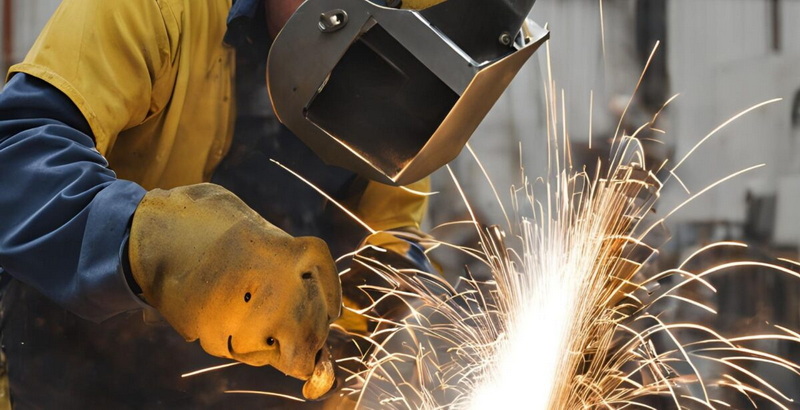
When shortlisting Surface Finishes Manufacturers And Suppliers in Arab States, OEM buyers should emphasize both technical and commercial criteria. [grc]
- Certification and standards: Look for compliance with ISO quality systems, third‑party approvals for PVDF or powder coating systems, and evidence of performance testing aligned with local building codes. [carboline-me]
- Substrate and sector experience: Verify experience with specific materials such as extruded aluminum profiles, precision‑machined parts, or structural steel, and with your target industries (building, oil and gas, transport, etc.). [josephgroup]
- Process capacity and lead time: Confirm daily or monthly throughput (e.g., m²/day, tons/day) and bottlenecks in pre‑treatment, curing, or QC labs. [josephgroup]
- Quality control and traceability: Ensure they maintain chemical testing labs, documented coating procedures, and batch traceability for coatings and pretreatments. [carboline-me]
- Supply‑chain integration: Evaluate willingness to cooperate with upstream OEMs in China or other countries and to hold buffer stock or finished goods close to end users. [oxichemicals]
Regulation and customer expectations around durability, fire safety, and sustainability affect Surface Finishes Manufacturers And Suppliers operating in Arab States. [mastek]
- Infrastructure and public projects: Government‑backed projects often require long‑term warranties and specific performance standards for coatings and finishes. [grc]
- Sustainability and green building: Construction chemicals and surface systems are increasingly evaluated against energy efficiency and health criteria promoted in regional green building initiatives. [oxichemicals]
- Occupational safety and VOC limits: Suppliers may shift from solvent‑heavy systems to powder, water‑borne, and high‑solids solutions to keep pace with evolving regulations. [mastek]
International OEMs that choose Surface Finishes Manufacturers And Suppliers aligned with these trends can reduce project risk and protect brand reputation in the Middle East and North Africa. [grc]
Many Arab‑based brands, wholesalers, and manufacturers prefer to outsource precision machining and part fabrication to Chinese OEM specialists while finalizing surface finishes closer to the project site. This "split value chain" allows for competitive cost on core metal parts, with just‑in‑time finishing and customization in the destination market. [oxichemicals]
Chinese OEM precision component producers can machine, cast, or fabricate complex parts using CNC, casting, or sheet metal processes, and then deliver pre‑treated or partially coated parts to regional Surface Finishes Manufacturers And Suppliers. Arab‑based finishers then apply project‑specific powder coating, PVDF, wet paint, or functional layers in colors and textures specified by local architects or engineering consultants. [mastek]
For brands, wholesalers, and manufacturers based in Arab States, this integrated approach with Chinese OEM partners and local Surface Finishes Manufacturers And Suppliers offers several advantages. [oxichemicals]
- Cost optimization: Bulk production of precision parts in China reduces per‑unit cost while local finishing minimizes rework and transport of rejected coated goods. [mastek]
- Flexibility: Colors, gloss levels, and textures can be adapted late in the project to meet evolving design or regulatory requirements. [carboline-me]
- Reduced lead time: Local finishing and warehousing near final customers allow fast response to urgent orders or replacement needs. [oxichemicals]
- Technical alignment: Chinese OEMs can co‑design components with coating suppliers so that material grades, welds, and joint details support optimal finish performance. [josephgroup]
For a Chinese precision parts producer positioning toward Arab markets, emphasizing close collaboration with established Surface Finishes Manufacturers And Suppliers in GCC hubs such as the UAE and Saudi Arabia helps build trust with regional buyers. [grc]
OEM and project buyers can use the following checklist when assessing regional Surface Finishes Manufacturers And Suppliers. [grc]
- Confirm capacity and line configuration: batch vs. conveyor, maximum component dimensions, curing oven capability, and handling of heavy or long parts. [josephgroup]
- Review pre‑treatment steps: degreasing, phosphating, chromate‑free conversion, or other surface preparation processes appropriate to local environment and substrate. [carboline-me]
- Inspect quality lab: availability of adhesion tests, gloss and color measurement, salt‑spray or other corrosion testing, and records from past projects. [carboline-me]
- Validate compatibility: ensure that selected coatings are compatible with your component materials and any upstream processes such as welding, machining fluids, or assembly methods. [carboline-me]
- Evaluate logistics integration: check options for bonded warehousing, project‑site deliveries, or regional distribution to multiple GCC or North African countries. [mastek]
The strategic dimension of choosing Surface Finishes Manufacturers And Suppliers is equally important. [grc]
- Geographic reach: Can the supplier serve multiple Arab States or only one domestic market? This matters for regional brands and EPC contractors. [oxichemicals]
- Partnership model: Are they open to long‑term OEM framework agreements, vendor‑managed inventory, or co‑branding with foreign manufacturers? [mastek]
- After‑sales and warranty: Do they provide clear warranty terms, on‑site inspection support, and technical assistance if failures occur? [josephgroup]
- Innovation: Are they adopting Industry 4.0 tools, digital color libraries, or automated coating lines that improve consistency and traceability? [mastek]
Aligning these factors with a reliable Chinese precision parts OEM gives Arab‑based buyers a balanced solution for quality, cost, and responsiveness. [oxichemicals]
Surface Finishes Manufacturers And Suppliers in Arab States operate in a rapidly expanding industrial landscape shaped by construction, infrastructure, petrochemicals, and diversified manufacturing. For regional brands, wholesalers, and manufacturers, the best results typically come from combining competitive OEM production of precision parts in China with high‑quality, locally executed finishing that reflects regional climate, standards, and customer expectations. By screening Surface Finishes Manufacturers And Suppliers on capacity, quality control, environmental performance, and willingness to partner across borders, buyers can secure durable finishes, optimized costs, and reliable project execution throughout the Arab world. [theglobaleconomy]
Contact us to get more information!
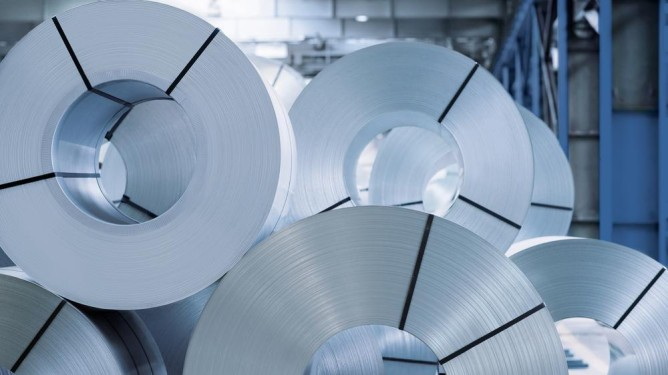
High temperatures, intense UV radiation, and coastal environments in many Arab States accelerate corrosion and color fading, making robust surface finishes essential for asset durability. Properly specified and applied finishes from experienced Surface Finishes Manufacturers And Suppliers significantly extend service life and reduce maintenance costs on buildings, infrastructure, and industrial assets. [grc]
The most common methods offered by Surface Finishes Manufacturers And Suppliers in Arab States include powder coating, PVDF coating, polyurethane and epoxy systems, and specialized surface treatment chemicals. These technologies cover a wide range of performance needs, from decorative aluminum facades to heavy‑duty protection for steel in petrochemical plants. [josephgroup]
Importing pre‑finished parts can simplify logistics but may increase risk if coatings are damaged in transit or do not meet site‑specific requirements. Combining offshore OEM production of precision components with finishing by local Surface Finishes Manufacturers And Suppliers often gives better flexibility, faster color changes, and easier warranty handling. [oxichemicals]
Many established Surface Finishes Manufacturers And Suppliers in GCC markets work with systems tested against international standards such as ISO 12944 for corrosion protection and recognized approvals for PVDF and powder coatings. Buyers should request documentation, test reports, and project references to verify that the supplier's systems match required performance classes for their applications. [carboline-me]
Chinese precision parts OEMs can collaborate with Arab‑state Surface Finishes Manufacturers And Suppliers by aligning material specifications, surface preparation requirements, and packaging to protect semi‑finished components in transit. Joint project planning, shared technical drawings, and clear division of responsibilities between fabrication and finishing ensure consistent quality and predictable lead times for regional customers. [mastek]
1. World Bank, "Manufacturing, value added (% of GDP) – Arab World." [data.worldbank]
2. TheGlobalEconomy.com, "Saudi Arabia: Value added by the manufacturing sector as percent of GDP (2024 data)." [statista]
3. Gulf Research Center, "GCC Industrial Sector Outlook," discussion of manufacturing contribution to GDP and diversification. [tradingeconomics]
4. Mastek, "Middle East Manufacturing Industry Report 2025 – Manufacturing Industry Insights Survey 2025." [data.worldbank]
5. GCCBusinessWatch, "Saudi Arabia Industrial Production Rises 8.9% in October 2025." [bloomberg]
6. Asharq Al‑Awsat, "Saudi Industrial Production Ends 2025 with Strong 8.9% Growth." [english.aawsat]
7. Joseph Industries (UAE), company website – description of powder, PVDF, wet coating and capacity (8000 m² or 40 tons per day) and quality control lab. [grc]
8. Carboline Middle East, product portfolio – epoxy, surface‑tolerant primers and protective coatings, including products meeting ISO 12944 C5 in defined systems. [theglobaleconomy]
9. Oxichemicals (Al Majara Polychem Ind. LLC), company website – construction chemicals, surface treatment, waterproofing, OEM manufacturing, and regional distribution network. [oxichemicals]
10. Polimar Partners – description of Farécla surface finishing products and quality focus (abrasive technology, high‑gloss permanent finish). [gccbusinesswatch]


