From idea to market-ready product, our NPI solutions make every stage easier, faster. Discover How We Help

Views: 222 Author: Tomorrow Publish Time: 2026-02-06 Origin: Site


Content Menu
● Understanding the Role of Coolant in CNC Machining
● Should You Wipe Coolant Off After Machining?
>> 1. Prevent Corrosion and Staining
>> 2. Maintain Machine Accuracy and Surface Flatness
>> 3. Improve Operator Safety and Working Conditions
>> 4. Prevent Chip Adhesion and Contamination
>> 5. Extend Machine Life and Durability
● How to Properly Wipe Coolant Off a CNC Milling Machine
>> Step 1: Power Down and Ensure Safety
>> Step 2: Remove Chips and Residue
>> Step 3: Use the Right Cleaning Cloth
>> Step 4: Inspect for Corrosion and Residue Buildup
>> Step 5: Reapply Protective Coating
● What Happens If You Don't Wipe the Coolant?
● Types of Coolants and Cleaning Requirements
● Best Practices for CNC Machining Maintenance
● Environmental and Safety Considerations in Coolant Disposal
● Advanced Tips to Optimize Coolant Use in CNC Machining
● The Business Value of Routine Coolant Cleaning
● FAQ About CNC Machining Coolant Maintenance
>> 1. How often should I wipe coolant off my CNC machine?
>> 2. Can I use water or soap to clean coolant residue?
>> 3. Does coolant type affect cleanup habits?
>> 4. Should I lubricate the table after wiping?
>> 5. How can I reduce coolant waste in CNC machining?
Coolant is one of the most important elements in CNC machining. It plays a key role in keeping your cutting tools cool, improving lubrication, and flushing away chips from the machining area. However, a common maintenance question often arises for operators and shop owners alike: Should I wipe coolant off my table CNC milling machine after each use?
The answer is yes, but with conditions depending on the coolant type, frequency of use, and the level of precision your operation requires. Neglecting coolant cleanup can have long-term effects on your equipment, such as surface corrosion, contamination, or even machine misalignment. Let's dive deeper into why cleaning matters, how to do it correctly, and what best practices ensure your CNC milling machine lasts longer and performs at peak accuracy.

Coolant, sometimes called cutting fluid, is used extensively in CNC machining to manage heat and friction. High-speed cutting generates significant thermal energy due to the friction between the tool and the workpiece. Without proper cooling, tool wear would accelerate, and dimensional accuracy would suffer.
Coolant is typically delivered through mist systems, flood channels, or internal coolant passages. The main purposes of coolant in CNC machining include:
- Dissipating heat to maintain tool and workpiece stability.
- Reducing tool wear by lubricating the cutting interface.
- Flushing chips and debris away from the cutting area.
- Enhancing surface finishes for more consistent part quality.
- Preventing built-up edges and tool breakage.
Over time, coolant can splash onto the machine table, vises, fixtures, and sometimes even the surrounding work area. This residue, if left unattended, can negatively impact both the machine's performance and its longevity.
You absolutely should. Wiping down coolant from your CNC milling machine table is more than just a cosmetic task — it's essential preventive maintenance. While coolants are designed to protect metal surfaces, long-term exposure, especially from water-based solutions, may lead to oxidation or bacterial growth that harms both the machine and the parts being processed.
Many water-soluble coolants contain additives to combat rust, but after repeated use, these additives degrade. When coolant residue evaporates, it can leave behind minerals and salts that attract moisture, leading to surface rust or stains. This is especially true for cast iron or steel machine tables commonly used in CNC machining setups.
Regularly wiping away coolant ensures that these corrosive residues are removed before they have a chance to damage surface coatings or affect precision alignment.
Flatness and parallelism are key in CNC machining. Even a thin layer of dried coolant residue can alter fixture alignment, causing subtle inaccuracies that accumulate during complex multi-axis milling operations. Keeping the table clean ensures each workpiece sits consistently flat and clamped correctly, preserving tight machining tolerances.
Coolant residue can make machine surfaces slippery and sticky. A wet machine table or control panel can increase the risk of accidents or part slippage during setup and removal. By thoroughly wiping down your CNC milling machine after use, you maintain a cleaner, safer, and more organized workspace that promotes productivity and reduces hazards.
Coolant mixed with metal chips often forms a sticky sludge that adheres to machine surfaces. Over time, these metal-rich deposits can scratch, embed, or contaminate precision parts. They can also lead to poor sealing of fixtures or vices. Regular cleaning ensures chips are removed promptly, keeping your CNC machining environment contamination-free.
Proper coolant cleanup is a cost-effective way to extend the life of your machine. Neglected buildup can make way into ball screws, bearings, and linear guides, causing premature wear. Wiping also helps you inspect components for leaks, cracks, or misalignments early, making it an important diagnostic habit for any serious CNC machining operation.
Before any cleaning procedure, power down the CNC machining center and ensure all moving parts are stationary. Wear appropriate gloves to protect your hands from sharp chip residues and potential chemical reactions from coolant additives.
Use a chip brush or a specialized air gun to remove loose chips and debris. Be mindful with compressed air — avoid excessive pressure that can blow coolant into sensitive machine joints or drive units.
Use lint-free, industrial-grade rags or microfiber cloths to wipe surfaces. Avoid paper towels or abrasive pads, which could scratch machine surfaces and interfere with future clamping precision.
After wiping, visually inspect the surface for oxidation, discoloration, or sticky residue. Any minor rust should be treated immediately with a mild rust remover or an approved metal cleaning solvent.
Once clean, lightly apply a thin film of rust-preventive oil on exposed metal surfaces — particularly on vises, fixture bases, or tables made of carbon steel or cast iron. This layer shields the equipment from moisture until the next machining shift.
Neglecting coolant cleanup may not cause immediate damage, but the long-term consequences can be costly. Over time, unattended coolant can:
- Cause pitting corrosion or surface cracks.
- Lead to bacterial growth and foul odors.
- Reduce machine precision due to uneven deposits.
- Degrade paint coatings and rust prevention layers.
- Contaminate future parts with oil or metallic residue.
For high-tolerance CNC machining, even minor surface imperfections can cause rejected parts, costly downtime, and labor-intensive rework. A few minutes of cleaning at the end of each day can help you avoid expensive maintenance later.
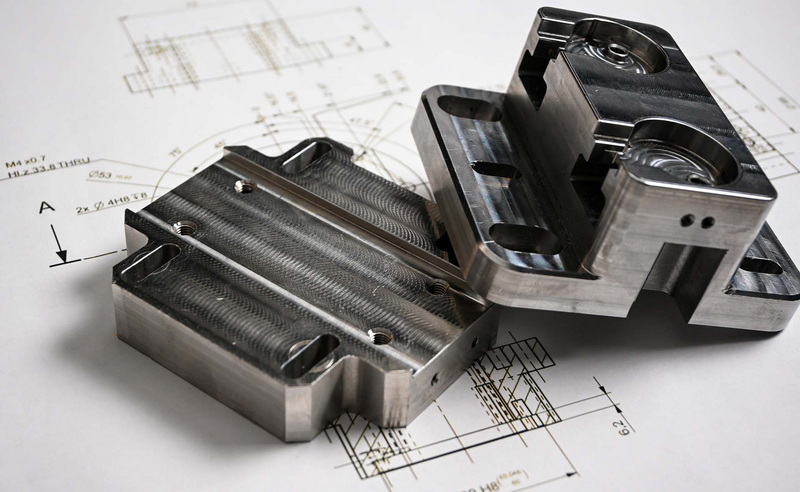
Different coolants behave differently, affecting how often they need to be wiped or changed.
- Water-soluble coolants: Most common in CNC machining. They contain emulsifiers for lubrication but are prone to rust if left to dry on metal surfaces.
- Semi-synthetic coolants: Offer a balance of oil lubrication and water cooling. They reduce bacterial growth but still need regular cleaning.
- Fully synthetic coolants: Contain no petroleum, minimizing deposits, but can cause residue buildup if the mix concentration is incorrect.
- Straight oils: Highly lubricating and corrosion-resistant, though they attract chips more easily and become sticky if not wiped.
Knowing your coolant type helps you tailor your wiping and cleaning routines to match machine protection needs.
- Wipe down tables, vises, and fixture surfaces after each operation.
- Inspect coolant nozzles for clogs and adjust their direction for uniform spray.
- Check chip conveyors or bins to ensure smooth removal of machining debris.
- Clean around machine doors and seals to avoid coolant overflow or splatter.
- Drain and replace old coolant according to manufacturer recommendations.
- Check coolant pH levels and concentration with a refractometer.
- Inspect filters and strainers for sludge or fine metallic clogs.
- Verify spindle lubrication systems are functioning correctly.
Adhering to these maintenance routines keeps your CNC machining operations stable, avoids unplanned machine downtime, and helps detect mechanical wear early.
Wiping coolant from your CNC milling machine also touches on environmental responsibility. Improper disposal of used coolant and contaminated rags can pose ecological risks and violate local waste regulations. Always handle disposal correctly:
- Collect used coolant in approved containers.
- Use absorbent materials or pads designed for industrial fluids.
- Label and store used coolant separately from new coolant.
- Partner with certified waste management providers for collection and treatment.
Modern coolant recycling systems can filter, separate, and reuse cutting fluids, significantly reducing waste and overall operating costs in CNC machining facilities.
1. Monitor Concentration Levels: Always maintain proper coolant concentration using a refractometer to ensure corrosion inhibitors are effective.
2. Control Bacterial Growth: Add biocides or use ultraviolet sterilization systems to prevent microbial contamination.
3. Avoid Cross-Contamination: Keep oil leaks from hydraulic lines or spindles from entering the coolant tank.
4. Use Mist Collectors: Install mist filters on enclosed machines to maintain air quality and prevent operator exposure.
5. Inspect Pump Lines: Replace any cracked or brittle hoses to prevent leaks that waste coolant and create safety hazards.
These proactive measures improve coolant lifespan, stabilize CNC machining performance, and keep your operation environmentally compliant.
In industrial manufacturing, unscheduled maintenance is costly. Machines sitting idle due to poor coolant management can disrupt production schedules and damage delivery reliability.
By incorporating coolant wiping into your daily post-machining routine, you gain several operational advantages:
- Minimized rust-related rework and scrapped parts
- Enhanced tool life and smoother surface finishes
- Reduced bacterial and odor problems
- Consistent clamping accuracy for complex setups
- Improved operator satisfaction and job site cleanliness
Clean machines project professionalism to customers and auditors. They also communicate that your CNC machining facility follows disciplined quality-control practices — a competitive edge in precision manufacturing.
To sum it up: Yes, you should always wipe coolant off your table CNC milling machine. Regular cleaning is not just about appearance — it directly impacts machine accuracy, longevity, and workplace safety.
Coolant plays a critical role in every CNC machining process, but like any tool, it requires proper management. A clean, well-maintained milling machine runs smoother, produces better finishes, reduces breakdowns, and minimizes costs. Building a consistent habit of wiping coolant after each job is one of the simplest yet most effective forms of preventive care for your machine and your business.
Contact us to get more information!
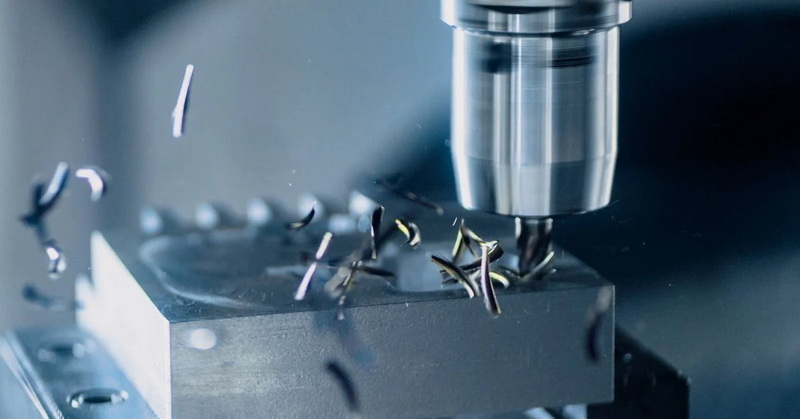
Ideally after each part run or at the end of every shift. Consistent wiping prevents coolant pooling, bacterial growth, and corrosion.
Never use plain water, as it can accelerate rust. Use lint-free cloths or mild, non-reactive cleaners approved by your coolant manufacturer.
Yes. Water-based coolants require more frequent wiping, while oil-based coolants need removal to prevent chip buildup.
Yes. After cleaning and drying, apply a light coat of machine oil or anti-rust spray to protect surfaces between shifts.
Install coolant recycling systems, maintain tank filtration, and avoid mixing coolant types. Regular maintenance keeps usage efficient and eco-friendly.
1. https://www.mmsonline.com/articles/machining-coolants-and-cutting-fluids
2. https://www.engineersedge.com/manufacturing/cutting_fluid_maintenance.htm
3. https://www.cnccookbook.com/coolant-in-cnc-machining/
4. https://www.machinemfg.com/types-of-cnc-machine-coolant/
5. https://www.haascnc.com/service/maintenance/coolant-care.html


