From idea to market-ready product, our NPI solutions make every stage easier, faster. Discover How We Help

Views: 222 Author: Tomorrow Publish Time: 2025-12-17 Origin: Site


Content Menu
● Understanding the 3D Printing Market
● Key Factors That Affect 3D Printing Costs
>> 3. Labor and Post-Processing
● Pricing Models for 3D Printing Services
>> Subscription or Retainer Models
● Including Value, Not Just Cost
● Automation and Quotation Tools
● Communicating Your Pricing Clearly
● The Importance of Profit Margin
● Continuous Review and Adjustment
● FAQ
>> 1. What is the most common pricing method for 3D printing services?
>> 2. How do I estimate material usage for a print?
>> 3. Should I charge for preparation and post-processing separately?
>> 4. How can I stay competitive without lowering prices?
>> 5. Is automation software worth the investment for small businesses?
Pricing a 3D printing prototyping service can be one of the most challenging parts of building a sustainable business in additive manufacturing. Between material costs, equipment maintenance, human labor, and client expectations, finding a model that is both competitive and profitable requires careful analysis. This guide explores key factors that influence 3D printing pricing, various cost models used by professionals, and practical strategies for setting transparent rates that attract clients while ensuring long-term success.
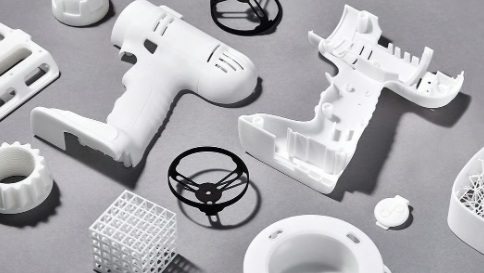
The demand for 3D printing services has expanded far beyond hobbyists and small-scale makers. Today, industries like automotive, aerospace, architecture, and consumer goods rely on rapid prototyping to validate designs before committing to large-scale production. As more companies adopt additive manufacturing, competition among service providers grows, pushing each vendor to refine not only their techniques but also their pricing strategy.
Before setting prices, research your target market. The cost expectations for industrial engineering prototypes differ greatly from those for artistic models or small mechanical parts. Understanding who your customers are, what they value most (speed, precision, or material versatility), and how they perceive value lays the foundation for an effective pricing strategy.
Pricing your 3D printing prototyping service means analyzing both direct and indirect costs. The final price you quote must reflect the true value of your time, materials, and expertise.
Material is the first—and often the most visible—component of cost. Different 3D printing technologies use different materials:
- FDM/FFF: Thermoplastics such as PLA, ABS, PETG, or nylon.
- SLA/DLP: Photopolymer resin, which tends to be more expensive.
- SLS/DMLS: Powder-based materials like nylon or metal alloys.
You should calculate material costs based on weight or volume consumed per print plus wastage. Include purge material, support structures, and failed prints in your cost baseline to avoid underpricing.
The operational time your printer spends creating the prototype is another major cost driver. Longer print durations mean greater wear on mechanical components such as motors, nozzles, and print beds. Maintenance, calibration, and replacement parts add up over time.
To account for machine depreciation, estimate your printer's total usable life in printing hours. Divide the machine's initial cost by that number to get a per-hour depreciation rate, which you can then add to your hourly printing charge.
Labor extends far beyond pressing “print.” It includes:
- Preparing digital files and slicer settings.
- Handling printer maintenance and calibration.
- Removing supports and sanding, polishing, or painting surfaces.
- Conducting quality control checks before delivery.
Even with automation, human involvement is crucial, especially for prototyping that requires fine finishing or mechanical testing. Many businesses underestimate labor time, so it's advisable to track actual hours and apply a consistent hourly rate.
Energy costs vary by machine type, but printers that operate for many hours can accumulate substantial electricity consumption. Estimating kilowatt usage per print and applying your local energy rate ensures this expense is reflected accurately.
These include rent, software licenses, internet, insurance, taxes, and packaging or shipping materials. Overheads may not directly contribute to a specific print but are essential to sustain business operations. Allocating a percentage of total operating expenses to each order helps recover these hidden costs.
Several models are commonly used in the industry. The ideal one for you depends on your business size, equipment range, and target clientele.
This method bases price primarily on the number of machine hours and labor hours per print. For example:
(Machine Hourly Rate + Labor Hourly Rate) * Total Hours + Material Cost = Final Price
The advantage is transparency—clients can understand exactly where the cost comes from. However, it may penalize efficiency; faster machines might appear overpriced if rates remain fixed.
Volume-based pricing calculates the cost per cubic centimeter or cubic inch of printed material. It's simple and effective for automated quoting systems. However, it may not reflect complexity or post-processing time, which can lead to undercharging for intricate parts.
Charging a flat rate per part works for small, standardized items like prototypes, miniatures, or replacement components. The risk lies in not accounting for variations in printing time or failures, so it's best for repeatable jobs with predictable results.
Businesses can incentivize larger orders by offering tiered discounts. For instance:
- 1–5 parts: full rate.
- 6–20 parts: 10% discount.
- 21+ parts: 20% discount.
Tiered pricing rewards bulk clients while maintaining fair margins across order sizes.
Some companies establish ongoing contracts for product design and prototyping support. Clients pay a monthly or quarterly fee covering a defined quota of prints or engineering hours. This approach stabilizes cash flow and promotes client loyalty.
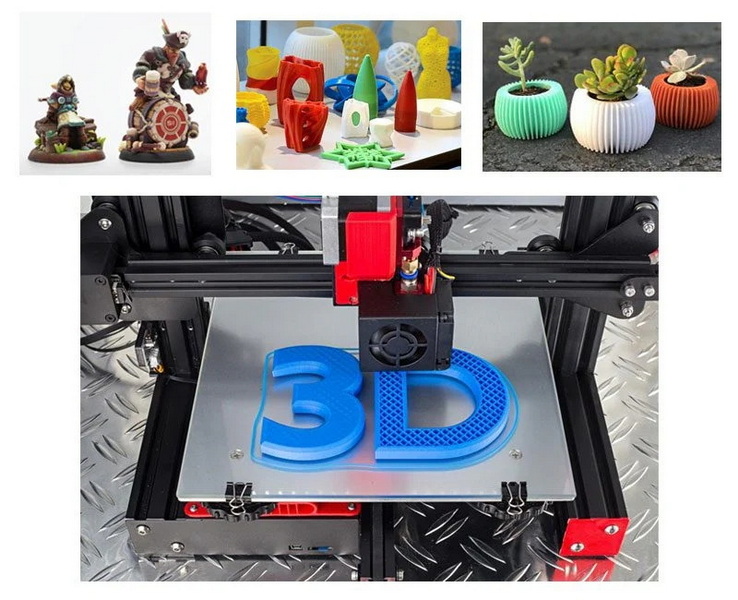
Cost covers your expenses; value reflects the benefit your client receives. Prototyping services that provide design consultation, rapid turnaround, or industry-specific expertise can justify premium pricing.
Ask yourself:
- Are you providing a faster lead time than competitors?
- Does your equipment enable higher resolution or larger build volumes?
- Do you help clients optimize designs for manufacturability?
By marketing your expertise and outcomes, you shift focus from price-sensitive comparisons to value-driven partnerships.
Manually calculating every detail can be time-consuming, especially for frequent inquiries. Investing in cloud-based quoting tools or developing in-house pricing software can streamline this process. Automated systems can:
- Analyze STL files for volume and geometry.
- Estimate material usage and print time.
- Generate instant quotes with adjustable markup rates.
Such tools improve accuracy, reduce administrative workload, and enhance customer experience.
To stay competitive, regularly benchmark your prices against industry averages. Online 3D printing platforms often display pricing ranges publicly; use those as reference points. Keep in mind geographic differences—pricing in major tech hubs often exceeds that in smaller regions due to higher operating costs.
However, avoid undercutting too aggressively. Competing solely on price can lead to unsustainable profit margins. Instead, focus on reliability, speed, and customization as differentiators.
Transparency builds trust. Provide potential clients with quotes that itemize materials, machine time, and post-processing steps. Explain optional services like design review or expedited delivery. A clear breakdown helps customers understand the reasoning behind your rates, reducing pushback or negotiation friction.
Offering multiple quote tiers—such as “basic,” “standard,” and “premium”—can also help clients pick an option that fits their budget while feeling in control of their spending.
Even if your direct costs are known, setting an appropriate profit margin ensures your business can grow, invest in better equipment, and weather slow periods. Common practice includes markup rates between 30% and 60%, depending on market demand and specialization.
For high-complexity prototypes with limited competition, a margin closer to 60% is reasonable. For large-volume or commodity-style prints, lower margins can achieve higher turnover.
Technology evolves quickly, and so do market expectations. Revisit your pricing structure regularly to adjust for:
- Fluctuations in material and energy costs.
- Equipment depreciation.
- Shifts in labor rates or inflation.
- Competitive landscape changes.
Tracking each completed project's profitability over time helps identify patterns and improve quoting accuracy.
Pricing a 3D printing prototyping service requires blending data-driven calculation with business intuition. Success lies not only in covering costs but also in communicating value, ensuring transparency, and maintaining profitability. Each job should reflect the true expenses of production and the expertise behind every prototype. By applying structured pricing models, benchmarking competitors, and utilizing automation tools, you can build a pricing strategy that attracts clients, sustains operations, and positions your service as both professional and trustworthy in an ever-growing industry.

The most common approach combines hourly rate and material cost. Many professionals calculate total print time, add setup and labor hours, then include material consumption and a profit margin to determine final prices.
You can use slicing software to calculate filament or resin consumption based on the 3D model. Always include extra allowance for test prints, failed attempts, or support removal to avoid undercharging.
Yes. Design preparation, support removal, and surface finishing require time and skill. Breaking them out in your quote helps clients understand the work involved and protects your margins.
Differentiate through speed, quality, and expertise. Offer design feedback, consistent results, and faster delivery instead of competing on cost alone. Building strong client relationships sustains long-term business.
Yes, if you handle frequent quote requests or multiple print types. Automated quoting tools save time, improve accuracy, and enhance client response speed, which can quickly offset their initial cost.


