From idea to market-ready product, our NPI solutions make every stage easier, faster. Discover How We Help

Views: 222 Author: Tomorrow Publish Time: 2025-12-29 Origin: Site


Content Menu
● Understanding the Cost of 3D Printing
>> 3. Model Complexity and Volume
>> 4. Post-Processing Requirements
● Comparing the Most Affordable 3D Printing Services
>> 1. Creality Cloud – Affordable and Beginner Friendly
>> 2. Shapeways – Professional Precision with Flexible Pricing
>> 3. Treatstock – Global Price Comparison with Local Makers
>> 4. Sculpteo – Smart Optimization for Batch Orders
>> 5. Craftcloud – Real-Time Price Comparison Engine
>> 6. Hubs – Efficient for Professional Projects
● How to Reduce 3D Printing Costs
● Real-World Price Comparison Example
● The Role of Design Optimization
● Broader Benefits of Low-Cost 3D Printing
● Environmental and Ethical Factors
● How Technology Is Driving Prices Down
● Future of Economical 3D Printing
● FAQ
>> 1. How can I find the best 3D printing price online?
>> 2. What material offers the best value for money?
>> 3. Is it cheaper to own a 3D printer or use an online service?
>> 4. How do scaling and orientation impact cost?
>> 5. Are there hidden costs in 3D printing quotes?
3D printing has revolutionized product design, rapid prototyping, and personal manufacturing. Once limited to tech labs and industrial research, it is now accessible to anyone with a digital model and an internet connection. As demand grows, a common question emerges: What is the cheapest 3D printing service?
With so many online platforms offering customized prints, comparing prices can be overwhelming. This comprehensive guide explains what drives cost differences, how to find affordable providers, and what to consider before ordering your next print.
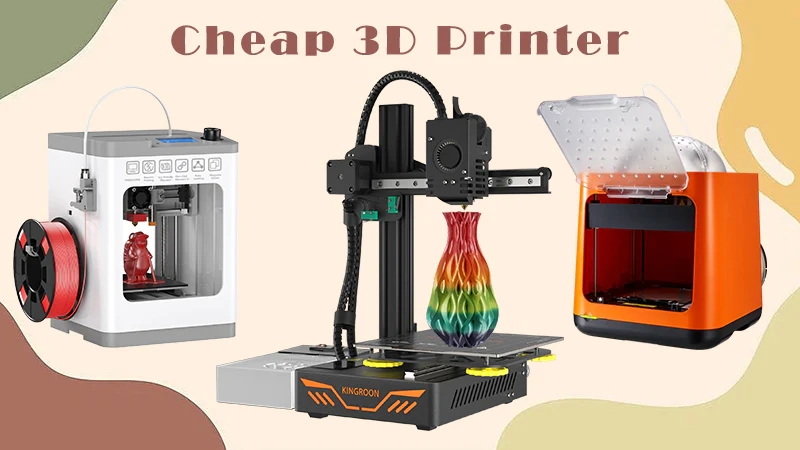
To evaluate which service is truly “cheap,” you must first understand the factors shaping 3D printing pricing. Costs are influenced by a range of technical and operational elements—from the printing method and material to the level of detail required and post-processing needs.
Material selection plays the largest role in overall expense. Standard materials like PLA (Polylactic Acid) and ABS are economical, while high-performance materials such as nylon, carbon-fiber composites, and metals significantly raise prices.
- PLA: Low cost, biodegradable, and easy to use. Ideal for prototypes and decorative models.
- ABS: More durable than PLA, suitable for functional parts. Slightly more expensive due to higher print temperatures.
- Resin: Used in SLA printers for excellent detail. More expensive and requires post-processing.
- Nylon (PA12): Strong and flexible for mechanical parts, common in SLS printing but with higher costs.
Each printing technology encompasses different costs for operation and maintenance:
- FDM (Fused Deposition Modeling): Cheapest and most common technology. It extrudes filament through a nozzle, layer by layer.
- SLA (Stereolithography): Uses lasers to cure resin for high precision. Slightly pricier due to resin cost and cleaning time.
- SLS (Selective Laser Sintering): Uses lasers to fuse powdered material. Produces durable parts, ideal for engineering applications but requires advanced equipment.
- DMLS (Direct Metal Laser Sintering): Specialized metal printing for aerospace, medical, or tooling industries, far more expensive than other options.
Complex designs with small details often demand slower print speeds or finer resolution, raising labor and time costs. Similarly, larger volumes consume more material. If possible, hollow out interior sections or reduce infill density to decrease pricing.
Sanding, polishing, coloring, and coating can add both labor time and materials. For purely functional parts or prototypes, choose basic surface finishes to maintain low costs. Many online services let you disable finishing options during checkout.
Shipping remains a hidden cost factor. Services offering local fabrication hubs, such as Treatstock or Craftcloud partners, significantly reduce delivery time and fees while supporting greener logistics.
Dozens of platforms provide print-on-demand services, but a few stand out for affordability, reliability, and ease of use. Each platform has distinct strengths that make it better suited for particular users or projects.
Creality Cloud serves as both a design-sharing hub and print-order service connected to Creality's global community. Users can upload STL files, choose preferred materials, and order directly through the platform. For hobbyists or students, Creality Cloud offers one of the lowest PLA pricing rates, and occasional promotions make it even budget-friendlier. Integration with Creality's ecosystem allows seamless transitions from personal at-home printing to outsourced large-scale production.
Shapeways stands among the pioneer online 3D printing services. Based in New York and operating globally, it supports a vast material range—from versatile plastics to metals. By choosing “Versatile Plastic” and simplified finishes, users can obtain low-cost yet durable prints. Shapeways' automatic quoting system shows how scaling, rotating, or hollowing your model directly adjusts price in real time, an invaluable feature for cost-conscious creators.
Treatstock connects customers to local print farms, freelancers, and industrial manufacturers worldwide. Once you upload your model, you receive competing quotes instantly. Because each provider operates independently, pricing varies—allowing savvy users to pick the cheapest among hundreds of offers. Treatstock's interface includes customer ratings and production times, helping ensure price does not compromise reliability or print quality.
Headquartered in France, Sculpteo emphasizes efficiency and industrial-grade quality. It's ideal for small business owners or design studios seeking professional output at moderate cost. Sculpteo uses automated nesting algorithms to minimize wasted material on each print batch. When ordering multiples, this optimization can drop cost per unit by over 20%. They also offer volume discounts and student pricing on selected materials.
Craftcloud, a service from All3DP, compares prices among dozens of global 3D printing vendors. It is not a manufacturer itself but a powerful aggregator. You upload your design, choose a material and finish, and the system lists available providers sorted by cost, location, and delivery speed. This saves time and ensures you always get the lowest available rate. It's particularly useful for first-time users confused by different quoting systems.
Hubs (formerly 3D Hubs) targets professionals needing consistent, high-quality output. While not always the absolute cheapest for single prints, its automated pricing for engineering materials like nylon and resin remains competitive. Bulk discounts and business accounts help reduce long-term costs.
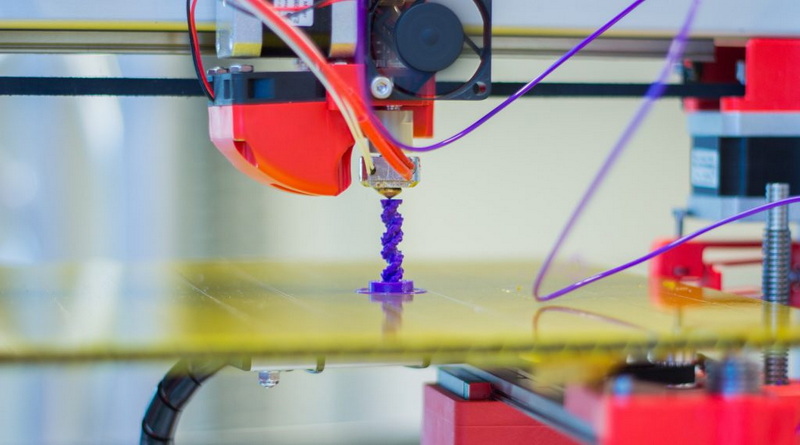
Even with affordable providers, strategic preparation minimizes costs significantly.
- Simplify your model design. Avoid unnecessary geometry, internal supports, or extreme detailing that increases print time.
- Select appropriate infill levels. A 15–25% infill works for most prototypes; only mechanical parts need higher density.
- Check orientation. Proper orientation reduces supports and prevents warping, thus cutting both material waste and finishing time.
- Print in batches. Group multiple parts into one print job to share setup costs and streamline post-processing.
- Choose local pickups. Many regional hubs offer “no shipping” options for nearby customers.
If your part is experimental or lightweight, even switching from resin to PLA can halve total expenses without losing functionality for most non-load-bearing items.
Let's consider printing a simple smartphone stand (about 60g of PLA) across various services to illustrate price variations:
| Service | Material | Avg. Cost | Shipping | Delivery Time | Notes |
|---|---|---|---|---|---|
| Creality Cloud | PLA | $5–$7 | Low | 5–8 days | Ideal for personal prototypes |
| Treatstock | PLA | $6–$9 | Depends on provider | 4–10 days | Price drops for local makers |
| Craftcloud | PLA | $7–$10 | Variable | 6–9 days | Aggregates many print shops |
| Shapeways | Versatile Plastic (SLS Nylon) | $12–$15 | Moderate | 8–12 days | Higher detail and strength |
| Sculpteo | PLA or Resin | $8–$12 | Moderate | 7–10 days | More professional finishing |
These prices illustrate that FDM-based PLA prints remain exceptionally budget-friendly, especially from platforms emphasizing local or community manufacturing.
Designers often overlook how much modeling techniques influence print expense. Using properly optimized CAD designs minimizes both failure risk and material volume. Consider the following:
1. Hollow large components. Leave thin outer shells instead of solid interiors.
2. Use fillets or chamfers. Smooth 90-degree edges reduce stress and improve print speed.
3. Split large models. Printing smaller sections separately can prevent failures and lower material usage.
4. Check support structures. Overhang supports consume extra filament; redesign to minimize them.
5. Export clean STL files. Mesh errors may lead to print restarts, doubling costs.
Free slicer tools like Cura or PrusaSlicer provide simulation previews estimating material weight and print time. These insights help you predict costs even before uploading models online.
Affordability extends beyond financial savings. Lower barriers unlock creativity in education, healthcare, and small-scale manufacturing.
- Education: Schools now introduce 3D printing for design and engineering curricula, teaching cost-effective model creation.
- Entrepreneurship: Startups can prototype rapidly without large factory investments.
- Medical innovation: Affordable services provide models for surgical planning or prosthetic design.
- Sustainability: Localized, on-demand manufacturing reduces waste and transportation footprint.
Affordable 3D printing brings powerful industrial capabilities into everyday hands.
Cheap printing must also align with responsible production practices. Opt for biodegradable filaments such as PLA or recycled PETG to lower environmental impact. Many services now disclose their sustainability measures, including material sourcing and energy usage transparency.
Additionally, 3D printing enables on-location fabrication—dramatically cutting logistics emissions. When comparing pricing, choose suppliers prioritizing recyclable packaging and localized manufacturing options.
As competition grows, several innovations reduce printing costs dramatically:
- Open-source hardware: Many affordable desktop printers spawn from open-source communities, encouraging cheaper industrial adoption.
- Algorithmic optimization: Software tools automatically position multiple parts for material efficiency.
- Automated maintenance: Modern printers self-calibrate, reducing downtime and operator cost.
- New materials: Advances in bio-based or composite filaments deliver improved strength-to-price ratios.
These advancements ensure the price of 3D printing declines year after year, democratizing access further.
Looking ahead, the cheapest 3D printing service may not remain centralized. Instead, decentralized maker networks will allow individuals to share prints regionally.
Emerging blockchain-backed marketplaces could verify quality while distributing orders automatically to the nearest idle printer. Combined with AI-based pricing prediction, on-demand manufacturing may eventually become instantaneous—with algorithms assigning jobs to the most efficient machine in real time.
The line between “service provider” and “printer owner” might blur as homes and small workshops join shared manufacturing ecosystems. Costs will drop further as materials become cheaper and recycling systems close the production loop.
Determining the cheapest 3D printing service involves more than comparing base prices—it requires understanding material types, technologies, and regional efficiencies. Providers like Creality Cloud, Treatstock, and Craftcloud consistently deliver economical solutions, while Sculpteo and Shapeways specialize in professional finishes at competitive rates.
By refining designs, choosing the right materials, and leveraging online comparison tools, users can achieve cost-effective, high-quality prints suited to nearly any budget. As innovation and networked manufacturing evolve, accessibility will continue to expand, transforming how individuals and small enterprises make real-world objects affordably and sustainably.
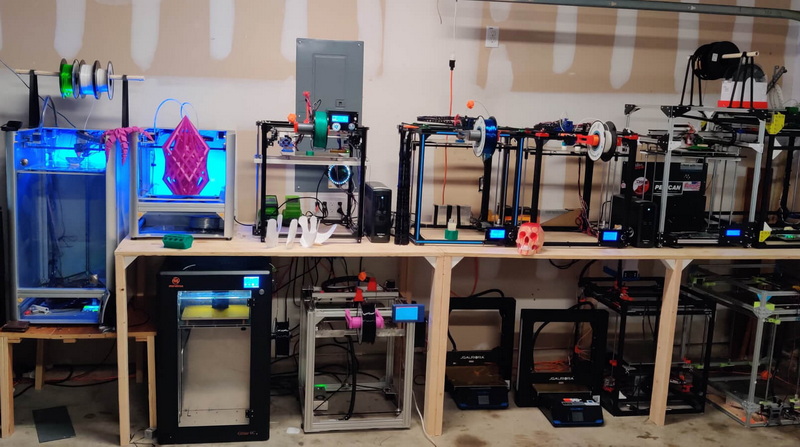
Use multi-platform comparison tools like Treatstock and Craftcloud. They compile quotes from different global providers, letting you sort by cost, quality rating, and local availability.
PLA remains the cheapest and most user-friendly option. It prints quickly, requires little post-processing, and is ideal for prototypes, toys, decorative objects, and low-stress mechanical parts.
For frequent small jobs, owning a printer can be cost-effective. However, if you print only occasionally or require specialized materials, online services save money by eliminating equipment and maintenance costs.
Scaling your model down exponentially reduces material volume, while optimizing orientation reduces supports. Both actions can cut total expenses by 20–40% without affecting functionality.
Yes. Setup fees, color finishing, and shipping are common add-ons. Always review quote breakdowns carefully and choose basic finishes if appearance isn't critical.
[1](https://www.crealitycloud.com/guide)
[2](https://developers.shapeways.com)
[3](https://seekingalpha.com/article/4254183-handy-guide-for-new-authors)
[4](https://learn.sculpteo.com/fr)
[5](https://craftcms.com/knowledge-base/cloud)
[6](https://discover.hubpages.com/community/How-To-Write-a-Good-Article-For-HubPages)


