From idea to market-ready product, our NPI solutions make every stage easier, faster. Discover How We Help

Views: 222 Author: Tomorrow Publish Time: 2025-12-30 Origin: Site


Content Menu
● Key Objectives of a CNC Turning Course
>> 1. Mastering CNC Programming
>> 2. Understanding Machine Setup
>> 3. Reading and Interpreting Blueprints
>> 4. Selecting Cutting Tools and Materials
>> 5. Practicing Quality Control
● Course Modules and Structure
>> Module 1: Introduction to Machining
>> Module 2: CNC Machine Components and Controls
>> Module 3: CNC Programming Fundamentals
>> Module 4: Tool Design and Fixture Setup
>> Module 5: Advanced Machining Techniques
>> Module 6: Inspection and Quality Control
>> Module 7: Maintenance and Troubleshooting
● Skills Developed Through CNC Turning Training
● Tools and Equipment Used in CNC Turning Courses
● Industries and Career Opportunities
● Advantages of Enrolling in a CNC Turning Course
● Online vs On-Campus CNC Turning Training
● How to Choose the Right CNC Turning Course
● Certification and Professional Development
● Real-World Applications of CNC Turning Skills
● Common Challenges for Learners
● FAQ
>> 1. What is the duration of a CNC turning course?
>> 2. Do I need previous experience in machining?
>> 3. What kind of software is used in CNC turning training?
>> 4. Is CNC turning the same as CNC milling?
>> 5. What career positions are available after completing a CNC turning course?
CNC turning is one of the most transformative skills in modern precision manufacturing. As industries continue to adopt automation and computer-controlled machinery, professionals trained in CNC turning are in high demand around the world. But what exactly does a CNC turning course teach, and how can mastering this discipline open new career paths? This comprehensive guide explores everything you need to know — from the fundamentals and learning outcomes to career applications and certification pathways.
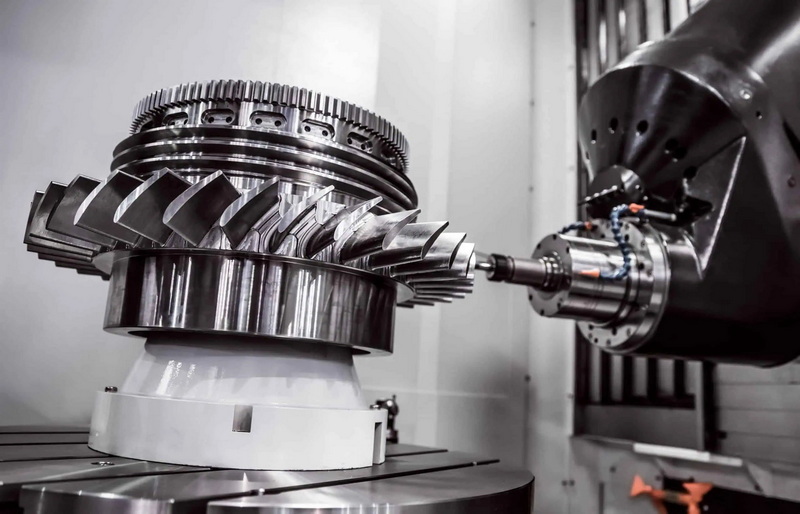
CNC stands for Computer Numerical Control, a technology that allows machines to be programmed by computers to carry out precise operations automatically. In CNC turning, the machine rotates the workpiece while a stationary cutting tool removes material to create cylindrical parts such as shafts, bolts, and bushings. This method enables the production of consistent, high-precision components at scale.
A CNC turning course equips learners with the knowledge to operate, program, and maintain CNC lathes safely and effectively. Students learn how to transform raw materials into finished products using both manual techniques and automated software systems. These courses bridge the gap between theory and hands-on application, blending mechanical principles with digital innovation to form the backbone of modern manufacturing.
The purpose of a CNC turning course is to develop technically competent machinists and engineers capable of handling complex operations. Students are trained to work with various materials, machines, and software, focusing on the following objectives:
Students learn to understand and write G-code and M-code, which instruct machines on movement, speed, tool changes, and cutting operations. Programming precision ensures both efficiency and safety during machine operation.
Machine setup involves installing appropriate tools, calibrating axes, and aligning workpieces. Students practice safe setup techniques to guarantee dimensional accuracy and repeatable performance.
Blueprints and part drawings contain essential specifications such as dimensions, tolerances, and surface finishes. During the course, learners refine their ability to interpret technical drawings, ensuring that the final product meets design requirements.
Different materials—steel, aluminum, titanium, or plastics—require tailored cutting speeds, feeds, and tools. The course covers material science principles, teaching students how to choose suitable tooling to extend life and reduce waste.
Precision machining demands strict quality control. Learners use instruments such as micrometers, calipers, and coordinate measuring machines (CMM) to inspect parts. They also study statistical process control (SPC) to monitor and improve manufacturing consistency.
A well-designed CNC turning course is typically structured into progressive modules that combine classroom theory, software practice, and machine lab sessions.
Students are introduced to manufacturing processes, industrial safety standards, and basic metal-cutting theory. They study how cutting forces, tool geometry, and feed rates affect output quality and surface finish.
This stage covers machine anatomy, including spindles, chucks, turrets, and control panels. Trainees learn how to operate CNC control interfaces like FANUC, Siemens, or Haas systems.
Students develop beginner and intermediate coding skills. They write programs using G and M codes for operations like facing, turning, threading, and drilling. Software simulators help visualize and debug code before machine execution.
Tool selection and workpiece holding are crucial in ensuring stability during turning operations. Learners design basic fixtures and understand tool wear, tool life optimization, and lubrication methods.
In this module, courses cover advanced procedures such as part profiling, contouring, thread cutting, taper turning, and multi-axis operations. Simulation-based learning enhances problem-solving efficiency.
Students measure and evaluate finished parts for defects, accuracy, and surface finish. They are trained to maintain inspection reports that comply with industry and ISO standards.
Operator-level preventive maintenance, machine calibration, and diagnostics are emphasized to ensure maximum uptime and productivity on the shop floor.
Graduates of CNC turning programs acquire a combination of technical and cognitive skills that make them valuable assets in production and design environments.
- Programming proficiency: Ability to create, read, and modify G-code and M-code for different components.
- Precision measurement: Correct use of gauging and measuring tools for dimensional verification.
- Problem-solving ability: Diagnosing tool wear, vibration, or machining errors efficiently.
- Mechanical understanding: Deep knowledge of motion control, speed/feed ratios, and material removal physics.
- Team collaboration: Working effectively with engineers, designers, and quality officers for project success.
- Safety and discipline: Adhering to strict industry safety and environmental protocols.
These competencies collectively prepare learners to thrive in high-performance industrial environments.
Most CNC turning courses provide direct access to modern equipment, enabling practical experience with real-world machines and instruments. Commonly used tools include:
- CNC lathes (2-axis or multi-axis models).
- Cutting inserts and tool holders.
- Digital micrometers and vernier calipers.
- Dial indicators and depth gauges.
- CAD/CAM software (like Mastercam, Fusion 360, or SolidWorks).
- Workholding devices such as chucks, collets, and face plates.
Learning to operate and maintain these tools helps students develop hands-on confidence and technical mastery.

Professionals with CNC turning certification can work across various high-demand industries:
- Aerospace: Precision parts like turbine blades, fasteners, and landing gear components.
- Automotive: Production of engine shafts, pistons, and wheel hubs.
- Medical technology: Creation of medical implants, prosthetics, and diagnostic equipment.
- Energy and oil: Complex valves, drilling tools, and pressure fittings.
- Electronics: Machining of housings and components for sensitive devices.
Career roles include CNC operator, machinist, quality inspector, CAD/CAM technician, and manufacturing supervisor. With experience, individuals can move into automation programming, process engineering, or plant management positions.
A CNC turning course offers several tangible benefits:
1. Increased employability: Industries aggressively seek certified machinists due to automation growth.
2. High earning potential: Skilled CNC professionals often receive competitive wages and bonuses.
3. Global career mobility: CNC and CAD/CAM expertise are recognized worldwide.
4. Technological adaptability: Courses prepare workers to operate progressively advanced machines.
5. Entrepreneurial opportunities: Graduates can start small-scale machining or prototyping businesses.
The skill set developed through such training grants lifelong value and stability in multiple sectors.
With digital transformation, CNC training is available both online and in traditional labs.
Online CNC courses emphasize flexibility and theory. Virtual simulations mimic machine environments, allowing learners to experiment with programming and workflows. They are ideal for professionals upgrading existing skills or learning remotely.
In-person programs deliver real hands-on practice under professional supervision. Trainees gain tactile familiarity with machines, develop fine motor control, and cultivate teamwork in lab-based projects.
A hybrid model combines both—students complete theoretical modules online, followed by physical workshops. This combination balances accessibility with essential real-world experience.
Selecting an ideal CNC turning program requires thoughtful consideration. Potential learners should evaluate:
- Accreditation: Prefer courses certified by recognized bodies like NIMS or AMRC.
- Facilities and technology: Ensure labs feature modern CNC controllers and software.
- Instructor expertise: Trainers with real manufacturing experience provide valuable insights.
- Curriculum quality: The best programs include both G-code programming and CAD/CAM instruction.
- Job placement assistance: Schools with internship partnerships or career services improve employment prospects.
Evaluating these aspects ensures that the course fits individual goals and industry standards.
Completing a CNC turning course often leads to certification recognized across industries. Common credentials include:
- NIMS Level 1 & 2 Machining Certifications.
- CNC Lathe Operations Certificate.
- Advanced CNC Programming Diploma.
- Precision Manufacturing Certification.
Further professional growth may include courses in additive manufacturing, robotics integration, or advanced CAD/CAM programming. Lifelong learning keeps machinists competitive in a rapidly evolving landscape.
CNC turning skills go beyond traditional manufacturing and extend to research, prototyping, and custom fabrication:
- Product development: Creating prototypes for new mechanical designs.
- Tool and die making: Producing molds and fixtures for mass production.
- Automation systems: Integrating CNC turning into larger automated assembly lines.
- 3D modeling integration: Translating CAD models directly into CNC-cut parts.
These applications demonstrate how CNC turning contributes directly to technological innovation and product design.
While rewarding, CNC turning study comes with challenges:
- Understanding abstract coding logic in G-code.
- Adjusting feed and speed accurately for different materials.
- Managing tool wear and vibration.
- Ensuring part consistency during multiple production cycles.
- Keeping pace with evolving software updates.
With consistent practice and instructor guidance, students can master these challenges and develop efficient problem-solving strategies.
The future of CNC turning lies in automation and digital integration. Advanced features like machine learning, artificial intelligence predictive maintenance, and IoT-enabled monitoring systems are redefining how CNC operations work. New hybrid machines capable of combining turning and milling processes in one setup are also becoming standard.
As industries demand lighter materials, higher precision, and faster output, skilled machinists must merge craftsmanship with data-driven decision-making. Continuous education ensures professionals remain relevant and capable in this dynamic environment.
A CNC Turning Course provides the knowledge and skills necessary for cutting-edge careers in precision engineering and modern manufacturing. Students gain deep understanding of programming, materials, and machine operation—empowering them to create complex parts that meet today's industrial standards. By mastering CNC turning, individuals transform into innovators capable of shaping the future of automated production. Whether you aim for a technical role or a leadership path in manufacturing, this training is a foundational step toward long-term success in the global industrial workforce.
CNC turning courses typically range from three months to one year, depending on the curriculum, training complexity, and whether it is part-time or full-time.
No prior experience is necessary for beginner-level programs. However, familiarity with mechanical systems or technical drawing can accelerate learning progress.
Courses commonly use CAD/CAM software such as Fusion 360, Mastercam, Siemens NX, or SolidWorks to design and simulate projects before machining.
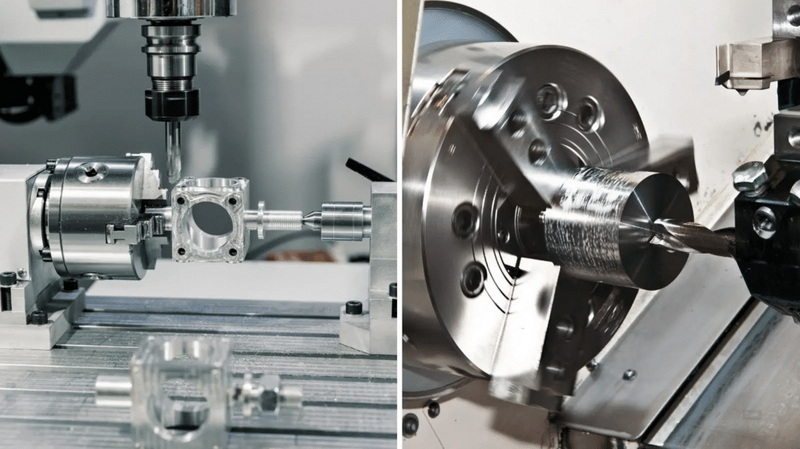
No. In turning, the workpiece rotates while the cutting tool remains stationary. In milling, the tool rotates while the workpiece stays fixed. Each process serves different shapes and applications.
Graduates can work as CNC machinists, lathe operators, CNC programmers, production inspectors, or process engineers. Experienced professionals can also advance into roles like manufacturing manager or automation specialist.


