From idea to market-ready product, our NPI solutions make every stage easier, faster. Discover How We Help

Views: 222 Author: Tomorrow Publish Time: 2025-12-24 Origin: Site
Content Menu
● Understanding CNC Turning Operations
● Machine Setup and Workholding Precautions
● Operational Precautions During Machining
● Environmental and Workplace Conditions
● Maintenance and Inspection Guidelines
● Material and Tooling Considerations
● Programming and Software Precautions
● Human Factors and Communication
● Quality Control and Inspection
● FAQ
>> 1. What are the main hazards in CNC turning?
>> 2. How often should CNC turning machines undergo maintenance?
>> 3. Why is coolant management so important?
>> 4. How can programming errors be avoided?
>> 5. What steps should be taken in an emergency?
CNC turning is one of the most fundamental machining operations used in industrial manufacturing today. It allows for the creation of high-precision cylindrical and conical components used in various sectors, from automotive and aerospace to electronics and energy. The process uses a computer-controlled lathe to rotate a workpiece at high speed while a cutting tool removes material according to programmed instructions.
Despite its accuracy and efficiency, CNC turning involves rotating machinery, sharp tools, and complex electrical systems — all of which demand strict operational precautions. Understanding these precautions not only helps prevent accidents but also improves productivity and prolongs equipment life. This article explores critical technical, operational, and safety precautions to follow during CNC turning.
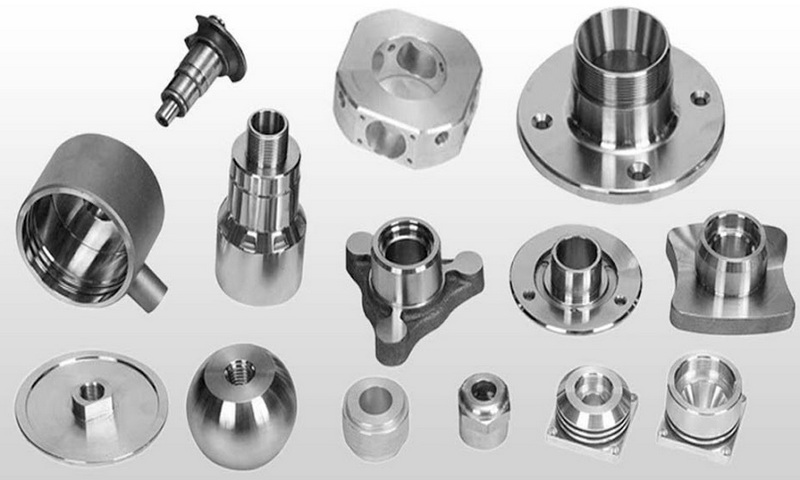
CNC turning involves fixing the workpiece securely to a spindle, which rotates it at specific speeds while the cutting tool moves linearly along one or more axes. The tool's programmed path defines the final geometry of the part. This method is especially useful for producing symmetrical components like shafts, bushings, or rings.
Modern CNC lathes are capable of performing multiple tasks such as tapping, boring, threading, and grooving — all in one setup. These complex operations require precise control over several variables, such as spindle speed, feed rate, depth of cut, and coolant delivery.
The success of any CNC turning operation depends on a balanced interaction between the machine, the tool, the workpiece, and the operator. Failures often occur when one of these components is neglected.
CNC turning machines operate at high rotational speeds and handle materials that can release sharp chips and coolant under pressure. Therefore, safety must come first.
1. Wear Appropriate Personal Protective Equipment (PPE):
Always wear safety goggles, gloves, and steel-toed boots. Never operate the machine without eye protection since chips can eject at high velocity.
2. Secure Hair and Loose Clothing:
Operators must tie long hair, remove jewelry, and avoid loose sleeves, as rotating components can catch them.
3. Check Safety Guards Before Operation:
Never remove or bypass machine guards. These shields are designed to protect operators from flying debris and coolant spray.
4. Train Before Use:
Only qualified personnel should operate CNC machines. They must understand G-code programming, safety interlocks, and machine functions.
5. Locate Emergency Controls:
Ensure that all emergency stop buttons and switches are working before beginning operations.
6. Keep the Work Area Clean and Dry:
Slippery floors or scattered metal chips are major hazards. Maintain a tidy workspace to allow quick access to tools and exits.
The machine setup determines the balance, accuracy, and safety of the turning operation.
- Inspect the Machine Before Startup:
Check belts, lubrication levels, and tool holders to confirm operation readiness. Align the machine bed and turret head properly.
- Secure Workpieces Correctly:
Improper clamping can cause the workpiece to slip or become unbalanced during high-speed rotation, endangering both operator and machine. Always double-check chuck jaws and collet grips.
- Verify Tool Integrity and Material Compatibility:
Select cutting tools that match the hardness and composition of the material. Inspect for signs of wear or cracks, and replace tools showing discoloration or chipped edges.
- Balance Rotating Parts:
An unbalanced chuck or part generates vibrations, resulting in poor surface finish and potential mechanical damage.
- Run a Trial Without Load:
Before applying actual cutting forces, run the program in simulation mode or with the spindle stopped to ensure there are no collisions or trajectory errors.
Once the machine is running, continuous attention is critical. Even fully automated systems benefit from constant human supervision.
- Monitor Tool Wear:
Excessive wear can lead to chatter, heat buildup, and dimensional inaccuracies. Establish a schedule for tool inspection and replacement.
- Maintain Correct Speeds and Feeds:
Over-aggressive parameters increase the risk of tool breakage. Use the manufacturer's recommended settings based on material type and tooling geometry.
- Apply Sufficient Coolant:
Metal cutting generates extreme heat. Proper coolant flow reduces friction and prevents thermal expansion of both the tool and the workpiece.
- Avoid Manual Contact:
Never attempt to touch the rotating workpiece or tool. If any measurement or adjustment is required, stop the machine first.
- Use Chip Control Measures:
Long, stringy chips can wrap around the tool or spindle. Install chip breakers or adjust cutting parameters to promote chip fragmentation.
- Listen for Unusual Noises:
Grinding or rattling sounds may signal misalignment or imbalance. Stop immediately and investigate rather than ignoring potential faults.
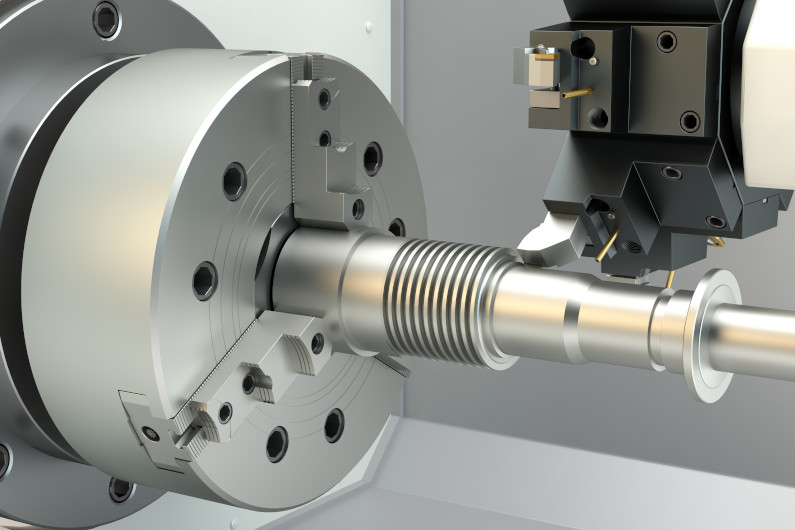
A productive CNC turning environment also depends on organization and proper working conditions.
- Room Temperature Stability:
Extreme temperature changes can cause thermal distortion in machine components, leading to tolerance errors. Maintain a stable ambient temperature.
- Ventilation and Air Filtration:
Coolant mist, fumes, or dust should be extracted using appropriate ventilation systems to maintain air quality.
- Lighting Conditions:
Bright, shadow-free lighting enhances accuracy during setup and inspection, reducing eye strain and errors.
- Tool and Material Storage:
Keep tools, gauges, and measuring instruments in designated racks to prevent contamination and damage.
- Emergency Access:
Ensure that aisles are clear and that fire extinguishers, first aid kits, and emergency exits are visible and accessible.
Preventive maintenance ensures continuous performance and long machine life.
- Regular Lubrication:
Check oil and coolant levels daily. Lack of lubrication increases wear on spindles, bearings, and guideways.
- Inspect Electrical Systems:
Examine wiring, motor connections, and switches regularly. Electrical faults can result in machine downtime or hazards.
- Clean Chips and Debris After Use:
Accumulated chips can block coolant flow and cause corrosion. Clean all surfaces after finishing a job.
- Check Alignment and Calibration:
Periodically verify alignment between the spindle axis and tool turret. Use calibration tools to maintain precision.
- Update CNC Software:
Outdated software can produce programming errors or limit compatibility with new tools and materials.
Different materials require different precautions.
- Hard Materials (Steel, Titanium):
Use coated carbide tools with lower feed rates and generous coolant application to reduce tool wear.
- Soft Materials (Aluminum, Copper):
Prevent chip adhesion by using high rake angle tools and maintaining sharp edges.
- Plastics and Composites:
Avoid overheating by reducing speed and feed while using air instead of liquid coolant.
Selecting the correct tool geometry and insert grade improves both surface finish and tool life.
CNC programming plays an essential role in safe turning operations.
- Verify G-Code Before Running:
A single coordinate error can cause collisions. Always run virtual simulations to ensure toolpaths are safe.
- Backup Programs Regularly:
Maintain digital backups of all machining programs for reference and recovery.
- Use Proper Tool Offsets:
Incorrect offsets or work coordinate settings lead to scrap parts or machine damage.
- Document Process Parameters:
Standardizing parameters across shifts ensures consistency and minimizes human error.
Even with advanced automation, human awareness remains a determining factor in safety.
- Operators should maintain full concentration and avoid distractions.
- Clear communication between programmers, machinists, and maintenance teams prevents misunderstandings during handovers.
- Reporting minor issues early prevents larger breakdowns later.
- Never bypass safety measures to save time.
After machining a part, quality checks validate dimensional precision and surface finish.
- Use Precision Instruments:
Micrometers, dial indicators, and coordinate measuring machines (CMMs) help verify tolerances.
- Inspect After Tool Change:
Recheck the first part after installing new inserts or tools.
- Record Measurement Data:
Consistent measurement records identify process deviations over time.
- Keep Work Clean:
Dust or oil on the part's surface can distort measurement results.
- Skipping machine warm-up cycles.
- Neglecting tool life monitoring.
- Entering incorrect spindle speeds.
- Overlooking vibration signals.
- Disabling safety interlocks for convenience.
Every error introduces potential risks or quality problems. Preventive habits reduce downtime and maintain machine performance.
CNC turning requires precision, preparation, and respect for safety standards. From machine setup and parameter selection to maintenance and workplace organization, each precaution is essential to achieving reliable results. Operators must combine technical knowledge with disciplined procedures to avoid accidents and ensure efficient, high-quality production. A well-maintained and safely operated CNC lathe not only enhances profitability but also protects people and equipment throughout its service life.
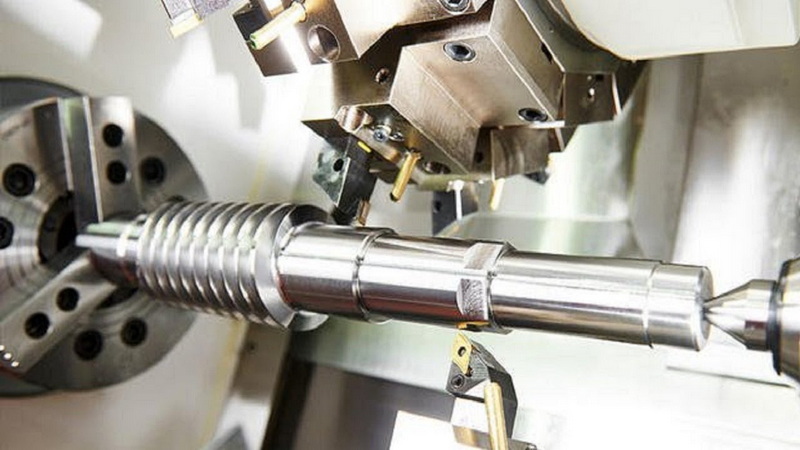
The primary hazards include rotating components, flying chips, coolant exposure, and electrical risks. Consistent use of guards and PPE minimizes these dangers.
Perform light cleaning and inspection after every shift, with detailed preventive maintenance scheduled monthly or quarterly, depending on machine usage.
Coolant reduces thermal stress, improves surface finish, and prevents tool failure. Poor coolant quality can lead to corrosion, bacterial growth, or inconsistent machining.
Validate every new program through simulation and dry runs. Always double-check zero points, tool offsets, and G-code instructions before starting production.
Activate the emergency stop immediately, move clear of the machine, and alert a supervisor. Do not restart operations until a full inspection confirms safety.


