From idea to market-ready product, our NPI solutions make every stage easier, faster. Discover How We Help

Views: 222 Author: Tomorrow Publish Time: 2025-11-14 Origin: Site
Content Menu
● Cultural and industrial context
● Regional strengths and industry clusters
● Quality management and standards
● Choosing a Japanese Machining Service Manufacturer And Supplier
● Industry applications and example components
● Operational excellence and risk management
● Cost considerations and value proposition
● Case for choosing a Japan-based partner
● Emerging trends shaping the landscape
● Approaching a Japanese Machining Service Manufacturer And Supplier
● Common questions and answers
● Limitations and regional considerations
● FAQ
>> 1. How to initiate a project with a Japanese Machining Service Manufacturer And Supplier?
>> 2. What about IP protection?
>> 3. Do they offer post-production assembly?
>> 4. Is an on-site visit necessary?
>> 5. How is pricing typically structured?
Japan has long been a benchmark for precision engineering and meticulous manufacturing. For foreign brands, wholesalers, and manufacturers seeking reliable CNC machining partners, Japan offers an ecosystem that consistently delivers high-precision components, tight tolerances, and repeatable results. This comprehensive survey examines Machining Service Manufacturers And Suppliers in Japan through a lens of capabilities, industry footprints, collaboration practices, and risk management. It also delves into practical considerations for overseas customers, including communication strategies, quality management, lead times, and logistics.
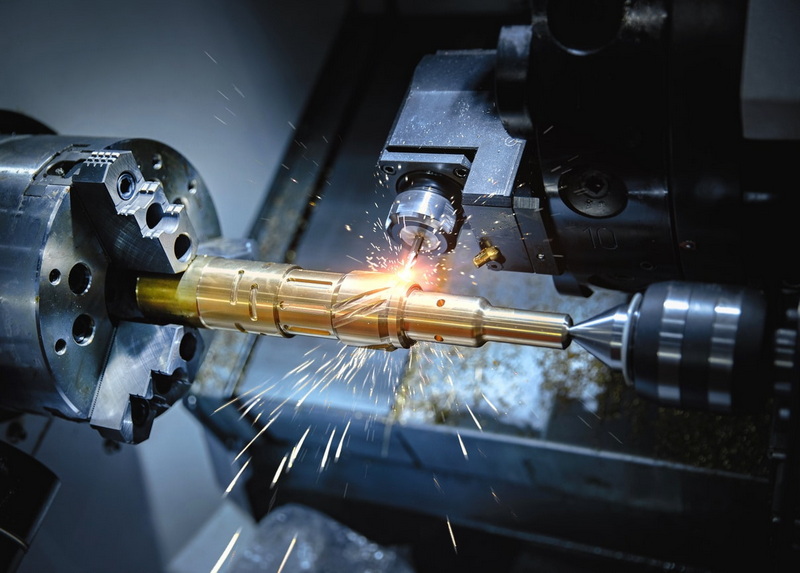
The Japanese manufacturing ethos blends kaizen (continuous improvement) with a strong emphasis on quality at the source. This cultural foundation supports sustained reliability across supply chains, even under challenging schedules. Japanese shops typically invest heavily in skilled machinists, robust metrology, and rigorous process control. The result is a resilient ecosystem that can handle multi-material machining, complex geometries, and demanding finish requirements across automotive, aerospace, medical, electronics, and industrial sectors.
- Precision and repeatability: Japanese shops are known for achieving consistent results across both high-volume and low-volume runs, with tight process control and robust data trails.
- Advanced equipment and automation: A wide spectrum of multi-axis CNC centers, turning centers, and automated tooling systems enable complex part making and high-throughput capability.
- Strong quality ecosystems: ISO-based management, PPAP readiness, and traceability practices help meet strict regulatory and customer-sponsored requirements.
- Prototyping and development support: Early-stage development, rapid prototyping, and iterative design-for-manufacturability cycles are commonly supported, reducing time-to-market.
- Global service mindset: Many suppliers offer English-language documentation, project management professionals, and cross-border logistics expertise to facilitate international collaborations.
- Multi-axis CNC milling and turning: Expect 3-, 4-, and 5-axis milling with live tooling, sub-spindle options, and precise turret configurations for complex geometries.
- High-precision tolerance control: Typical tolerances range from ±0.005 mm to ±0.01 mm, with tighter tolerances available for mission-critical parts via enhanced inspection and control.
- Precision metrology and inspection: On-site CMMs, laser scanners, optical comparators, and vibration-stable environments ensure traceability and quality assurance.
- Tooling and fixture engineering: Custom fixtures, soft jaws, vacuum fixtures, and dedicated assembly rigs support repeatable results and faster changeovers.
- Material versatility: Aluminum, stainless steel, alloy steels, titanium, copper, brass, and certain specialty alloys; capable of applying surface treatments and coatings as required.
- Surface finishing: Grinding, polishing, lapping, deburring, anodizing, coating, and plating; post-processing partners are commonly integrated to meet finishing specs.
- Prototyping and low-volume production: Capable of rapid-turn prototyping, pilot runs, and small-batch production to support R&D and design validation.
- Assembly and serialization: Cleanroom assembly when required, with traceability, serialization, and sub-assembly capabilities for electronics and medical devices.
- Compliance and documentation: Detailed process documentation, QA reports, and standards alignment with ISO and sector-specific requirements.
- Kanto region (Tokyo-Yokohama): A hub for high-end precision shops, automotive components, electronics housings, and medical devices. Proximity to suppliers and customers accelerates collaboration and iterative testing.
- Kansai region (Osaka-Kobe-Nara): Noted for tooling, mold making, and precision machining with deep experience in automotive components and consumer electronics.
- Tohoku and Hokuriku corridors: Specialized capabilities in aerospace, defense, and high-precision components, with strong partnerships for heat treatment and surface engineering.
- Kyushu: Emerging strengths in electronics components, optical parts, and precision instrumentation, supported by a growing network of skilled machinists and subcontractors.
- ISO 9001:2015 certification is widespread, establishing a solid framework for quality across processes.
- Sector-specific standards: ISO 13485 for medical devices and AS9100 for aerospace are pursued by shops serving those domains.
- Quality tools: SPC, PPAP readiness, first article inspection (FAI), MTM/SQC data collection, and traceability frameworks are commonly practiced.
- Documentation discipline: Comprehensive quality records, material certificates, inspection reports, and conformity certificates support customer verification and compliance.
- Technical fit: Validate capability alignment with part geometry, materials, tolerances, surface finishes, and coating requirements.
- Capacity and lead times: Assess production bandwidth, setup times, ramp feasibility, and critical-path planning for on-time delivery.
- Quality and compliance: Review certifications, inspection methodologies, defect history, and corrective action processes.
- Intellectual property protection: Ensure robust NDAs, data security measures, and clear ownership terms for design files and tooling.
- Communication and project management: Evaluate language support, response times, and proactive project governance.
- Logistics and after-sales support: Consider proximity to ports, packaging standards, and availability of repair or rework services.
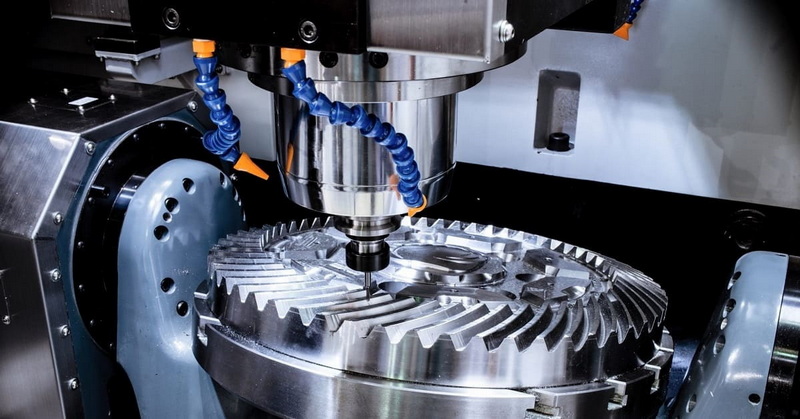
- Request for quote and feasibility assessment: Submit CAD models, drawings, material specs, tolerances, and finishing requirements; the shop assesses manufacturability, tooling needs, and cost drivers.
- Prototype and first article inspection: A trial run validates geometry, surface quality, tolerance attainment, and process stability.
- Pilot production: A controlled production run to refine tooling, fixturing, and process controls; feedback loops are established.
- Full-scale production: Ramp-up to optimized throughput with ongoing SPC data, periodic quality audits, and continuous improvement meetings.
- Final inspection and shipment: Comprehensive QA documentation, conformity certificates, and packaging tailored to international shipping requirements.
- Automotive and mobility parts: Engine components, housings, precision fasteners, and sensor housings requiring repeatability and durability.
- Aerospace components: High-precision parts with traceability and consistent performance under strict regulatory regimes.
- Medical devices and life sciences instruments: Cleanroom-compatible assemblies, sterile packaging considerations, and validated quality records.
- Electronics and connectors: Micro-mechanical features, housings, and precision connectors with tight tolerances.
- Industrial machinery and tooling: Gears, shafts, manifolds, valves, and precision fittings that demand reliability and long service life.
- Lean and continuous improvement: Methods focus on reducing cycle times, minimizing waste, and enhancing process capability.
- Supply chain resilience: Vendor qualification, material traceability, and contingency planning mitigate disruption risks.
- Digital integration: MES/ERP systems provide visibility into production status, quality metrics, and delivery performance.
- Customer-centric delivery: A strong emphasis on on-time delivery, transparent communication, and reliable after-sales support.
- Total cost of ownership: While unit prices may be higher than some regions, the value rests in consistent quality, lower rework, predictable lead times, and long-term reliability.
- Volume incentives: Long-term partnerships, standardized processes, and sensible tooling commitments can yield cost efficiencies.
- Hidden costs: Pay attention to setup charges, fixturing, and post-processing steps that influence total project cost.
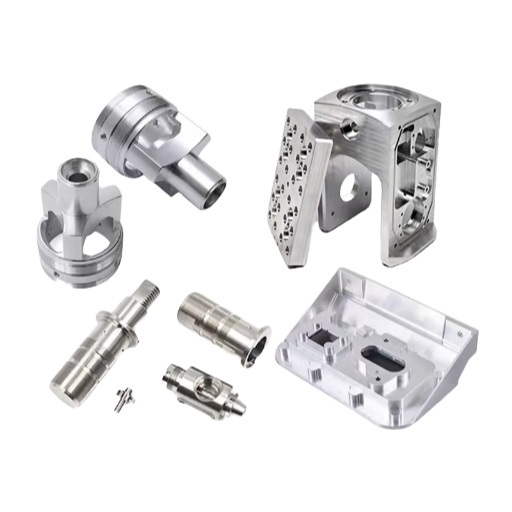
- Language and documentation: English-language documentation is often available; supplement with clear briefings and accessible project managers.
- Intellectual property security: Strong contractual protections, secure data channels, and controlled access help protect design rights and manufacturing know-how.
- Payment terms: Common terms include letters of credit, wire transfers, or milestone-based payments; clarify early to avoid disputes.
- Logistics and intellectual property: Secure packaging, insurance considerations, and restricted access to sensitive information are important in cross-border work.
- When tight tolerances, micro-scale features, and surface finishes must be highly controlled.
- For components requiring robust traceability, regulatory compliance, and long-term supplier relationships.
- In markets where strong quality systems and predictable delivery are critical to product success and brand reputation.
- Industry 4.0 adoption: Digital twins, predictive maintenance, and real-time process monitoring enhance uptime and quality visibility.
- Automation and capacity expansion: Investment in multi-axis machining, robotics, and automated inspections boost throughput and consistency.
- Sustainable manufacturing: Focus on energy efficiency, waste reduction, and responsible sourcing aligns with global environmental expectations.
- Advanced coatings and surface technologies: Tailored coatings extending component life in aerospace, medical, and electronics sectors.
- Prepare precise specifications: Provide complete CAD data, GD&T, material specs, surface finishes, and critical tolerances; include inspection methods for key features.
- Emphasize critical features: Clearly mark features that drive form, fit, and function; specify acceptance criteria and inspection frequency.
- Set quality expectations: Agree on QA documentation formats, reporting cadence, and acceptance criteria in advance.
- Align on logistics: Confirm packaging standards, shipment modes, and realistic lead times to ensure smooth delivery.
- What certifications should I look for in a Japanese machining partner? ISO 9001 is standard; for medical and aerospace, ISO 13485 and AS9100 are relevant; request traceability documentation and audit histories.
- How do Japanese shops achieve tolerances tighter than 0.01 mm? They rely on high-end CNC equipment, precision tooling, fixture accuracy, and CMM-based inspection with rigorous process validation.
- Can small lots be economically produced? Yes, many shops support pilot runs and low-volume production, though unit costs reflect setup and tooling investments.
- What is the typical lead time? It varies by part complexity and capacity; early prototyping phases help establish realistic timelines.
- How important is communication? Crucial; clear briefs, regular updates, and defined escalation paths drive project success.
- Language and cultural nuances: Engaging bilingual coordinators can ease collaboration.
- Geographic distance: Logistics planning and potential customs considerations require proactive management.
- Currency and price volatility: Fixed-price agreements or hedging strategies can provide cost stability in long-term partnerships.
Japan remains a premier source for Machining Service Manufacturers And Suppliers delivering high-precision, reliable components with traceable quality and robust process control. The combination of skilled labor, advanced equipment, and mature quality systems makes Japanese partners well-suited for parts demanding extreme tolerances, micro-detail features, and consistent performance across automotive, aerospace, medical, electronics, and industrial applications. For foreign brands and manufacturers, selecting the right Japanese machining partner can yield sustained value through process stability, rigorous documentation, and collaborative program management. Thoughtful project scoping, clear communication, and meticulous qualification lay the foundation for successful, long-term collaborations that meet stringent regulatory and customer requirements while maintaining competitive lead times and predictable outcomes.
Provide detailed CAD data, drawings, material specs, tolerances, and finishing requirements; request feasibility and a quote.
Use NDAs, secure data channels, and define ownership of tools and process know-how in contracts.
Many do, including sub-assembly and serialization for suitable sectors.
Not always, but it can be valuable; virtual audits are common, with on-site visits possible by arrangement.
Fees include material costs, tooling, setup, and per-part manufacturing; payment terms often involve LC or milestone-based payments.


